
 Acrylic Sealants
 Construction Adhesives
 Double-Sided Tape
 Duct Tape
 Electrical Tape
 Epoxy & Resins
 Silicone Sealants
 Masking Tape
 Automotive Wrenches & Socket Sets
 Battery Chargers & Jump Starters
 Car Jacks & Stands
 Car Wash & Detailing Products
 Diagnostic Tools
 Tire Inflators
 Vehicle Lighting
 Oil & Lubricants
 Adhesives & Sealants
 Bricks & Blocks
 Cement & Concrete
 Drywall & Plaster
 Flooring (Tiles, Wood, Laminate)
 Lumber & Plywood
 Paints, Primers & Coatings
 Insulation Materials
 Roofing Materials
 Circuit Breakers
 Electrical Cables & Wires
 Switches & Sockets
 Fuses & Relays
 Connectors & Terminals
 Electrical Boxes & Panels
 Conduit & Fittings
 Lighting Fixtures & Bulbs
 Extension Cords & Power Strips
 Anchors
 Bolts
Bolts Clips & Clamps
 Screws
 Nuts
Nuts Washers
 Rivets
 Nails
Nails Threaded Rods
 Hammers
 Measuring Tools (Tapes, Levels, Calipers)
 Screwdrivers
 Pliers & Cutters
 Saws & Blades
 Chisels & Punches
 Allen Keys & Hex Keys
 Ratchets & Socket Sets
 Wrenches & Spanners
 Power Tool Accessories (Blades, Bits, Discs)
 Rotary Tools
 Saws (Circular, Jigsaw, Reciprocating)
 Drills & Drivers
 Grinders & Sanders
 Heat Guns
 Nail Guns
 Impact Wrenches
 Batteries & Chargers
 Pipes & Fittings (PVC, Copper, PEX)
 Plumbing Tools
 Pumps & Motors
 Sealants & Adhesives for Plumbing
 Valves & Taps
 Water Heaters
 Drainage Systems
 Faucets & Fixtures
 Hoses & Tubing
 Hinges & Latches
 Hooks & Brackets
 Window Hardware
 Chains & Cables
 Casters & Wheels
 Shelving & Storage Systems
 Door Handles & Locks
 Drawer Slides & Cabinet Hardware
 Personal Protective Equipment (PPE)
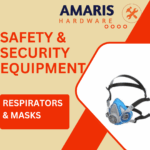 Respirators & Masks
 Safety Glasses
 Safes
Safes Security Cameras
 Gloves
 Helmets
 Ear Protection
 Fire Safety Equipment
 Locks & Padlocks
 Motion Sensors & Alarms
 Garden Fencing
 Garden Furniture Hardware
 Lawn Mowers
 Trimmers & Edgers
 Shovels & Spades
 Rakes & Hoes
 Pruning Shears & Loppers
 Watering Systems (Hoses, Sprinklers, Nozzles)
 Interior Paints
 Paint Brushes & Rollers
 Paint Strippers & Thinners
 Paint Trays & Accessories
 Exterior Paints
 Spray Paints
 Primers & Undercoats
 Varnishes & Stains
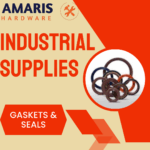 Gaskets & Seals
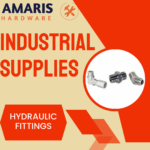 Hydraulic Fittings
 Industrial Fasteners
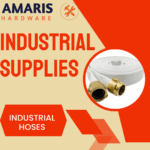 Industrial Hoses
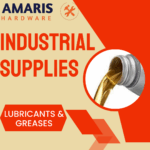 Lubricants & Greases
 Metal Sheets & Bars
 Bearings & Bushings
 Belts & Pulleys
 HVAC Filters
 Insulation for HVAC
 Air Conditioners
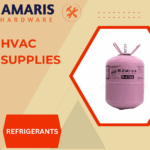 Refrigerants
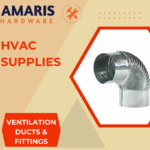 Ventilation Ducts & Fittings
 Thermostats & Controllers
 Fans & Blowers
 Pegboards & Hooks
 Shelving Units
 Storage Bins & Containers
 Toolboxes & Tool Chests
 Workbenches
 Drawer Organizers
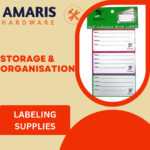 Labeling Supplies
 Welding Accessories (Clamps, Brushes)
 Welding Electrodes & Rods
 Welding Helmets & Gloves
 Welding Machines
 Soldering Irons & Stations
 Flux & Solder Wire
 Generator Accessories
 Inverters
 Portable Generators
 Power Inverters
 Transfer Switches
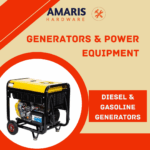 Diesel & Gasoline Generators
 Transport Equipment: Carts, Dollies, and Hand Trucks
 Storage Solutions: Pallets, Racks, and Containers
 Lifting Equipment: Hoists, Cranes, and Jacks
 Conveyors & Accessories: Belts & Rollers
 Office Chairs


Gas Respirator
Original price was: $ 15.27.$ 14.51Current price is: $ 14.51.
A gas respirator, also known as a gas mask, is a personal protective equipment device designed to provide a wearer with respiratory protection against the inhalation of harmful gases, vapors, and particulate matter in the air. It typically consists of a face piece that covers the nose and mouth, along with filters or cartridges that remove or neutralize contaminants from the air before the wearer breathes it in. Gas respirators are commonly used in various industries, emergency response situations, and military applications to safeguard individuals from exposure to hazardous airborne substances.
Gas Respirator
Uses
-
Industrial Settings:
-
Chemical Industry: Workers handling or exposed to hazardous chemicals, gases, or vapors use gas respirators to protect themselves from respiratory hazards.
-
Painting and Coating: Professionals in painting and coating industries use gas masks to avoid inhaling harmful fumes and vapors from paints, solvents, and coatings.
-
Petrochemical Industry: Workers dealing with petrochemicals and refining processes use gas respirators to protect against toxic gases and fumes.
-
-
Emergency Response and Disaster Management:
-
Firefighting: Firefighters use gas respirators to protect themselves from smoke, toxic fumes, and other hazardous substances during firefighting operations.
-
Chemical Spills and Accidents: Emergency responders use gas masks when dealing with chemical spills or accidents to avoid inhaling dangerous substances.
-
-
Military Applications:
-
Chemical Warfare: Military personnel use gas masks to protect themselves from chemical, biological, radiological, and nuclear (CBRN) threats on the battlefield.
-
Tactical Operations: Special Forces and military units may use gas respirators during tactical operations to protect against various airborne threats.
-
-
Healthcare:
-
Infectious Diseases: During outbreaks of infectious diseases, healthcare workers may use gas masks to protect themselves from airborne pathogens.
-
Laboratory Work: Researchers working with hazardous substances in laboratories may use gas respirators to ensure their safety.
-
-
Environmental Monitoring:
-
Air Quality Monitoring: Professionals involved in monitoring air quality, especially in polluted environments or industrial areas, may use gas masks to avoid inhaling harmful pollutants.
-
-
Construction and Demolition:
-
Demolition Work: Workers involved in demolition projects may use gas respirators to protect against dust, debris, and potential airborne contaminants.
-
Asbestos Removal: Professionals removing asbestos use gas masks to prevent the inhalation of asbestos fibers.
-
-
Personal Safety:
-
DIY Projects: Individuals engaging in home improvement or DIY projects that involve exposure to potentially harmful substances may use gas respirators for personal protection.
-
Safety Precautions
-
Proper Fit:
-
Ensure that the gas respirator is properly fitted to your face. Follow the manufacturer's guidelines for sizing and adjusting straps to achieve an airtight seal.
-
-
Training and Familiarity:
-
Receive proper training on how to use the specific type of gas respirator you are using. Familiarize yourself with its features, limitations, and proper donning and doffing procedures.
-
-
Inspection and Maintenance:
-
Regularly inspect the gas respirator for any signs of damage, wear, or deterioration. Replace damaged parts promptly. Follow the manufacturer's maintenance guidelines.
-
-
Filter/Cartridge Replacement:
-
Replace filters or cartridges according to the manufacturer's recommendations or when you notice a change in breathing resistance. Using expired or clogged filters can compromise respiratory protection.
-
-
User Seal Check:
-
Perform a user seal check every time you don the gas respirator to ensure a proper seal. Follow the specific instructions provided by the manufacturer for the seal check.
-
-
Storage:
-
Store the gas respirator in a clean, dry place when not in use. Avoid exposing it to direct sunlight, extreme temperatures, or contaminants that could degrade its materials.
-
-
Limitations and Contaminant Identification:
-
Be aware of the limitations of your gas respirator, including the types of contaminants it can protect against. Identify the specific hazards in your environment to ensure the respirator is suitable for the task.
-
-
Communication:
-
Establish a means of communication with others while wearing the gas respirator, especially in situations where clear communication is essential.
-
-
Emergency Procedures:
-
Know the emergency procedures for your specific work environment, including exit routes, assembly points, and protocols for handling malfunctions or exposure incidents.
-
-
Medical Clearance:
-
Before using a gas respirator, ensure that you have received medical clearance to wear respiratory protection. Some individuals may have medical conditions that make respirator use unsafe.
-
-
Hygiene Practices:
-
Follow proper hygiene practices, including washing hands thoroughly before putting on and after removing the gas respirator. Avoid touching the inside of the respirator.
-
-
Fit Testing:
-
Undergo fit testing as required by occupational health and safety regulations to ensure that the respirator provides an effective seal for your face.
-
Related products

Insulated Heavy-Duty Diagonal Cutting Pliers
Insulated Heavy-Duty Diagonal Cutting Pliers refer to a specialized hand tool designed for cutting wires, cables, and other materials in electrical applications. The term "insulated" indicates that the tool is equipped with insulating materials on its handles, providing protection against electric shock. "Heavy-duty" implies that the pliers are robust and capable of handling tough cutting tasks, while "diagonal cutting" specifies the angled shape of the cutting edges, allowing for precise and efficient cutting in confined spaces. These pliers are commonly used by electricians and professionals working with electrical components to ensure safety and reliability in their tasks.

Insulated Safety Boots
Insulated safety boots are a type of footwear designed to provide protection for the feet in hazardous work environments while also offering insulation against extreme temperatures. These boots are commonly used in industries such as construction, manufacturing, and utilities where workers are exposed to various risks, including heavy objects, sharp materials, electrical hazards, and cold weather conditions.

Knitted & Pvc Dots Gloves
- Knitted Gloves: Knitted gloves refer to hand coverings that are crafted through the process of knitting, a method of creating fabric by interlocking loops of yarn. These gloves are typically made from various types of yarn, such as cotton, wool, or synthetic fibers. Knitted gloves are known for their flexibility, comfort, and breathability, making them suitable for a wide range of activities and environments. They come in different styles, thicknesses, and designs to cater to various purposes, from lightweight and dexterous gloves for delicate tasks to heavier and insulated options for colder conditions.
- PVC Dots Gloves: PVC dots gloves are a type of work glove that features small raised dots or patterns made from polyvinyl chloride (PVC) on the palm or fingers. These dots enhance the grip and abrasion resistance of the gloves, providing better control and preventing slips when handling objects. The base material of PVC dots gloves can vary and may include fabrics like cotton, polyester, or a blend of materials. These gloves are commonly used in tasks where a secure grip is essential, such as in construction, manufacturing, or general labor. The PVC dots enhance the overall functionality of the gloves without sacrificing flexibility.

Leather Gloves
Leather gloves are hand-covering garments made from the tanned hides of animals, typically cows, goats, or sheep. These gloves are crafted by cutting and stitching pieces of leather to form protective coverings for the hands. Leather gloves are valued for their durability, flexibility, and ability to provide a comfortable and stylish barrier against environmental elements, making them widely used for various purposes, including fashion, work, and outdoor activities.

Safety Goggles (only for welding)
Safety Goggles (only for welding) are specialized protective eyewear designed to shield the eyes from intense light, sparks, and debris produced during welding operations. These goggles are fitted with dark-tinted or shaded lenses that filter harmful ultraviolet (UV) and infrared (IR) radiation emitted by welding arcs and flames. They offer a snug, wraparound design to prevent particles and light from entering the sides, making them ideal for gas welding, cutting, brazing, and soldering. Their compact form factor makes them a convenient choice for close-up tasks and confined workspaces.
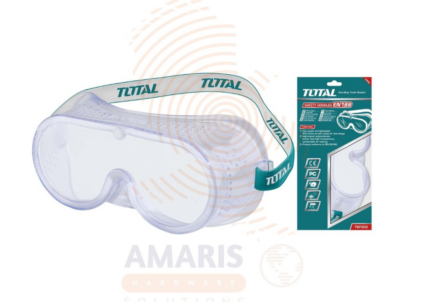
Safety Goggles (PVC)
Safety Goggles (PVC) are protective eyewear designed to shield the eyes from potential hazards in various environments, such as industrial workplaces, laboratories, or construction sites. These goggles typically feature impact-resistant lenses and a form-fitting frame to provide a barrier against flying debris, liquids, chemicals, or other materials that could cause harm to the eyes. The primary purpose of safety goggles is to enhance eye safety and prevent injuries by creating a physical barrier between the eyes and potential dangers, ensuring a higher level of occupational or recreational safety.

Transparent Safety Goggles
Transparent safety goggles are protective eyewear designed to shield the eyes from dust, debris, chemical splashes, and other workplace hazards. Made with clear, impact-resistant lenses, they offer full visibility while forming a secure seal around the eyes. These goggles are commonly used in industrial, laboratory, construction, woodworking, and medical environments. Many models feature anti-fog and scratch-resistant coatings, adjustable straps, and ventilation to enhance comfort during extended use. Their wraparound design provides superior protection compared to standard safety glasses.

Welding Googles
Welding Googles are specialized protective eyewear designed to shield the eyes from intense light, sparks, and debris generated during welding processes. They typically feature dark lenses that provide effective protection against the bright arc produced during welding, preventing eye injuries and minimizing the risk of vision damage from ultraviolet (UV) and infrared (IR) radiation. Welding goggles also offer a secure and comfortable fit to ensure the safety and well-being of the wearer while engaged in welding activities.