

 Acrylic Sealants
 Construction Adhesives
 Double-Sided Tape
 Duct Tape
 Electrical Tape
 Epoxy & Resins
 Silicone Sealants
 Masking Tape
 Automotive Wrenches & Socket Sets
 Battery Chargers & Jump Starters
 Car Jacks & Stands
 Car Wash & Detailing Products
 Diagnostic Tools
 Tire Inflators
 Vehicle Lighting
 Oil & Lubricants
 Adhesives & Sealants
 Bricks & Blocks
 Cement & Concrete
 Drywall & Plaster
 Flooring (Tiles, Wood, Laminate)
 Lumber & Plywood
 Paints, Primers & Coatings
 Insulation Materials
 Roofing Materials
 Circuit Breakers
 Electrical Cables & Wires
 Switches & Sockets
 Fuses & Relays
 Connectors & Terminals
 Electrical Boxes & Panels
 Conduit & Fittings
 Lighting Fixtures & Bulbs
 Extension Cords & Power Strips
 Anchors
 Bolts
Bolts Clips & Clamps
 Screws
 Nuts
Nuts Washers
 Rivets
 Nails
Nails Threaded Rods
 Hammers
 Measuring Tools (Tapes, Levels, Calipers)
 Screwdrivers
 Pliers & Cutters
 Saws & Blades
 Chisels & Punches
 Allen Keys & Hex Keys
 Ratchets & Socket Sets
 Wrenches & Spanners
 Power Tool Accessories (Blades, Bits, Discs)
 Rotary Tools
 Saws (Circular, Jigsaw, Reciprocating)
 Drills & Drivers
 Grinders & Sanders
 Heat Guns
 Nail Guns
 Impact Wrenches
 Batteries & Chargers
 Pipes & Fittings (PVC, Copper, PEX)
 Plumbing Tools
 Pumps & Motors
 Sealants & Adhesives for Plumbing
 Valves & Taps
 Water Heaters
 Drainage Systems
 Faucets & Fixtures
 Hoses & Tubing
 Hinges & Latches
 Hooks & Brackets
 Window Hardware
 Chains & Cables
 Casters & Wheels
 Shelving & Storage Systems
 Door Handles & Locks
 Drawer Slides & Cabinet Hardware
 Personal Protective Equipment (PPE)
 Respirators & Masks
 Safety Glasses
 Safes
Safes Security Cameras
 Gloves
 Helmets
 Ear Protection
 Fire Safety Equipment
 Locks & Padlocks
 Motion Sensors & Alarms
 Garden Fencing
 Garden Furniture Hardware
 Lawn Mowers
 Trimmers & Edgers
 Shovels & Spades
 Rakes & Hoes
 Pruning Shears & Loppers
 Watering Systems (Hoses, Sprinklers, Nozzles)
 Interior Paints
 Paint Brushes & Rollers
 Paint Strippers & Thinners
 Paint Trays & Accessories
 Exterior Paints
 Spray Paints
 Primers & Undercoats
 Varnishes & Stains
 Gaskets & Seals
 Hydraulic Fittings
 Industrial Fasteners
 Industrial Hoses
 Lubricants & Greases
 Metal Sheets & Bars
 Bearings & Bushings
 Belts & Pulleys
 HVAC Filters
 Insulation for HVAC
 Air Conditioners
 Refrigerants
 Ventilation Ducts & Fittings
 Thermostats & Controllers
 Fans & Blowers
 Pegboards & Hooks
 Shelving Units
 Storage Bins & Containers
 Toolboxes & Tool Chests
 Workbenches
 Drawer Organizers
 Labeling Supplies
 Welding Accessories (Clamps, Brushes)
 Welding Electrodes & Rods
 Welding Helmets & Gloves
 Welding Machines
 Soldering Irons & Stations
 Flux & Solder Wire
 Generator Accessories
 Inverters
 Portable Generators
 Power Inverters
 Transfer Switches
 Diesel & Gasoline Generators
 Transport Equipment: Carts, Dollies, and Hand Trucks
 Storage Solutions: Pallets, Racks, and Containers
 Lifting Equipment: Hoists, Cranes, and Jacks
 Conveyors & Accessories: Belts & Rollers
 Office Chairs
-5%


Rice Grader
Original price was: $ 319.23.$ 303.27Current price is: $ 303.27.

Road Roller
Original price was: $ 3,088.46.$ 2,934.04Current price is: $ 2,934.04.
Rice Mill
Original price was: $ 338.46.$ 321.54Current price is: $ 321.54.
WhatsApp Order
A Rice Mill is an agricultural processing machine designed to remove husk and bran layers from paddy rice to produce polished white rice suitable for consumption. It performs a sequence of operations including dehusking, separating, whitening, grading, and in some cases, packaging. Rice mills are vital in post-harvest processing for both small-scale farmers and large commercial grain operations, ensuring high-quality output, better yield, and improved rice market value.
Description
Rice Mill
Uses
-
Dehusking
o Removes the outer husk from harvested paddy rice.
o Prepares the rice for further processing steps such as polishing and grading. -
Whitening and Polishing
o Removes the bran layer to produce clean, white rice.
o Enhances the appearance and shelf-life of the final product. -
Separation and Sorting
o Separates whole grains from broken ones for grading and quality control.
o Removes impurities such as stones, dust, and straw. -
Grading
o Classifies rice by size and quality to meet market and export standards. -
Yield Optimization
o Reduces grain loss during processing for higher recovery rates. -
Commercial Processing
o Supports large-scale rice production facilities in meeting high-volume demand. -
Value Addition
o Adds value to raw paddy by turning it into polished rice ready for retail. -
Rural and Industrial Application
o Used by both smallholder farmers and industrial milling operations.
SAFETY HANDLING PRECAUTIONS
Safety Precautions
-
Wear Protective Gear
o Use dust masks to prevent inhalation of rice husk particles.
o Wear hearing protection in noisy environments.
o Use safety goggles and gloves when performing maintenance. -
Pre-Operation Inspection
o Check belts, pulleys, and moving parts for signs of wear or damage.
o Ensure all guards and safety covers are in place and secure. -
Safe Operating Practices
o Avoid overloading the machine to prevent clogs or overheating.
o Keep hands, clothing, and tools away from moving parts.
o Operate on a level surface with proper ventilation. -
Work Area Safety
o Clear the area of spilled grain and obstacles to avoid slips or trips.
o Set up signage to keep unauthorized personnel at a safe distance. -
Electrical Safety
o Inspect power cables and switches for faults before use.
o Ensure grounding is in place and avoid using in damp conditions. -
Routine Maintenance
o Clean and lubricate components after use to extend machine life.
o Replace worn parts promptly to avoid breakdowns. -
Training and Supervision
o Only trained personnel should operate the rice mill.
o Ensure familiarity with emergency stop procedures and machine manuals.
Related products
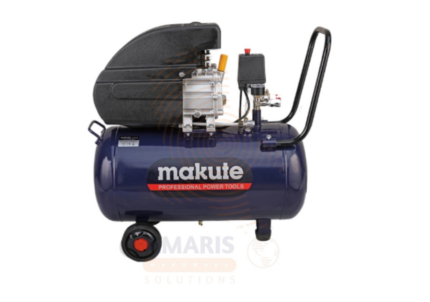
Direct Drive Air Compressor
A direct drive air compressor is a type of air compressor where the motor is directly connected to the compressor pump, typically without the use of belts or gears. In this configuration, the motor and the pump share a common shaft, resulting in a more compact and efficient design. Direct drive compressors are known for their simplicity, reduced maintenance requirements, and higher power transmission efficiency compared to belt-driven or gear-driven counterparts. They are commonly used in various applications, including powering pneumatic tools, inflating tires, and providing compressed air for industrial processes.
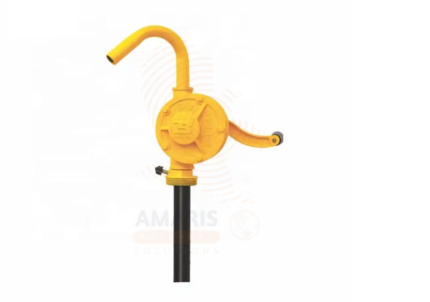
Hand Rotary Barrel Pump
A hand rotary barrel pump is a manually operated pump designed to transfer liquids, typically from barrels or containers, through a rotary pumping mechanism. The pump is equipped with a hand crank or lever that, when turned, activates a rotary gear or vane system inside the pump. This rotary action creates suction, allowing the pump to draw liquid from the source container and then dispense it through a spout or nozzle. Hand rotary barrel pumps are commonly used for transferring various fluids such as oils, fuels, chemicals, and other non-corrosive liquids. They offer a portable and efficient solution for applications where a power source may be unavailable or impractical.

Hose for Air Compressor
A Hose for Air Compressor is a flexible and durable conduit designed to connect the air compressor to pneumatic tools, equipment, or other devices requiring compressed air. Typically made of materials such as rubber, PVC, or hybrid blends, these hoses are capable of withstanding high pressure and provide a pathway for the compressed air to flow from the compressor to the intended application. The hose facilitates the efficient and controlled transfer of compressed air, enabling various pneumatic tools and devices to operate effectively in a wide range of industrial, automotive, and household applications.
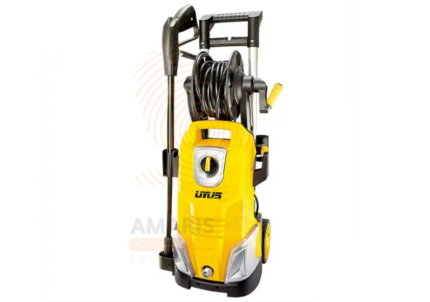
Induction Motor Brushless Pressure Washer
The Induction Motor Brushless Pressure Washer is a high-performance cleaning tool designed for demanding tasks in both residential and industrial environments. Powered by a durable brushless induction motor, it delivers consistent, high-pressure water output for effective removal of dirt, grime, and stains on vehicles, driveways, machinery, and outdoor surfaces. Its brushless technology ensures quieter operation, longer motor life, and improved energy efficiency. Built with rugged components and ergonomic features, this pressure washer is ideal for users who require power, reliability, and low maintenance.

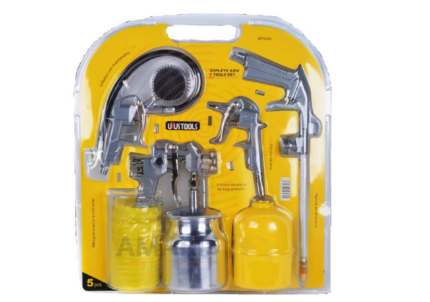
Spray Gun & Air Tool Accessory Kit Set
A Spray Gun & Air Tool Accessory Kit Set typically refers to a package or bundle that includes five essential components or accessories designed to complement and enhance the functionality of spray guns and air tools. These kits are commonly used in various applications, such as automotive painting, woodworking, and other projects where spray painting or air-powered tools are employed. The specific contents of the kit may vary, but it often includes items such as different nozzle attachments, connectors, air hoses, and other accessories necessary for optimal performance and versatility with spray guns and air tools. The aim is to provide users with a comprehensive set of tools and accessories to meet their diverse needs in a convenient and cost-effective manner.

Stone Crusher
A stone crusher is a heavy-duty machine designed to reduce large rocks into smaller stones, gravel, or rock dust for use in construction, road building, and other aggregate applications. These machines use mechanical force to break down stone material, typically through compression or impact. Stone crushers come in various types such as jaw crushers, cone crushers, impact crushers, and hammer crushers, each suited to specific crushing requirements. They are widely used in mining, quarrying, construction, and recycling industries to produce consistent aggregate sizes for foundations, concrete, asphalt, and more.
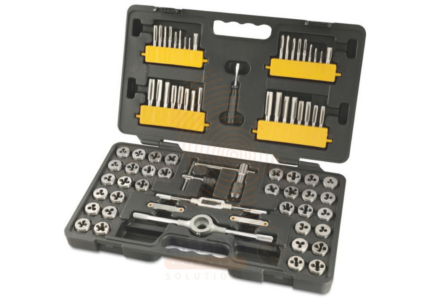
Tap and Die Set
A tap and die set is a collection of tools designed for threading and cutting threads on screws, bolts, and other fasteners. The set typically includes various sizes of taps and dies, which are used for creating or repairing threads on metal surfaces. Taps are used to cut internal threads, while dies are used for cutting external threads.
A 32-piece set implies that it contains 32 individual tools, which may include both taps and dies in different sizes. The sizes can vary to accommodate a range of thread specifications commonly found in mechanical and automotive applications. These sets are useful for machinists, mechanics, or anyone involved in metalworking who needs to create or repair threads in various sizes and diameters. The set may also come with a case for organization and storage, making it a convenient and versatile tool kit for threading tasks.