

 Acrylic Sealants
 Construction Adhesives
 Double-Sided Tape
 Duct Tape
 Electrical Tape
 Epoxy & Resins
 Silicone Sealants
 Masking Tape
 Automotive Wrenches & Socket Sets
 Battery Chargers & Jump Starters
 Car Jacks & Stands
 Car Wash & Detailing Products
 Diagnostic Tools
 Tire Inflators
 Vehicle Lighting
 Oil & Lubricants
 Adhesives & Sealants
 Bricks & Blocks
 Cement & Concrete
 Drywall & Plaster
 Flooring (Tiles, Wood, Laminate)
 Lumber & Plywood
 Paints, Primers & Coatings
 Insulation Materials
 Roofing Materials
 Circuit Breakers
 Electrical Cables & Wires
 Switches & Sockets
 Fuses & Relays
 Connectors & Terminals
 Electrical Boxes & Panels
 Conduit & Fittings
 Lighting Fixtures & Bulbs
 Extension Cords & Power Strips
 Anchors
 Bolts
Bolts Clips & Clamps
 Screws
 Nuts
Nuts Washers
 Rivets
 Nails
Nails Threaded Rods
 Hammers
 Measuring Tools (Tapes, Levels, Calipers)
 Screwdrivers
 Pliers & Cutters
 Saws & Blades
 Chisels & Punches
 Allen Keys & Hex Keys
 Ratchets & Socket Sets
 Wrenches & Spanners
 Power Tool Accessories (Blades, Bits, Discs)
 Rotary Tools
 Saws (Circular, Jigsaw, Reciprocating)
 Drills & Drivers
 Grinders & Sanders
 Heat Guns
 Nail Guns
 Impact Wrenches
 Batteries & Chargers
 Pipes & Fittings (PVC, Copper, PEX)
 Plumbing Tools
 Pumps & Motors
 Sealants & Adhesives for Plumbing
 Valves & Taps
 Water Heaters
 Drainage Systems
 Faucets & Fixtures
 Hoses & Tubing
 Hinges & Latches
 Hooks & Brackets
 Window Hardware
 Chains & Cables
 Casters & Wheels
 Shelving & Storage Systems
 Door Handles & Locks
 Drawer Slides & Cabinet Hardware
 Personal Protective Equipment (PPE)
 Respirators & Masks
 Safety Glasses
 Safes
Safes Security Cameras
 Gloves
 Helmets
 Ear Protection
 Fire Safety Equipment
 Locks & Padlocks
 Motion Sensors & Alarms
 Garden Fencing
 Garden Furniture Hardware
 Lawn Mowers
 Trimmers & Edgers
 Shovels & Spades
 Rakes & Hoes
 Pruning Shears & Loppers
 Watering Systems (Hoses, Sprinklers, Nozzles)
 Interior Paints
 Paint Brushes & Rollers
 Paint Strippers & Thinners
 Paint Trays & Accessories
 Exterior Paints
 Spray Paints
 Primers & Undercoats
 Varnishes & Stains
 Gaskets & Seals
 Hydraulic Fittings
 Industrial Fasteners
 Industrial Hoses
 Lubricants & Greases
 Metal Sheets & Bars
 Bearings & Bushings
 Belts & Pulleys
 HVAC Filters
 Insulation for HVAC
 Air Conditioners
 Refrigerants
 Ventilation Ducts & Fittings
 Thermostats & Controllers
 Fans & Blowers
 Pegboards & Hooks
 Shelving Units
 Storage Bins & Containers
 Toolboxes & Tool Chests
 Workbenches
 Drawer Organizers
 Labeling Supplies
 Welding Accessories (Clamps, Brushes)
 Welding Electrodes & Rods
 Welding Helmets & Gloves
 Welding Machines
 Soldering Irons & Stations
 Flux & Solder Wire
 Generator Accessories
 Inverters
 Portable Generators
 Power Inverters
 Transfer Switches
 Diesel & Gasoline Generators
 Transport Equipment: Carts, Dollies, and Hand Trucks
 Storage Solutions: Pallets, Racks, and Containers
 Lifting Equipment: Hoists, Cranes, and Jacks
 Conveyors & Accessories: Belts & Rollers
 Office Chairs


Square Cement Blender
Original price was: $ 18.31.$ 17.39Current price is: $ 17.39.
A square cement blender typically refers to a piece of equipment used in construction and concrete-related applications. It is a machine designed to mix cement, sand, gravel, and water thoroughly to produce a uniform and homogenous mixture, commonly known as concrete. The “square” aspect of the term may refer to the shape of the blender’s mixing drum or container.
In essence, a square cement blender is a construction tool utilized to efficiently combine and blend the essential components of concrete, facilitating the preparation of a consistent and workable material for various building projects.
Square Cement Blender
Uses
-
Concrete Mixing: The primary purpose of a cement blender is to mix concrete components, including cement, sand, gravel, and water. This ensures a consistent and homogeneous mixture that can be used for various construction applications.
-
Construction Projects: Cement blenders are widely used on construction sites for preparing concrete needed for foundations, slabs, walls, and other structural elements. They play a key role in creating durable and reliable building materials.
-
Road Construction: Cement mixers are essential in road construction projects, where concrete is used for pavements, curbs, and other infrastructure elements. They help in achieving the required strength and quality of the concrete mix.
-
Masonry Work: Cement blenders are commonly employed in masonry projects for mixing mortar, which is used to bind bricks or other masonry units. This is crucial for creating strong and stable walls and structures.
-
Precast Concrete Production: In precast concrete manufacturing, cement blenders are used to prepare the concrete mix that will be poured into molds to create precast elements such as beams, columns, and panels.
-
DIY and Home Improvement: Cement blenders are also utilized for smaller projects at home or on a DIY scale. Individuals may use them for tasks like creating concrete pathways, patio slabs, or small construction projects around the house.
-
Landscaping: In landscaping projects, cement blenders are employed to mix concrete for features like garden borders, retaining walls, or decorative elements.
-
Repair and Restoration: Cement blenders are valuable for repair and restoration work, where concrete needs to be mixed on-site to match existing structures or to fix damaged areas.
-
Infrastructure Development: Cement mixers are indispensable in large-scale infrastructure development projects, including bridges, dams, and tunnels, where vast quantities of concrete are required.
-
Commercial and Industrial Construction: In commercial and industrial construction, cement blenders are used extensively for creating the concrete needed for floors, foundations, and other structural components.
Safety Precautions
-
Read and Understand the Manual:
-
Familiarize yourself with the manufacturer's instructions and guidelines provided in the manual.
-
Follow all recommended operating procedures and safety precautions outlined in the manual.
-
-
Personal Protective Equipment (PPE):
-
Wear appropriate personal protective equipment, including safety glasses or goggles, hearing protection, gloves, and sturdy footwear.
-
Consider using a dust mask to protect against dust and airborne particles generated during the mixing process.
-
-
Site Preparation:
-
Ensure that the work area is well-ventilated to minimize exposure to dust and fumes.
-
Clear the workspace of obstacles and ensure a clean, organized environment to prevent tripping hazards.
-
-
Equipment Inspection:
-
Conduct a thorough inspection of the square cement blender before each use.
-
Check for any damage, loose parts, or worn-out components that may compromise safety.
-
Verify that all safety guards and features are in place and functioning correctly.
-
-
Stable Surface:
-
Set up the cement blender on a stable, level surface to prevent accidental tipping or instability during operation.
-
Use blocking or other means to secure the equipment in place.
-
-
Electrical Safety:
-
If the cement blender is powered by electricity, ensure that the electrical components and cords are in good condition.
-
Use a ground fault circuit interrupter (GFCI) for electrical safety.
-
-
Proper Loading and Mixing:
-
Follow the manufacturer's guidelines for the maximum load capacity of the cement blender.
-
Add materials in the correct order to prevent imbalance or uneven mixing.
-
Avoid overloading the mixer, as it can strain the motor and compromise safety.
-
-
Emergency Stop and Shutdown:
-
Familiarize yourself with the emergency stop and shutdown procedures.
-
Ensure that all users know how to quickly stop the equipment in case of an emergency.
-
-
No Hands in Mixer:
-
Never reach into the mixer while it's in operation.
-
Use tools or other methods to dislodge materials stuck to the sides, rather than reaching in with hands.
-
-
Communication:
-
Establish clear communication among team members to ensure everyone is aware of the cement blender's operation and any potential hazards.
-
Use signals or communication devices when operating in areas with limited visibility.
-
-
Training and Supervision:
-
Ensure that operators are properly trained in the use of the cement blender.
-
Provide supervision, especially for less experienced operators, to monitor safe work practices.
-
-
First Aid and Emergency Response:
-
Have a first aid kit readily available on-site.
-
Establish an emergency response plan and ensure that all workers know the procedures to follow in case of an accident or injury.
-
Related products
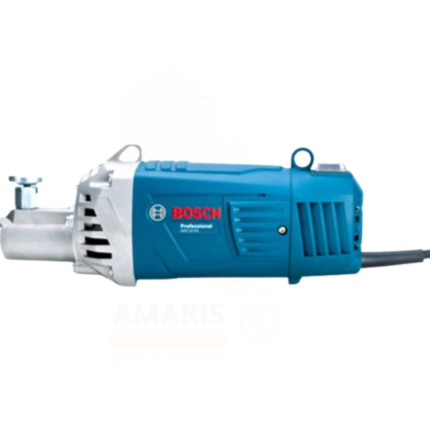
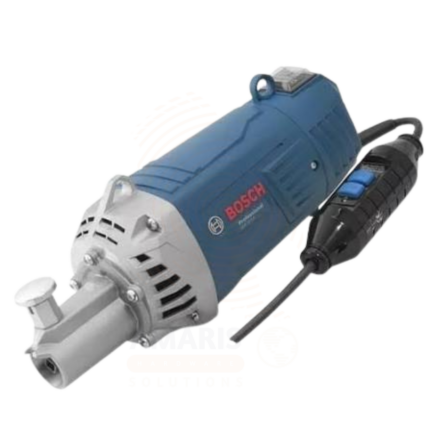
Bosch GVC 22 EX Professional Concrete Vibrator
The Bosch GVC 22 EX Professional is a powerful concrete vibrator with a 2,200W motor, 15,000 vpm nominal frequency, and 4.3mm amplitude . It features a universal motor driving a flexible impact shaft with a high compaction amplitude for maximum efficiency . The unit has a 5.5kg weight and is compatible with hose variants including 28mm, 35mm, and 45mm diameters with lengths of 1.5m, 3.5m, and 4.5m . Features include a PRCD safety switch, safety fuse, eccentric fitting system, and easy click system for hose exchanging . Suitable for civil engineers, construction professionals, and concrete workers. Order number: 0.601.283.1K1.
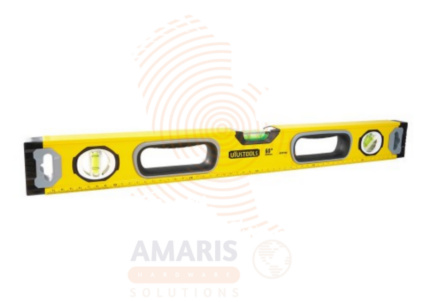
Box Beam Spirit Level Pro – Magnetic
A Box Beam Spirit Level Pro - Magnetic is a precision hand tool used for measuring the levelness and plumbness of surfaces. Its rigid box-shaped aluminum body provides durability and stability during use. The tool contains liquid-filled vials with air bubbles to indicate horizontal, vertical, and 45-degree angles. The magnetic base allows for secure attachment to metal surfaces, enabling hands-free operation. This level is essential in construction, carpentry, metalworking, and any tasks requiring accurate surface alignment.
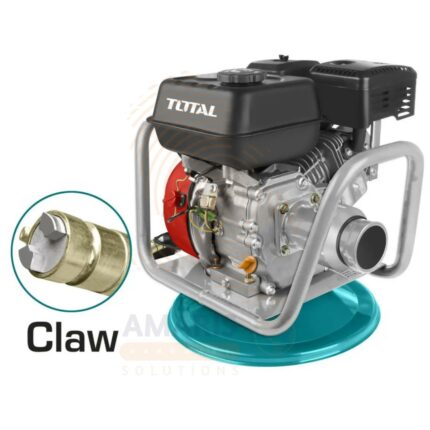
Gasoline Concrete Vibrator
A gasoline concrete vibrator is a construction tool powered by a gasoline engine and designed for consolidating and compacting freshly poured concrete. It typically consists of a vibrating head or poker attached to a flexible shaft, which is connected to the engine. The vibrator is inserted into the wet concrete to eliminate air bubbles, improve the overall strength and density of the concrete, and ensure a smooth and uniform finish. The gasoline engine provides the necessary power for the vibration, making the tool versatile and suitable for use in locations where electric power may not be readily available.

Plastering Trowel with Teeth
A plastering trowel with teeth, commonly known as a "notched trowel" or "toothed trowel," is a specialized hand tool used in construction and masonry for applying adhesive or mortar to surfaces, such as when installing tiles or laying flooring. It is characterized by a flat metal blade with evenly spaced teeth or notches along one or more edges. The teeth help create uniform ridges or grooves in the applied material, ensuring proper adhesion and facilitating an even distribution of the substance onto the substrate. This type of trowel is particularly useful for tasks that require consistent coverage and bonding, such as in the installation of tiles or other similar construction applications.
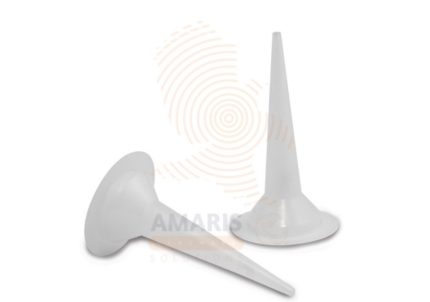
Plastic Nozzle for Aluminum Caulking Gun
A Plastic Nozzle for Aluminum Caulking Gun is a detachable dispensing tip or extension made of plastic that is designed to be attached to the end of an aluminum caulking gun. This nozzle serves as the outlet through which caulk or sealant is dispensed, allowing for precise application and control of the material. The plastic construction of the nozzle ensures compatibility with various types of caulks and sealants, and it is typically designed for easy cleaning and reuse. The combination of a plastic nozzle with an aluminum caulking gun provides a durable and versatile tool for applying sealants in construction, home improvement, or other similar applications.
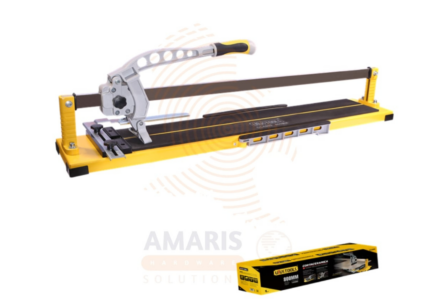
Professional Manual Tile Cutter
A professional manual tile cutter is a specialized tool designed for accurately and cleanly cutting ceramic or porcelain tiles during the installation process. It typically consists of a sturdy base, a scoring wheel or blade, and a handle. The user places the tile on the cutter, scores a line on the surface of the tile using the cutting wheel, and then applies pressure to break the tile along the scored line. Professional manual tile cutters are known for their precision, efficiency, and the ability to produce clean and straight cuts, making them essential for professional tile installers and DIY enthusiasts working on tiling projects.
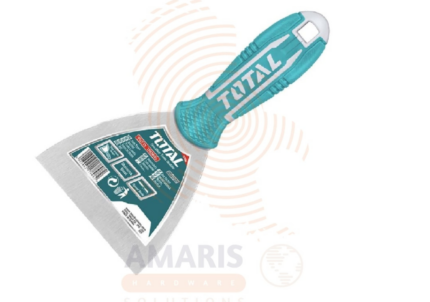
Putty Trowel-Stainless Steel
A Putty Trowel-Stainless Steel, specifically one made of stainless steel, is a handheld tool designed for applying and smoothing putty or plaster onto surfaces such as walls, ceilings, or other construction materials. The tool typically consists of a flat, narrow, and flexible stainless steel blade that allows for precise application and smoothing of putty or other similar materials. The stainless steel construction provides durability, resistance to corrosion, and easy cleaning, making it a preferred choice for professionals in the construction and finishing trades.

Tile Grout Float
A tile grout float is a tool used in the process of installing ceramic or stone tiles. It typically consists of a flat, rectangular or square-shaped rubber or foam pad attached to a handle. The purpose of a tile grout float is to apply and spread grout into the joints between tiles. The flat surface of the float helps ensure an even distribution of grout and allows for effective filling of spaces between tiles. After the grout is applied, excess grout can be wiped away with the edge of the float. Overall, a tile grout float is an essential tool for achieving a clean and professional finish when grouting tile installations.