
 Acrylic Sealants
 Construction Adhesives
 Double-Sided Tape
 Duct Tape
 Electrical Tape
 Epoxy & Resins
 Silicone Sealants
 Masking Tape
 Automotive Wrenches & Socket Sets
 Battery Chargers & Jump Starters
 Car Jacks & Stands
 Car Wash & Detailing Products
 Diagnostic Tools
 Tire Inflators
 Vehicle Lighting
 Oil & Lubricants
 Adhesives & Sealants
 Bricks & Blocks
 Cement & Concrete
 Drywall & Plaster
 Flooring (Tiles, Wood, Laminate)
 Lumber & Plywood
 Paints, Primers & Coatings
 Insulation Materials
 Roofing Materials
 Circuit Breakers
 Electrical Cables & Wires
 Switches & Sockets
 Fuses & Relays
 Connectors & Terminals
 Electrical Boxes & Panels
 Conduit & Fittings
 Lighting Fixtures & Bulbs
 Extension Cords & Power Strips
 Anchors
 Bolts
Bolts Clips & Clamps
 Screws
 Nuts
Nuts Washers
 Rivets
 Nails
Nails Threaded Rods
 Hammers
 Measuring Tools (Tapes, Levels, Calipers)
 Screwdrivers
 Pliers & Cutters
 Saws & Blades
 Chisels & Punches
 Allen Keys & Hex Keys
 Ratchets & Socket Sets
 Wrenches & Spanners
 Power Tool Accessories (Blades, Bits, Discs)
 Rotary Tools
 Saws (Circular, Jigsaw, Reciprocating)
 Drills & Drivers
 Grinders & Sanders
 Heat Guns
 Nail Guns
 Impact Wrenches
 Batteries & Chargers
 Pipes & Fittings (PVC, Copper, PEX)
 Plumbing Tools
 Pumps & Motors
 Sealants & Adhesives for Plumbing
 Valves & Taps
 Water Heaters
 Drainage Systems
 Faucets & Fixtures
 Hoses & Tubing
 Hinges & Latches
 Hooks & Brackets
 Window Hardware
 Chains & Cables
 Casters & Wheels
 Shelving & Storage Systems
 Door Handles & Locks
 Drawer Slides & Cabinet Hardware
 Personal Protective Equipment (PPE)
 Respirators & Masks
 Safety Glasses
 Safes
Safes Security Cameras
 Gloves
 Helmets
 Ear Protection
 Fire Safety Equipment
 Locks & Padlocks
 Motion Sensors & Alarms
 Garden Fencing
 Garden Furniture Hardware
 Lawn Mowers
 Trimmers & Edgers
 Shovels & Spades
 Rakes & Hoes
 Pruning Shears & Loppers
 Watering Systems (Hoses, Sprinklers, Nozzles)
 Interior Paints
 Paint Brushes & Rollers
 Paint Strippers & Thinners
 Paint Trays & Accessories
 Exterior Paints
 Spray Paints
 Primers & Undercoats
 Varnishes & Stains
 Gaskets & Seals
 Hydraulic Fittings
 Industrial Fasteners
 Industrial Hoses
 Lubricants & Greases
 Metal Sheets & Bars
 Bearings & Bushings
 Belts & Pulleys
 HVAC Filters
 Insulation for HVAC
 Air Conditioners
 Refrigerants
 Ventilation Ducts & Fittings
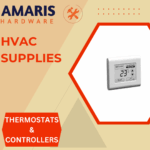 Thermostats & Controllers
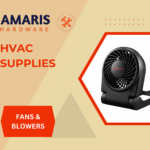 Fans & Blowers
 Pegboards & Hooks
 Shelving Units
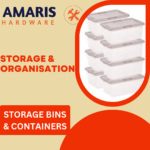 Storage Bins & Containers
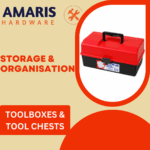 Toolboxes & Tool Chests
 Workbenches
 Drawer Organizers
 Labeling Supplies
 Welding Accessories (Clamps, Brushes)
 Welding Electrodes & Rods
 Welding Helmets & Gloves
 Welding Machines
 Soldering Irons & Stations
 Flux & Solder Wire
 Generator Accessories
 Inverters
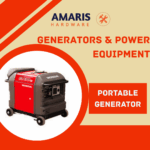 Portable Generators
 Power Inverters
 Transfer Switches
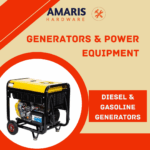 Diesel & Gasoline Generators
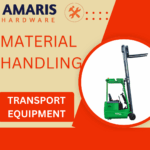 Transport Equipment: Carts, Dollies, and Hand Trucks
 Storage Solutions: Pallets, Racks, and Containers
 Lifting Equipment: Hoists, Cranes, and Jacks
 Conveyors & Accessories: Belts & Rollers
 Office Chairs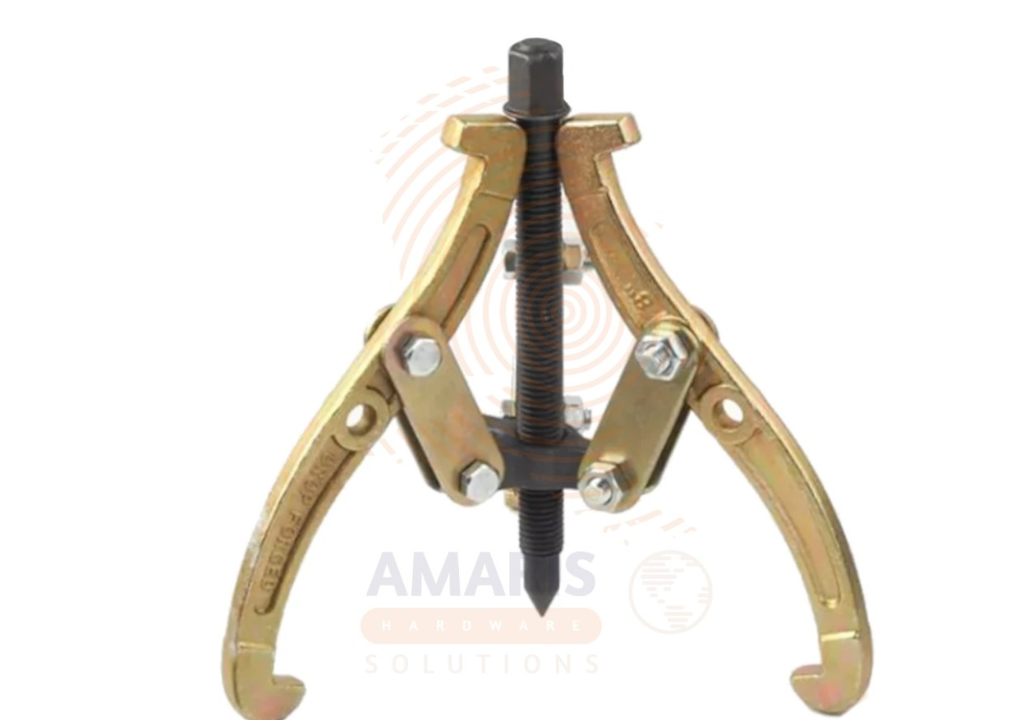


2 jaw bearing and gear puller
Original price was: $ 15.77.$ 14.98Current price is: $ 14.98.
A 2 jaw bearing and gear puller is a mechanical tool designed for the purpose of removing bearings, gears, or other tightly-fitted components from a shaft or axle. It typically consists of two jaws or arms that can be adjusted to grip onto the part to be removed. The jaws are connected to a central screw or spindle, which, when turned, applies force to the jaws, pulling the component off the shaft.
This type of puller is particularly useful in situations where a component is stuck or tightly fitted onto a shaft, making it difficult to remove by other means. The adjustable jaws allow for a secure grip on the part, and the mechanical advantage provided by the screw mechanism enables controlled and gradual force application for effective extraction.
In summary, a 2-jaw bearing and gear puller is a versatile tool used in mechanical applications to safely and efficiently remove tight-fitting components like bearings and gears from shafts or axles.
2 jaw bearing and gear puller
Uses
-
Bearing Removal:
-
-
One of the primary uses of a 2-jaw puller is to remove bearings from shafts. Bearings are often press-fitted onto shafts, and a puller is necessary to safely and efficiently extract them without causing damage.
-
-
-
Gear Extraction:
-
-
Gears can be tightly fitted onto shafts, especially in machinery and automotive applications. A 2-jaw puller is effective in gripping onto gears and pulling them off the shaft without causing damage to the gear or the shaft.
-
-
-
Pulley Removal:
-
-
Pulleys in engines, motors, or other systems may require removal for maintenance or replacement. A 2-jaw puller can be used to extract pulleys safely without damaging them or the underlying shaft.
-
-
-
Bushings and Sleeves:
-
-
When bushings or sleeves are press-fitted onto a shaft, a 2-jaw puller can be used to extract them. This is common in various mechanical assemblies.
-
-
-
Hub and Wheel Bearing Removal:
-
-
In automotive repair, a 2-jaw puller can be employed to remove hubs or wheel bearings that are tightly seated on axles.
-
-
-
Steering Components:
-
-
Components in the steering system, such as tie rod ends or ball joints, may be press-fitted. A 2-jaw puller is useful for safely removing these components without causing damage.
-
-
-
Mechanical Repairs:
-
-
In general mechanical repairs and maintenance, this type of puller is often used when dealing with components that need to be disassembled and replaced.
-
-
-
Machine Maintenance:
-
In industrial settings, the 2-jaw puller is valuable for maintenance tasks where press-fitted components need to be removed for inspection or replacement.
-
-
Custom Applications:
-
-
The versatility of a 2-jaw puller allows it to be adapted for various custom applications where the removal of tightly-fitted components is required.
-
Safety Precautions
-
Personal Protective Equipment (PPE):
-
Wear appropriate personal protective equipment, including safety glasses or goggles to protect your eyes from potential flying debris.
-
-
Inspect the Tool:
-
Before using the puller, inspect it for any damage, wear, or defects. Ensure that the jaws are in good condition and the screw mechanism operates smoothly.
-
-
Choose the Right Size:
-
Select a puller that is appropriate for the size of the component you are working on. Using the right size ensures proper engagement and reduces the risk of tool failure.
-
-
Follow the Manufacturer's Instructions:
-
Adhere to the manufacturer's guidelines and instructions for the specific 2-jaw puller you are using. This includes load capacity, recommended usage, and any specific safety precautions provided by the manufacturer.
-
-
Secure the Work Area:
-
Ensure that the work area is clean, well-lit, and organized. Remove any unnecessary tools or equipment to prevent tripping hazards.
-
-
Stabilize the Work piece:
-
Secure the work piece properly to prevent unexpected movement. If possible, use additional clamps or supports to stabilize the component being pulled.
-
-
Apply Even Force:
-
Apply force evenly when using the puller. Avoid excessive force that may lead to sudden component release or damage to the tool.
-
-
Use the Right Technique:
-
Follow the recommended technique for using the 2-jaw puller. Ensure that the jaws are properly aligned and centered on the component to avoid uneven pressure.
-
-
Inspect Components Before Pulling:
-
Check the condition of the components before attempting to pull them. Components under excessive stress or damage may fail unexpectedly, leading to potential hazards.
-
-
Proper Handle Positioning:
-
Position yourself in a way that allows you to have proper leverage and control over the tool. Use the handles of the puller in a manner that minimizes the risk of hand or arm injuries.
-
-
Avoid Using Excessive Force:
-
Do not use excessive force that goes beyond the tool's rated capacity. If excessive force is required, reassess the situation and consider alternative methods or seek professional advice.
-
-
Keep Hands Clear:
-
Keep your hands and other body parts clear of the moving parts of the puller to prevent injuries. Use caution when operating the tool to avoid pinching or crushing hazards.
-
-
Work in a Well-Ventilated Area:
-
If you are working with materials that produce fumes or dust, ensure that you are in a well-ventilated area or use appropriate respiratory protection.
-
Related products

C Clamp Locking Pliers
A C clamp locking pliers, often simply referred to as locking pliers or Vise-Grips (a popular brand name), is a versatile hand tool designed for gripping, clamping, and holding objects securely. The tool features an adjustable locking mechanism that allows it to maintain a constant grip force on the object, freeing the user's hands for other tasks. The jaws of the pliers are shaped like a C-clamp, providing a strong and secure grip on various shapes and sizes of objects. This makes C clamp locking pliers particularly useful in situations where a stable hold is required, such as in woodworking, metalworking, automotive repair, and general DIY applications.
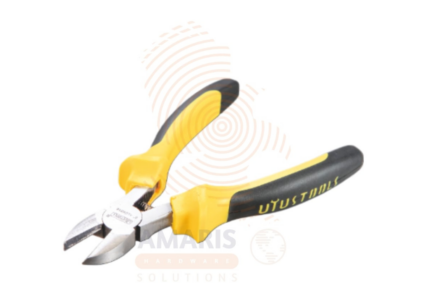
Diagonal Cutting Nippers
Diagonal cutting nippers, also known as diagonal pliers, side cutters, or wire cutters, are hand tools designed for cutting wires, cables, and small materials. The defining feature of these pliers is their sharp, angled cutting edges that allow for a clean and precise cut when snipping through various materials. The diagonal orientation of the cutting blades distinguishes them from other types of pliers, making them particularly useful for reaching into tight spaces and cutting close to a surface. These versatile tools are commonly used in electrical work, crafting, and general maintenance tasks where precision cutting is required.

Diagonal Cutting Pliers
Diagonal cutting pliers, also known as diagonal pliers, side cutters, or wire cutters, are hand tools designed for cutting wires, cables, and other materials. They feature sharp, angled cutting edges that form a diagonal line when the jaws are closed. This design allows the pliers to make clean and precise cuts close to the surface, making them particularly useful for trimming wires and removing excess material. Diagonal cutting pliers are commonly used in various applications, such as electrical work, crafting, and general household tasks where cutting, snipping, or trimming is required.
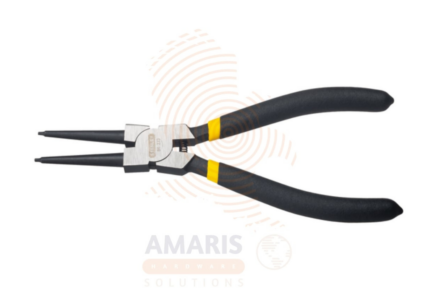
External Circlip Pliers Straight
External circlip pliers – straight, also known simply as external circlip pliers or snap ring pliers, are specialized hand tools designed for installing and removing external circlips or snap rings. Circlips are ring-shaped fasteners with open ends that fit into machined grooves on the outside of a shaft or bore. External circlip pliers are specifically designed to work with these types of retaining rings.
The "straight" designation indicates that the tips of the pliers are aligned in a straight line, as opposed to angled or curved tips. This straight configuration allows for easier access to circlips in certain applications.
These pliers typically have pointed or semi-circular jaws that fit into the holes or notches of the circlip, facilitating the compression or expansion of the ring for installation or removal. The handles are designed for comfortable grip and effective leverage.
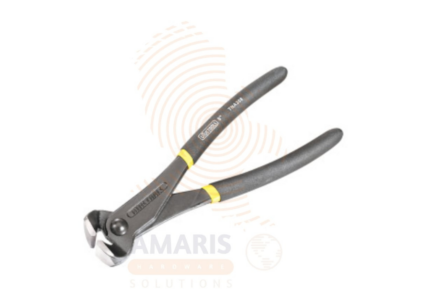
German Type End-Cutting Pliers
German type end-cutting pliers refer to a specific style of pliers that are designed for cutting and gripping tasks. These pliers typically exhibit the high-quality craftsmanship associated with German tool manufacturing. The defining features of German type end-cutting pliers include a sturdy construction, precise alignment of cutting edges, and ergonomic handles for comfortable use. The end-cutting jaws are specifically designed for cutting wires, nails, or other materials close to the surface. These pliers are known for their durability, precision, and effectiveness in various applications, making them a preferred choice for professionals and enthusiasts who demand reliable and efficient hand tools.

Hand Staple Gun
A hand staple gun is a handheld tool designed for fastening materials together using staples. It typically features a mechanism that, when triggered manually, drives a metal staple through the material and secures it in place. Hand staple guns are commonly used for various applications, such as attaching fabric to wooden frames, fastening paper or cardboard, and other tasks where a quick and efficient means of joining materials is required. They are versatile, portable, and come in different designs for specific purposes, making them a handy tool in various DIY projects, upholstery work, and construction tasks.

Insulated Combination Pliers
An insulated combination pliers is a type of hand tool designed for various gripping, cutting, and twisting tasks, featuring insulated handles to provide protection against electric shocks. These pliers typically have dual functionalities, combining elements of both lineman's pliers and long-nose pliers. The insulated handles are made of materials that offer electrical insulation, making them suitable for use in electrical and live-wire work to reduce the risk of electrical accidents. Insulated combination pliers are commonly used by electricians and other professionals working with live electrical circuits.

Insulated Heavy-Duty Diagonal Cutting Pliers
Insulated Heavy-Duty Diagonal Cutting Pliers refer to a specialized hand tool designed for cutting wires, cables, and other materials in electrical applications. The term "insulated" indicates that the tool is equipped with insulating materials on its handles, providing protection against electric shock. "Heavy-duty" implies that the pliers are robust and capable of handling tough cutting tasks, while "diagonal cutting" specifies the angled shape of the cutting edges, allowing for precise and efficient cutting in confined spaces. These pliers are commonly used by electricians and professionals working with electrical components to ensure safety and reliability in their tasks.