

 Acrylic Sealants
 Construction Adhesives
 Double-Sided Tape
 Duct Tape
 Electrical Tape
 Epoxy & Resins
 Silicone Sealants
 Masking Tape
 Automotive Wrenches & Socket Sets
 Battery Chargers & Jump Starters
 Car Jacks & Stands
 Car Wash & Detailing Products
 Diagnostic Tools
 Tire Inflators
 Vehicle Lighting
 Oil & Lubricants
 Adhesives & Sealants
 Bricks & Blocks
 Cement & Concrete
 Drywall & Plaster
 Flooring (Tiles, Wood, Laminate)
 Lumber & Plywood
 Paints, Primers & Coatings
 Insulation Materials
 Roofing Materials
 Circuit Breakers
 Electrical Cables & Wires
 Switches & Sockets
 Fuses & Relays
 Connectors & Terminals
 Electrical Boxes & Panels
 Conduit & Fittings
 Lighting Fixtures & Bulbs
 Extension Cords & Power Strips
 Anchors
 Bolts
Bolts Clips & Clamps
 Screws
 Nuts
Nuts Washers
 Rivets
 Nails
Nails Threaded Rods
 Hammers
 Measuring Tools (Tapes, Levels, Calipers)
 Screwdrivers
 Pliers & Cutters
 Saws & Blades
 Chisels & Punches
 Allen Keys & Hex Keys
 Ratchets & Socket Sets
 Wrenches & Spanners
 Power Tool Accessories (Blades, Bits, Discs)
 Rotary Tools
 Saws (Circular, Jigsaw, Reciprocating)
 Drills & Drivers
 Grinders & Sanders
 Heat Guns
 Nail Guns
 Impact Wrenches
 Batteries & Chargers
 Pipes & Fittings (PVC, Copper, PEX)
 Plumbing Tools
 Pumps & Motors
 Sealants & Adhesives for Plumbing
 Valves & Taps
 Water Heaters
 Drainage Systems
 Faucets & Fixtures
 Hoses & Tubing
 Hinges & Latches
 Hooks & Brackets
 Window Hardware
 Chains & Cables
 Casters & Wheels
 Shelving & Storage Systems
 Door Handles & Locks
 Drawer Slides & Cabinet Hardware
 Personal Protective Equipment (PPE)
 Respirators & Masks
 Safety Glasses
 Safes
Safes Security Cameras
 Gloves
 Helmets
 Ear Protection
 Fire Safety Equipment
 Locks & Padlocks
 Motion Sensors & Alarms
 Garden Fencing
 Garden Furniture Hardware
 Lawn Mowers
 Trimmers & Edgers
 Shovels & Spades
 Rakes & Hoes
 Pruning Shears & Loppers
 Watering Systems (Hoses, Sprinklers, Nozzles)
 Interior Paints
 Paint Brushes & Rollers
 Paint Strippers & Thinners
 Paint Trays & Accessories
 Exterior Paints
 Spray Paints
 Primers & Undercoats
 Varnishes & Stains
 Gaskets & Seals
 Hydraulic Fittings
 Industrial Fasteners
 Industrial Hoses
 Lubricants & Greases
 Metal Sheets & Bars
 Bearings & Bushings
 Belts & Pulleys
 HVAC Filters
 Insulation for HVAC
 Air Conditioners
 Refrigerants
 Ventilation Ducts & Fittings
 Thermostats & Controllers
 Fans & Blowers
 Pegboards & Hooks
 Shelving Units
 Storage Bins & Containers
 Toolboxes & Tool Chests
 Workbenches
 Drawer Organizers
 Labeling Supplies
 Welding Accessories (Clamps, Brushes)
 Welding Electrodes & Rods
 Welding Helmets & Gloves
 Welding Machines
 Soldering Irons & Stations
 Flux & Solder Wire
 Generator Accessories
 Inverters
 Portable Generators
 Power Inverters
 Transfer Switches
 Diesel & Gasoline Generators
 Transport Equipment: Carts, Dollies, and Hand Trucks
 Storage Solutions: Pallets, Racks, and Containers
 Lifting Equipment: Hoists, Cranes, and Jacks
 Conveyors & Accessories: Belts & Rollers
 Office Chairs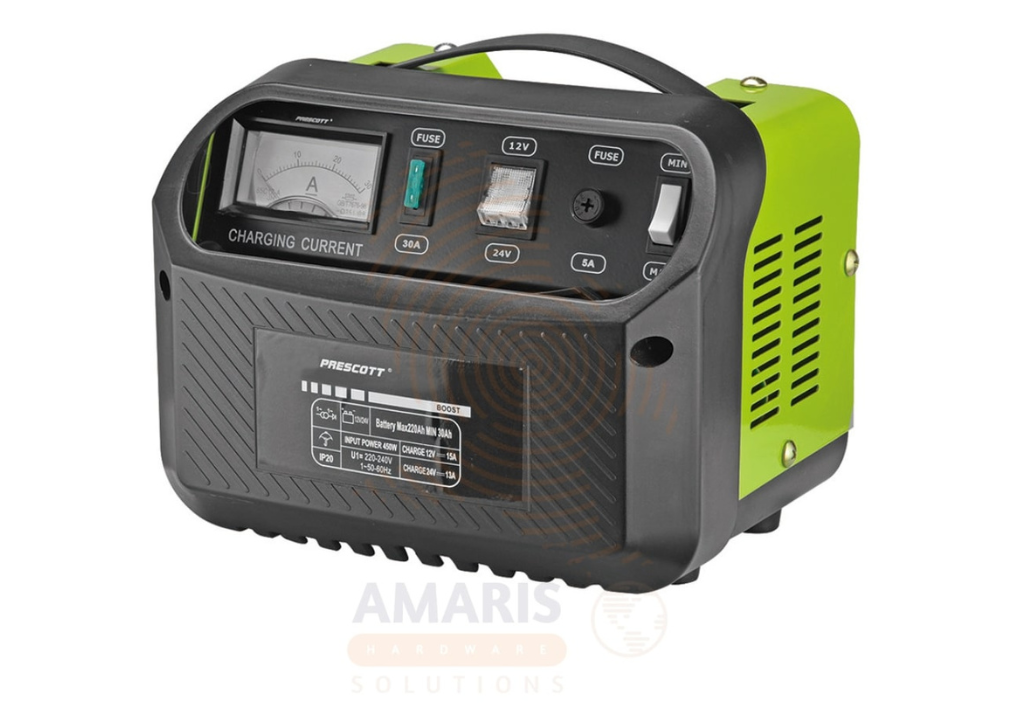


Battery Charger
Original price was: $ 95.77.$ 90.98Current price is: $ 90.98.
A battery charger is a device designed to supply electrical energy to rechargeable batteries, allowing them to regain their stored power. It typically involves converting electrical energy from a power source (such as an electrical outlet) into a suitable form for charging batteries. The charger provides the necessary voltage and current to the battery, facilitating the electrochemical reactions within the cells and restoring their capacity for use in various electronic devices. Battery chargers are widely used for rechargeable batteries in devices like smartphones, cameras, laptops, and other portable electronics.
Battery Charger
Uses
-
Consumer Electronics:
-
Charging smartphones, tablets, and laptops.
-
Charging cameras, camcorders, and other digital devices.
-
Charging portable gaming devices.
-
-
Automotive Applications:
-
Charging car batteries for internal combustion and electric vehicles.
-
Maintaining the charge of batteries in motorcycles, scooters, and other motorized vehicles.
-
-
Power Tools:
-
Charging batteries for cordless power tools such as drills, saws, and screwdrivers.
-
-
Emergency Power:
-
Charging backup power supplies and uninterruptible power supply (UPS) batteries for use during power outages.
-
-
Recreational Devices:
-
Charging batteries for drones and remote-controlled toys.
-
Charging batteries for camping equipment, such as lanterns and portable fans.
-
-
Marine Applications:
-
Charging batteries for boats and marine electronics.
-
-
Renewable Energy Systems:
-
Charging batteries in solar power systems and wind energy systems to store energy for later use.
-
-
Medical Devices:
-
Charging batteries for medical equipment, such as portable monitors and infusion pumps.
-
-
Industrial Applications:
-
Charging batteries for industrial equipment and machinery.
-
Maintaining the charge of backup batteries for critical systems.
-
-
Electric Mobility:
-
Charging batteries for electric bikes and scooters.
-
-
Gadgets and Wearables:
-
Charging batteries for various gadgets, fitness trackers, and smartwatches.
-
-
DIY and Hobbyist Projects:
-
Charging batteries for DIY electronics projects and hobbyist applications.
-
Safety Precautions
-
Read the User Manual:
· Familiarize yourself with the user manual provided by the manufacturer. It contains critical information about compatible battery types, charging procedures, indicator lights, and specific safety guidelines. -
Personal Protective Equipment (PPE):
· Wear safety glasses to protect your eyes from potential battery leakage or sparks. Consider wearing gloves when handling old or damaged batteries. -
Inspect the Charger and Battery:
· Before use, inspect the battery charger for any damage to the cord, plug, or casing. Examine batteries for cracks, leaks, corrosion, or swelling. Do not use damaged components. -
Use the Correct Charger for the Battery:
· Use only the charger designed for the specific battery chemistry (e.g., Li-ion, NiMH, Lead-Acid), voltage, and capacity. Using an incompatible charger can cause fire, explosion, or battery damage. -
Set Up in a Safe Location:
· Place the charger and battery on a stable, non-flammable, dry, and well-ventilated surface. Keep away from heat sources, flammable materials, moisture, and direct sunlight. -
Disconnect Power When Not in Use:
· Unplug the charger from the wall outlet when it is not actively charging batteries. This prevents potential electrical hazards and saves energy. -
Maintain a Clear and Dry Work Area:
· Keep your charging area clean, dry, and organized. Ensure the charger vents are not blocked to prevent overheating. -
Proper Connection Technique:
· Connect the battery to the charger securely, ensuring correct polarity (positive/+ to positive, negative/- to negative). Connect the charger to the power outlet last. -
Never Leave Charging Unattended for Extended Periods:
· Do not leave batteries charging unattended for long periods (e.g., overnight or while away from home) unless the charger is specifically designed for maintenance or float charging and you have followed manufacturer guidelines. -
Dispose of Waste Properly:
· Dispose of old, leaking, or damaged batteries at a designated recycling or hazardous waste facility. Do not dispose of in regular household trash. -
Keep Objects Away:
· Ensure metal objects like tools, keys, or jewelry do not come into contact with the battery terminals to prevent short circuits, which can cause fire or burns. -
Store the Tool Safely:
· After use, unplug the charger and store it in a cool, dry place away from children and pets. Store batteries separately in a non-conductive container, protected from short-circuiting.
Related products
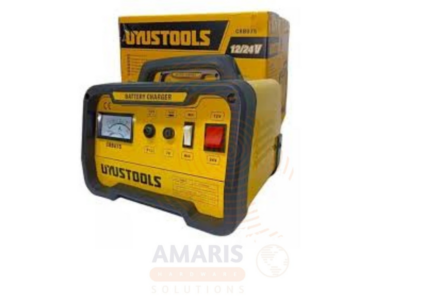
12 And 24V Battery Charger
A 12 And 24V Battery Charger is a device designed to replenish the energy in rechargeable batteries with voltage specifications of 12 volts or 24 volts. These chargers typically employ electrical currents to restore the energy levels of batteries, allowing them to be reused. The dual voltage capability indicates that the charger is versatile enough to accommodate both 12-volt and 24-volt battery systems, making it suitable for a variety of applications, such as automotive, marine, or industrial use. The charging process involves delivering a controlled flow of electrical power to the battery, ensuring a safe and efficient recharging cycle.

Battery Clamps Set
A Battery Clamps Set typically refers to a package or kit containing two battery clamps. Battery clamps are electrical connectors designed to attach to a vehicle's battery terminals, facilitating the connection of external devices such as chargers, jump starters, or other electrical components. These clamps usually have positive (+) and negative (-) markings to ensure proper polarity when connecting to the battery. The set may include two clamps of different colors or markings to distinguish between the positive and negative terminals, helping users make secure and correct connections.
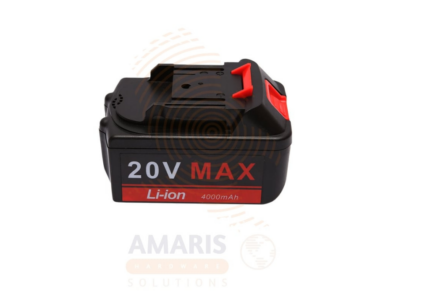
Big Battery Pro
A " Big Battery Pro" typically refers to a rechargeable lithium-ion battery with a nominal voltage of 20 volts. The nominal voltage represents the average voltage output over the majority of the battery's discharge cycle. It's important to note that the actual voltage during use may fluctuate within a specified range.
These batteries are commonly used to power various devices, including power tools, garden equipment, and other portable electronic devices. The "20V" designation is a standardized measure indicating the electrical potential of the battery, providing a general indication of its power output.
Keep in mind that when considering a 20V battery, it's essential to verify compatibility with the specific device or tool it is intended for. Additionally, different manufacturers may have variations in the actual voltage, capacity, and features of their 20V battery products. Checking the product documentation or contacting the manufacturer for detailed specifications is recommended for accurate information.

Fast Charger
A fast charger is a device designed to quickly recharge compatible batteries with a voltage rating of 20 volts. The "fast" designation implies that the charger is engineered to deliver a higher charging current, allowing for a more rapid replenishment of the battery's energy capacity compared to standard chargers. This type of charger is commonly used for power tools, electronic devices, or other equipment that operates on 20V batteries, providing users with a more efficient and time-saving charging solution.