

 Acrylic Sealants
 Construction Adhesives
 Double-Sided Tape
 Duct Tape
 Electrical Tape
 Epoxy & Resins
 Silicone Sealants
 Masking Tape
 Automotive Wrenches & Socket Sets
 Battery Chargers & Jump Starters
 Car Jacks & Stands
 Car Wash & Detailing Products
 Diagnostic Tools
 Tire Inflators
 Vehicle Lighting
 Oil & Lubricants
 Adhesives & Sealants
 Bricks & Blocks
 Cement & Concrete
 Drywall & Plaster
 Flooring (Tiles, Wood, Laminate)
 Lumber & Plywood
 Paints, Primers & Coatings
 Insulation Materials
 Roofing Materials
 Circuit Breakers
 Electrical Cables & Wires
 Switches & Sockets
 Fuses & Relays
 Connectors & Terminals
 Electrical Boxes & Panels
 Conduit & Fittings
 Lighting Fixtures & Bulbs
 Extension Cords & Power Strips
 Anchors
 Bolts
Bolts Clips & Clamps
 Screws
 Nuts
Nuts Washers
 Rivets
 Nails
Nails Threaded Rods
 Hammers
 Measuring Tools (Tapes, Levels, Calipers)
 Screwdrivers
 Pliers & Cutters
 Saws & Blades
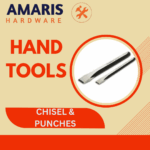 Chisels & Punches
 Allen Keys & Hex Keys
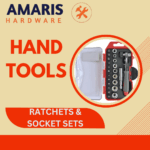 Ratchets & Socket Sets
 Wrenches & Spanners
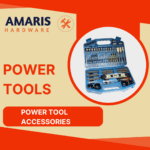 Power Tool Accessories (Blades, Bits, Discs)
 Rotary Tools
 Saws (Circular, Jigsaw, Reciprocating)
 Drills & Drivers
 Grinders & Sanders
 Heat Guns
 Nail Guns
 Impact Wrenches
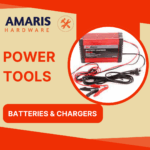 Batteries & Chargers
 Pipes & Fittings (PVC, Copper, PEX)
 Plumbing Tools
 Pumps & Motors
 Sealants & Adhesives for Plumbing
 Valves & Taps
 Water Heaters
 Drainage Systems
 Faucets & Fixtures
 Hoses & Tubing
 Hinges & Latches
 Hooks & Brackets
 Window Hardware
 Chains & Cables
 Casters & Wheels
 Shelving & Storage Systems
 Door Handles & Locks
 Drawer Slides & Cabinet Hardware
 Personal Protective Equipment (PPE)
 Respirators & Masks
 Safety Glasses
 Safes
Safes Security Cameras
 Gloves
 Helmets
 Ear Protection
 Fire Safety Equipment
 Locks & Padlocks
 Motion Sensors & Alarms
 Garden Fencing
 Garden Furniture Hardware
 Lawn Mowers
 Trimmers & Edgers
 Shovels & Spades
 Rakes & Hoes
 Pruning Shears & Loppers
 Watering Systems (Hoses, Sprinklers, Nozzles)
 Interior Paints
 Paint Brushes & Rollers
 Paint Strippers & Thinners
 Paint Trays & Accessories
 Exterior Paints
 Spray Paints
 Primers & Undercoats
 Varnishes & Stains
 Gaskets & Seals
 Hydraulic Fittings
 Industrial Fasteners
 Industrial Hoses
 Lubricants & Greases
 Metal Sheets & Bars
 Bearings & Bushings
 Belts & Pulleys
 HVAC Filters
 Insulation for HVAC
 Air Conditioners
 Refrigerants
 Ventilation Ducts & Fittings
 Thermostats & Controllers
 Fans & Blowers
 Pegboards & Hooks
 Shelving Units
 Storage Bins & Containers
 Toolboxes & Tool Chests
 Workbenches
 Drawer Organizers
 Labeling Supplies
 Welding Accessories (Clamps, Brushes)
 Welding Electrodes & Rods
 Welding Helmets & Gloves
 Welding Machines
 Soldering Irons & Stations
 Flux & Solder Wire
 Generator Accessories
 Inverters
 Portable Generators
 Power Inverters
 Transfer Switches
 Diesel & Gasoline Generators
 Transport Equipment: Carts, Dollies, and Hand Trucks
 Storage Solutions: Pallets, Racks, and Containers
 Lifting Equipment: Hoists, Cranes, and Jacks
 Conveyors & Accessories: Belts & Rollers
 Office Chairs


Circuit Tester
Original price was: $ 12.46.$ 11.84Current price is: $ 11.84.
A circuit tester is a device used to determine the presence or absence of an electrical current in a circuit. It is designed to verify whether electricity can flow through a specific point in the circuit and helps identify issues such as open circuits, short circuits, or faulty components. Typically, a circuit tester consists of a probe or a set of probes that are applied to different points in the circuit, providing visual or audible indications of the electrical status. This tool is widely used by electricians, technicians, and DIY enthusiasts to troubleshoot electrical systems and ensure proper functionality.
Circuit Tester
Uses
-
Open Circuit Identification: Circuit testers can determine if there is an open circuit, where the electrical current is interrupted or not flowing through the circuit as intended. This is useful for identifying breaks in wires or connections.
-
Short Circuit Detection: Short circuits occur when there is an unintended connection between different points in a circuit. Circuit testers can help locate and identify short circuits, which can be crucial for preventing electrical fires or damage to components.
-
Voltage Verification: Circuit testers can be used to verify the presence of voltage in a circuit. This is essential for ensuring that power is reaching the intended components or devices.
-
Continuity Testing: These testers are often used to check the continuity of a circuit, ensuring that there is a complete path for the electrical current. This is important for verifying the integrity of wires, switches, and other components.
-
Ground Fault Detection: Circuit testers can help identify ground faults, where the electrical current unintentionally flows to the ground. Ground faults can be hazardous, and a circuit tester can be used to locate and address these issues.
-
Outlet and Socket Testing: In residential and commercial settings, circuit testers are used to check the functionality of electrical outlets and sockets. This includes verifying proper wiring, grounding, and polarity.
-
Automotive Electrical Troubleshooting: Circuit testers are widely used in automotive diagnostics to identify and resolve electrical issues in vehicles. They can help pinpoint faults in wiring, fuses, and other components.
-
Appliance Repair: When appliances malfunction, circuit testers are employed to identify electrical problems within the appliances. This includes checking power cords, switches, and internal wiring.
-
Safety Checks: Circuit testers are essential for safety inspections, ensuring that electrical systems meet safety standards and regulations. They help identify potential hazards and prevent electrical accidents.
-
DIY Electrical Projects: Circuit testers are valuable tools for individuals undertaking do-it-yourself (DIY) electrical projects. They provide a means to verify the correctness and safety of electrical work.
Safety Precautions
-
Inspect the Circuit Tester:
-
Before use, inspect the circuit tester for any signs of damage or wear. Ensure that the probe, leads, and housing are in good condition.
-
-
Wear Personal Protective Equipment (PPE):
-
Always wear appropriate personal protective equipment, such as insulated gloves and safety goggles, to protect yourself from potential electrical shocks.
-
-
Turn Off Power:
-
Before testing a circuit, make sure to turn off the power to the circuit you are working on. This can be done by switching off the corresponding circuit breaker or disconnecting the power source.
-
-
Verify the Circuit Tester:
-
Confirm that the circuit tester is functioning correctly by testing it on a known live circuit. This helps ensure that the tester is reliable and provides accurate readings.
-
-
Use the Right Tool for the Job:
-
Select the appropriate type of circuit tester for the specific task. There are different types of circuit testers for various applications, including voltage testers, continuity testers, and others.
-
-
Avoid Contact with Conductive Surfaces:
-
Ensure that you and the circuit tester do not come into contact with conductive surfaces while testing. This reduces the risk of creating unintended electrical paths.
-
-
Keep Hands Dry:
-
Dry your hands thoroughly before using a circuit tester. Moisture can increase the risk of electric shock.
-
-
Isolate the Circuit:
-
Whenever possible, isolate the circuit you are testing to prevent interference from other live circuits. This minimizes the risk of misinterpretation of readings.
-
-
Follow Proper Procedures:
-
Adhere to the manufacturer's instructions and recommended procedures for using the circuit tester. This includes proper connection of probes, correct usage, and interpretation of readings.
-
-
Work in Well-Lit Areas:
-
Ensure that you have sufficient lighting when working with a circuit tester. This helps you see clearly and avoid mistakes that could lead to accidents.
-
-
Avoid Overloading the Circuit Tester:
-
Do not exceed the maximum voltage or current ratings of the circuit tester. This can damage the tool and pose safety risks.
-
-
Use Insulated Tools:
-
If you need to manipulate components within the circuit, use insulated tools to prevent accidental contact with live parts.
-
-
Communicate with Others:
-
If you are working as part of a team, communicate your actions and intentions to others to avoid misunderstandings and coordinate for safety.
-
Related products
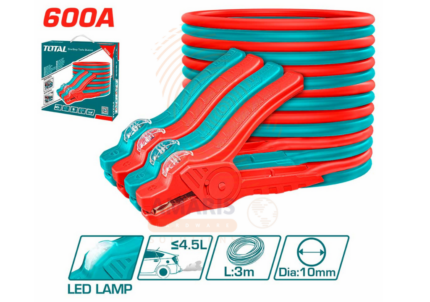
Booster Cable with Lamp
A Booster Cable with Lamp is a heavy-duty electrical cable set used to jump-start vehicles by connecting the battery of a functioning vehicle to a discharged battery. This cable set includes integrated lamps—usually LED indicators or flashlight attachments—that provide visibility and signal proper connection during use, especially in low-light conditions. The cables typically feature robust clamps for secure battery terminal attachment and insulated wires to handle high current flow safely. This tool is essential for roadside emergencies, automotive workshops, and vehicle maintenance.

Chalk Line Reel Set
A Chalk Line Reel Set typically refers to a package or kit that includes two chalk line reels. A chalk line reel is a tool used in construction and carpentry for marking straight and level lines on surfaces such as walls, floors, and ceilings. The set usually includes two individual chalk line reels, each consisting of a housing containing a length of string or cord coated with chalk powder.
The process involves stretching the string between two points, snapping it against the surface to leave a straight chalk line, which serves as a guide for various construction or layout tasks. Having two chalk line reels in a set can be convenient for projects that require multiple reference lines or for situations where two people are working simultaneously. This set often includes chalk powder or chalk cartridges that can be loaded into the reels for marking the lines.

Coil Spring Compressor
A coil spring compressor is a tool designed to safely compress and temporarily shrink coil springs for various automotive and mechanical applications. It consists of two threaded rods with hooks or clamps on each end and a central mechanism for tightening or compressing the springs. This tool is commonly used when working on suspension systems, such as replacing shock absorbers, struts, or other components that require the removal or installation of coil springs. The compressor allows users to safely compress the spring, reducing tension and facilitating the disassembly or assembly of related parts. Proper usage of a coil spring compressor is essential to prevent accidents and injuries during automotive maintenance or repair tasks.

Combination Square
A combination square is a versatile measuring tool used in woodworking, metalworking, and other precision tasks. It typically consists of a ruler with a sliding adjustable square head that can be locked at different angles along the length of the ruler. The square head can be used as a 90-degree square for checking or marking right angles, or it can be positioned at other angles to measure and mark various angles accurately. The ruler often has markings in both imperial and metric units, providing flexibility for different measurement systems. Additionally, combination squares may have a level bubble for ensuring horizontal or vertical alignment.

Digital Multi-Purpose Clamp Meters
A Digital Multi-Purpose Clamp Meters is a versatile electronic measuring instrument designed to measure electrical current by clamping around a conductor, typically without the need to disconnect the circuit. It combines the functionalities of a digital multi meter with the convenience of a clamp to accurately measure AC and DC currents, voltage, resistance, capacitance, frequency, and other electrical parameters in various applications. The clamp feature allows for non-invasive current measurements, making it suitable for both professionals and hobbyists in fields such as electrical maintenance, troubleshooting, and testing.

Flat Hand Steel File
A Flat Hand Steel File is a type of hand tool used in metalworking and woodworking to remove material from a workpiece by abrasion. It consists of a flat, elongated piece of metal with parallel rows of teeth or ridges, called the file's "cut," which are designed to cut or shape a material when rubbed against it. Flat hand files are typically rectangular in shape and come in various sizes and coarseness grades, allowing for different levels of material removal and finishing. These files are commonly used for smoothing, shaping, and leveling surfaces in a variety of applications, providing a versatile means of material removal in manual craftsmanship.
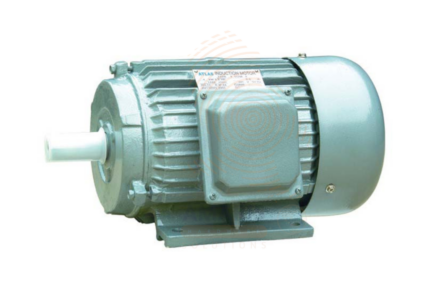
Motor
A Motor is an electromechanical device that converts electrical energy into mechanical motion, commonly used to power machines, tools, pumps, fans, and other mechanical systems. Motors come in various types, including AC motors, DC motors, single-phase, and three-phase variants, each designed to match specific application requirements. They vary in size, torque, speed, and efficiency depending on the use case—from small appliances to industrial machinery. Electric motors are essential components in automation, manufacturing, HVAC systems, agricultural equipment, and countless mechanical operations where consistent, reliable power is required for movement or rotation. Their energy efficiency, long lifespan, and ease of integration make them a cornerstone of mechanical design.
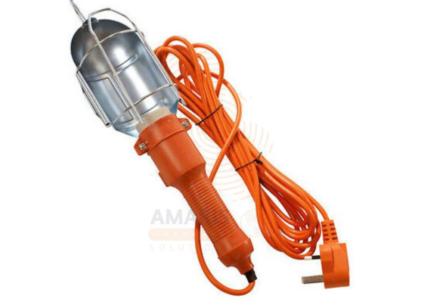
Working Lamp
A working lamp can be defined as an electrical device designed to produce light by the activation of an internal light source, typically a bulb or LED, through the application of electrical power. A functional lamp should be capable of providing illumination when connected to a power source, fulfilling its primary purpose of lighting a specific area or space. Additionally, a working lamp should incorporate necessary safety features, such as proper insulation and secure electrical connections, to ensure safe operation during use.