

 Acrylic Sealants
 Construction Adhesives
 Double-Sided Tape
 Duct Tape
 Electrical Tape
 Epoxy & Resins
 Silicone Sealants
 Masking Tape
 Automotive Wrenches & Socket Sets
 Battery Chargers & Jump Starters
 Car Jacks & Stands
 Car Wash & Detailing Products
 Diagnostic Tools
 Tire Inflators
 Vehicle Lighting
 Oil & Lubricants
 Adhesives & Sealants
 Bricks & Blocks
 Cement & Concrete
 Drywall & Plaster
 Flooring (Tiles, Wood, Laminate)
 Lumber & Plywood
 Paints, Primers & Coatings
 Insulation Materials
 Roofing Materials
 Circuit Breakers
 Electrical Cables & Wires
 Switches & Sockets
 Fuses & Relays
 Connectors & Terminals
 Electrical Boxes & Panels
 Conduit & Fittings
 Lighting Fixtures & Bulbs
 Extension Cords & Power Strips
 Anchors
 Bolts
Bolts Clips & Clamps
 Screws
 Nuts
Nuts Washers
 Rivets
 Nails
Nails Threaded Rods
 Hammers
 Measuring Tools (Tapes, Levels, Calipers)
 Screwdrivers
 Pliers & Cutters
 Saws & Blades
 Chisels & Punches
 Allen Keys & Hex Keys
 Ratchets & Socket Sets
 Wrenches & Spanners
 Power Tool Accessories (Blades, Bits, Discs)
 Rotary Tools
 Saws (Circular, Jigsaw, Reciprocating)
 Drills & Drivers
 Grinders & Sanders
 Heat Guns
 Nail Guns
 Impact Wrenches
 Batteries & Chargers
 Pipes & Fittings (PVC, Copper, PEX)
 Plumbing Tools
 Pumps & Motors
 Sealants & Adhesives for Plumbing
 Valves & Taps
 Water Heaters
 Drainage Systems
 Faucets & Fixtures
 Hoses & Tubing
 Hinges & Latches
 Hooks & Brackets
 Window Hardware
 Chains & Cables
 Casters & Wheels
 Shelving & Storage Systems
 Door Handles & Locks
 Drawer Slides & Cabinet Hardware
 Personal Protective Equipment (PPE)
 Respirators & Masks
 Safety Glasses
 Safes
Safes Security Cameras
 Gloves
 Helmets
 Ear Protection
 Fire Safety Equipment
 Locks & Padlocks
 Motion Sensors & Alarms
 Garden Fencing
 Garden Furniture Hardware
 Lawn Mowers
 Trimmers & Edgers
 Shovels & Spades
 Rakes & Hoes
 Pruning Shears & Loppers
 Watering Systems (Hoses, Sprinklers, Nozzles)
 Interior Paints
 Paint Brushes & Rollers
 Paint Strippers & Thinners
 Paint Trays & Accessories
 Exterior Paints
 Spray Paints
 Primers & Undercoats
 Varnishes & Stains
 Gaskets & Seals
 Hydraulic Fittings
 Industrial Fasteners
 Industrial Hoses
 Lubricants & Greases
 Metal Sheets & Bars
 Bearings & Bushings
 Belts & Pulleys
 HVAC Filters
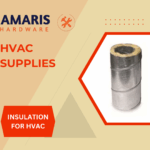 Insulation for HVAC
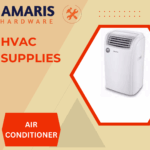 Air Conditioners
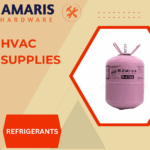 Refrigerants
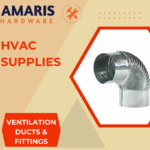 Ventilation Ducts & Fittings
 Thermostats & Controllers
 Fans & Blowers
 Pegboards & Hooks
 Shelving Units
 Storage Bins & Containers
 Toolboxes & Tool Chests
 Workbenches
 Drawer Organizers
 Labeling Supplies
 Welding Accessories (Clamps, Brushes)
 Welding Electrodes & Rods
 Welding Helmets & Gloves
 Welding Machines
 Soldering Irons & Stations
 Flux & Solder Wire
 Generator Accessories
 Inverters
 Portable Generators
 Power Inverters
 Transfer Switches
 Diesel & Gasoline Generators
 Transport Equipment: Carts, Dollies, and Hand Trucks
 Storage Solutions: Pallets, Racks, and Containers
 Lifting Equipment: Hoists, Cranes, and Jacks
 Conveyors & Accessories: Belts & Rollers
 Office Chairs
-5%


Diesel Genset(silent)
Original price was: $ 1,203.85.$ 1,143.66Current price is: $ 1,143.66.

Wood Carving Disc
Original price was: $ 14.77.$ 14.03Current price is: $ 14.03.
Diesel Generator(silent)
Original price was: $ 1,203.85.$ 1,143.66Current price is: $ 1,143.66.
WhatsApp Order
A Diesel Generator(silent), also known as a soundproof diesel genset, is a power generation unit designed to operate with minimal noise emissions. It incorporates acoustic insulation, vibration dampeners, and low-noise exhaust systems within a specially built enclosure or canopy. These generators deliver all the benefits of a traditional diesel generator—efficient power supply, durability, and reliability—while adhering to noise regulations, making them ideal for urban, residential, hospital, commercial, and noise-sensitive environments. Silent generators come in a range of power outputs and can be used for standby, prime, or continuous power applications.
Description
Diesel Generator(silent)
Uses
-
Residential Backup Power
-
Provides quiet, uninterrupted power during outages.
-
Powers lights, refrigerators, air conditioning, and other essential household systems.
-
-
Hospitals and Healthcare Facilities
-
Supplies emergency backup power for life-saving medical equipment.
-
Complies with noise control requirements for sensitive environments.
-
-
Offices and Commercial Buildings
-
Maintains business operations during power failures without disrupting the work environment.
-
Supports computers, security systems, elevators, and HVAC units.
-
-
Hotels and Hospitality Venues
-
Ensures continuous guest comfort by powering lighting, water pumps, and kitchen appliances.
-
Operates quietly to avoid disturbing guests or events.
-
-
Schools and Educational Institutions
-
Powers classrooms, labs, and administrative systems during grid failures.
-
Minimizes noise disruption during lectures and activities.
-
-
Telecommunication Towers & Data Centers
-
Keeps critical systems running to maintain network connectivity and data processing.
-
Prevents signal loss in remote or urban communication hubs.
-
-
Events and Outdoor Functions
-
Supplies silent power to concerts, weddings, and exhibitions.
-
Reduces noise pollution in temporary or public setups.
-
-
Construction Sites in Urban Areas
-
Powers equipment and tools while minimizing disturbance in residential or commercial neighborhoods.
-
Useful for night operations or restricted-noise zones.
-
-
Retail Stores and Supermarkets
-
Prevents product loss by maintaining refrigeration and lighting during outages.
-
Supports POS systems and security.
-
-
Government Buildings and Emergency Facilities
-
Keeps critical systems operational during emergencies.
-
Offers discreet operation during official or sensitive functions.
SAFETY HANDLING PRECAUTIONS
Safety Precautions
-
Wear Protective Gear
-
Use ear protection even with reduced noise levels, especially during servicing.
-
Wear gloves and steel-toe boots when handling the unit.
-
Use safety goggles to protect eyes during maintenance or fueling.
-
-
Proper Installation
-
Install on a level, stable surface in a well-ventilated outdoor area or generator room.
-
Ensure the enclosure’s air intakes and exhausts are unobstructed.
-
-
Ventilation and Exhaust Safety
-
Despite being enclosed, adequate airflow must be maintained to prevent overheating.
-
Ensure exhaust fumes are directed away from people and buildings to avoid carbon monoxide exposure.
-
-
Electrical Safety
-
Always use a properly rated automatic transfer switch (ATS) or manual switchgear.
-
Ensure proper grounding and bonding of the generator system.
-
Avoid contact with wet surfaces or operating in rain without a weatherproof cover.
-
-
Fuel Handling and Storage
-
Store diesel in certified containers, away from ignition sources.
-
Refuel only when the generator is turned off and has cooled down.
-
Avoid spills and wipe immediately if they occur.
-
-
Routine Inspection and Maintenance
-
Check for oil, fuel, or coolant leaks regularly.
-
Ensure the battery is charged and terminals are clean.
-
Monitor soundproof materials for wear or damage that could affect noise levels.
-
-
Noise Regulation Compliance
-
Ensure the generator complies with local noise regulations for silent operation.
-
Regularly inspect the acoustic enclosure for insulation integrity.
-
-
Load Management
-
Avoid overloading by knowing the generator’s rated capacity.
-
Use proper circuit protection and monitoring systems.
-
-
Emergency Preparedness
-
Know how to shut down the generator quickly in an emergency.
-
Keep a fire extinguisher nearby and train personnel on its use.
-
Familiarize all operators with emergency stop features and first aid locations.
-
-
Read the Manual & Training
-
Follow all operational and maintenance instructions provided by the manufacturer.
-
Ensure only trained personnel operate or service the generator.
Related products
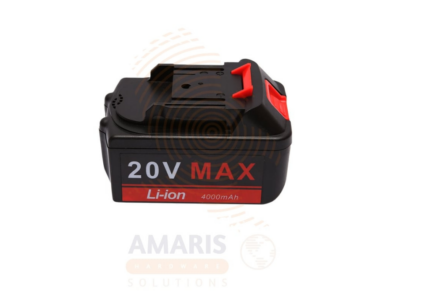
Big Battery Pro
A " Big Battery Pro" typically refers to a rechargeable lithium-ion battery with a nominal voltage of 20 volts. The nominal voltage represents the average voltage output over the majority of the battery's discharge cycle. It's important to note that the actual voltage during use may fluctuate within a specified range.
These batteries are commonly used to power various devices, including power tools, garden equipment, and other portable electronic devices. The "20V" designation is a standardized measure indicating the electrical potential of the battery, providing a general indication of its power output.
Keep in mind that when considering a 20V battery, it's essential to verify compatibility with the specific device or tool it is intended for. Additionally, different manufacturers may have variations in the actual voltage, capacity, and features of their 20V battery products. Checking the product documentation or contacting the manufacturer for detailed specifications is recommended for accurate information.
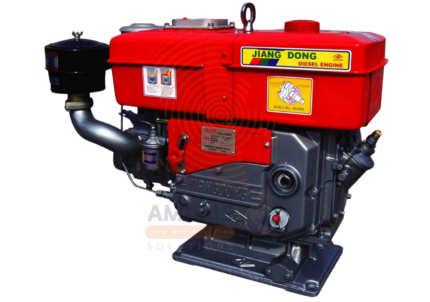
Diesel Engine
A diesel engine is a type of internal combustion engine that operates by compressing air to a high temperature and then injecting diesel fuel into the combustion chamber, where it ignites spontaneously. Known for its fuel efficiency, durability, and high torque output, diesel engines are widely used in automotive, industrial, agricultural, and construction applications. These engines can range from small single-cylinder types to large multi-cylinder units used in heavy-duty machinery and generators. Unlike gasoline engines, diesel engines do not require spark plugs, making them more robust and suitable for continuous and heavy workloads in demanding environments.
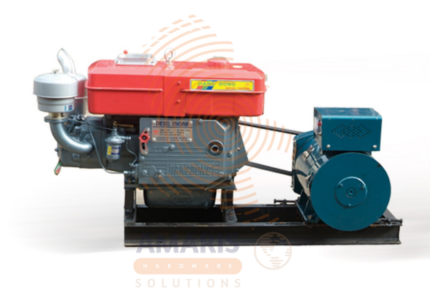
Diesel Generator Set
A diesel generator set (or diesel genset) is a complete power generation system that combines a diesel engine with an alternator to produce electricity. It is typically mounted on a steel frame with vibration isolators, fuel tank, control panel, and other accessories required for safe and efficient operation. Diesel generator sets are known for their fuel efficiency, long runtime, durability, and ability to handle heavy electrical loads, making them ideal for standby, prime, or continuous power supply. They are widely used across industrial, commercial, residential, agricultural, and emergency applications, and can range from small portable units to large-scale industrial powerhouses.
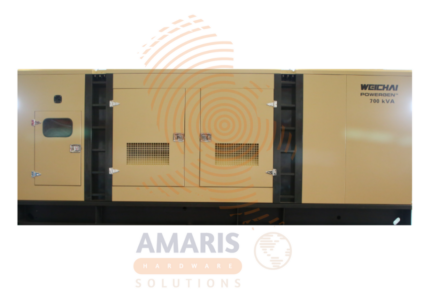
Diesel Genset(silent)
A Diesel Genset(silent) is a compact, enclosed power unit that combines a diesel engine and an alternator to produce electricity with significantly reduced noise levels. Designed with soundproof acoustic enclosures, vibration isolators, and mufflers, silent gensets are ideal for residential, commercial, and institutional applications where low noise pollution is critical. These units are used for standby, prime, or continuous power needs, offering fuel efficiency, reliability, and durability even in demanding environments. They are available in a range of power outputs and are engineered to meet stringent environmental and sound emission regulations.
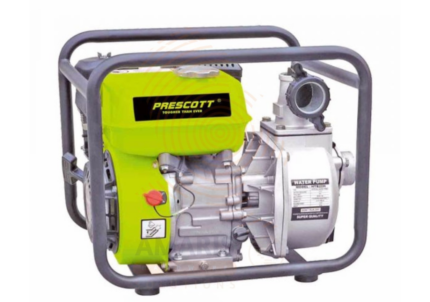
Gasoline Water Pump
A Gasoline Water Pump with a 7.0 HP (horsepower) 208 CC (cubic centimeters) engine is a mechanical device designed to transfer water by utilizing a gasoline-powered internal combustion engine. The 7.0 HP rating indicates the power of the engine, while the 208 CC represents the engine displacement, reflecting the size and potential performance of the engine.
This type of water pump is commonly used for various applications, such as draining flooded areas, transferring water between locations, and providing water for irrigation. It typically features suction and discharge ports for connecting hoses or pipes, a fuel tank for gasoline storage, and a start mechanism, which can be either electric or manual.
Key considerations for such a pump include its flow rate (measured in gallons or liters per minute), the size of suction and discharge ports, fuel capacity for runtime, and maintenance requirements. These pumps are valued for their versatility and portability, making them suitable for a range of tasks in agricultural, construction, and emergency situations.
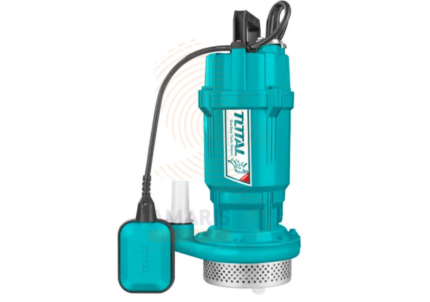
Sewage submersible pump
A sewage submersible pump is a specialized type of pump designed for the efficient and reliable transfer of wastewater, sewage, or other contaminated fluids from one location to another. Unlike traditional pumps that are installed above ground, sewage submersible pumps are designed to be submerged in the fluid they are pumping. This submersible design allows the pump to operate efficiently in challenging environments, such as sewage systems, septic tanks, or other applications where the fluid may contain solids or debris.
These pumps are typically sealed to prevent water or sewage from entering the motor and other internal components. They often feature robust construction and materials to withstand the corrosive and abrasive nature of sewage. Sewage submersible pumps play a crucial role in wastewater management, helping to transport sewage from homes, businesses, and industrial facilities to treatment plants or disposal sites.
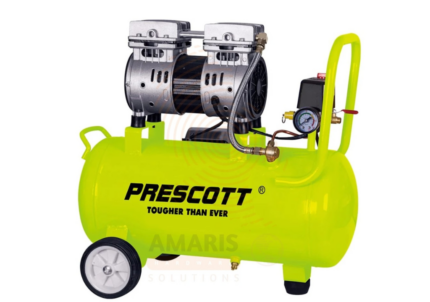
Silent Air Compressor
A silent air compressor is a device that generates compressed air with minimal noise emission during operation. Unlike traditional air compressors that can produce significant noise levels, silent air compressors are designed with sound reduction features to create a quieter working environment. These compressors are often employed in settings where low noise levels are crucial, such as in workshops, laboratories, or residential areas, allowing for more comfortable and less disruptive use.
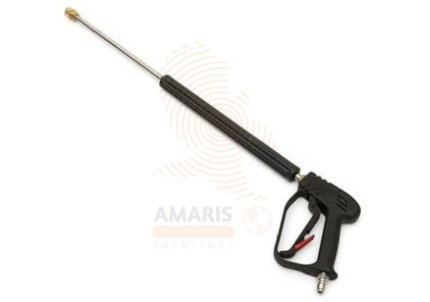
Spray Gun Lance
A spray gun lance is a component of a spraying system, typically used in applications such as agriculture, gardening, automotive refinishing, or industrial coatings. It is a long, slender extension attached to a spray gun, allowing the user to apply liquids, such as paint, pesticides, or cleaning solutions, from a distance. The spray gun lance directs the flow of the liquid and provides control over the application process, enabling precise and targeted spraying. It is a versatile tool used in various industries for efficient and uniform coating or treatment of surfaces.