
 Acrylic Sealants
 Construction Adhesives
 Double-Sided Tape
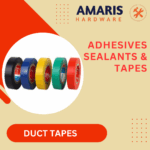 Duct Tape
 Electrical Tape
 Epoxy & Resins
 Silicone Sealants
 Masking Tape
 Automotive Wrenches & Socket Sets
 Battery Chargers & Jump Starters
 Car Jacks & Stands
 Car Wash & Detailing Products
 Diagnostic Tools
 Tire Inflators
 Vehicle Lighting
 Oil & Lubricants
 Adhesives & Sealants
 Bricks & Blocks
 Cement & Concrete
 Drywall & Plaster
 Flooring (Tiles, Wood, Laminate)
 Lumber & Plywood
 Paints, Primers & Coatings
 Insulation Materials
 Roofing Materials
 Circuit Breakers
 Electrical Cables & Wires
 Switches & Sockets
 Fuses & Relays
 Connectors & Terminals
 Electrical Boxes & Panels
 Conduit & Fittings
 Lighting Fixtures & Bulbs
 Extension Cords & Power Strips
 Anchors
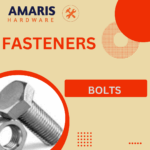 Bolts
Bolts Clips & Clamps
 Screws
 Nuts
Nuts Washers
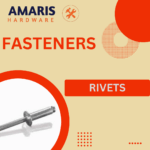 Rivets
 Nails
Nails Threaded Rods
 Hammers
 Measuring Tools (Tapes, Levels, Calipers)
 Screwdrivers
 Pliers & Cutters
 Saws & Blades
 Chisels & Punches
 Allen Keys & Hex Keys
 Ratchets & Socket Sets
 Wrenches & Spanners
 Power Tool Accessories (Blades, Bits, Discs)
 Rotary Tools
 Saws (Circular, Jigsaw, Reciprocating)
 Drills & Drivers
 Grinders & Sanders
 Heat Guns
 Nail Guns
 Impact Wrenches
 Batteries & Chargers
 Pipes & Fittings (PVC, Copper, PEX)
 Plumbing Tools
 Pumps & Motors
 Sealants & Adhesives for Plumbing
 Valves & Taps
 Water Heaters
 Drainage Systems
 Faucets & Fixtures
 Hoses & Tubing
 Hinges & Latches
 Hooks & Brackets
 Window Hardware
 Chains & Cables
 Casters & Wheels
 Shelving & Storage Systems
 Door Handles & Locks
 Drawer Slides & Cabinet Hardware
 Personal Protective Equipment (PPE)
 Respirators & Masks
 Safety Glasses
 Safes
Safes Security Cameras
 Gloves
 Helmets
 Ear Protection
 Fire Safety Equipment
 Locks & Padlocks
 Motion Sensors & Alarms
 Garden Fencing
 Garden Furniture Hardware
 Lawn Mowers
 Trimmers & Edgers
 Shovels & Spades
 Rakes & Hoes
 Pruning Shears & Loppers
 Watering Systems (Hoses, Sprinklers, Nozzles)
 Interior Paints
 Paint Brushes & Rollers
 Paint Strippers & Thinners
 Paint Trays & Accessories
 Exterior Paints
 Spray Paints
 Primers & Undercoats
 Varnishes & Stains
 Gaskets & Seals
 Hydraulic Fittings
 Industrial Fasteners
 Industrial Hoses
 Lubricants & Greases
 Metal Sheets & Bars
 Bearings & Bushings
 Belts & Pulleys
 HVAC Filters
 Insulation for HVAC
 Air Conditioners
 Refrigerants
 Ventilation Ducts & Fittings
 Thermostats & Controllers
 Fans & Blowers
 Pegboards & Hooks
 Shelving Units
 Storage Bins & Containers
 Toolboxes & Tool Chests
 Workbenches
 Drawer Organizers
 Labeling Supplies
 Welding Accessories (Clamps, Brushes)
 Welding Electrodes & Rods
 Welding Helmets & Gloves
 Welding Machines
 Soldering Irons & Stations
 Flux & Solder Wire
 Generator Accessories
 Inverters
 Portable Generators
 Power Inverters
 Transfer Switches
 Diesel & Gasoline Generators
 Transport Equipment: Carts, Dollies, and Hand Trucks
 Storage Solutions: Pallets, Racks, and Containers
 Lifting Equipment: Hoists, Cranes, and Jacks
 Conveyors & Accessories: Belts & Rollers
 Office Chairs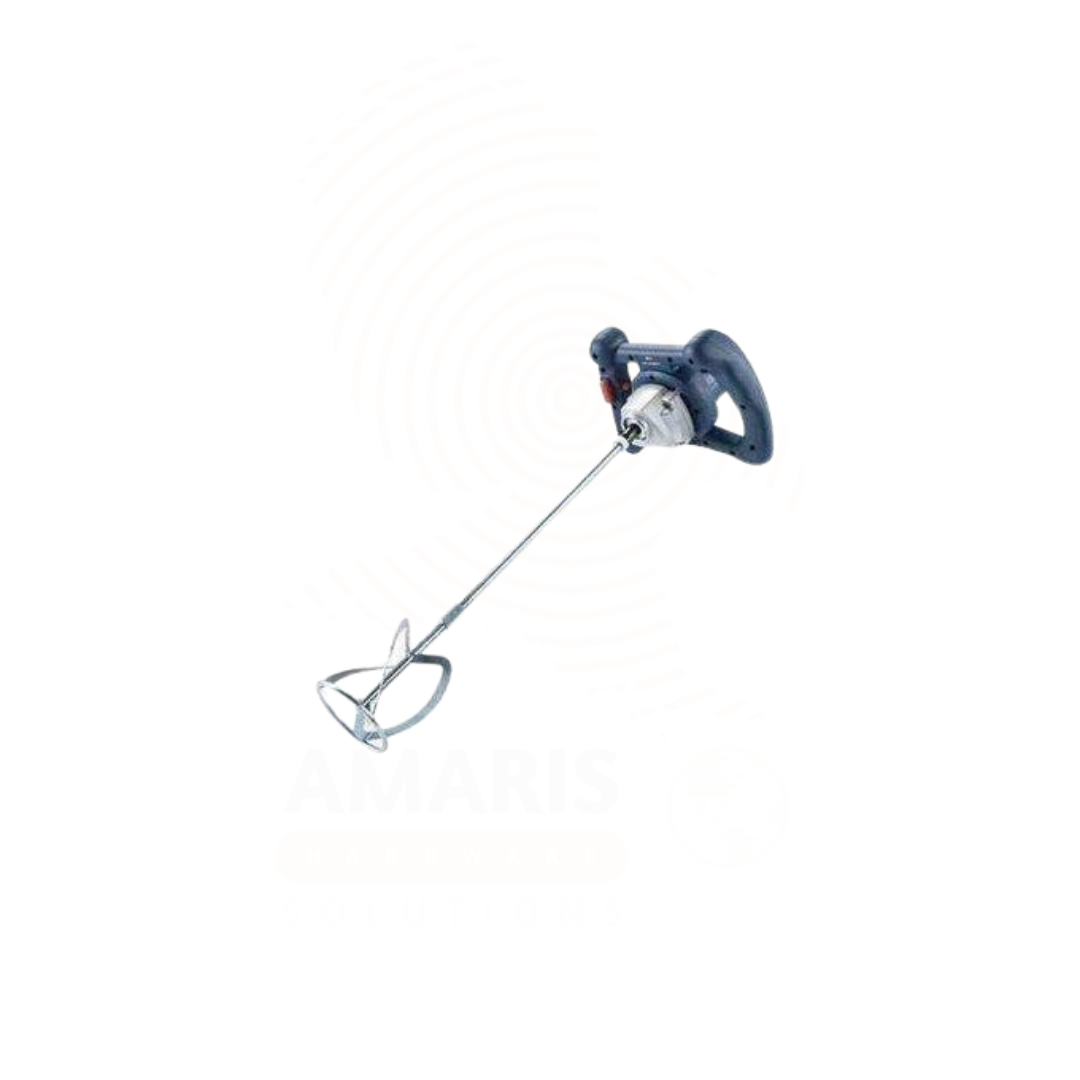

MaxMech Hand Mixer
The Maxmech Hand Mixer is available in two powerful models: the HM 1000-120 (1000W) and HM 1400-120 (1400W). Both are designed for thoroughly mixing paints, varnishes, adhesives, cement, mortar, and other construction materials. Featuring variable speed control for precise mixing of different viscosities, comfortable ergonomic grip, and durable construction, these mixers are ideal for facilities maintenance and renovation in healthcare settings. The HM 1000-120 is suitable for most routine mixing tasks, while the higher-powered HM 1400-120 provides extra torque for heavy-duty materials like thick adhesives and cementitious mixes. Both include overload protection and are compatible with a range of mixing paddles and accessories.
MaxMech Hand Mixer
PRIMARY USES
1. Mixing Paints, Coatings, and Varnishes for Facility Maintenance
-
Primary Use: A powerful handheld electric mixer (1000W or 1400W) designed for thoroughly mixing paints, primers, varnishes, and other coatings to achieve a uniform consistency. Essential for maintaining the appearance and protection of walls, equipment, and fixtures in healthcare facilities.
-
How it helps: For the facilities manager and maintenance technician, the Maxmech paint mixer ensures that paints and coatings are properly mixed before application, preventing uneven finishes, streaks, and poor adhesion. The 1000W model (HM 1000-120) is suitable for most routine painting tasks, while the 1400W model (HM 1400-120) provides extra power for thicker coatings and larger batches. Both models feature variable speed control, allowing operators to adjust mixing speed to match the viscosity of the material. Properly mixed paints result in a more durable and hygienic finish, reducing the need for frequent repainting and minimising disruption to healthcare operations.
2. Mixing Adhesives, Sealants, and Flooring Compounds for Renovation
-
Primary Use: Used for mixing tile adhesives, sealants, epoxy resins, and self-levelling flooring compounds during minor renovation and repair work in healthcare settings.
-
How it helps: For the maintenance team, achieving a lump-free, consistent mix is critical for the performance and longevity of adhesives and flooring compounds. The mixer’s powerful motor and adjustable speed settings allow operators to start slowly to incorporate dry materials without splashing, then increase speed for thorough mixing. The HM 1400-120, with its higher power, is particularly effective for heavy-duty materials such as thick tile adhesives and epoxy resins. Consistent mixing ensures strong bonds and level surfaces, contributing to patient and staff safety.
3. Mixing Cement, Mortar, and Plaster for Minor Construction
-
Primary Use: The mixer can be used for mixing small to medium batches of cement, mortar, plaster, and grout for patching walls, repairing floors, and installing fixtures.
-
How it helps: For the facilities team, having a dedicated paint and mortar mixer reduces the physical strain of manual mixing and ensures a consistent, workable mix. The mixer’s robust construction and compatibility with various mixing attachments allow it to handle the rigours of mixing dense, heavy materials. The 1400W model (HM 1400-120) is particularly well-suited for mixing cementitious materials, providing the torque needed to handle thick, heavy mixes without stalling.
4. Surface Preparation – Mixing Primers and Sealers
-
Primary Use: Used for mixing primers, sealers, and bonding agents before application to walls, floors, and other surfaces during preparation for painting or coating.
-
How it helps: Properly mixed primers and sealers ensure uniform coverage and optimal adhesion of topcoats. The mixer’s variable speed control allows for gentle mixing of primers without introducing excessive air bubbles, which can compromise the finish. For the maintenance team, this ensures that surface preparation is done correctly, reducing the risk of coating failure and the need for costly rework.
SECONDARY USES
1. Mixing grout and tile adhesive for bathroom and kitchen repairs: The mixer is effective for mixing small batches of grout and tile adhesive during repairs to bathroom and kitchen areas in healthcare facilities, ensuring a consistent, workable mix for durable, water-resistant finishes.
2. Blending chemical floor coatings and sealants: For applying specialised floor coatings (e.g., anti-slip, epoxy, polyurethane), the mixer ensures that two-part systems are thoroughly blended for proper curing and performance.
3. Preparing texture compounds for wall repairs: The mixer can be used to prepare joint compounds and texture materials for repairing and refinishing walls, ensuring a smooth, lump-free consistency for a professional finish.
4. Mixing non-slip coatings for ramps and walkways: For safety maintenance, the mixer can blend non-slip additives into paints and coatings for application on ramps, walkways, and other high-traffic areas.
| Capacity | 1400w, 1000w |
|---|
1. BASIC IDENTIFICATION ATTRIBUTES
-
Device Type: Portable electric hand mixer (paint/mortar mixer); not a medical device.
-
Designation: Maxmech Electric Hand Paint Mixer HM 1000-120 / HM 1400-120.
-
Motor Power: HM 1000-120: 1000W; HM 1400-120: 1400W.
-
Mixing Capacity: Up to 120 litres.
-
No-Load Speed: HM 1400-120: 0-760 RPM (variable).
-
Spindle Thread: M14 x 2 (typical for this class of mixer).
-
Protection Class: Double insulation (Class II).
-
Country of Origin: China.
2. TECHNICAL & PERFORMANCE PROPERTIES
-
Primary Action: Rotational mixing of liquids, pastes, and powders via interchangeable paddles.
-
Motor Type: Universal motor (brushed).
-
Power Supply: 220-240V AC, 50Hz.
-
Speed Control: Variable speed (stepless or multi-speed) for precise control over mixing different materials.
-
Cooling: Air-cooled with internal fan.
-
Safety Features: Overload protection to prevent motor damage, double insulation for electrical safety.
-
Maintenance: Regular brush inspection and replacement; keep air vents clear.
-
Paddle Compatibility: Compatible with a range of mixing paddles (e.g., spiral, propeller, whisk) for different materials and viscosities.
3. PHYSICAL & OPERATIONAL PROPERTIES
-
Preparation: Select the correct mixing paddle for the material (e.g., spiral for paint, propeller for adhesives). Ensure the paddle is securely tightened. Check the power cord for damage.
-
Usage Instructions: Start at a low speed to incorporate dry materials and prevent splashing. Gradually increase speed as the mixture becomes uniform. Use both hands for stability. Avoid overloading the motor by mixing materials that are too thick for the tool's capacity. Allow the tool to do the work; do not force it.
-
Storage Conditions: Store in a dry, secure place. Keep paddles clean and free from dried material.
-
Ventilation: Motor cooling relies on airflow; ensure vents are not blocked.
-
Precautions: Always wear eye protection (goggles or safety glasses), a dust mask (especially when mixing dry materials like cement or plaster), and heavy-duty gloves. Work in a well-ventilated area to avoid inhalation of dust and fumes. Ensure the mixing container is stable and secure.
4. SAFETY & COMPLIANCE ATTRIBUTES
-
Safety Classification: High-torque rotating power tool; risk of injury from rotating paddle, splashing material, and flying debris.
-
Eye and Face Protection: Mandatory.
-
Hand Protection: Heavy-duty gloves recommended to protect against chemicals and rotating parts.
-
Dust Hazard: Mixing dry materials (cement, plaster, etc.) generates hazardous dust; use respiratory protection and dust extraction.
-
Electrical Safety: Use a Residual Current Device (RCD) for protection against electric shock. Do not use in wet conditions.
-
Paddle Safety: Always ensure the paddle is securely tightened before use. Check for damage or wear. Use the correct paddle for the material being mixed.
-
Regulatory: Complies with applicable safety standards (CE, etc.).
5. STORAGE & HANDLING ATTRIBUTES
-
Storage: Store in a dry, secure place. Keep paddles clean and free from dried material to prevent imbalance during use.
-
Inspection: Regularly inspect the tool, power cord, and paddles for damage. Check carbon brushes and replace if worn.
-
Usage: Always unplug before changing paddles or performing maintenance.
1. SAFETY PRECAUTIONS
Personal Protective Equipment (PPE): Always wear safety goggles or a face shield, a dust mask (P2 or N95) when mixing dry materials, and heavy-duty gloves. Consider wearing hearing protection if using the tool for extended periods.
Splashing Hazard: Start at low speed to prevent splashing of liquids and dry materials. Use a container that is deep enough to contain the material being mixed.
Electrical Safety: Use a Residual Current Device (RCD). Do not operate in wet conditions or near water. Check the power cord and extension cord for damage before use.
Dust Hazard: Mixing cement, plaster, and other dry materials generates hazardous dust. Use local exhaust ventilation and appropriate respiratory protection (at least P2 or N95 mask).
Maintenance: Unplug the tool before changing paddles or performing maintenance. Allow the tool to cool before storing.
Training requirement: Operators must be trained on correct usage, paddle selection, and safety procedures. Supervisors should ensure that all safety protocols are followed.
2. FIRST AID MEASURES
Eye Injury (splashed material): Do not rub. Rinse immediately with plenty of clean, lukewarm water for at least 15 minutes, holding eyelids open. Seek medical attention.
Skin Contact (chemicals or dust): Wash skin with soap and water. If irritation develops, seek medical attention. For chemical burns, rinse with water for at least 15 minutes and seek medical attention.
Inhalation of Dust or Fumes: Move person to fresh air. If symptoms persist (coughing, difficulty breathing), seek medical attention.
Cut Injury (from paddle): Apply direct pressure to stop bleeding. Clean the wound with clean water. Cover with a sterile dressing. Seek medical attention if bleeding is profuse or the wound is deep.
3. FIRE FIGHTING MEASURES
Flammability: The mixer is not flammable, but it can be a source of ignition if used near flammable materials (e.g., solvent-based paints, thinners). The plastic casing may burn if exposed to fire.
Extinguishing Media: Use water spray, foam, dry chemical powder, or carbon dioxide (CO₂) for fires involving the tool. For fires involving flammable liquids, use foam or dry chemical.
Fire Response: In the event of a fire, evacuate the area and call emergency services. Use appropriate extinguishers; do not use water on electrical fires where live equipment is involved.
Related products

Bi-Metal Hole Saw Set
A Bi-Metal Hole Saw Set refers to a collection of nine hole saws, each constructed with a bi-metal design. A hole saw is a cylindrical cutting tool used to create holes in various materials such as wood, metal, plastic, and more. The term "bi-metal" indicates that the hole saws are made from two different types of metals, typically high-speed steel (HSS) and a more durable alloy like cobalt. This combination enhances the hole saw's cutting performance, making it suitable for a wide range of applications and providing increased durability and longevity. The set typically includes hole saws of different sizes to accommodate various hole diameters, making it a versatile tool for professionals and DIY enthusiasts alike.

Cement Blender – SDS Plus
A Cement Blender - SDS Plus mechanism typically refers to a power tool designed for mixing cement, mortar, or other construction materials. The term "SDS-PLUS" refers to a specific chuck and bit system commonly used in rotary hammers and drills. SDS-PLUS chucks allow for quick and secure attachment of drill bits and other accessories.
In the context of a cement blender with SDS-PLUS, it likely means that the tool has a specialized chuck system for easy attachment of mixing paddles or blades used in blending cement or similar materials. The SDS-PLUS system is known for its quick-change capability, enhancing efficiency and convenience when working with different attachments. The blender's design may include features to ensure effective mixing of construction materials, making it suitable for tasks like preparing mortar or concrete on construction sites.
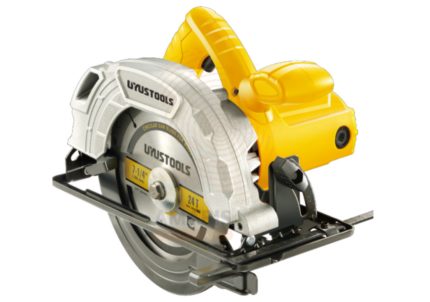
Circular Saw
A circular saw is a power tool equipped with a rotating circular blade, typically with teeth along its edge, designed for cutting various materials such as wood, plastic, metal, or masonry. It is commonly used in carpentry, construction, and other applications to make straight or beveled cuts with precision and efficiency. The circular saw is versatile and can be handheld or mounted on a table or other stationary surface, depending on the specific model and intended use.

Cordless Blower
A cordless blower is a handheld or backpack device designed for the purpose of moving air to clean or clear debris, leaves, or other materials from outdoor spaces. Unlike traditional blowers that are powered by an electrical cord, cordless blowers are equipped with rechargeable batteries, providing greater mobility and flexibility in use. These devices are commonly used in landscaping, gardening, and yard maintenance to efficiently and conveniently blow away leaves, grass clippings, and other lightweight debris without the limitations of a power cord.

Countersink Drill Set
A countersink drill set typically refers to a collection of six tools designed for countersinking operations in woodworking or metalworking. Each set usually includes six individual countersink drills with varying sizes or angles. Countersinking is a process that involves creating a conical hole in a material, allowing the head of a screw or bolt to sit flush with or below the surface. These drill sets are essential for achieving a professional finish in various applications where a smooth and even surface is desired, such as in carpentry, metal fabrication, or DIY projects.
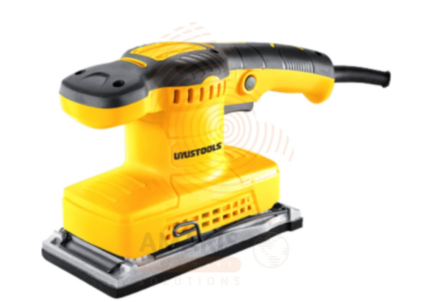
Finishing Sander
The finishing sander is a high-performance power tool designed to deliver smooth, even surfaces on wood, metal, or painted materials. Its ergonomic design allows for comfortable handling during extended use, while its powerful motor ensures consistent sanding performance. Perfect for removing minor imperfections, preparing surfaces for paint or varnish, and achieving a professional-quality finish, this tool is ideal for carpenters, woodworkers, DIY enthusiasts, and home improvement projects. The finishing sander is compatible with a variety of sanding pads and accessories, making it versatile for different applications and finishing requirements.
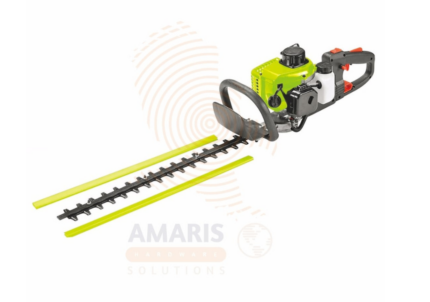
Gasoline Hedge Trimmer
A gasoline hedge trimmer is a handheld gardening tool powered by a gasoline engine, designed for trimming and shaping hedges, bushes, and shrubs. It consists of a cutting blade or blades, typically reciprocating, attached to a long shaft with a handle or grip for ease of use. The gasoline engine provides the necessary power to drive the blades, offering mobility and independence from electrical outlets, making it suitable for use in outdoor settings where access to electricity may be limited. Gasoline hedge trimmers are valued for their versatility, allowing users to manicure and maintain landscaping with efficiency and precision.

Glass Drill Set Hexagonal Handle
A Glass Drill Set Hexagonal Handle typically refers to a collection of five drill bits specifically designed for drilling holes in glass surfaces. The term "hexagonal handle" indicates that the shank of each drill bit has a hexagonal (six-sided) shape, which can provide a better grip and prevent slipping when used with a compatible drill. These drill bits are specifically crafted for working with glass materials, offering precision and minimizing the risk of cracking or damaging the glass during the drilling process. The set may include different-sized bits to accommodate various hole diameters.