

 Acrylic Sealants
 Construction Adhesives
 Double-Sided Tape
 Duct Tape
 Electrical Tape
 Epoxy & Resins
 Silicone Sealants
 Masking Tape
 Automotive Wrenches & Socket Sets
 Battery Chargers & Jump Starters
 Car Jacks & Stands
 Car Wash & Detailing Products
 Diagnostic Tools
 Tire Inflators
 Vehicle Lighting
 Oil & Lubricants
 Adhesives & Sealants
 Bricks & Blocks
 Cement & Concrete
 Drywall & Plaster
 Flooring (Tiles, Wood, Laminate)
 Lumber & Plywood
 Paints, Primers & Coatings
 Insulation Materials
 Roofing Materials
 Circuit Breakers
 Electrical Cables & Wires
 Switches & Sockets
 Fuses & Relays
 Connectors & Terminals
 Electrical Boxes & Panels
 Conduit & Fittings
 Lighting Fixtures & Bulbs
 Extension Cords & Power Strips
 Anchors
 Bolts
Bolts Clips & Clamps
 Screws
 Nuts
Nuts Washers
 Rivets
 Nails
Nails Threaded Rods
 Hammers
 Measuring Tools (Tapes, Levels, Calipers)
 Screwdrivers
 Pliers & Cutters
 Saws & Blades
 Chisels & Punches
 Allen Keys & Hex Keys
 Ratchets & Socket Sets
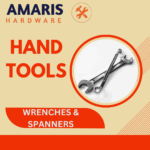 Wrenches & Spanners
 Power Tool Accessories (Blades, Bits, Discs)
 Rotary Tools
 Saws (Circular, Jigsaw, Reciprocating)
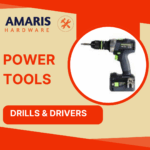 Drills & Drivers
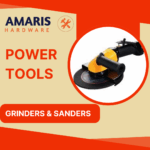 Grinders & Sanders
 Heat Guns
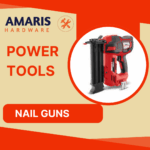 Nail Guns
 Impact Wrenches
 Batteries & Chargers
 Pipes & Fittings (PVC, Copper, PEX)
 Plumbing Tools
 Pumps & Motors
 Sealants & Adhesives for Plumbing
 Valves & Taps
 Water Heaters
 Drainage Systems
 Faucets & Fixtures
 Hoses & Tubing
 Hinges & Latches
 Hooks & Brackets
 Window Hardware
 Chains & Cables
 Casters & Wheels
 Shelving & Storage Systems
 Door Handles & Locks
 Drawer Slides & Cabinet Hardware
 Personal Protective Equipment (PPE)
 Respirators & Masks
 Safety Glasses
 Safes
Safes Security Cameras
 Gloves
 Helmets
 Ear Protection
 Fire Safety Equipment
 Locks & Padlocks
 Motion Sensors & Alarms
 Garden Fencing
 Garden Furniture Hardware
 Lawn Mowers
 Trimmers & Edgers
 Shovels & Spades
 Rakes & Hoes
 Pruning Shears & Loppers
 Watering Systems (Hoses, Sprinklers, Nozzles)
 Interior Paints
 Paint Brushes & Rollers
 Paint Strippers & Thinners
 Paint Trays & Accessories
 Exterior Paints
 Spray Paints
 Primers & Undercoats
 Varnishes & Stains
 Gaskets & Seals
 Hydraulic Fittings
 Industrial Fasteners
 Industrial Hoses
 Lubricants & Greases
 Metal Sheets & Bars
 Bearings & Bushings
 Belts & Pulleys
 HVAC Filters
 Insulation for HVAC
 Air Conditioners
 Refrigerants
 Ventilation Ducts & Fittings
 Thermostats & Controllers
 Fans & Blowers
 Pegboards & Hooks
 Shelving Units
 Storage Bins & Containers
 Toolboxes & Tool Chests
 Workbenches
 Drawer Organizers
 Labeling Supplies
 Welding Accessories (Clamps, Brushes)
 Welding Electrodes & Rods
 Welding Helmets & Gloves
 Welding Machines
 Soldering Irons & Stations
 Flux & Solder Wire
 Generator Accessories
 Inverters
 Portable Generators
 Power Inverters
 Transfer Switches
 Diesel & Gasoline Generators
 Transport Equipment: Carts, Dollies, and Hand Trucks
 Storage Solutions: Pallets, Racks, and Containers
 Lifting Equipment: Hoists, Cranes, and Jacks
 Conveyors & Accessories: Belts & Rollers
 Office Chairs


Thickness Planer
Original price was: $ 380.77.$ 361.73Current price is: $ 361.73.
A thickness planer, also known as a thicknesser, is a woodworking machine designed to reduce the thickness of a piece of wood uniformly. It consists of a flat, rotating cutter head that removes material from the top surface of a board, creating a smooth and consistent thickness throughout its length. Thickness planers are commonly used in woodworking to achieve precise thicknesses for boards and to ensure a smooth and even surface, making them essential tools for tasks such as creating uniform lumber for furniture making or preparing wood for various woodworking projects.
Thickness Planer
Uses
-
Dimensioning Lumber:
-
One of the primary uses of a thickness planer is to reduce the thickness of rough-sawn lumber to a specific, uniform thickness. This is essential for creating boards of consistent thickness for woodworking projects.
-
-
Smoothing Surfaces:
-
Thickness planers are effective in smoothing out rough surfaces and removing imperfections, such as knots, cupping, or warping. This results in a flat and even surface on the wood, making it easier to work with and providing a better finish.
-
-
Creating Parallel Faces:
-
A thickness planer ensures that both faces of a board are parallel, which is crucial for joinery and achieving accurate dimensions in woodworking projects. This is particularly important when working on components that need to fit together precisely.
-
-
Customizing Stock Thickness:
-
Woodworkers often need specific thicknesses for their projects. A thickness planer allows them to customize the thickness of stock according to their requirements, ensuring a perfect fit for various parts of a project.
-
-
Preparing Stock for Gluing:
-
When creating panels or laminating pieces together, it’s important for the mating surfaces to be flat and even. A thickness planer helps achieve this, ensuring a strong and stable bond when using adhesives.
-
-
Restoring Reclaimed Wood:
-
When working with reclaimed or salvaged wood, thickness planers are valuable for removing old finishes, uneven surfaces, and any damage. This process revitalizes the wood, preparing it for reuse in new projects.
-
-
Fine-tuning and Final Dimensioning:
-
Woodworkers often use a thickness planer in the final stages of a project to achieve precise dimensions. This is especially important for creating the finished surfaces of furniture components.
-
-
Reducing Stock Thickness Gradually:
-
Woodworkers can use a thickness planer to incrementally reduce the thickness of a board until the desired dimension is reached. This allows for controlled material removal and avoids overworking the wood.
-
-
Creating Veneers:
-
By repeatedly passing a thin piece of wood through a thickness planer, woodworkers can create veneers of uniform thickness. Veneers are thin slices of wood used for decorative purposes, such as inlays and surface embellishments.
-
-
Squaring and Truing Edges:
-
In addition to thickness, a thickness planer can be used to square and true the edges of boards. This is important for creating precise joints and ensuring that components fit together accurately.
-
Safety Precautions
-
Read the Manual:
-
Familiarize yourself with the manufacturer's manual and guidelines for the specific thickness planer you are using. Understand its features, limitations, and recommended safety procedures.
-
-
Wear Personal Protective Equipment (PPE):
-
Always wear appropriate PPE, including safety glasses or goggles to protect your eyes from flying debris, hearing protection to reduce noise exposure, and dust masks to minimize inhalation of wood dust.
-
-
Tie Back Loose Clothing and Remove Jewelry:
-
Avoid wearing loose clothing or jewelry that could get caught in the machinery. Tuck in shirttails, secure long sleeves, and remove rings, bracelets, or other accessories.
-
-
Secure the Workpiece:
-
Make sure the workpiece is securely fastened and supported on both ends to prevent it from kicking back or getting caught in the machine. Use proper infeed and outfeed support to maintain control over the material.
-
-
Check for Obstructions:
-
Before starting the machine, inspect the work area and the thickness planer for any obstructions, debris, or loose objects. Clear the space around the machine to ensure a safe working environment.
-
-
Disconnect Power Before Adjustments:
-
Turn off and unplug the thickness planer before making any adjustments or changing blades. This prevents accidental startups and ensures your safety while working on the machine.
-
-
Use Push Sticks and Push Pads:
-
When feeding smaller pieces through the planer, use push sticks or push pads to maintain a safe distance between your hands and the cutting blades. This helps prevent injuries and ensures control over the workpiece.
-
-
Avoid Overloading the Machine:
-
Follow the manufacturer's recommendations for the maximum thickness and width of the material that the planer can handle. Overloading the machine can lead to accidents and damage to the equipment.
-
-
Wait for the Blades to Stop:
-
After completing a pass, wait for the blades to come to a complete stop before attempting to remove the workpiece or make any adjustments. This minimizes the risk of accidental contact with moving parts.
-
-
Keep Hands Clear:
-
Never reach over or near the cutting blades while the machine is in operation. Keep your hands at a safe distance, and use the provided handles and controls to manipulate the material.
-
-
Maintain the Machine:
-
Regularly inspect and maintain the thickness planer, including keeping the blades sharp and properly adjusted. A well-maintained machine is safer and performs more efficiently.
-
-
Provide Adequate Dust Collection:
-
Use a dust collector or other effective dust extraction system to minimize airborne wood dust. Inhaling wood dust can be hazardous to your health.
-
-
Follow Lockout/Tagout Procedures:
-
When performing maintenance or blade changes, follow proper lockout/tagout procedures to ensure that the machine cannot be accidentally started.
-
Related products

Cement Blender – SDS Plus
A Cement Blender - SDS Plus mechanism typically refers to a power tool designed for mixing cement, mortar, or other construction materials. The term "SDS-PLUS" refers to a specific chuck and bit system commonly used in rotary hammers and drills. SDS-PLUS chucks allow for quick and secure attachment of drill bits and other accessories.
In the context of a cement blender with SDS-PLUS, it likely means that the tool has a specialized chuck system for easy attachment of mixing paddles or blades used in blending cement or similar materials. The SDS-PLUS system is known for its quick-change capability, enhancing efficiency and convenience when working with different attachments. The blender's design may include features to ensure effective mixing of construction materials, making it suitable for tasks like preparing mortar or concrete on construction sites.
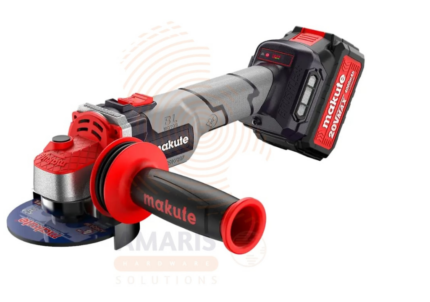
Cordless Angle Grinder
A cordless angle grinder is a handheld power tool designed for cutting, grinding, and polishing materials, typically metal or masonry. Unlike traditional angle grinders that are powered by electrical cords, cordless angle grinders are equipped with rechargeable batteries, providing greater mobility and flexibility in various work environments. These tools often feature a rotating disc or wheel that can be fitted with different abrasive attachments, allowing users to perform a variety of tasks such as cutting metal, smoothing welds, or removing rust and paint. Cordless angle grinders are widely used in construction, metalworking, and fabrication applications.

Double – End Bits Set
A Double - End Bits Set typically refers to a collection of interchangeable tool bits designed for use with screwdrivers, power drills, or similar tools. Each bit in the set has two distinct ends with different types or sizes of tips, allowing the user to perform various tasks without needing multiple individual bits. These sets often include a variety of common bit types, such as Phillips, slotted, Torx, or hex, providing versatility for different screw and fastener types. The double-ended design allows users to flip the bit and switch between different tips easily, making it a convenient and space-saving solution for various applications.

Forstner Bit Set
A Forstner bit set typically refers to a collection of five Forstner drill bits designed for woodworking applications. Forstner bits are specialized cutting tools used to bore flat-bottomed holes with clean and precise edges in wood. The set usually includes five bits with varying diameters, allowing users to choose the appropriate size for different projects. These bits often feature a center point for accurate positioning, two sharp outer cutting edges, and a cylindrical shape. The set is versatile and suitable for tasks like drilling holes for dowels, creating pocket holes, or countersinking screws in woodworking projects.
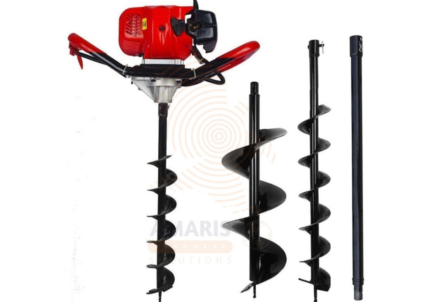
Gasoline Auger Machine
A gasoline auger machine is a power tool designed for drilling holes in the ground using a rotating helical screw blade, commonly known as an auger. Unlike electric or manual augers, a gasoline auger machine is powered by a gasoline engine, providing greater mobility and independence from electrical power sources. This type of machine is commonly used in construction, landscaping, and agriculture for tasks such as digging holes for fence posts, planting trees, or installing various types of foundations. The gasoline engine provides the necessary power to turn the auger bit efficiently, making it suitable for heavy-duty and remote applications where access to electricity may be limited.
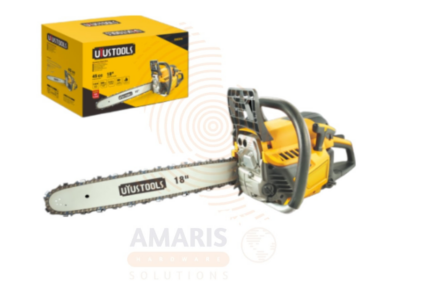
Gasoline Chain Saw
A Gasoline Chain Saw is a portable, mechanical cutting tool powered by an internal combustion engine that runs on gasoline. It typically consists of a chain with teeth attached to a guide bar, driven by the engine, and is commonly used for tasks such as tree felling, limb pruning, and wood cutting. The gasoline engine provides the necessary power to drive the chain, making the chainsaw a versatile tool for various outdoor cutting applications.

Glass Drill Set Straight Handle
A Glass Drill Set Straight Handle refers to a set of five drill bits specifically designed for drilling into glass surfaces. Each drill bit in the set typically has a straight handle, making it easier to grip and control during the drilling process. These drill bits are crafted with materials and designs that enhance their ability to cut through glass without causing cracks or shattering. The set may include a variety of drill bit sizes to accommodate different drilling needs and applications on glass surfaces.
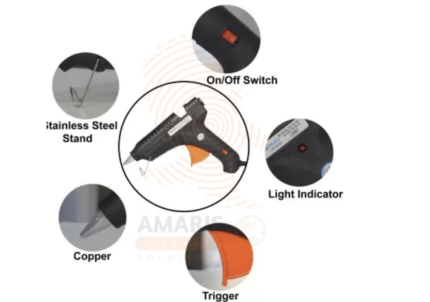
Glue Gun
A glue gun, specifically a 40-watt glue gun, is a handheld tool designed for dispensing hot melt adhesive in a controlled and precise manner. It typically consists of a heating element powered by a 40-watt electrical system, a trigger mechanism to control the adhesive flow, and a nozzle for directing the melted glue. The glue stick, usually made of thermoplastic materials, is inserted into the gun, melted by the heating element, and then extruded through the nozzle as a liquid adhesive. This versatile tool is commonly used in various DIY projects, crafts, and home repairs due to its quick and efficient bonding capabilities. The 40-watt power rating indicates the electrical power consumed by the glue gun to heat the adhesive to its melting point.