

 Acrylic Sealants
 Construction Adhesives
 Double-Sided Tape
 Duct Tape
 Electrical Tape
 Epoxy & Resins
 Silicone Sealants
 Masking Tape
 Automotive Wrenches & Socket Sets
 Battery Chargers & Jump Starters
 Car Jacks & Stands
 Car Wash & Detailing Products
 Diagnostic Tools
 Tire Inflators
 Vehicle Lighting
 Oil & Lubricants
 Adhesives & Sealants
 Bricks & Blocks
 Cement & Concrete
 Drywall & Plaster
 Flooring (Tiles, Wood, Laminate)
 Lumber & Plywood
 Paints, Primers & Coatings
 Insulation Materials
 Roofing Materials
 Circuit Breakers
 Electrical Cables & Wires
 Switches & Sockets
 Fuses & Relays
 Connectors & Terminals
 Electrical Boxes & Panels
 Conduit & Fittings
 Lighting Fixtures & Bulbs
 Extension Cords & Power Strips
 Anchors
 Bolts
Bolts Clips & Clamps
 Screws
 Nuts
Nuts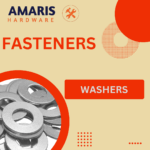 Washers
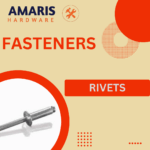 Rivets
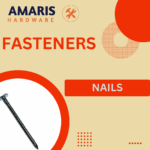 Nails
Nails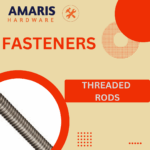 Threaded Rods
 Hammers
 Measuring Tools (Tapes, Levels, Calipers)
 Screwdrivers
 Pliers & Cutters
 Saws & Blades
 Chisels & Punches
 Allen Keys & Hex Keys
 Ratchets & Socket Sets
 Wrenches & Spanners
 Power Tool Accessories (Blades, Bits, Discs)
 Rotary Tools
 Saws (Circular, Jigsaw, Reciprocating)
 Drills & Drivers
 Grinders & Sanders
 Heat Guns
 Nail Guns
 Impact Wrenches
 Batteries & Chargers
 Pipes & Fittings (PVC, Copper, PEX)
 Plumbing Tools
 Pumps & Motors
 Sealants & Adhesives for Plumbing
 Valves & Taps
 Water Heaters
 Drainage Systems
 Faucets & Fixtures
 Hoses & Tubing
 Hinges & Latches
 Hooks & Brackets
 Window Hardware
 Chains & Cables
 Casters & Wheels
 Shelving & Storage Systems
 Door Handles & Locks
 Drawer Slides & Cabinet Hardware
 Personal Protective Equipment (PPE)
 Respirators & Masks
 Safety Glasses
 Safes
Safes Security Cameras
 Gloves
 Helmets
 Ear Protection
 Fire Safety Equipment
 Locks & Padlocks
 Motion Sensors & Alarms
 Garden Fencing
 Garden Furniture Hardware
 Lawn Mowers
 Trimmers & Edgers
 Shovels & Spades
 Rakes & Hoes
 Pruning Shears & Loppers
 Watering Systems (Hoses, Sprinklers, Nozzles)
 Interior Paints
 Paint Brushes & Rollers
 Paint Strippers & Thinners
 Paint Trays & Accessories
 Exterior Paints
 Spray Paints
 Primers & Undercoats
 Varnishes & Stains
 Gaskets & Seals
 Hydraulic Fittings
 Industrial Fasteners
 Industrial Hoses
 Lubricants & Greases
 Metal Sheets & Bars
 Bearings & Bushings
 Belts & Pulleys
 HVAC Filters
 Insulation for HVAC
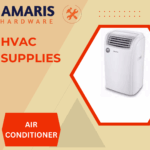 Air Conditioners
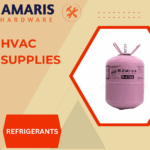 Refrigerants
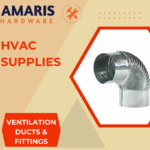 Ventilation Ducts & Fittings
 Thermostats & Controllers
 Fans & Blowers
 Pegboards & Hooks
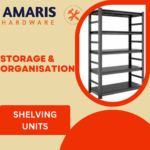 Shelving Units
 Storage Bins & Containers
 Toolboxes & Tool Chests
 Workbenches
 Drawer Organizers
 Labeling Supplies
 Welding Accessories (Clamps, Brushes)
 Welding Electrodes & Rods
 Welding Helmets & Gloves
 Welding Machines
 Soldering Irons & Stations
 Flux & Solder Wire
 Generator Accessories
 Inverters
 Portable Generators
 Power Inverters
 Transfer Switches
 Diesel & Gasoline Generators
 Transport Equipment: Carts, Dollies, and Hand Trucks
 Storage Solutions: Pallets, Racks, and Containers
 Lifting Equipment: Hoists, Cranes, and Jacks
 Conveyors & Accessories: Belts & Rollers
 Office Chairs
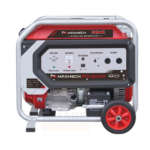

MaxMech High Pressure Washer
The Maxmech High Pressure Washer is a powerful petrol-driven cleaning machine rated at 7.0HP and 3000 PSI, designed for heavy-duty cleaning tasks in healthcare facilities, field clinics, and community health settings . Featuring a 4-stroke, air-cooled petrol engine, a durable pump, and a 3000 PSI pressure capability, it effectively removes stubborn dirt, grime, biological debris, and oil stains from hard surfaces, vehicles, and equipment . The self-priming function allows water intake from a tank or reservoir, making it suitable for locations without mains water supply . Includes accessories such as a spray gun, multi-lance, high-pressure hose, and detergent tank . Available in Kenya from various suppliers. Always follow the manufacturer’s operating and safety instructions.
MaxMech High Pressure Washer
PRIMARY USES
1. Heavy-Duty Equipment and Surface Cleaning in Healthcare Facilities
Primary Use: Provides a powerful petrol-driven cleaning machine (7.0HP, 3000 PSI) designed to remove stubborn dirt, grime, oil stains, and biological debris from hard surfaces, medical equipment, and facility exteriors using high-pressure water jets .
How it helps: For the healthcare facility manager and environmental services team, the 3000 PSI pressure delivers exceptional cleaning power for removing heavy biological soiling, algae, mold, and mineral deposits from exterior surfaces such as walkways, building facades, and parking areas . The pressure adjustable function allows operators to select the appropriate intensity for different cleaning tasks, ranging from delicate surfaces to heavily soiled concrete. The self-priming function also permits water intake from a tank or reservoir when mains water supply is unavailable. For the healthcare facility, this means efficient removal of dirt and biological contaminants that can harbor pathogens, support infection prevention and maintaining a professional, hygienic appearance.
2. Portable Cleaning for Community Health Outreach and Mobile Clinics
Primary Use: Offers a portable, petrol-powered cleaning solution for mobile health units, community health outreach programmes, and field clinics, enabling healthcare teams to maintain hygiene standards in remote or underserved areas where mains electricity and water supply may be limited.
How it helps: For the community health coordinator and field clinician, the petrol engine provides independence from electrical outlets, allowing operation in remote locations where grid power is unavailable . The robust petrol engine delivers consistent power for extended periods, supporting thorough cleaning of mobile clinic vehicles, field equipment, and temporary structures . For the patient and healthcare team, this means maintaining hygiene standards even in challenging field conditions, reducing the risk of contamination and infection spread.
3. Decontamination of External Surfaces in Outbreak Situations
Primary Use: Supports infection prevention and control by providing high-pressure water jets for decontamination of external surfaces, such as walkways, vehicle tyres, building exteriors, and temporary structures during infectious disease outbreaks.
How it helps: For the infection prevention and control team, the high pressure (3000 PSI) combined with detergent application capability effectively removes organic matter and biofilms that can harbor pathogens, preparing surfaces for subsequent disinfection . The adjustable pressure feature allows selection of appropriate settings for different surface types . For the healthcare facility, this contributes to comprehensive infection prevention strategies by addressing environmental contamination, particularly during outbreaks of infectious diseases.
SECONDARY USES
1. Cleaning of vehicles and transport equipment: For healthcare fleets, the pressure washer effectively removes dirt, mud, and biological contaminants from ambulance exteriors, patient transport vehicles, and medical equipment trailers.
2. Maintenance of outdoor and landscaping areas: For healthcare facility grounds, the high-pressure water removes algae, moss, and debris from walkways, car parks, patios, and building exteriors, maintaining a safe and professional environment for patients and staff.
3. Preparation of surfaces for maintenance and repair: The pressure washer can be used for stripping paint, removing old coatings, and preparing surfaces for repainting or resealing as part of facility maintenance programmes.
1. BASIC IDENTIFICATION ATTRIBUTES
-
Device Type: Petrol-driven high-pressure cleaning machine; not a medical device
-
Designation: Maxmech High Pressure Washer, PW-210
-
Engine Power: 7.0 HP (Horsepower)
-
Maximum Pressure: 3000 PSI (Pounds per Square Inch)
-
Engine Type: 4-stroke, single-cylinder, air-cooled, OHV petrol engine
-
Pump Type: Axial cam pump (residential/light commercial) or triplex plunger pump (heavy-duty variants)
-
Fuel Type: Unleaded petrol
-
Fuel Tank Capacity: Approximately 3.6-3.8 litres
-
Starting System: Recoil start (manual pull start)
-
Self-Priming Function: Yes, allows water intake from a tank or reservoir instead of a faucet
-
Hose Length: Typically 7-15 metres (varies by model)
-
Weight: Approximately 12.7-46 kg depending on model
-
Country of Origin: China
-
Manufacturer: Maxmech
2. TECHNICAL & PERFORMANCE PROPERTIES
-
Primary Action: Uses high-pressure water jets to dislodge and remove dirt, grime, and biological debris
-
Pressure Output: 3000 PSI maximum
-
Flow Rate: Varies by model; typical for 3000 PSI machines: 2.0-3.0 GPM or 450-520 L/h
-
Detergent Application: Features built-in detergent tank or siphon tube for applying cleaning solutions
-
Nozzle Tips: Multiple quick-connect nozzle tips for different cleaning applications (typically 0°, 15°, 25°, 40°, and soap nozzle)
-
Water Source Compatibility: Self-priming function permits water intake from a tank or reservoir
-
Pressure Adjustment: Adjustable pressure function for easy and quick control by turning the handle
-
Engine: Petrol-powered; independence from electrical outlets, ideal for field use
-
Wheels: Mounted on sturdy frame with wheels for portability
3. PHYSICAL & OPERATIONAL PROPERTIES
-
Preparation: Check engine oil level (oil not included; use SAE 10W-30 or 15W-40). Fill fuel tank with unleaded petrol. Connect water inlet to a faucet or place suction hose in a tank. Ensure water source is on and the inlet filter is clean .
-
Usage Instructions: Set choke for cold starts (if applicable). Start engine via recoil pull cord. Squeeze trigger to operate. Adjust pressure using the pressure control handle. For detergent use, switch to detergent setting. Use appropriate nozzle for the cleaning task.
-
Storage Conditions: Store in a cool, dry place away from direct sunlight, heat, and moisture. Empty fuel tank if storing for extended periods. Run the pump with anti-freeze solution or drain water completely to prevent freeze damage.
-
Maintenance: Regular servicing recommended: change engine oil, clean air filter, inspect spark plug, and check high-pressure hose for damage.
-
Ventilation: Petrol engines produce carbon monoxide; always operate in well-ventilated areas.
-
Precautions: This unit does not contain engine oil at time of purchase. Add oil before first use. Do not use with hot water unless specified. Do not point at people, animals, or electrical equipment.
4. SAFETY & COMPLIANCE ATTRIBUTES
-
Safety Classification: Internal combustion engine; produces carbon monoxide, high-pressure water jets, and noise
-
Carbon Monoxide Warning: Petrol engines produce carbon monoxide, a colourless and odourless gas that can be fatal. Only operate outdoors and far away from windows, doors, and ventilation intakes .
-
High-Pressure Hazard: The water jet can cause serious injury (cuts, eye damage, or injection injuries). Never point the spray at people or animals. Keep hands and feet away from the nozzle.
-
Burn Hazard: Hot surfaces (exhaust system) can cause burns; allow the engine to cool before performing maintenance.
-
Fire Hazard: Petrol is highly flammable; only refuel when the engine is cool and in a well-ventilated area. No smoking or flames near the generator.
-
Kickback Hazard: The spray gun has a strong kickback force; hold securely.
-
Electrical Safety: Do not use electrical components in rain or wet conditions. Use appropriate extension cords rated for the load.
-
Regular Maintenance: Regular servicing is recommended for the oil, air filter, spark plug, and pump. Always use the recommended oil grade .
-
Regulatory: Complies with safety standards for Kenya
1. SAFETY PRECAUTIONS
-
Carbon monoxide poisoning – operate in well-ventilated areas only: Petrol engines produce carbon monoxide, a colourless and odourless gas that can be fatal. Only use this pressure washer outdoors in well-ventilated areas, far away from windows, doors, and building ventilation intakes .
-
High-pressure water jet hazard – never point at people or animals: The high-pressure water jet can cause severe cuts, eye damage, and injection injuries. Never direct the spray at people, animals, or electrical equipment .
-
Fire hazard: Petrol is highly flammable. Refuel only when the engine is cool and in a well-ventilated area. No smoking or flames near the pressure washer.
-
Burn hazard: The exhaust system and engine become very hot during operation. Allow the engine to cool before performing any maintenance or refuelling.
-
Kickback hazard: The spray gun has strong kickback. Hold the gun and lance firmly with both hands when operating.
-
No oil at purchase: This pressure washer is supplied without engine oil. Add the appropriate oil before first use to prevent severe engine damage .
-
Electrical safety: Do not use electrical components in wet conditions. Use appropriate extension cords rated for the load.
-
Check water supply: Ensure adequate water supply before starting. Operating the pump without water can cause damage.
-
Regular maintenance: Inspect and change engine oil regularly. Clean the air filter and check the spark plug periodically. Inspect high-pressure hoses for wear.
-
Keep out of reach of children: Operate and store away from children and untrained personnel.
2. FIRST AID MEASURES
-
Carbon monoxide poisoning (headache, dizziness, nausea): Move person to fresh air immediately. If breathing is difficult or symptoms persist, administer oxygen and seek emergency medical attention.
-
High-pressure injection injury: Seek immediate medical attention. Do not treat as a simple cut. The injury may be deeper than it appears and can involve the introduction of water and contaminants into tissues.
-
Eye contact with debris or water: Rinse immediately with plenty of clean, lukewarm water for at least 15 minutes. Seek medical attention if irritation persists.
-
Burn injury (contact with hot surfaces): Cool the burn with cold running water for 20 minutes. Cover with a sterile dressing and seek medical attention for serious burns.
-
Skin contact with petrol: Remove contaminated clothing and wash skin thoroughly with soap and water. If irritation develops, seek medical attention.
3. FIRE FIGHTING MEASURES
-
Flammability: Petrol is highly flammable. Fuel tank containing petrol will burn if exposed to open flame or spark.
-
Extinguishing Media: Use dry chemical powder, carbon dioxide (CO₂), or foam for fires. Use water spray for cooling surrounding materials. Do not use water on electrical fires.
-
Fire Response: If the pressure washer catches fire, evacuate the area immediately. If it is safe to do so, turn off the fuel supply. Use appropriate extinguisher for the fire type. Call emergency services.
-
Firefighters: Wear self-contained breathing apparatus and full protective gear for fires involving petrol and equipment.
Related products
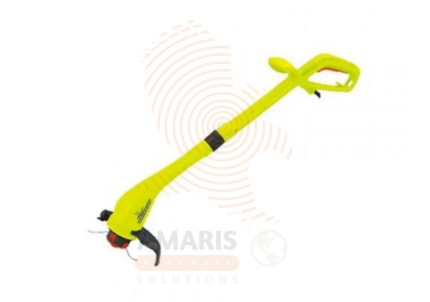
Electric Brush Cutter
An electric brush cutter is a powered gardening tool designed for cutting and trimming dense vegetation, weeds, and overgrown areas. It is equipped with a motor that is powered by electricity, usually sourced from a power outlet or a rechargeable battery. The tool features a rotating cutting blade or a nylon string, commonly referred to as a trimmer line, that efficiently cuts through thick vegetation. Electric brush cutters are known for their ease of use, low noise levels compared to gas-powered alternatives, and their environmentally friendly operation. They are suitable for maintaining lawns, clearing brush, and tidying up areas where traditional lawnmowers may struggle to reach.
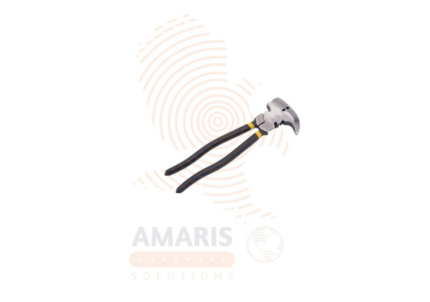
Fence Pliers
Fence pliers are a specialized type of pliers designed for use in fencing and related tasks. They typically feature a combination of functions that make them well-suited for various activities involved in installing, repairing, and maintaining fences. These pliers often include features such as a gripping jaw, wire-cutting blades, a staple puller, and sometimes a hammerhead. The design of fence pliers aims to provide versatility and convenience for professionals or DIY enthusiasts working with fencing materials, wires, and staples.
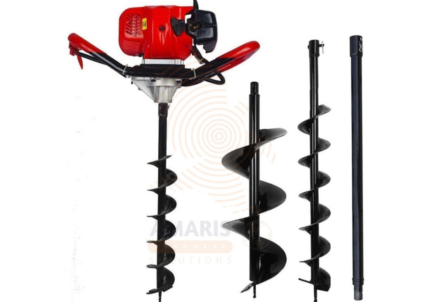
Gasoline Auger Machine
A gasoline auger machine is a power tool designed for drilling holes in the ground using a rotating helical screw blade, commonly known as an auger. Unlike electric or manual augers, a gasoline auger machine is powered by a gasoline engine, providing greater mobility and independence from electrical power sources. This type of machine is commonly used in construction, landscaping, and agriculture for tasks such as digging holes for fence posts, planting trees, or installing various types of foundations. The gasoline engine provides the necessary power to turn the auger bit efficiently, making it suitable for heavy-duty and remote applications where access to electricity may be limited.
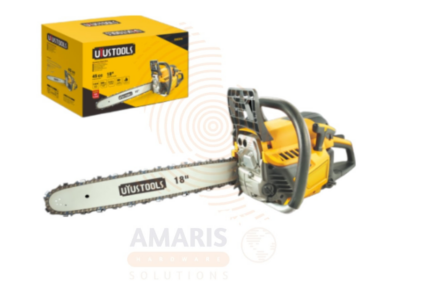
Gasoline Chain Saw
A Gasoline Chain Saw is a portable, mechanical cutting tool powered by an internal combustion engine that runs on gasoline. It typically consists of a chain with teeth attached to a guide bar, driven by the engine, and is commonly used for tasks such as tree felling, limb pruning, and wood cutting. The gasoline engine provides the necessary power to drive the chain, making the chainsaw a versatile tool for various outdoor cutting applications.
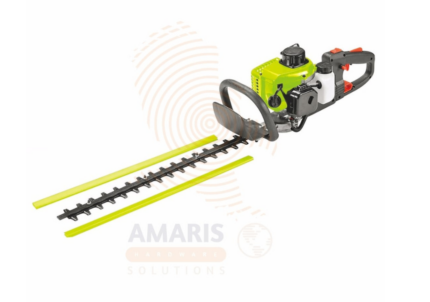
Gasoline Hedge Trimmer
A gasoline hedge trimmer is a handheld gardening tool powered by a gasoline engine, designed for trimming and shaping hedges, bushes, and shrubs. It consists of a cutting blade or blades, typically reciprocating, attached to a long shaft with a handle or grip for ease of use. The gasoline engine provides the necessary power to drive the blades, offering mobility and independence from electrical outlets, making it suitable for use in outdoor settings where access to electricity may be limited. Gasoline hedge trimmers are valued for their versatility, allowing users to manicure and maintain landscaping with efficiency and precision.

Lawn Saw Blade
A lawn saw blade is a cutting tool designed for use in landscaping and gardening tasks, specifically for cutting through vegetation such as grass, bushes, and small branches. It typically consists of a flat, elongated metal blade with serrated or toothed edges, mounted on a handle or attached to a motorized tool. The primary purpose of a lawn saw blade is to facilitate efficient and precise cutting of vegetation in outdoor spaces, contributing to the maintenance and shaping of lawns, gardens, and landscapes.

Lawn Saw Blade – Alloy
A lawn saw blade alloy refers to the material composition of the blade used in a lawn saw. The term "alloy" indicates that the blade is made from a mixture of different metals, combining their properties to enhance the overall performance and durability of the saw blade. The specific alloy composition can vary, but commonly used materials include steel alloys that provide strength, sharpness, and resistance to wear and corrosion. The choice of alloy in a lawn saw blade is crucial for ensuring efficient cutting, longevity, and resistance to the environmental conditions encountered during lawn and garden use.

Nylon Cable Ties (Barrel Packing)
A nylon cable tie, commonly referred to as a zip tie or tie-wrap, is a fastening device used to secure and bundle cables, wires, or other items. It is typically made of nylon, a durable and flexible synthetic polymer. The tie consists of a strap with an integrated gear rack or serrated mechanism, and a small, pointed tail. To use it, the pointed end is inserted through a self-locking mechanism in the head of the tie, forming a loop that can be tightened securely around the items to be fastened. Nylon cable ties are widely used in various industries for organizing and securing wiring and other components due to their ease of use, versatility, and reliability. The term "barrel packing" may refer to the packaging format in which these ties are sold, often arranged in cylindrical or barrel-shaped containers for easy dispensing.