
 Acrylic Sealants
 Construction Adhesives
 Double-Sided Tape
 Duct Tape
 Electrical Tape
 Epoxy & Resins
 Silicone Sealants
 Masking Tape
 Automotive Wrenches & Socket Sets
 Battery Chargers & Jump Starters
 Car Jacks & Stands
 Car Wash & Detailing Products
 Diagnostic Tools
 Tire Inflators
 Vehicle Lighting
 Oil & Lubricants
 Adhesives & Sealants
 Bricks & Blocks
 Cement & Concrete
 Drywall & Plaster
 Flooring (Tiles, Wood, Laminate)
 Lumber & Plywood
 Paints, Primers & Coatings
 Insulation Materials
 Roofing Materials
 Circuit Breakers
 Electrical Cables & Wires
 Switches & Sockets
 Fuses & Relays
 Connectors & Terminals
 Electrical Boxes & Panels
 Conduit & Fittings
 Lighting Fixtures & Bulbs
 Extension Cords & Power Strips
 Anchors
 Bolts
Bolts Clips & Clamps
 Screws
 Nuts
Nuts Washers
 Rivets
 Nails
Nails Threaded Rods
 Hammers
 Measuring Tools (Tapes, Levels, Calipers)
 Screwdrivers
 Pliers & Cutters
 Saws & Blades
 Chisels & Punches
 Allen Keys & Hex Keys
 Ratchets & Socket Sets
 Wrenches & Spanners
 Power Tool Accessories (Blades, Bits, Discs)
 Rotary Tools
 Saws (Circular, Jigsaw, Reciprocating)
 Drills & Drivers
 Grinders & Sanders
 Heat Guns
 Nail Guns
 Impact Wrenches
 Batteries & Chargers
 Pipes & Fittings (PVC, Copper, PEX)
 Plumbing Tools
 Pumps & Motors
 Sealants & Adhesives for Plumbing
 Valves & Taps
 Water Heaters
 Drainage Systems
 Faucets & Fixtures
 Hoses & Tubing
 Hinges & Latches
 Hooks & Brackets
 Window Hardware
 Chains & Cables
 Casters & Wheels
 Shelving & Storage Systems
 Door Handles & Locks
 Drawer Slides & Cabinet Hardware
 Personal Protective Equipment (PPE)
 Respirators & Masks
 Safety Glasses
 Safes
Safes Security Cameras
 Gloves
 Helmets
 Ear Protection
 Fire Safety Equipment
 Locks & Padlocks
 Motion Sensors & Alarms
 Garden Fencing
 Garden Furniture Hardware
 Lawn Mowers
 Trimmers & Edgers
 Shovels & Spades
 Rakes & Hoes
 Pruning Shears & Loppers
 Watering Systems (Hoses, Sprinklers, Nozzles)
 Interior Paints
 Paint Brushes & Rollers
 Paint Strippers & Thinners
 Paint Trays & Accessories
 Exterior Paints
 Spray Paints
 Primers & Undercoats
 Varnishes & Stains
 Gaskets & Seals
 Hydraulic Fittings
 Industrial Fasteners
 Industrial Hoses
 Lubricants & Greases
 Metal Sheets & Bars
 Bearings & Bushings
 Belts & Pulleys
 HVAC Filters
 Insulation for HVAC
 Air Conditioners
 Refrigerants
 Ventilation Ducts & Fittings
 Thermostats & Controllers
 Fans & Blowers
 Pegboards & Hooks
 Shelving Units
 Storage Bins & Containers
 Toolboxes & Tool Chests
 Workbenches
 Drawer Organizers
 Labeling Supplies
 Welding Accessories (Clamps, Brushes)
 Welding Electrodes & Rods
 Welding Helmets & Gloves
 Welding Machines
 Soldering Irons & Stations
 Flux & Solder Wire
 Generator Accessories
 Inverters
 Portable Generators
 Power Inverters
 Transfer Switches
 Diesel & Gasoline Generators
 Transport Equipment: Carts, Dollies, and Hand Trucks
 Storage Solutions: Pallets, Racks, and Containers
 Lifting Equipment: Hoists, Cranes, and Jacks
 Conveyors & Accessories: Belts & Rollers
 Office Chairs


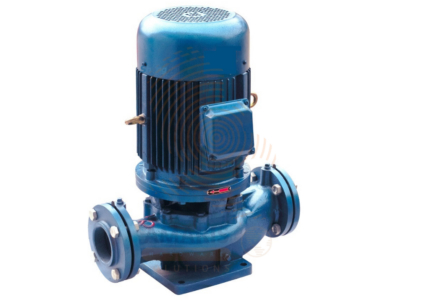
Centrifugal Pump
Original price was: $ 142.31.$ 135.19Current price is: $ 135.19.
A centrifugal pump is a mechanical device designed to transport fluids by converting rotational energy from a motor, in this case, a 1500-watt (2 HP) motor, into kinetic energy in the fluid. The pump uses an impeller—a rotating component with vanes or blades—to impart momentum to the fluid, causing it to move radially outward from the center of rotation. As the fluid moves outward, it creates a low-pressure region at the impeller’s center, drawing more fluid into the pump inlet. This continuous process results in the efficient and continuous transfer of fluids, making centrifugal pumps widely used in various industries for tasks such as water circulation, irrigation, and fluid transfer.
Centrifugal Pump
Uses
-
Water Supply and Distribution:
-
Centrifugal pumps are frequently used for drawing water from wells, lakes, or reservoirs and supplying it to homes, industries, and agricultural fields.
-
-
Irrigation:
-
Agriculture relies heavily on centrifugal pumps for irrigating crops. These pumps can efficiently transport water over large distances to ensure proper irrigation.
-
-
Industrial Fluid Transfer:
-
Centrifugal pumps are essential for transferring liquids within industrial processes. This includes pumping chemicals, oils, and other fluids needed in manufacturing and processing operations.
-
-
HVAC Systems:
-
Heating, ventilation, and air conditioning (HVAC) systems use centrifugal pumps to circulate water or coolant through the system for heating or cooling purposes.
-
-
Wastewater Treatment:
-
Centrifugal pumps are employed in wastewater treatment plants to move sewage and other liquids through various stages of the treatment process.
-
-
Construction Dewatering:
-
Construction sites often use centrifugal pumps to remove excess water from excavations and foundations, allowing for a dry working environment.
-
-
Fire Protection Systems:
-
Centrifugal pumps play a crucial role in fire protection systems by supplying water at high pressure to firefighting equipment and sprinkler systems.
-
-
Marine Applications:
-
Centrifugal pumps are used in ships for various purposes, including ballast water transfer, bilge pumping, and cooling systems for engines.
-
-
Mining Operations:
-
In mining, centrifugal pumps are utilized for the transfer of water, slurries, and other fluids involved in mining processes.
-
-
Chemical Processing:
-
Centrifugal pumps are suitable for handling various chemicals in industries such as petrochemicals, pharmaceuticals, and chemical manufacturing.
-
-
Power Generation:
-
Power plants use centrifugal pumps to circulate cooling water, transfer fuel, and manage various fluids within the power generation process.
-
-
Oil and Gas Industry:
-
Centrifugal pumps are employed in the extraction, processing, and transportation of oil and gas, including the transfer of crude oil and refined products.
-
Safety Precautions
-
Read the User Manual:
· Thoroughly read and understand the operator's manual before installation, operation, or maintenance. It contains critical specifications for flow, pressure, fluid compatibility, rotation direction, and specific safety procedures.
-
Personal Protective Equipment (PPE):
· Always wear appropriate PPE including safety glasses or a face shield to protect against fluid spray, chemical-resistant gloves when handling process fluids, and hearing protection in high-noise environments. Wear steel-toed boots and avoid loose clothing.
-
Inspect Before Operation:
· Before start-up, inspect the pump, couplings, and base for secure mounting and alignment. Check all fluid connections, valves, and piping for leaks or damage. Ensure the shaft rotates freely by hand (with power disconnected).
-
Ensure Proper Priming (If Required):
· Most centrifugal pumps require the casing to be fully primed (filled with liquid) before starting. Never run the pump dry, as it will cause rapid overheating, seal failure, and catastrophic damage to internal components.
-
Lock Out/Tag Out (LOTO) for Service:
· Before performing any maintenance, cleaning, or inspection: Disconnect and lock out all power sources (electrical, hydraulic, pneumatic). Close and lock isolation valves to relieve system pressure and prevent fluid release. Verify zero energy state.
-
Respect Pressure and Temperature Limits:
· Operate the pump only within its specified pressure (head) and temperature ranges. Never close the discharge valve completely for extended periods, as this can overpressurize the system and cause seal failure or casing damage.
-
Maintain Safe Guards and Couplings:
· Ensure the drive coupling guard is correctly installed and secure at all times during operation. Never operate the pump with the coupling guard removed, as this exposes high-speed rotating parts.
-
Avoid Cavitation:
· Operate the pump with adequate Net Positive Suction Head (NPSH) as specified. Cavitation (a sound like gravel in the pump) damages impellers, reduces performance, and can lead to mechanical failure. Ensure suction lines are clear and the fluid supply is sufficient.
-
Handle Process Fluids Safely:
· Know the properties of the fluid being pumped (e.g., flammable, toxic, corrosive). Use pumps and seals designed for the specific fluid. Have proper spill containment and emergency procedures in place.
-
Secure Piping and Connections:
· Ensure all suction and discharge piping is properly supported to avoid placing stress on the pump casing. Use gaskets and seals compatible with the fluid and pressure. Tighten connections to the manufacturer's torque specifications.
-
Start and Stop Procedures:
· Start with Discharge Valve Closed or Throttled: For most systems, start the pump with the discharge valve closed or partially closed to reduce starting load, then open gradually. Stop by closing the discharge valve before shutting off power to prevent water hammer.
-
Store and Maintain Properly:
· For seasonal or long-term storage, drain all fluid from the pump and connected piping to prevent corrosion or freezing. Protect exposed metal surfaces. Follow the manufacturer’s lubrication schedule for bearings and mechanical seals.