
 Acrylic Sealants
 Construction Adhesives
 Double-Sided Tape
 Duct Tape
 Electrical Tape
 Epoxy & Resins
 Silicone Sealants
 Masking Tape
 Automotive Wrenches & Socket Sets
 Battery Chargers & Jump Starters
 Car Jacks & Stands
 Car Wash & Detailing Products
 Diagnostic Tools
 Tire Inflators
 Vehicle Lighting
 Oil & Lubricants
 Adhesives & Sealants
 Bricks & Blocks
 Cement & Concrete
 Drywall & Plaster
 Flooring (Tiles, Wood, Laminate)
 Lumber & Plywood
 Paints, Primers & Coatings
 Insulation Materials
 Roofing Materials
 Circuit Breakers
 Electrical Cables & Wires
 Switches & Sockets
 Fuses & Relays
 Connectors & Terminals
 Electrical Boxes & Panels
 Conduit & Fittings
 Lighting Fixtures & Bulbs
 Extension Cords & Power Strips
 Anchors
 Bolts
Bolts Clips & Clamps
 Screws
 Nuts
Nuts Washers
 Rivets
 Nails
Nails Threaded Rods
 Hammers
 Measuring Tools (Tapes, Levels, Calipers)
 Screwdrivers
 Pliers & Cutters
 Saws & Blades
 Chisels & Punches
 Allen Keys & Hex Keys
 Ratchets & Socket Sets
 Wrenches & Spanners
 Power Tool Accessories (Blades, Bits, Discs)
 Rotary Tools
 Saws (Circular, Jigsaw, Reciprocating)
 Drills & Drivers
 Grinders & Sanders
 Heat Guns
 Nail Guns
 Impact Wrenches
 Batteries & Chargers
 Pipes & Fittings (PVC, Copper, PEX)
 Plumbing Tools
 Pumps & Motors
 Sealants & Adhesives for Plumbing
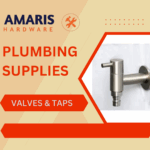 Valves & Taps
 Water Heaters
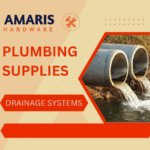 Drainage Systems
 Faucets & Fixtures
 Hoses & Tubing
 Hinges & Latches
 Hooks & Brackets
 Window Hardware
 Chains & Cables
 Casters & Wheels
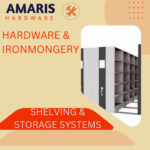 Shelving & Storage Systems
 Door Handles & Locks
 Drawer Slides & Cabinet Hardware
 Personal Protective Equipment (PPE)
 Respirators & Masks
 Safety Glasses
 Safes
Safes Security Cameras
 Gloves
 Helmets
 Ear Protection
 Fire Safety Equipment
 Locks & Padlocks
 Motion Sensors & Alarms
 Garden Fencing
 Garden Furniture Hardware
 Lawn Mowers
 Trimmers & Edgers
 Shovels & Spades
 Rakes & Hoes
 Pruning Shears & Loppers
 Watering Systems (Hoses, Sprinklers, Nozzles)
 Interior Paints
 Paint Brushes & Rollers
 Paint Strippers & Thinners
 Paint Trays & Accessories
 Exterior Paints
 Spray Paints
 Primers & Undercoats
 Varnishes & Stains
 Gaskets & Seals
 Hydraulic Fittings
 Industrial Fasteners
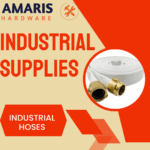 Industrial Hoses
 Lubricants & Greases
 Metal Sheets & Bars
 Bearings & Bushings
 Belts & Pulleys
 HVAC Filters
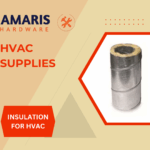 Insulation for HVAC
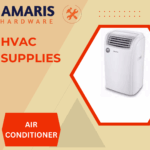 Air Conditioners
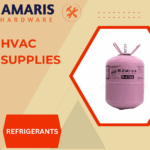 Refrigerants
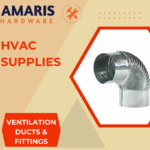 Ventilation Ducts & Fittings
 Thermostats & Controllers
 Fans & Blowers
 Pegboards & Hooks
 Shelving Units
 Storage Bins & Containers
 Toolboxes & Tool Chests
 Workbenches
 Drawer Organizers
 Labeling Supplies
 Welding Accessories (Clamps, Brushes)
 Welding Electrodes & Rods
 Welding Helmets & Gloves
 Welding Machines
 Soldering Irons & Stations
 Flux & Solder Wire
 Generator Accessories
 Inverters
 Portable Generators
 Power Inverters
 Transfer Switches
 Diesel & Gasoline Generators
 Transport Equipment: Carts, Dollies, and Hand Trucks
 Storage Solutions: Pallets, Racks, and Containers
 Lifting Equipment: Hoists, Cranes, and Jacks
 Conveyors & Accessories: Belts & Rollers
 Office Chairs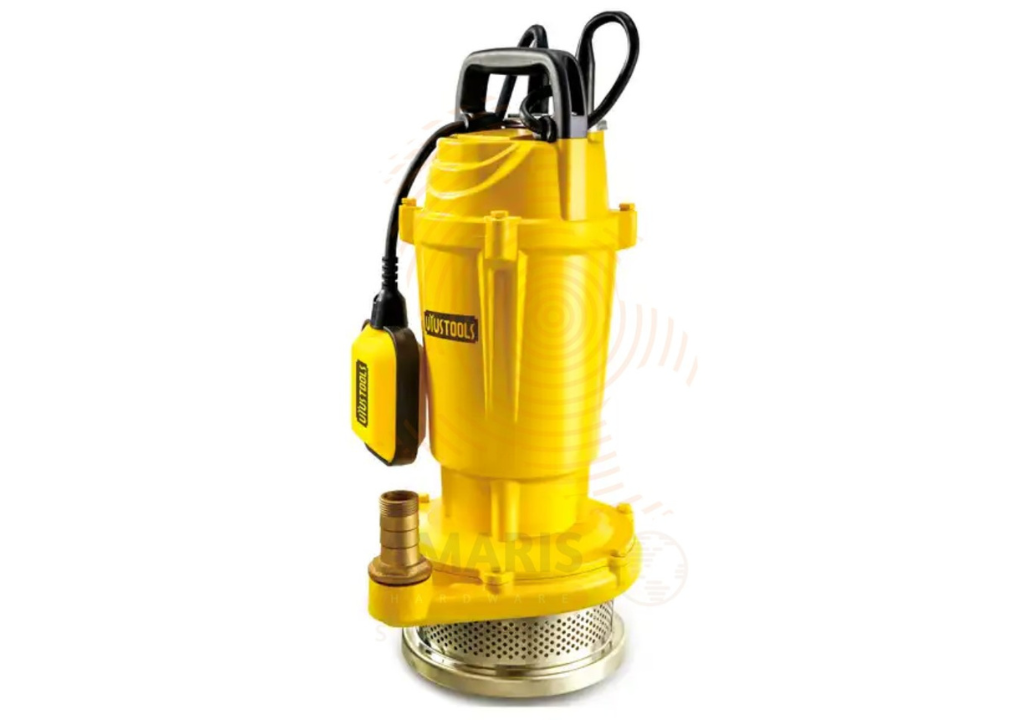


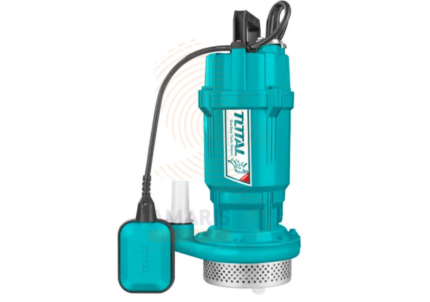
Submersible Clean Water Pump
Original price was: $ 92.31.$ 87.69Current price is: $ 87.69.
A submersible clean water pump is a specialized electric pump designed to be fully submerged in water, typically for the purpose of transferring or circulating clean water. Unlike surface pumps, these devices are specifically engineered to operate underwater, effectively drawing water from the source and then discharging it to another location. Submersible clean water pumps are commonly used in various applications such as residential water supply, irrigation, drainage, and fountain systems, where the water being handled is free from debris or contaminants. These pumps are sealed to prevent water from entering the internal components, ensuring safe and efficient operation when submerged.
Submersible Clean Water Pump
Uses
-
Residential Water Supply:
-
Submersible clean water pumps are often employed in residential settings to supply clean water for drinking, cooking, bathing, and other household activities. They are commonly installed in wells, boreholes, or other water sources.
-
-
Irrigation Systems:
-
Agriculture and landscaping often rely on submersible pumps to distribute water efficiently in irrigation systems. These pumps can be submerged in wells, ponds, or other water reservoirs to provide a reliable water supply for crops or gardens.
-
-
Drainage and Dewatering:
-
Submersible pumps are used for draining and dewatering flooded areas, such as basements, construction sites, and underground parking lots. They are effective in removing excess water quickly.
-
-
Fountain and Water Feature Circulation:
-
Submersible clean water pumps are commonly used to circulate water in fountains, ponds, and other decorative water features. They help maintain water movement and aeration, contributing to the health of aquatic ecosystems.
-
-
Groundwater Management:
-
Municipalities and industrial facilities use submersible pumps for managing groundwater levels. These pumps can be installed in wells or boreholes to control water levels and prevent flooding.
-
-
Aquaculture:
-
In fish farms and aquaculture operations, submersible pumps are employed to circulate and aerate water, ensuring proper oxygenation for fish and promoting a healthy aquatic environment.
-
-
Geothermal Heating and Cooling Systems:
-
Submersible clean water pumps play a role in geothermal systems, where they help circulate water for heat exchange, either for heating buildings in winter or cooling them in summer.
-
-
Industrial Water Transfer:
-
Industries utilize submersible clean water pumps for various purposes, including transferring water between different locations within a facility or from external water sources.
-
-
Mining Operations:
-
In mining, submersible pumps are used to handle water accumulation in pits, tunnels, and other excavation sites, helping to maintain a safe working environment.
-
-
Emergency Flood Response:
-
Submersible pumps are crucial in emergency situations where rapid water removal is needed to mitigate the impact of floods or heavy rainfall.
-
Safety Precautions
-
Read the User Manual:
· Thoroughly read and understand the user manual provided by the manufacturer. It contains critical specifications for maximum submersion depth, fluid temperature limits, electrical requirements, and specific installation instructions.
-
Personal Protective Equipment (PPE):
· Wear protective gloves when handling the pump to prevent cuts and improve grip. Wear safety glasses, especially during installation and removal, and non-slip footwear when working in wet areas.
-
Inspect the Pump and Cable Before Each Use:
· Inspect the pump housing for cracks or damage. Carefully examine the power cable and plug for any cuts, abrasions, or exposed wiring. A damaged cable must be replaced before use. Ensure the inlet screen/guard is clean and intact.
-
Ensure the Pump is Fully Submerged:
· Never run the pump dry. It must be fully submerged in the fluid it is designed to pump (clean water only) during operation. Running dry will cause rapid overheating and irreparable damage to the seals and motor.
-
Use a Ground Fault Circuit Interrupter (GFCI):
· Always plug the pump into a GFCI-protected electrical outlet. This is a critical safety measure to prevent fatal electric shock in the event of a fault, especially in wet environments.
-
Disconnect Power for All Handling:
· Always unplug the pump from the electrical outlet before lowering it into the water, removing it, performing any maintenance, cleaning the inlet screen, or adjusting the discharge hose.
-
Maintain a Safe Power Cord Path:
· Route the power cord and discharge hose safely to prevent tripping hazards, pinching, abrasion, or damage. Keep the cord away from sharp edges, hot surfaces, and the water's path.
-
Secure the Pump and Prevent "Churn" Cycling:
· If possible, suspend the pump off the bottom using a rope or resting bracket (not by its cord) to minimize sediment intake. Use a pump float switch or ensure the water source is large enough to prevent the pump from rapidly cycling on/off as it empties and refills.
-
Prevent Freezing and Overheating:
· Do not operate the pump in freezing conditions, as ice can damage internal components. Ensure the pumped water temperature does not exceed the maximum specified by the manufacturer (typically 35-40°C / 95-104°F).
-
Use Only for Intended Clean Water:
· This pump is designed for clean water only. Do not use it to pump saltwater, chemicals, sewage, muddy water, or liquids containing solids, sand, or abrasive materials, as this will cause immediate and severe damage.
-
Prevent Back Siphonage:
· If pumping into a potable water system (e.g., a pressure tank), you must use an approved anti-siphon or backflow prevention device to prevent contamination of the water supply.
-
Store the Pump Safely:
· After use, unplug the pump, drain all water from it, and clean it according to the manual. Store it coiled in a dry, protected location away from extreme temperatures. Ensure the power cord is not kinked.