
 Acrylic Sealants
 Construction Adhesives
 Double-Sided Tape
 Duct Tape
 Electrical Tape
 Epoxy & Resins
 Silicone Sealants
 Masking Tape
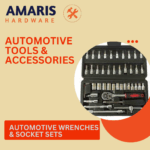 Automotive Wrenches & Socket Sets
 Battery Chargers & Jump Starters
 Car Jacks & Stands
 Car Wash & Detailing Products
 Diagnostic Tools
 Tire Inflators
 Vehicle Lighting
 Oil & Lubricants
 Adhesives & Sealants
 Bricks & Blocks
 Cement & Concrete
 Drywall & Plaster
 Flooring (Tiles, Wood, Laminate)
 Lumber & Plywood
 Paints, Primers & Coatings
 Insulation Materials
 Roofing Materials
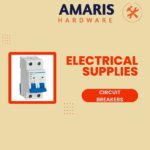 Circuit Breakers
 Electrical Cables & Wires
 Switches & Sockets
 Fuses & Relays
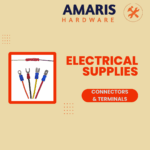 Connectors & Terminals
 Electrical Boxes & Panels
 Conduit & Fittings
 Lighting Fixtures & Bulbs
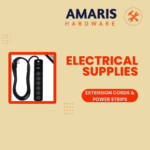 Extension Cords & Power Strips
 Anchors
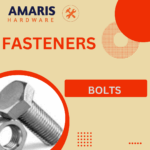 Bolts
Bolts Clips & Clamps
 Screws
 Nuts
Nuts Washers
 Rivets
 Nails
Nails Threaded Rods
 Hammers
 Measuring Tools (Tapes, Levels, Calipers)
 Screwdrivers
 Pliers & Cutters
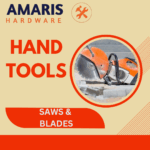 Saws & Blades
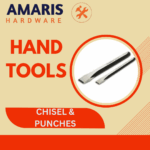 Chisels & Punches
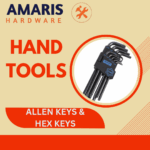 Allen Keys & Hex Keys
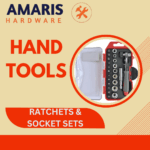 Ratchets & Socket Sets
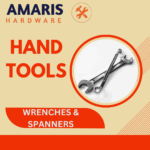 Wrenches & Spanners
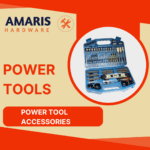 Power Tool Accessories (Blades, Bits, Discs)
 Rotary Tools
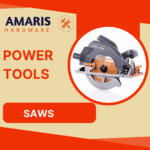 Saws (Circular, Jigsaw, Reciprocating)
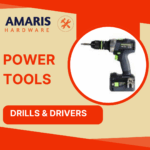 Drills & Drivers
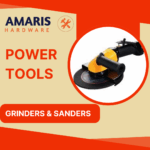 Grinders & Sanders
 Heat Guns
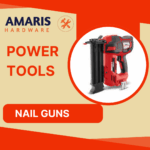 Nail Guns
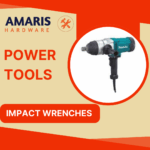 Impact Wrenches
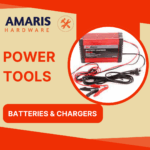 Batteries & Chargers
 Pipes & Fittings (PVC, Copper, PEX)
 Plumbing Tools
 Pumps & Motors
 Sealants & Adhesives for Plumbing
 Valves & Taps
 Water Heaters
 Drainage Systems
 Faucets & Fixtures
 Hoses & Tubing
 Hinges & Latches
 Hooks & Brackets
 Window Hardware
 Chains & Cables
 Casters & Wheels
 Shelving & Storage Systems
 Door Handles & Locks
 Drawer Slides & Cabinet Hardware
 Personal Protective Equipment (PPE)
 Respirators & Masks
 Safety Glasses
 Safes
Safes Security Cameras
 Gloves
 Helmets
 Ear Protection
 Fire Safety Equipment
 Locks & Padlocks
 Motion Sensors & Alarms
 Garden Fencing
 Garden Furniture Hardware
 Lawn Mowers
 Trimmers & Edgers
 Shovels & Spades
 Rakes & Hoes
 Pruning Shears & Loppers
 Watering Systems (Hoses, Sprinklers, Nozzles)
 Interior Paints
 Paint Brushes & Rollers
 Paint Strippers & Thinners
 Paint Trays & Accessories
 Exterior Paints
 Spray Paints
 Primers & Undercoats
 Varnishes & Stains
 Gaskets & Seals
 Hydraulic Fittings
 Industrial Fasteners
 Industrial Hoses
 Lubricants & Greases
 Metal Sheets & Bars
 Bearings & Bushings
 Belts & Pulleys
 HVAC Filters
 Insulation for HVAC
 Air Conditioners
 Refrigerants
 Ventilation Ducts & Fittings
 Thermostats & Controllers
 Fans & Blowers
 Pegboards & Hooks
 Shelving Units
 Storage Bins & Containers
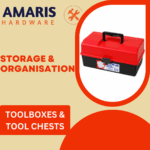 Toolboxes & Tool Chests
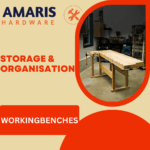 Workbenches
 Drawer Organizers
 Labeling Supplies
 Welding Accessories (Clamps, Brushes)
 Welding Electrodes & Rods
 Welding Helmets & Gloves
 Welding Machines
 Soldering Irons & Stations
 Flux & Solder Wire
 Generator Accessories
 Inverters
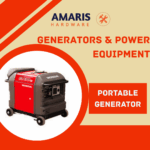 Portable Generators
 Power Inverters
 Transfer Switches
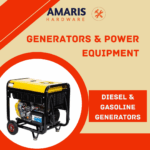 Diesel & Gasoline Generators
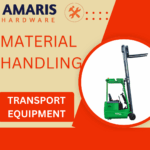 Transport Equipment: Carts, Dollies, and Hand Trucks
 Storage Solutions: Pallets, Racks, and Containers
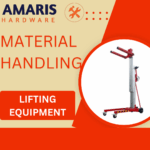 Lifting Equipment: Hoists, Cranes, and Jacks
 Conveyors & Accessories: Belts & Rollers
 Office Chairs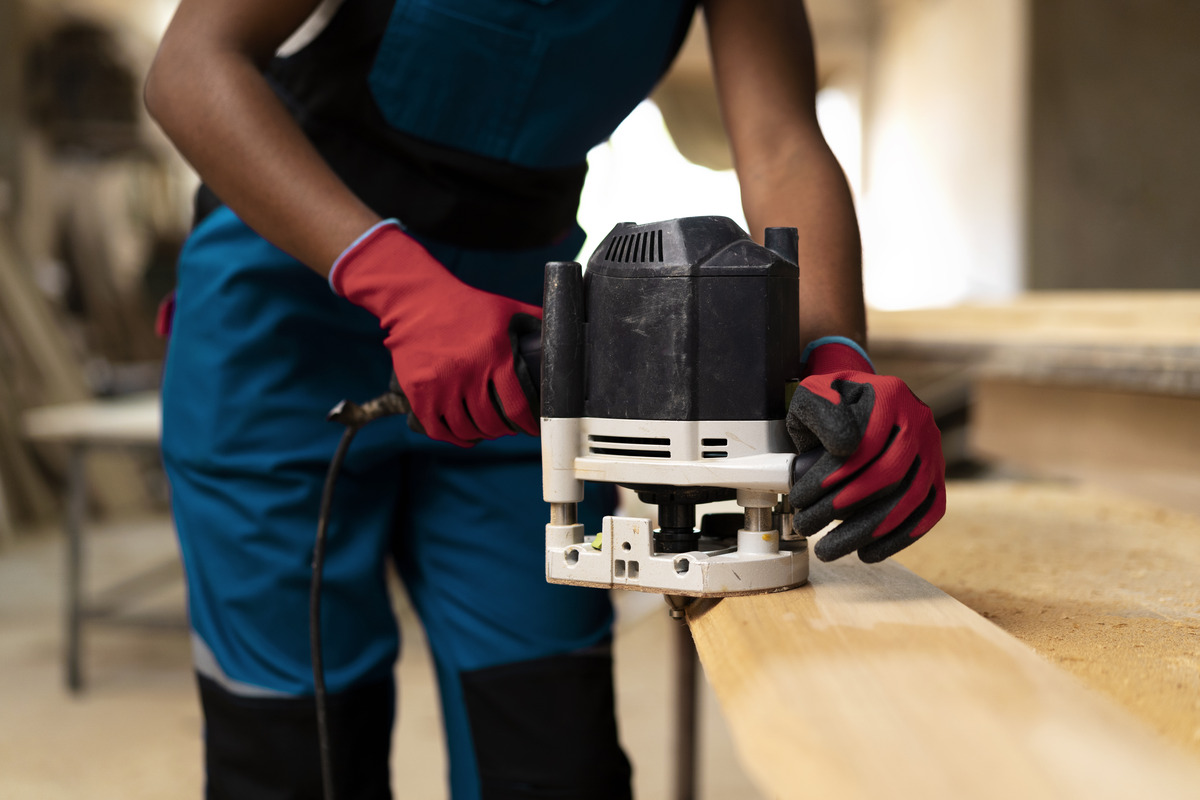
🏗️🔧 A Day on a Construction Site: The Tools That Keep Everything Moving

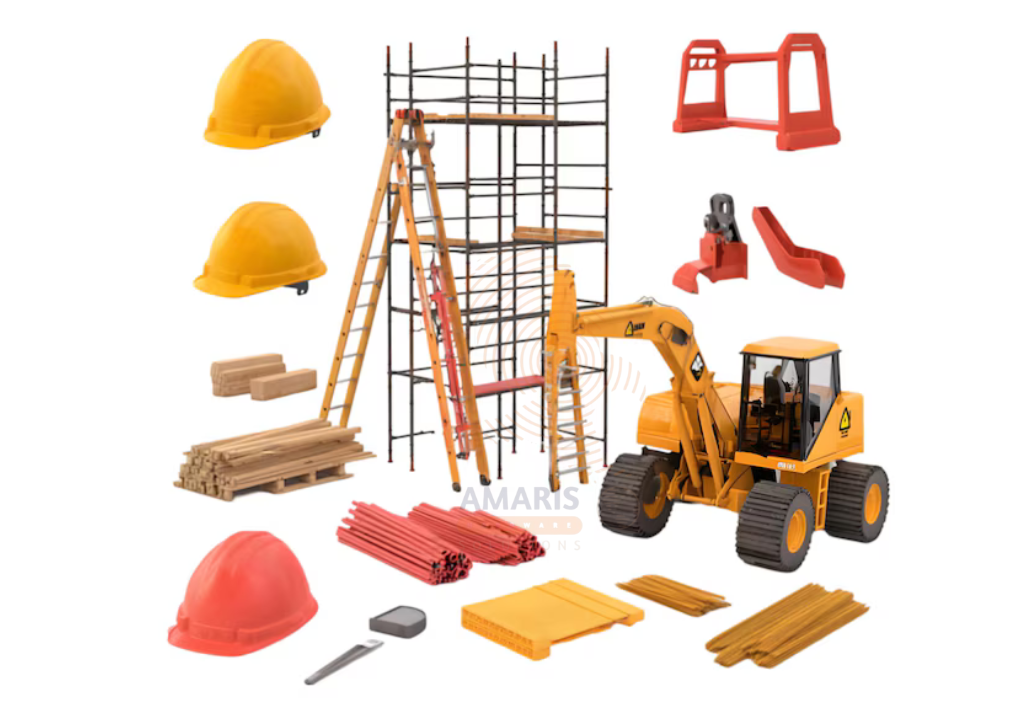
A construction site is a place where planning, skill, teamwork, and the right equipment come together to turn an idea into something real. From the moment workers arrive in the morning until the final tools are packed away at the end of the day, there is always something happening. Concrete is being mixed, measurements are being taken, materials are being moved, walls are being built, and finishing work is taking shape.
Behind all this activity is an important group of hardworking tools. Some are large and powerful, while others are small enough to fit inside a toolbox. Yet every tool plays a role in keeping the project moving forward. 🛠️
The day often begins with preparation and planning. Before construction work starts, workers need to check measurements, mark positions, and make sure everything is correctly aligned. This is where measuring tools become essential. Tape measures, spirit levels, laser levels, chalk line reels, and measuring squares help ensure that every part of the project starts accurately.
A small mistake at the beginning of a construction task can create a much bigger problem later. A wall that is slightly out of position or a poorly measured opening may require expensive corrections. That is why measuring tools are some of the most important pieces of equipment on site. 📏
Once measurements and markings are complete, the heavier work begins. Depending on the project, drills, rotary hammers, demolition hammers, and other power tools may be used to cut through, drill into, or remove tough materials. A rotary hammer drill, for example, can make working with concrete and masonry much easier than relying on manual methods.
Angle grinders are another common sight on busy construction sites. They are used for cutting metal, smoothing surfaces, trimming steel, and preparing materials for installation. Their versatility makes them valuable throughout different stages of construction. With the correct disc and proper handling, one angle grinder can perform several important tasks. ⚡
As the day progresses, workers may need to cut timber, metal, tiles, or other building materials. Circular saws, cut-off saws, marble cutters, and other cutting tools help speed up these tasks while improving accuracy. Sharp, high-quality blades and accessories are equally important because even the most powerful tool cannot perform well with a worn or unsuitable attachment.
Construction sites also depend heavily on hand tools. While power tools receive plenty of attention, simple equipment such as hammers, spanners, pliers, screwdrivers, chisels, and files remain essential. 🔨 These tools are often used for adjustments, assembly, repairs, and finishing tasks where precision and control are more important than raw power.
Moving materials is another major part of a construction project. Bags of cement, steel components, machinery, and other heavy items need to be transported safely around the site. Equipment such as chain blocks, chain hoists, flat webbing slings, and other lifting tools can help workers handle heavy loads more efficiently.
Using the correct lifting equipment is not only about saving time. It also helps reduce unnecessary physical strain and supports safer material handling. A project can quickly slow down when workers struggle to move heavy items manually, making reliable lifting tools an important part of site productivity. ⛓️
Water management can also become a challenge during construction. Water pumps may be used to remove excess water from excavations, supply water to certain areas, or assist with other site operations. During rainy conditions, drainage becomes especially important because standing water can delay work and create difficult working conditions. 💧
Air compressors also contribute to the daily rhythm of many construction sites and workshops. They can power pneumatic tools, assist with cleaning, support painting work, and provide compressed air for different applications. An air compressor may not always be the first tool people think about, but its versatility makes it a valuable piece of equipment.
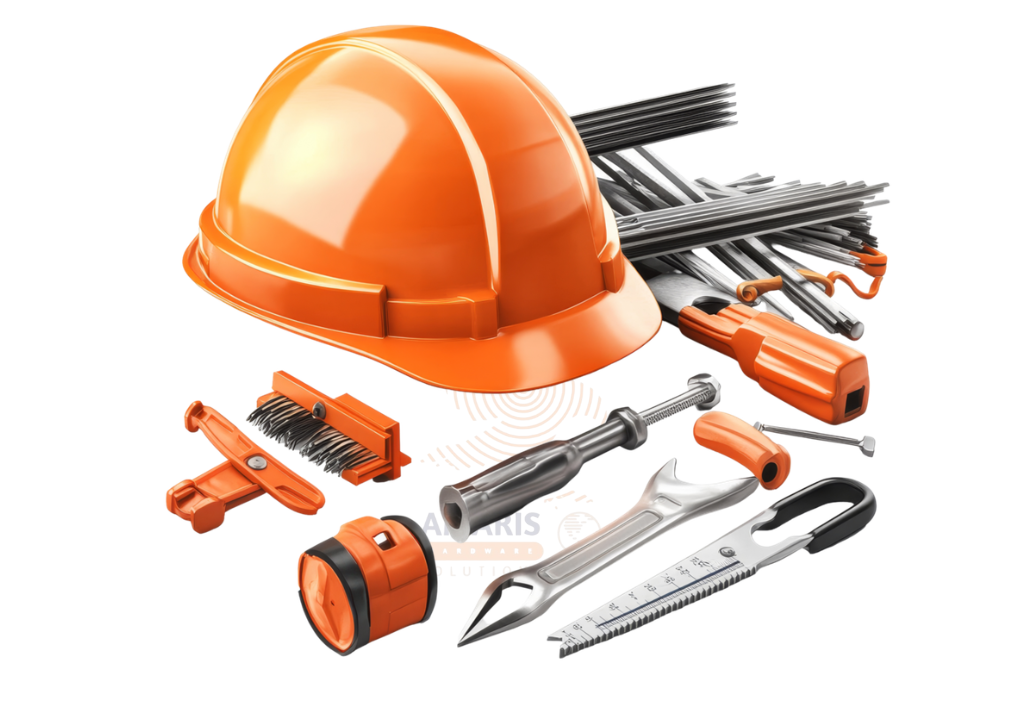
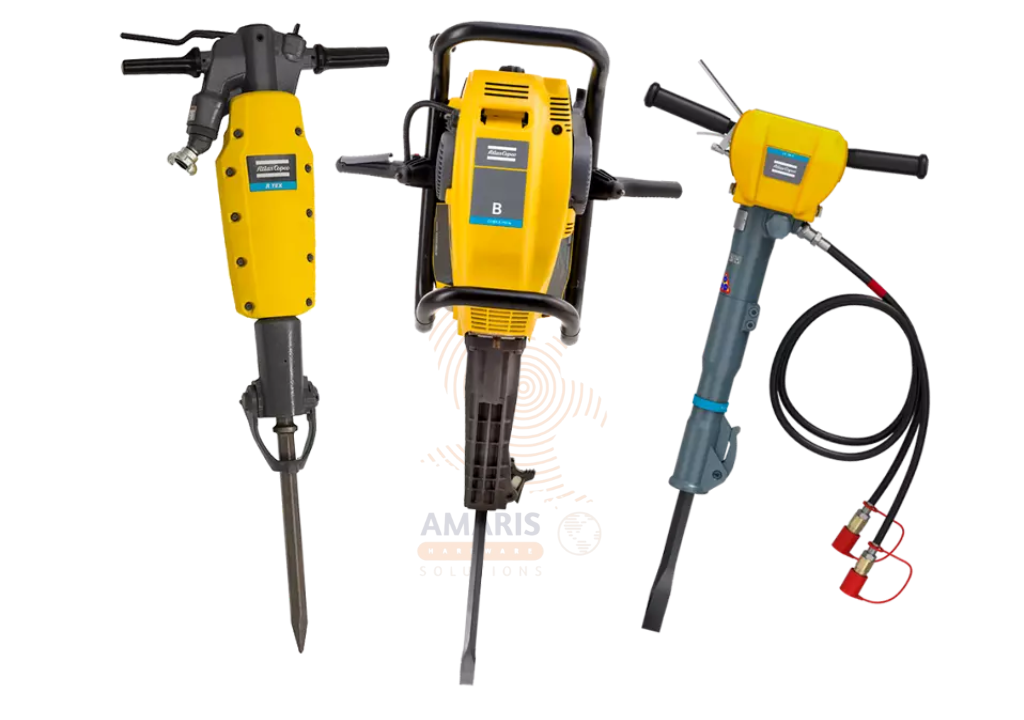
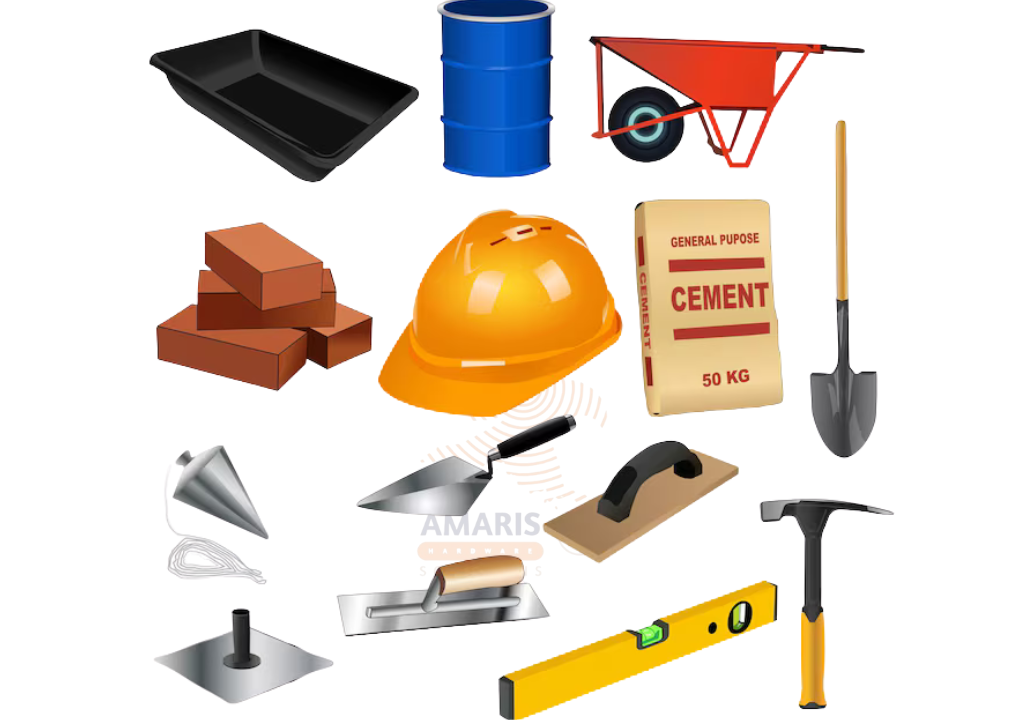
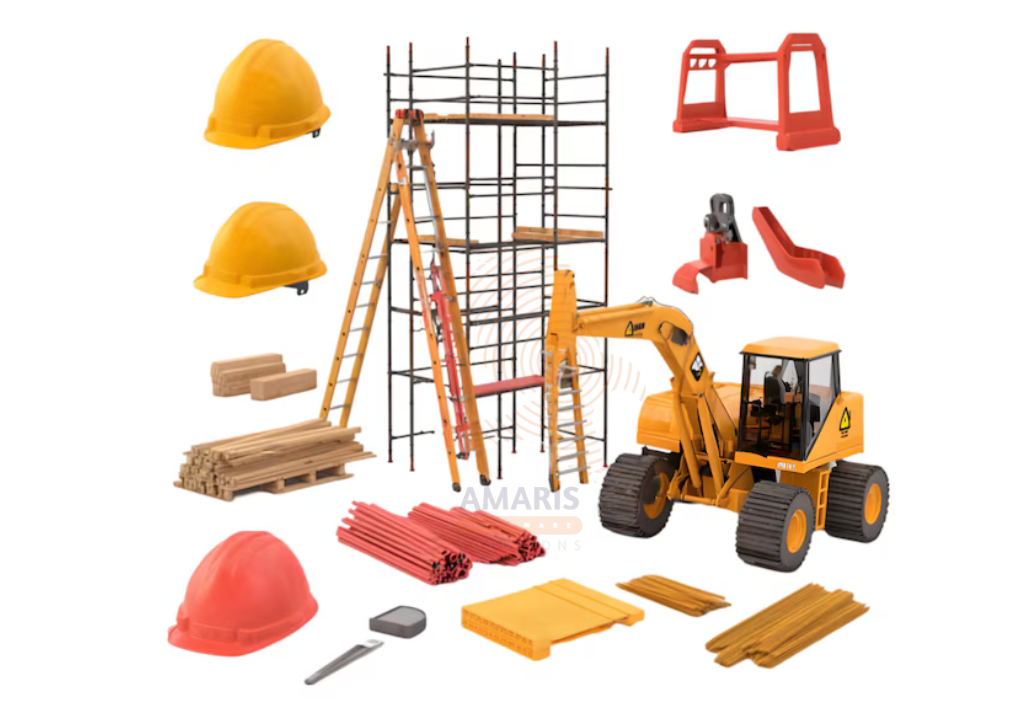
Of course, no construction site can operate effectively without proper safety equipment. Safety helmets, gloves, protective footwear, safety goggles, hearing protection, and high-visibility clothing all play an important role in protecting workers. Power tools and heavy equipment are incredibly useful, but they must be used responsibly.
Before starting any task, workers should inspect their tools and equipment. Damaged cables, worn discs, loose components, or faulty switches can create serious risks. Taking a few minutes to inspect equipment before use can prevent accidents and unexpected breakdowns later in the day. 🦺
As construction continues throughout the day, tool maintenance also becomes important. Dust, concrete residue, metal particles, and moisture can affect tool performance. Cleaning equipment, storing it correctly, and replacing worn accessories helps ensure that tools remain reliable from one project to the next.
Another important tool on every construction site is organization. A well-organized toolbox, storage system, or equipment area can save valuable time. Workers should not have to spend twenty minutes searching for a spanner, drill bit, or measuring tape. Keeping tools accessible and properly stored improves workflow and helps prevent equipment from being lost or damaged. 📦
By the end of the day, a successful construction site may look busy, dusty, and exhausted—but every completed wall, installed component, drilled hole, and finished surface tells the story of tools working together. From the simplest tape measure to the most powerful demolition hammer, every piece of equipment has contributed to moving the project one step closer to completion.
The next time you pass a construction site, take a moment to think about everything happening behind the scenes. Construction is not simply about bricks and concrete. It is a carefully coordinated process powered by skilled people and the right tools for every stage of the job. 🏗️✨
Whether it is measuring, drilling, cutting, lifting, cleaning, or finishing, the right equipment keeps work flowing from morning until evening. At the end of the day, construction tools are more than just pieces of hardware—they are the hardworking partners that help turn plans into structures and ideas into reality.