
 Acrylic Sealants
 Construction Adhesives
 Double-Sided Tape
 Duct Tape
 Electrical Tape
 Epoxy & Resins
 Silicone Sealants
 Masking Tape
 Automotive Wrenches & Socket Sets
 Battery Chargers & Jump Starters
 Car Jacks & Stands
 Car Wash & Detailing Products
 Diagnostic Tools
 Tire Inflators
 Vehicle Lighting
 Oil & Lubricants
 Adhesives & Sealants
 Bricks & Blocks
 Cement & Concrete
 Drywall & Plaster
 Flooring (Tiles, Wood, Laminate)
 Lumber & Plywood
 Paints, Primers & Coatings
 Insulation Materials
 Roofing Materials
 Circuit Breakers
 Electrical Cables & Wires
 Switches & Sockets
 Fuses & Relays
 Connectors & Terminals
 Electrical Boxes & Panels
 Conduit & Fittings
 Lighting Fixtures & Bulbs
 Extension Cords & Power Strips
 Anchors
 Bolts
Bolts Clips & Clamps
 Screws
 Nuts
Nuts Washers
 Rivets
 Nails
Nails Threaded Rods
 Hammers
 Measuring Tools (Tapes, Levels, Calipers)
 Screwdrivers
 Pliers & Cutters
 Saws & Blades
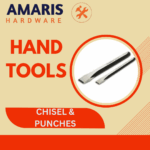 Chisels & Punches
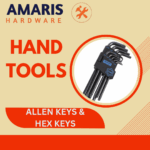 Allen Keys & Hex Keys
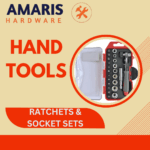 Ratchets & Socket Sets
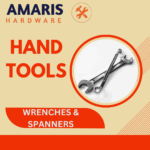 Wrenches & Spanners
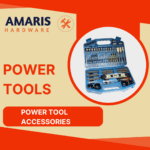 Power Tool Accessories (Blades, Bits, Discs)
 Rotary Tools
 Saws (Circular, Jigsaw, Reciprocating)
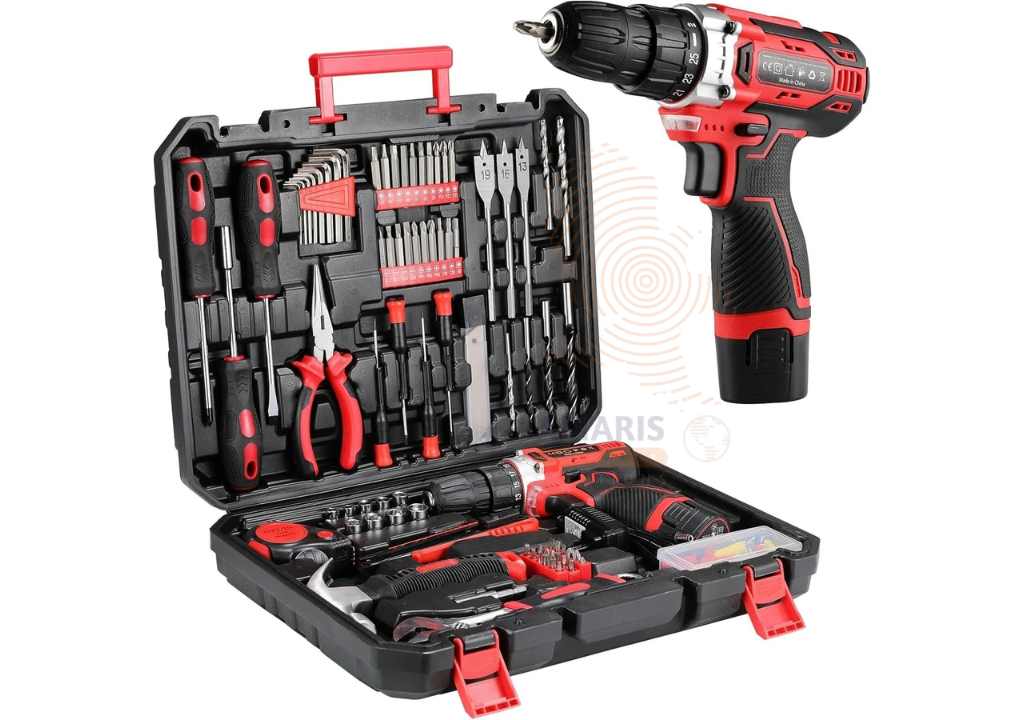
 Drills & Drivers
 Grinders & Sanders
 Heat Guns
 Nail Guns
 Impact Wrenches
 Batteries & Chargers
 Pipes & Fittings (PVC, Copper, PEX)
 Plumbing Tools
 Pumps & Motors
 Sealants & Adhesives for Plumbing
 Valves & Taps
 Water Heaters
 Drainage Systems
 Faucets & Fixtures
 Hoses & Tubing
 Hinges & Latches
 Hooks & Brackets
 Window Hardware
 Chains & Cables
 Casters & Wheels
 Shelving & Storage Systems
 Door Handles & Locks
 Drawer Slides & Cabinet Hardware
 Personal Protective Equipment (PPE)
 Respirators & Masks
 Safety Glasses
 Safes
Safes Security Cameras
 Gloves
 Helmets
 Ear Protection
 Fire Safety Equipment
 Locks & Padlocks
 Motion Sensors & Alarms
 Garden Fencing
 Garden Furniture Hardware
 Lawn Mowers
 Trimmers & Edgers
 Shovels & Spades
 Rakes & Hoes
 Pruning Shears & Loppers
 Watering Systems (Hoses, Sprinklers, Nozzles)
 Interior Paints
 Paint Brushes & Rollers
 Paint Strippers & Thinners
 Paint Trays & Accessories
 Exterior Paints
 Spray Paints
 Primers & Undercoats
 Varnishes & Stains
 Gaskets & Seals
 Hydraulic Fittings
 Industrial Fasteners
 Industrial Hoses
 Lubricants & Greases
 Metal Sheets & Bars
 Bearings & Bushings
 Belts & Pulleys
 HVAC Filters
 Insulation for HVAC
 Air Conditioners
 Refrigerants
 Ventilation Ducts & Fittings
 Thermostats & Controllers
 Fans & Blowers
 Pegboards & Hooks
 Shelving Units
 Storage Bins & Containers
 Toolboxes & Tool Chests
 Workbenches
 Drawer Organizers
 Labeling Supplies
 Welding Accessories (Clamps, Brushes)
 Welding Electrodes & Rods
 Welding Helmets & Gloves
 Welding Machines
 Soldering Irons & Stations
 Flux & Solder Wire
 Generator Accessories
 Inverters
 Portable Generators
 Power Inverters
 Transfer Switches
 Diesel & Gasoline Generators
 Transport Equipment: Carts, Dollies, and Hand Trucks
 Storage Solutions: Pallets, Racks, and Containers
 Lifting Equipment: Hoists, Cranes, and Jacks
 Conveyors & Accessories: Belts & Rollers
 Office Chairs
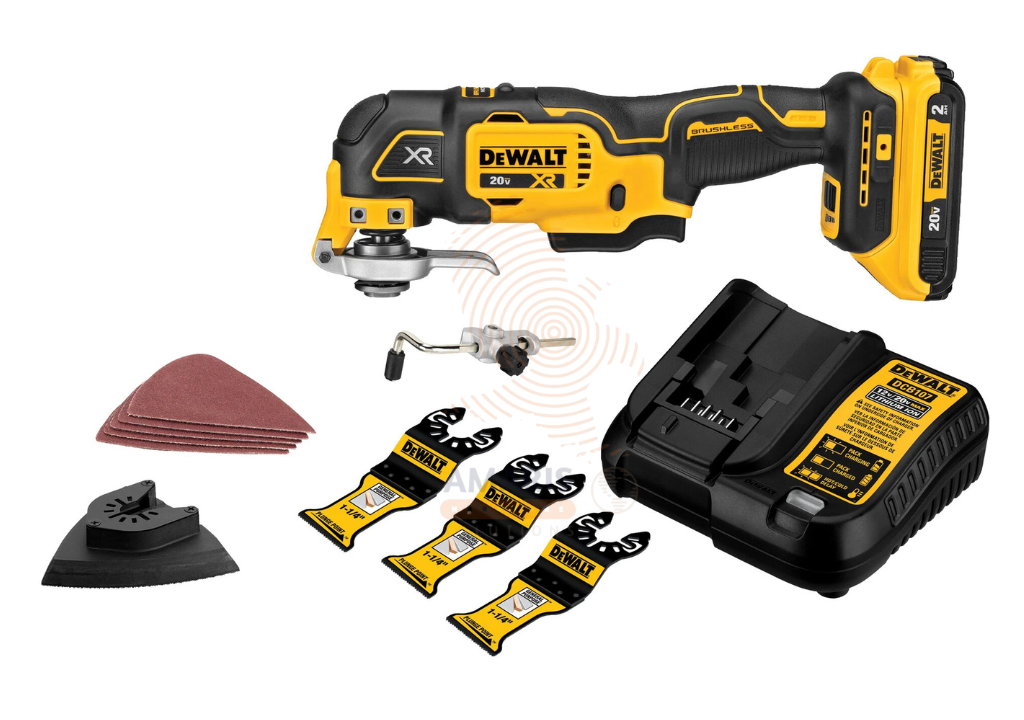
⚙️🔧 Power Tool Accessories: The Small Add-Ons That Make a Big Difference

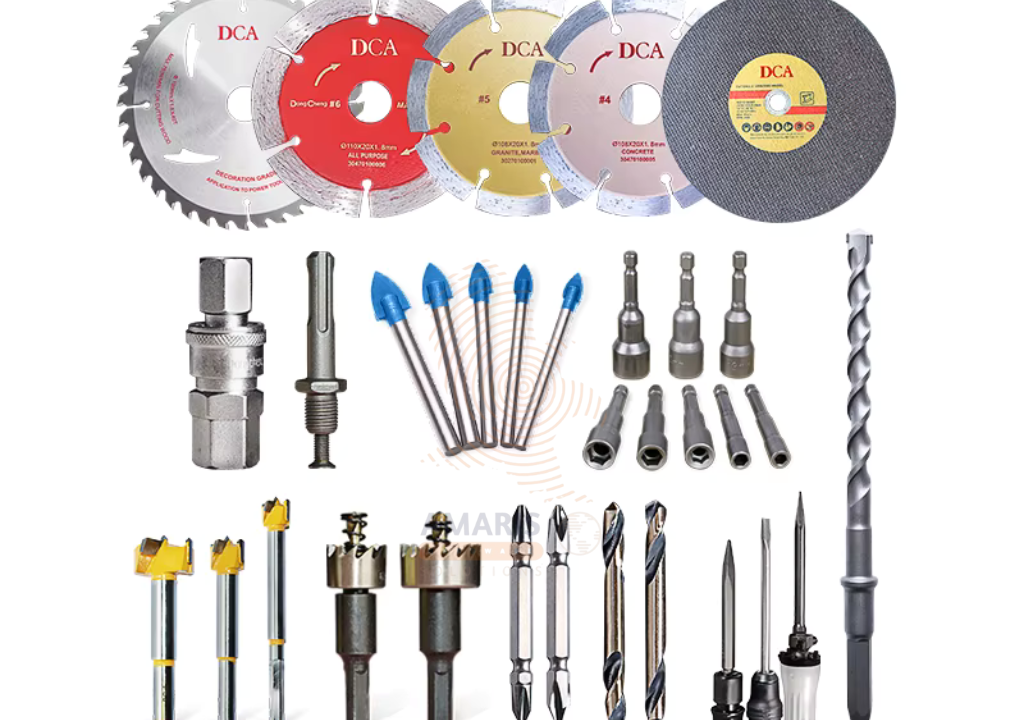
When people buy power tools, they usually focus on the main machine—the drill, grinder, saw, or rotary tool. But here’s something many beginners discover after a few projects: the power tool itself is only part of the equation. The right accessories can completely change what a tool can do, how efficiently it works, and the quality of the final result.
A powerful drill with the wrong bit won’t perform well. An angle grinder with the wrong disc can struggle with a simple cutting job. A circular saw with a worn or unsuitable blade can produce rough cuts and waste material. In other words, the small accessories attached to your tools can make a surprisingly big difference. 🛠️
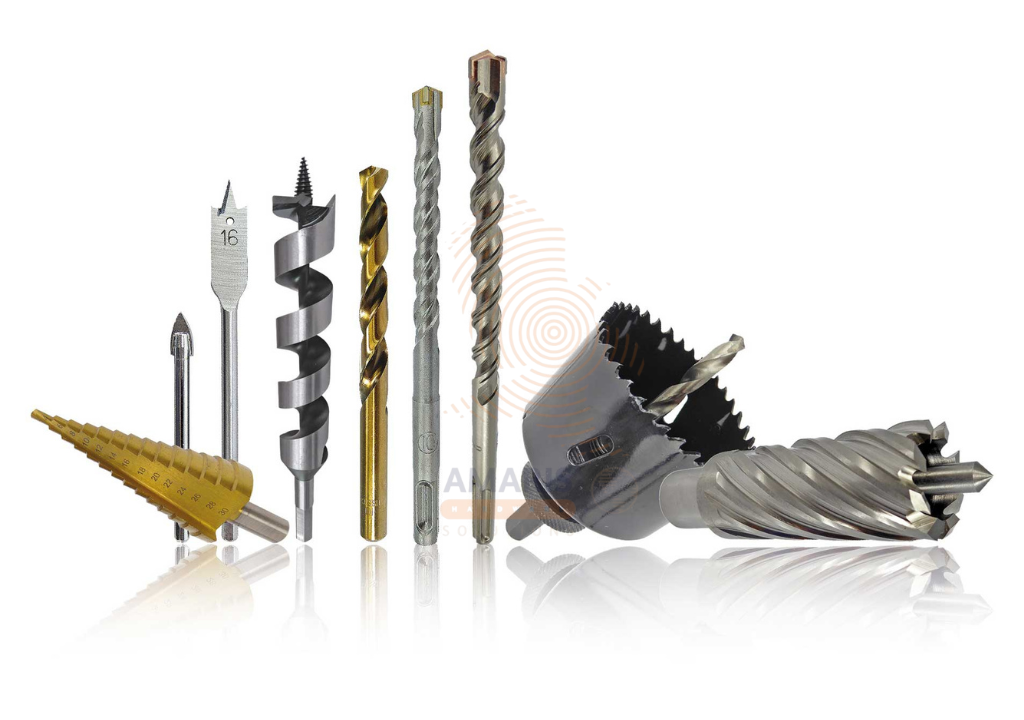
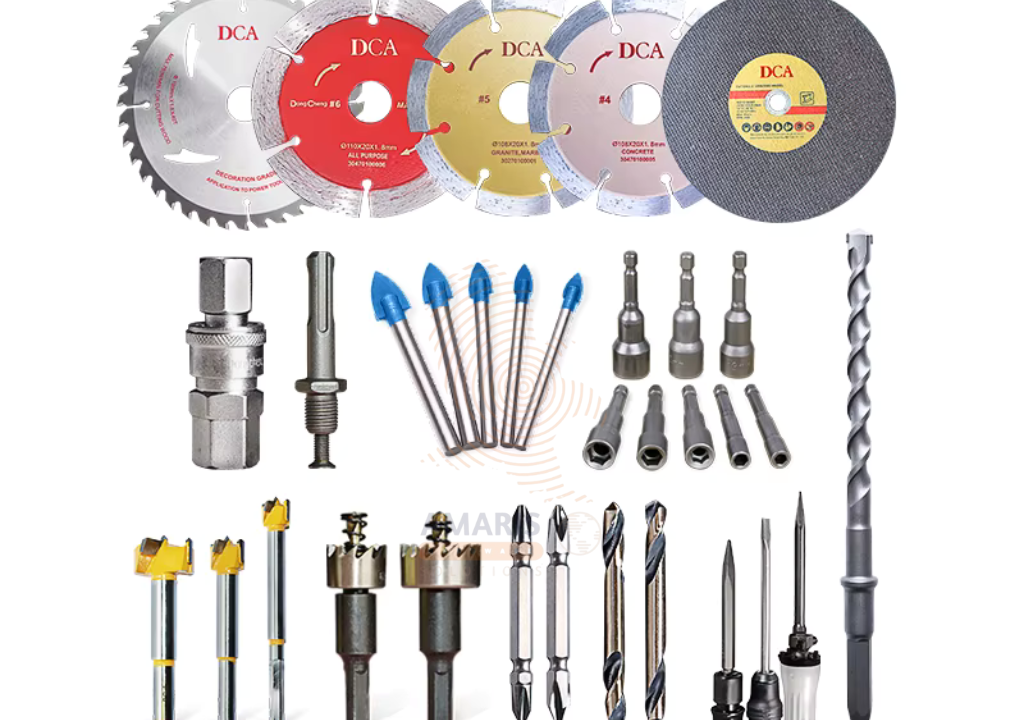
One of the most important power tool accessories is the drill bit. Drill bits come in different shapes and materials because different surfaces require different cutting characteristics. Wood, metal, concrete, glass, and masonry all require specific types of bits. Using the correct bit improves drilling speed, produces cleaner holes, and reduces unnecessary wear on both the accessory and the tool.
For example, masonry bits are designed to handle brick and concrete, while metal bits are manufactured for cutting through materials such as steel and aluminum. Wood bits, meanwhile, are designed to create clean and accurate holes in timber. Choosing the correct bit isn’t simply about convenience—it can prevent damaged materials and frustrating delays. 📏
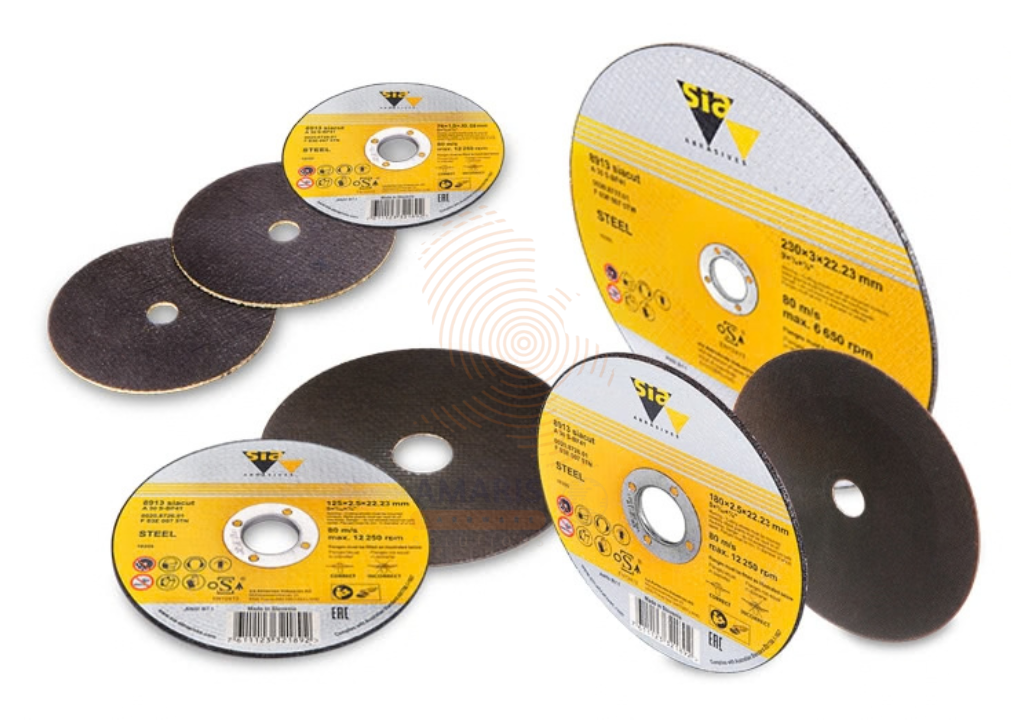
Then there are cutting discs, which are essential accessories for angle grinders and cut-off tools. Different discs are designed for different materials and applications. A disc intended for metal should not automatically be used on every other material. Choosing the right disc helps achieve cleaner cuts while allowing the grinder to operate more effectively.
Grinding and flap discs are equally useful when working with metal. Grinding discs can remove excess material, smooth rough surfaces, and shape metal, while flap discs are excellent for finishing and surface preparation. Having several options available can turn one angle grinder into a surprisingly versatile workshop tool.
For woodworking, saw blades are some of the most important accessories to consider. Blade tooth configuration, size, and intended material all affect cutting performance. A blade designed for rough timber cutting will produce different results from one designed for fine finishing. Using the right blade can mean the difference between a clean professional-looking cut and a damaged workpiece. 🪵
Another useful accessory is the hole saw. Instead of drilling a small hole, a hole saw allows users to create larger, clean circular openings in materials such as wood, plastic, and certain metals. They’re particularly useful when installing pipes, electrical fittings, lighting components, and other fixtures.
Sanding accessories can also dramatically improve the capabilities of power tools. Sanding discs, sheets, pads, and wheels are available in different grades of abrasiveness. Coarser abrasives are useful for removing material quickly, while finer grades are better for smoothing and finishing surfaces. Choosing the appropriate grit allows you to move from rough preparation to a smooth final finish without changing your entire tool.
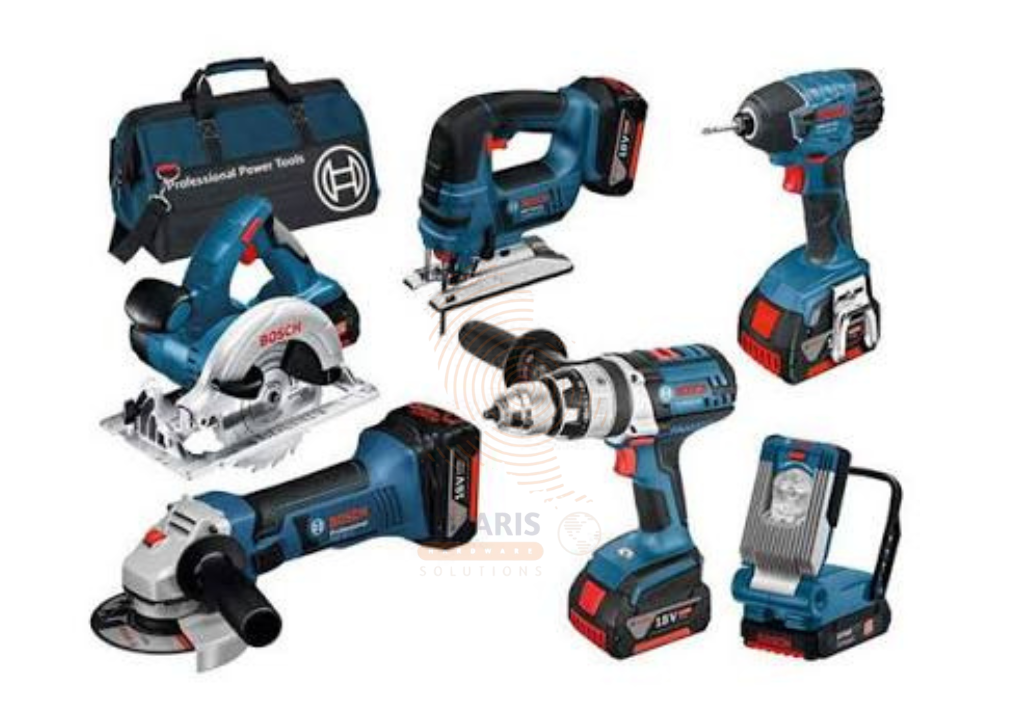
For cordless tools, batteries and chargers are accessories that deserve special attention. A high-capacity battery can extend working time, while a fast charger can reduce downtime between tasks. If several cordless tools use the same battery platform, investing in additional compatible batteries can keep multiple tools ready for use throughout the day. 🔋
There are also accessories designed to improve convenience and control. Flexible shaft extensions can help users reach awkward spaces, while adaptors can allow certain tools to work with different attachments. Additional handles and guides can provide better control and accuracy during demanding tasks.
One of the biggest mistakes users make is treating accessories as an afterthought. A high-quality power tool cannot compensate for an inappropriate, damaged, or worn accessory. In fact, the accessory is often the part doing the actual cutting, drilling, grinding, or sanding. That makes its condition and suitability extremely important.
Before starting a project, inspect your accessories carefully. Look for damaged blades, cracked discs, worn drill bits, or other signs of excessive wear. Replacing a worn accessory is usually far better than forcing it to continue working and risking poor results or equipment damage. ⚠️
It’s also important to match accessories with the specifications of your power tool. Check compatibility, size, speed ratings, and the manufacturer’s recommendations before installation. The right combination allows your equipment to perform as intended and helps maintain a safer working environment.
The beauty of power tool accessories is that they allow you to do more with the tools you already own. Instead of purchasing a separate machine for every task, you can expand the capabilities of one tool by choosing the right attachments.
Whether you’re a professional contractor, mechanic, carpenter, fabricator, or DIY enthusiast, accessories deserve just as much attention as the power tools themselves. The next time you’re shopping for a drill, grinder, saw, or rotary tool, don’t stop at the machine. Look at the bits, blades, discs, batteries, and attachments that can unlock its full potential. 🔧✨
Because sometimes, the smallest addition to your toolbox can make the biggest difference to your project.