

 Acrylic Sealants
 Construction Adhesives
 Double-Sided Tape
 Duct Tape
 Electrical Tape
 Epoxy & Resins
 Silicone Sealants
 Masking Tape
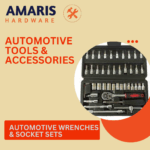 Automotive Wrenches & Socket Sets
 Battery Chargers & Jump Starters
 Car Jacks & Stands
 Car Wash & Detailing Products
 Diagnostic Tools
 Tire Inflators
 Vehicle Lighting
 Oil & Lubricants
 Adhesives & Sealants
 Bricks & Blocks
 Cement & Concrete
 Drywall & Plaster
 Flooring (Tiles, Wood, Laminate)
 Lumber & Plywood
 Paints, Primers & Coatings
 Insulation Materials
 Roofing Materials
 Circuit Breakers
 Electrical Cables & Wires
 Switches & Sockets
 Fuses & Relays
 Connectors & Terminals
 Electrical Boxes & Panels
 Conduit & Fittings
 Lighting Fixtures & Bulbs
 Extension Cords & Power Strips
 Anchors
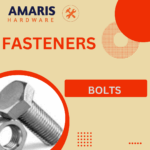 Bolts
Bolts Clips & Clamps
 Screws
 Nuts
Nuts Washers
 Rivets
 Nails
Nails Threaded Rods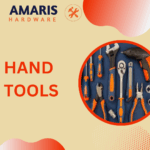
 Hammers
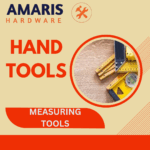 Measuring Tools (Tapes, Levels, Calipers)
 Screwdrivers
 Pliers & Cutters
 Saws & Blades
 Chisels & Punches
 Allen Keys & Hex Keys
 Ratchets & Socket Sets
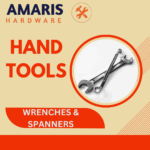 Wrenches & Spanners
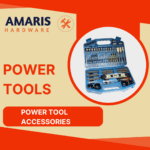 Power Tool Accessories (Blades, Bits, Discs)
 Rotary Tools
 Saws (Circular, Jigsaw, Reciprocating)
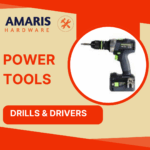 Drills & Drivers
 Grinders & Sanders
 Heat Guns
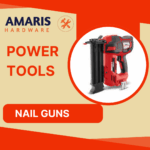 Nail Guns
 Impact Wrenches
 Batteries & Chargers
 Pipes & Fittings (PVC, Copper, PEX)
 Plumbing Tools
 Pumps & Motors
 Sealants & Adhesives for Plumbing
 Valves & Taps
 Water Heaters
 Drainage Systems
 Faucets & Fixtures
 Hoses & Tubing
 Hinges & Latches
 Hooks & Brackets
 Window Hardware
 Chains & Cables
 Casters & Wheels
 Shelving & Storage Systems
 Door Handles & Locks
 Drawer Slides & Cabinet Hardware
 Personal Protective Equipment (PPE)
 Respirators & Masks
 Safety Glasses
 Safes
Safes Security Cameras
 Gloves
 Helmets
 Ear Protection
 Fire Safety Equipment
 Locks & Padlocks
 Motion Sensors & Alarms
 Garden Fencing
 Garden Furniture Hardware
 Lawn Mowers
 Trimmers & Edgers
 Shovels & Spades
 Rakes & Hoes
 Pruning Shears & Loppers
 Watering Systems (Hoses, Sprinklers, Nozzles)
 Interior Paints
 Paint Brushes & Rollers
 Paint Strippers & Thinners
 Paint Trays & Accessories
 Exterior Paints
 Spray Paints
 Primers & Undercoats
 Varnishes & Stains
 Gaskets & Seals
 Hydraulic Fittings
 Industrial Fasteners
 Industrial Hoses
 Lubricants & Greases
 Metal Sheets & Bars
 Bearings & Bushings
 Belts & Pulleys
 HVAC Filters
 Insulation for HVAC
 Air Conditioners
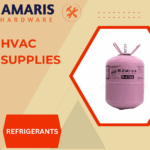 Refrigerants
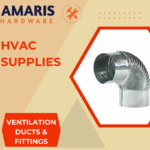 Ventilation Ducts & Fittings
 Thermostats & Controllers
 Fans & Blowers
 Pegboards & Hooks
 Shelving Units
 Storage Bins & Containers
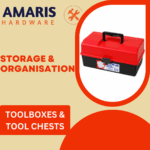 Toolboxes & Tool Chests
 Workbenches
 Drawer Organizers
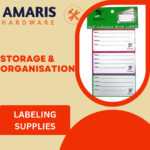 Labeling Supplies
 Welding Accessories (Clamps, Brushes)
 Welding Electrodes & Rods
 Welding Helmets & Gloves
 Welding Machines
 Soldering Irons & Stations
 Flux & Solder Wire
 Generator Accessories
 Inverters
 Portable Generators
 Power Inverters
 Transfer Switches
 Diesel & Gasoline Generators
 Transport Equipment: Carts, Dollies, and Hand Trucks
 Storage Solutions: Pallets, Racks, and Containers
 Lifting Equipment: Hoists, Cranes, and Jacks
 Conveyors & Accessories: Belts & Rollers
 Office Chairs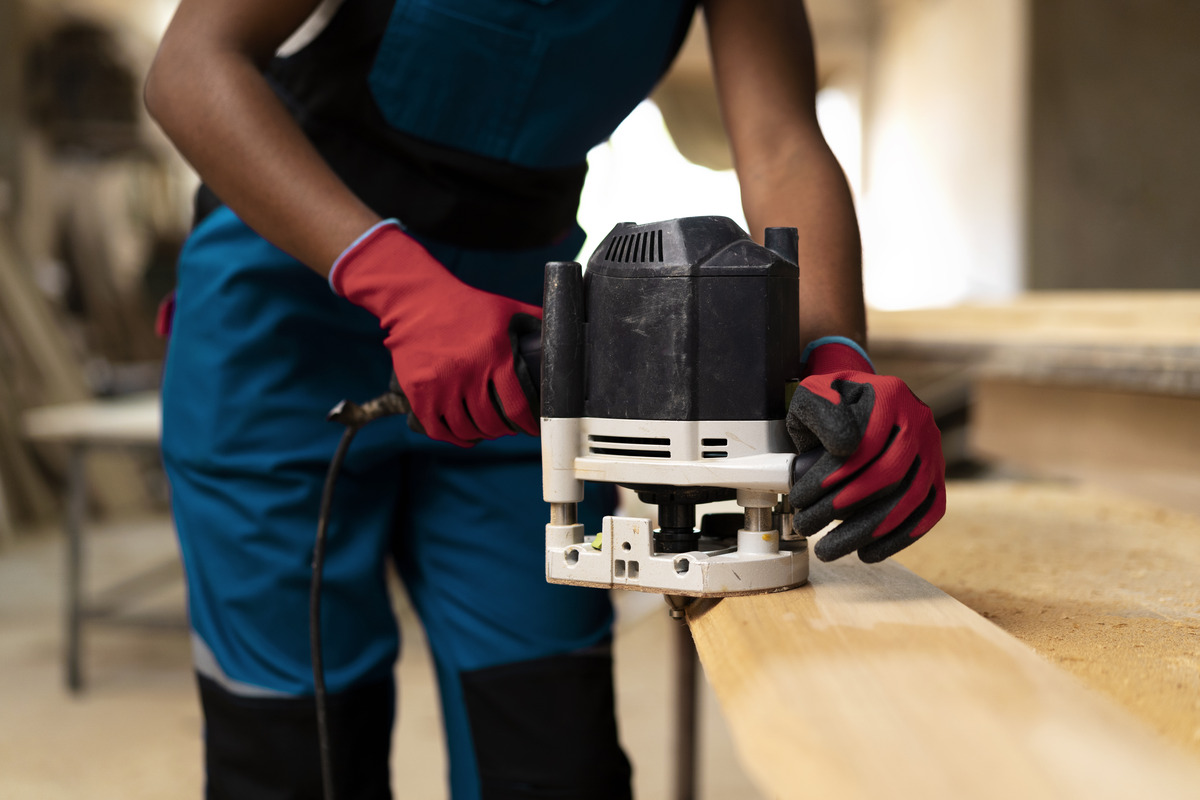
🔧🏠 10 Everyday Problems You Can Solve With the Right Hardware Tool

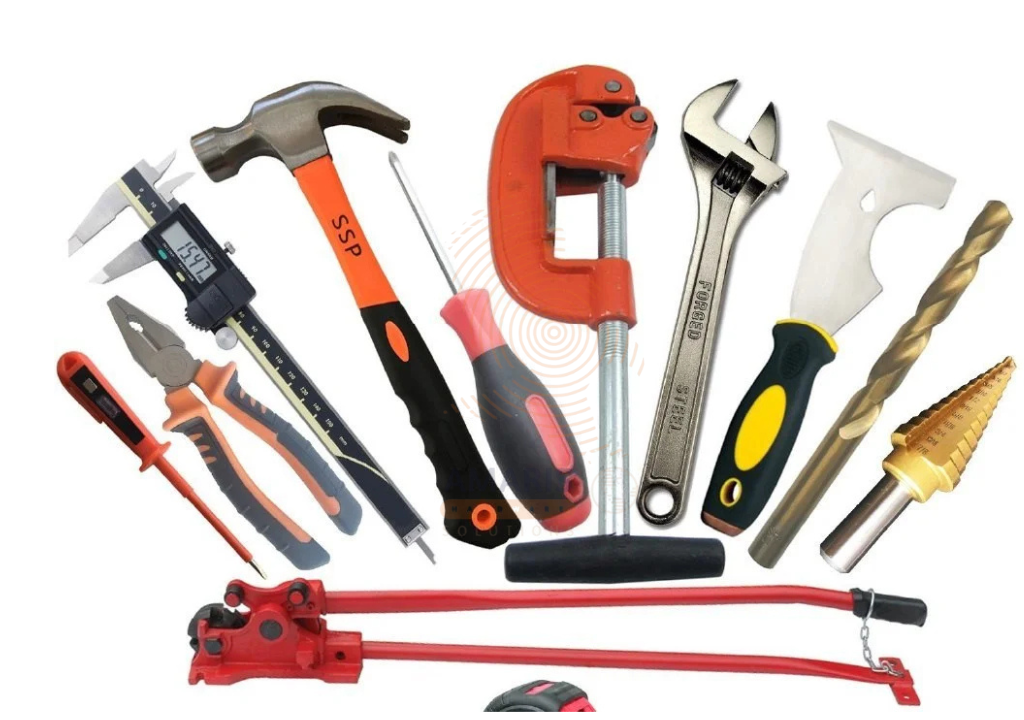
You don’t always need a professional to handle a small problem around the house. A loose screw, blocked fitting, flat tyre, or damaged piece of furniture can often be dealt with quickly when you have the right hardware tool nearby. 🛠️
The trick is knowing which tool to reach for. Having a few reliable tools at home can save time, reduce frustration, and help you avoid unnecessary repair costs. Here are 10 everyday problems that become much easier with the right equipment.
1. Loose Screws and Fittings 🔩
Loose cabinet handles, door hinges, furniture fittings, and wall fixtures are common household problems. A good screwdriver set can solve many of these issues within minutes. Having both Phillips and flat-head screwdrivers in different sizes ensures you’re prepared for different types of screws.
2. Furniture That Needs Assembly 🪑
Flat-pack furniture can be frustrating when you don’t have the right equipment. A cordless drill with screwdriver bits can make assembly significantly faster while helping you tighten fittings securely. Just remember to use an appropriate setting to avoid damaging the material.
3. Cutting Materials to Size ✂️
Need to cut timber, plastic, rope, or other materials? The right utility knife, hand saw, or power saw can make the job much easier. Choosing the tool according to the material gives you cleaner results and reduces unnecessary effort.
4. Measuring Before You Build 📏
Many DIY mistakes start with inaccurate measurements. A simple tape measure can help you determine the correct dimensions before installing shelves, cutting materials, hanging fixtures, or rearranging a room.
For larger projects, a laser measuring tool can make the process even faster.
5. Hanging Pictures or Shelves 🖼️
Installing something on a wall requires more than just a hammer. Depending on the wall material, you may need a drill, appropriate drill bit, wall plugs, anchors, and a level. Using the correct anchor is particularly important when installing heavier items.
6. Flat or Underinflated Tyres 🚗
A tyre pressure gauge and portable air compressor can be extremely useful for vehicle owners. Instead of guessing whether a tyre has enough air, you can measure its pressure and inflate it to the appropriate level. 🔧
Regular pressure checks can also contribute to better tyre performance and fuel efficiency.
7. Removing a Stubborn Bolt ⚙️
A bolt that refuses to move can quickly turn a simple repair into a frustrating project. A ratchet and socket set, combination spanners, penetrating lubricant, or locking pliers can provide the grip and leverage needed for many stubborn fasteners.
Always use the correct size tool to avoid damaging the fastener.
8. Cleaning Hard-to-Reach Areas 🧹
Dust and debris can accumulate inside machinery, workshops, garages, and other difficult areas. An air compressor with an air blow gun can provide a powerful stream of compressed air for suitable cleaning applications. 💨
Always use compressed air responsibly and wear appropriate eye protection.
9. Touching Up Paint 🎨
Small scratches, faded areas, or minor paint projects don’t always require professional equipment. A paint brush, roller, scraper, sanding tool, or spray gun, depending on the job, can help you achieve a cleaner finish.
Proper surface preparation is just as important as the paint itself.
10. Recovering a Lost or Dropped Metal Part 🧲
Dropped screws, nuts, and other metal components have a remarkable ability to disappear into tight spaces! A magnetic pickup tool can help retrieve magnetic metal objects from underneath vehicles, behind equipment, or inside difficult-to-reach areas.
It’s a simple tool that many people don’t think they need—until they need one.
🛠️ The Right Tool Makes the Difference
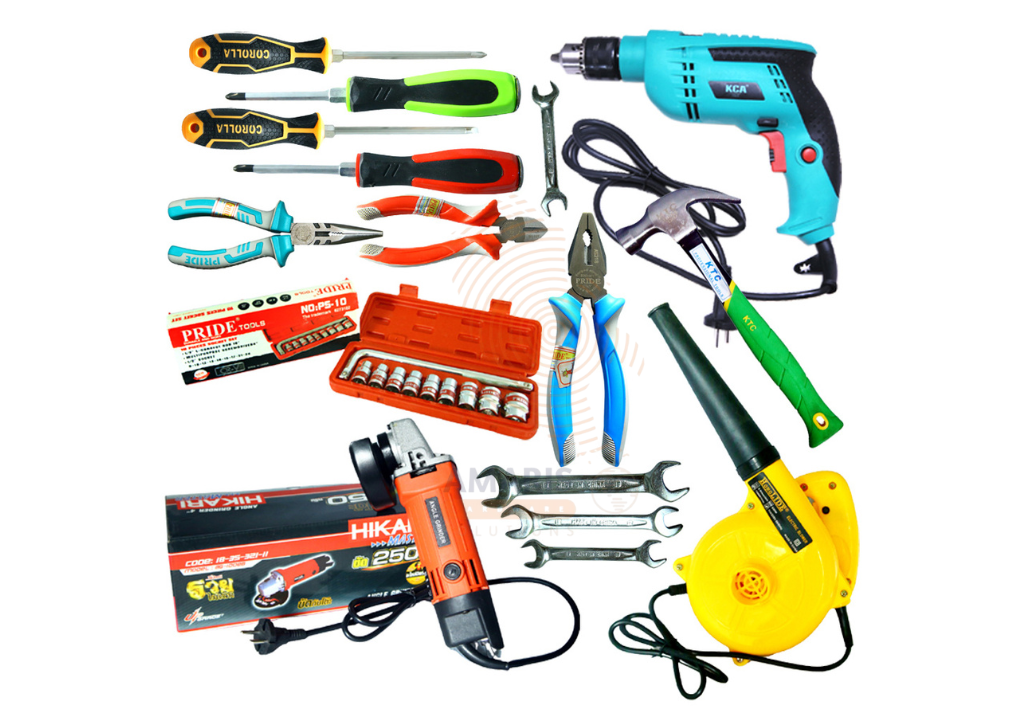
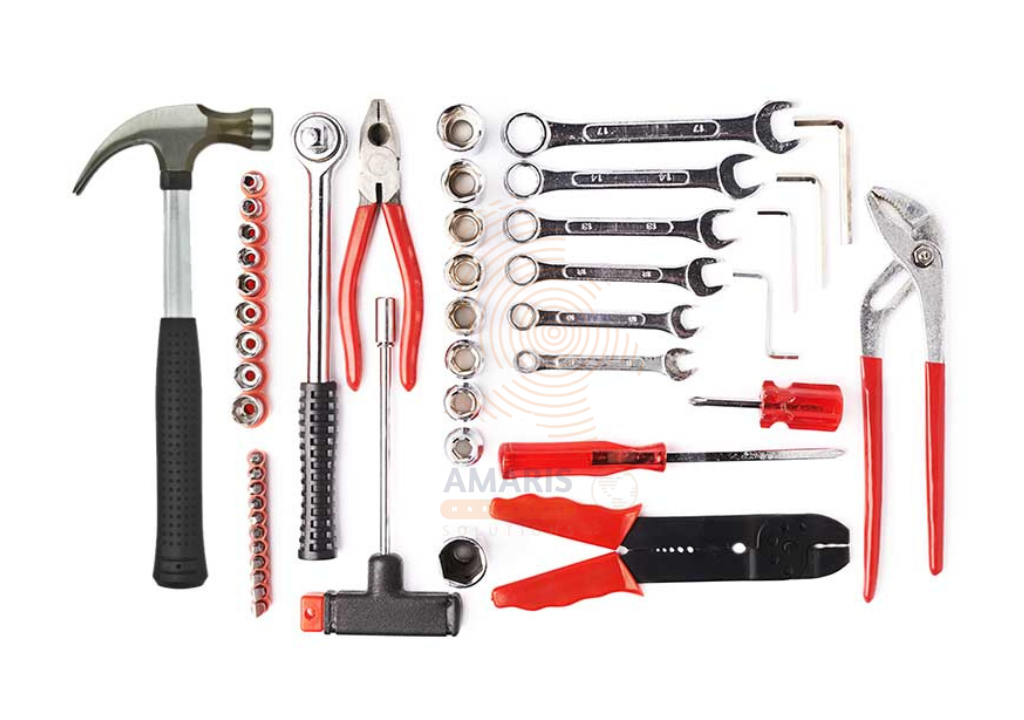
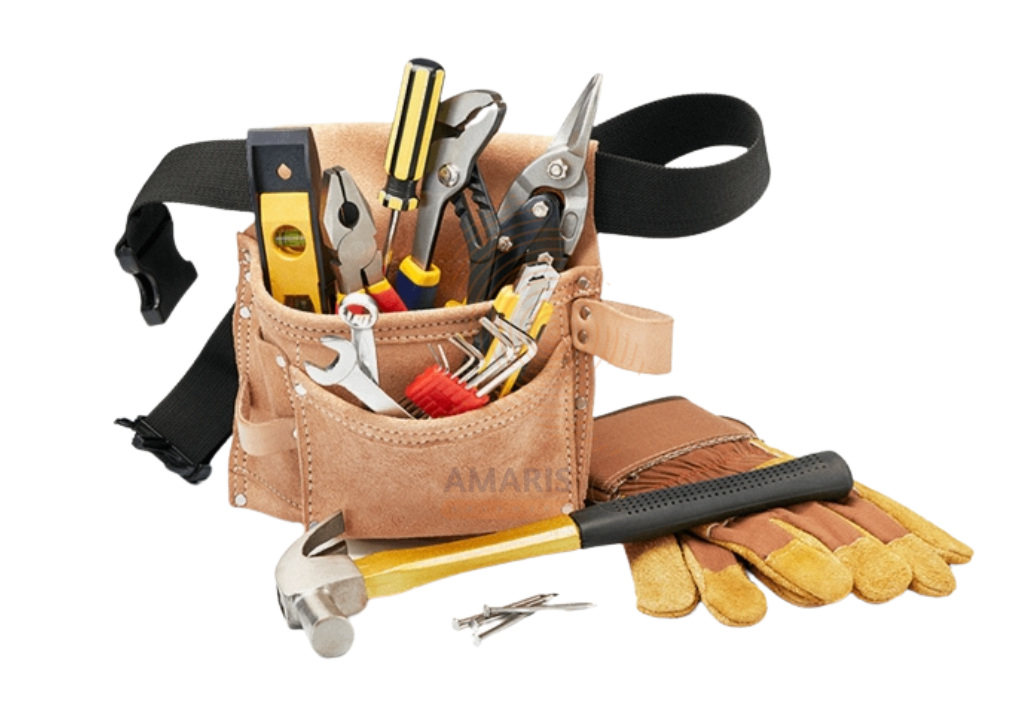
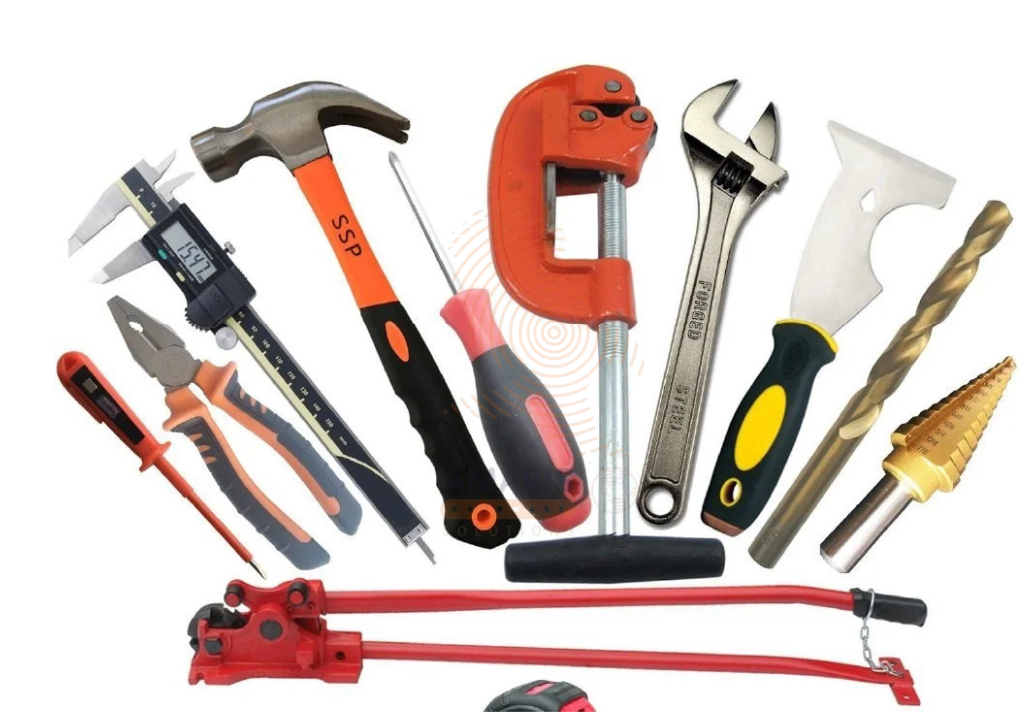
These examples show why having a basic hardware toolkit at home can be so valuable. You don’t need dozens of specialized tools. A good collection of screwdrivers, pliers, spanners, a hammer, tape measure, level, drill, utility knife, and basic accessories can handle a surprising number of everyday jobs.
The most important thing is choosing the correct tool for the task. Using the wrong equipment can damage materials, waste time, or create unnecessary safety risks. ⚠️
As your DIY skills grow, you can gradually add specialized tools based on the projects you actually undertake. This approach keeps your toolbox practical while ensuring every new addition has a purpose.
Sometimes, solving a frustrating household problem doesn’t require complicated equipment—it simply requires knowing which tool to pick up. 🔧✨