
 Acrylic Sealants
 Construction Adhesives
 Double-Sided Tape
 Duct Tape
 Electrical Tape
 Epoxy & Resins
 Silicone Sealants
 Masking Tape
 Automotive Wrenches & Socket Sets
 Battery Chargers & Jump Starters
 Car Jacks & Stands
 Car Wash & Detailing Products
 Diagnostic Tools
 Tire Inflators
 Vehicle Lighting
 Oil & Lubricants
 Adhesives & Sealants
 Bricks & Blocks
 Cement & Concrete
 Drywall & Plaster
 Flooring (Tiles, Wood, Laminate)
 Lumber & Plywood
 Paints, Primers & Coatings
 Insulation Materials
 Roofing Materials
 Circuit Breakers
 Electrical Cables & Wires
 Switches & Sockets
 Fuses & Relays
 Connectors & Terminals
 Electrical Boxes & Panels
 Conduit & Fittings
 Lighting Fixtures & Bulbs
 Extension Cords & Power Strips
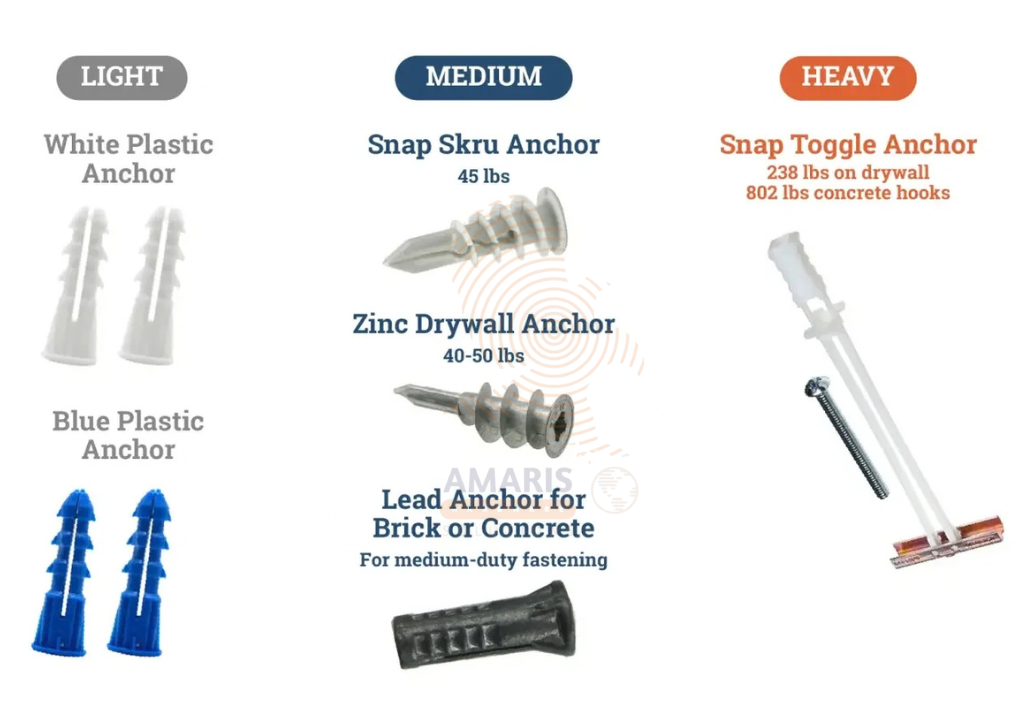
 Anchors
 Bolts
Bolts Clips & Clamps
 Screws
 Nuts
Nuts Washers
 Rivets
 Nails
Nails Threaded Rods
 Hammers
 Measuring Tools (Tapes, Levels, Calipers)
 Screwdrivers
 Pliers & Cutters
 Saws & Blades
 Chisels & Punches
 Allen Keys & Hex Keys
 Ratchets & Socket Sets
 Wrenches & Spanners
 Power Tool Accessories (Blades, Bits, Discs)
 Rotary Tools
 Saws (Circular, Jigsaw, Reciprocating)
 Drills & Drivers
 Grinders & Sanders
 Heat Guns
 Nail Guns
 Impact Wrenches
 Batteries & Chargers
 Pipes & Fittings (PVC, Copper, PEX)
 Plumbing Tools
 Pumps & Motors
 Sealants & Adhesives for Plumbing
 Valves & Taps
 Water Heaters
 Drainage Systems
 Faucets & Fixtures
 Hoses & Tubing
 Hinges & Latches
 Hooks & Brackets
 Window Hardware
 Chains & Cables
 Casters & Wheels
 Shelving & Storage Systems
 Door Handles & Locks
 Drawer Slides & Cabinet Hardware
 Personal Protective Equipment (PPE)
 Respirators & Masks
 Safety Glasses
 Safes
Safes Security Cameras
 Gloves
 Helmets
 Ear Protection
 Fire Safety Equipment
 Locks & Padlocks
 Motion Sensors & Alarms
 Garden Fencing
 Garden Furniture Hardware
 Lawn Mowers
 Trimmers & Edgers
 Shovels & Spades
 Rakes & Hoes
 Pruning Shears & Loppers
 Watering Systems (Hoses, Sprinklers, Nozzles)
 Interior Paints
 Paint Brushes & Rollers
 Paint Strippers & Thinners
 Paint Trays & Accessories
 Exterior Paints
 Spray Paints
 Primers & Undercoats
 Varnishes & Stains
 Gaskets & Seals
 Hydraulic Fittings
 Industrial Fasteners
 Industrial Hoses
 Lubricants & Greases
 Metal Sheets & Bars
 Bearings & Bushings
 Belts & Pulleys
 HVAC Filters
 Insulation for HVAC
 Air Conditioners
 Refrigerants
 Ventilation Ducts & Fittings
 Thermostats & Controllers
 Fans & Blowers
 Pegboards & Hooks
 Shelving Units
 Storage Bins & Containers
 Toolboxes & Tool Chests
 Workbenches
 Drawer Organizers
 Labeling Supplies
 Welding Accessories (Clamps, Brushes)
 Welding Electrodes & Rods
 Welding Helmets & Gloves
 Welding Machines
 Soldering Irons & Stations
 Flux & Solder Wire
 Generator Accessories
 Inverters
 Portable Generators
 Power Inverters
 Transfer Switches
 Diesel & Gasoline Generators
 Transport Equipment: Carts, Dollies, and Hand Trucks
 Storage Solutions: Pallets, Racks, and Containers
 Lifting Equipment: Hoists, Cranes, and Jacks
 Conveyors & Accessories: Belts & Rollers
 Office Chairs
⏱️🔧 The Real Cost of Tool Downtime on a Construction Project

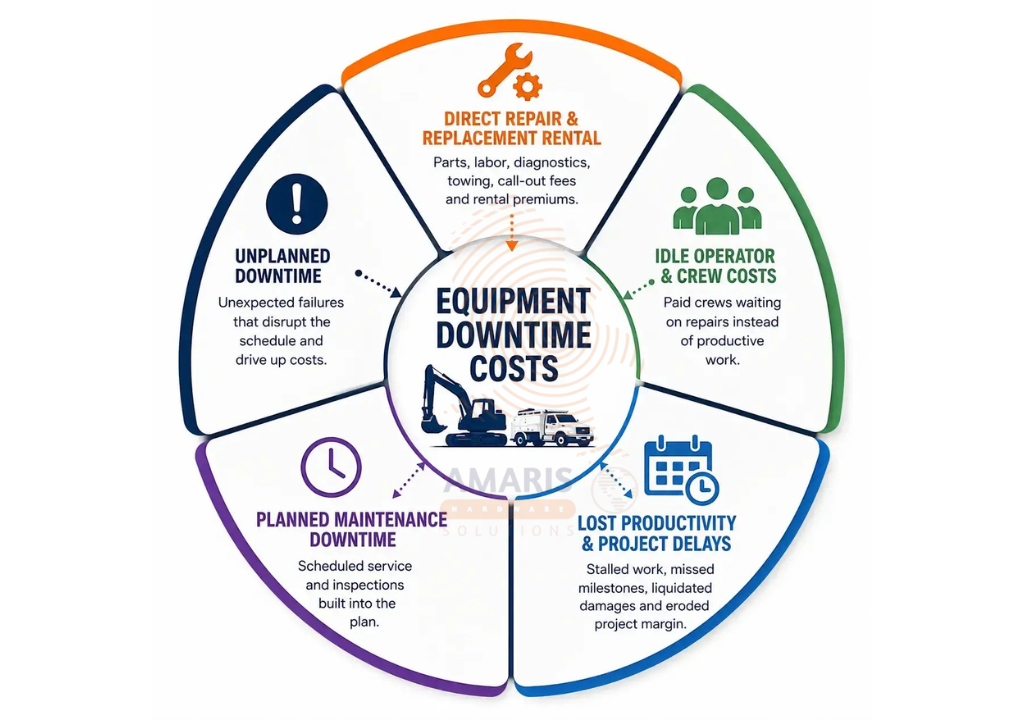
On a busy construction site, time is money. When a tool stops working, it may seem like a small inconvenience—but the impact can quickly spread across the entire project. A faulty drill, broken grinder, dead battery, or missing accessory can bring an important task to a complete stop. 🏗️
Tool downtime is the period when equipment is unavailable when workers need it. While the immediate problem may be a single tool, the real cost can include lost working hours, delayed tasks, idle workers, rescheduling, and even missed project deadlines.
Imagine a team preparing to install steel components, only to discover that their cutting tool has failed. The workers may have to wait for a replacement, borrow equipment from another team, or travel to purchase a new tool. ⏳ What should have been a quick task can suddenly consume several hours.
The cost becomes even greater when multiple workers are affected. If five people are waiting for one essential tool, the project isn’t losing the productivity of one person—it’s potentially losing the productivity of the entire team.
This is why tool reliability matters. Quality equipment that is properly maintained is less likely to fail unexpectedly. Regular inspection, cleaning, lubrication where appropriate, and timely replacement of worn components can help keep tools ready for work. 🛠️
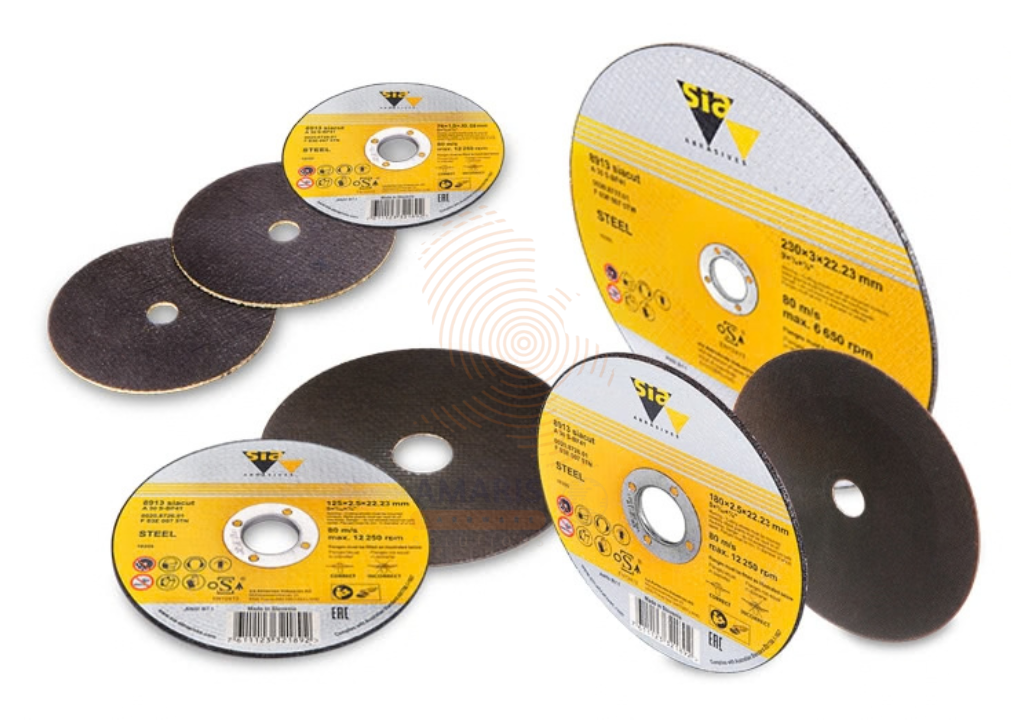
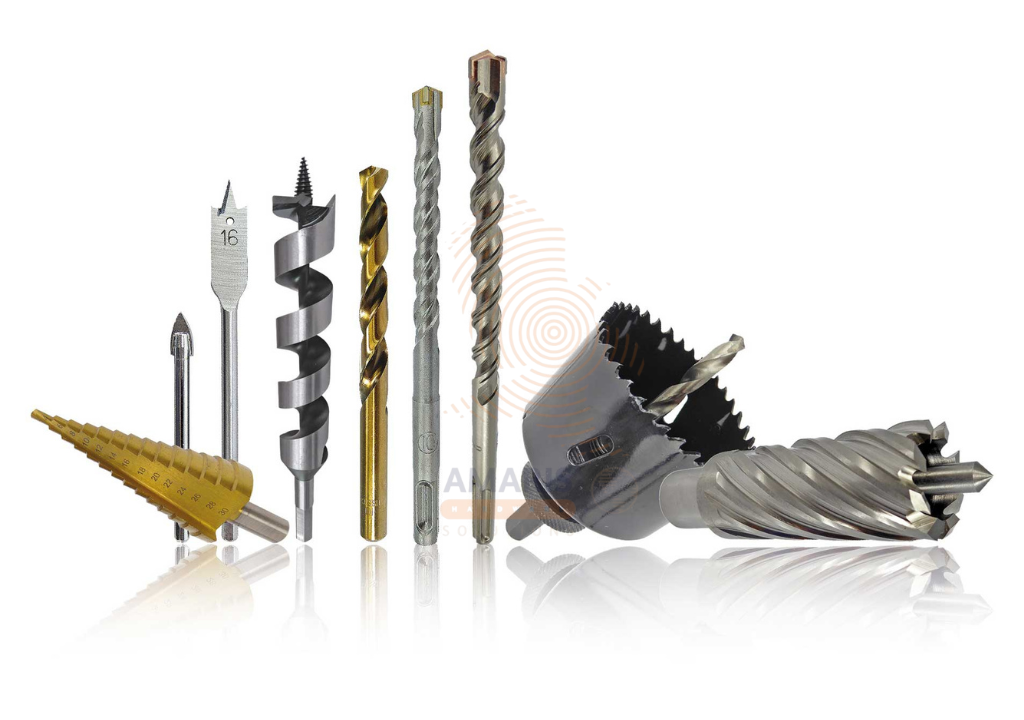
Accessories are another often-overlooked cause of downtime. A drill may be perfectly functional, but if the required drill bit is broken or missing, the job can still stop. The same applies to saw blades, grinding discs, batteries, chargers, and other attachments.
Having essential spare accessories available can prevent unnecessary interruptions. A contractor who keeps replacement blades, bits, batteries, and other commonly used consumables on site can often continue working instead of stopping to find replacements.
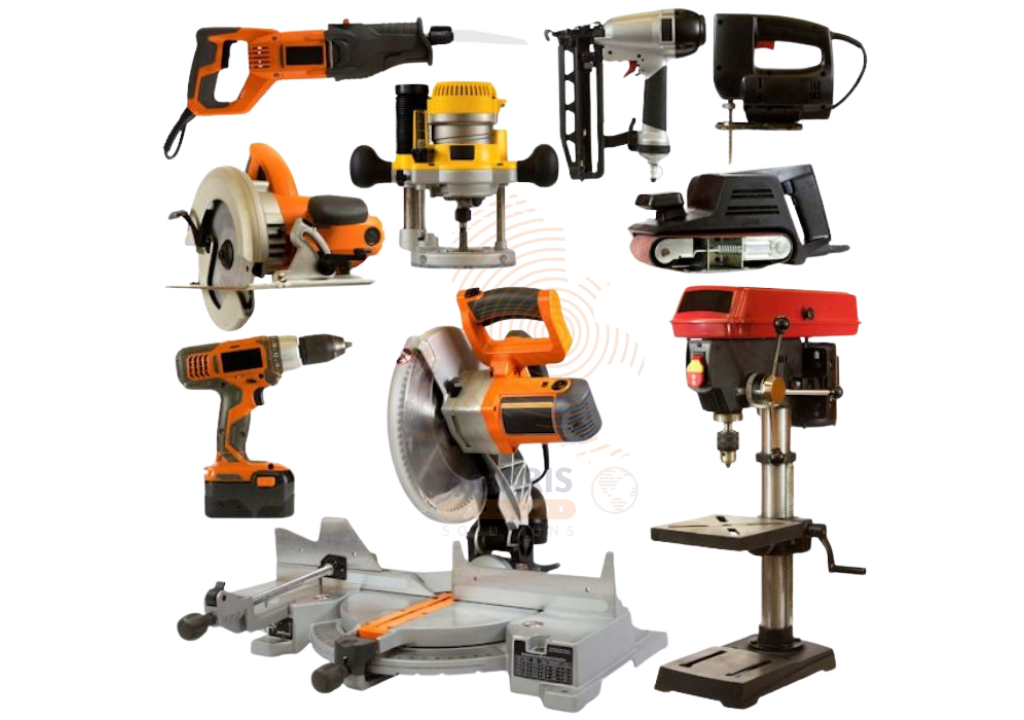
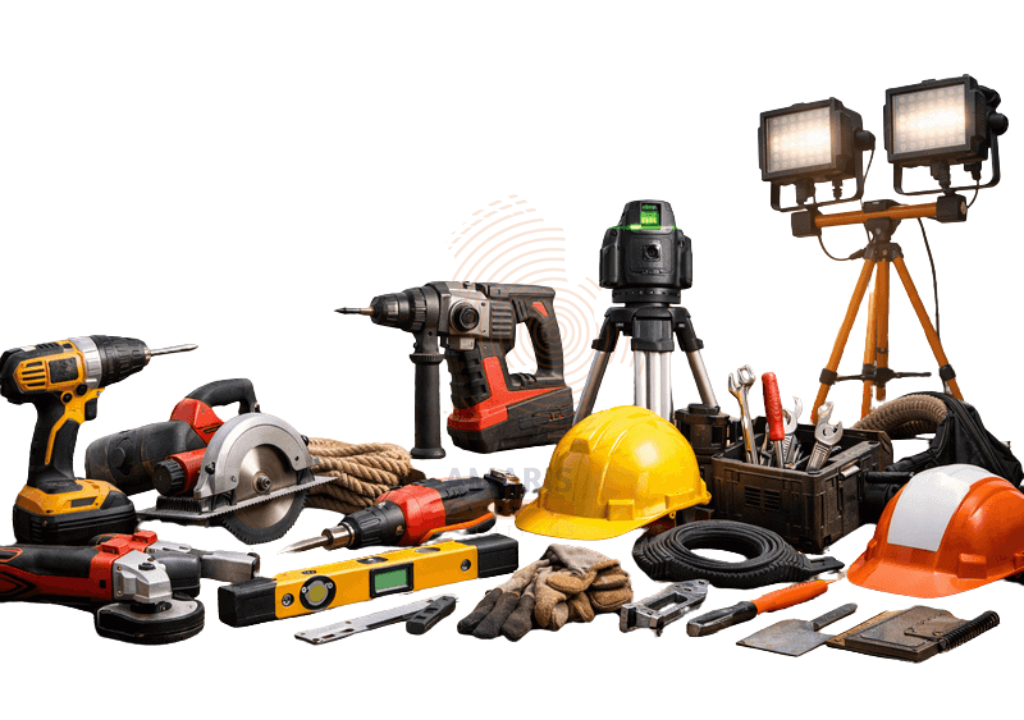
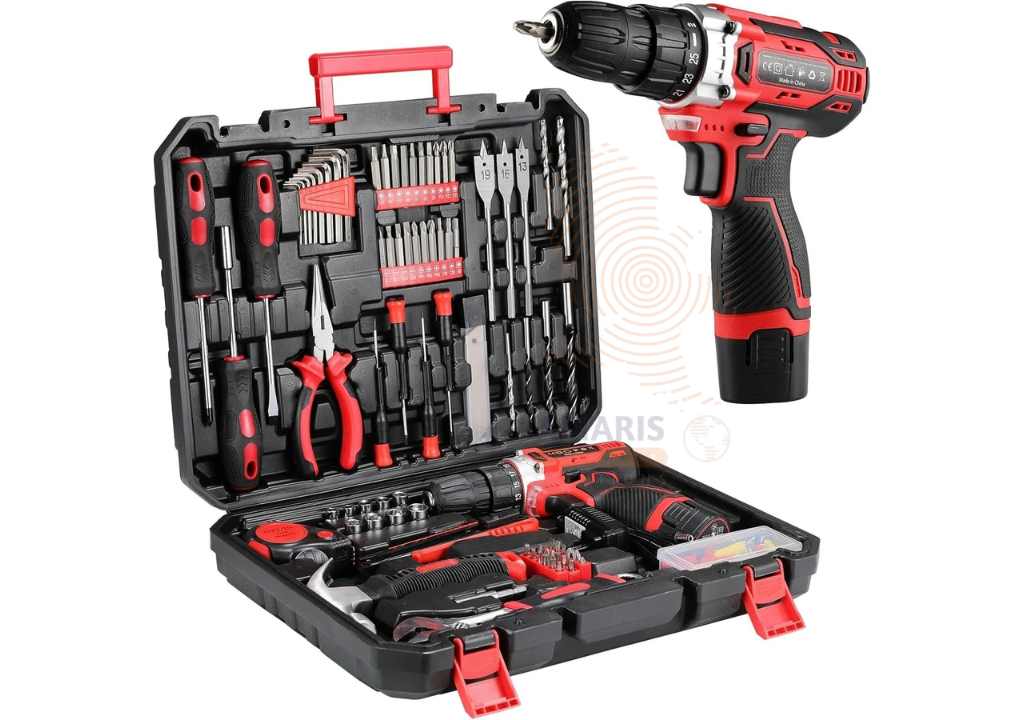
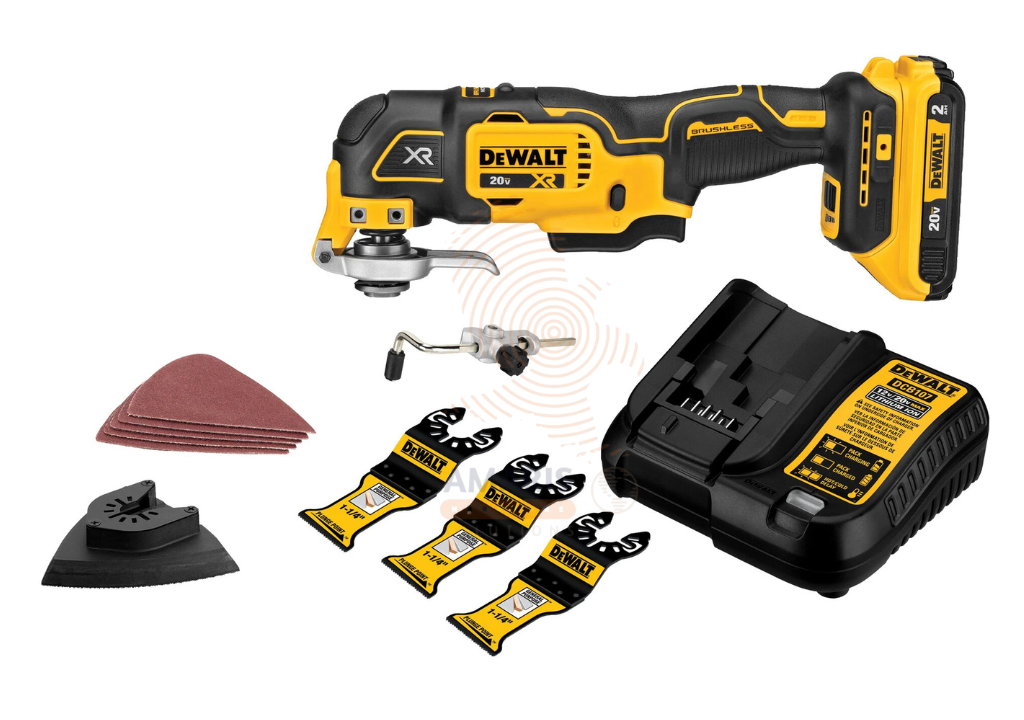
Battery-powered tools introduce another potential source of downtime. 🔋 A cordless drill is extremely convenient until its battery runs out and there isn’t a charged replacement available. Maintaining multiple compatible batteries and having a suitable charger available can help keep cordless equipment working throughout the day.
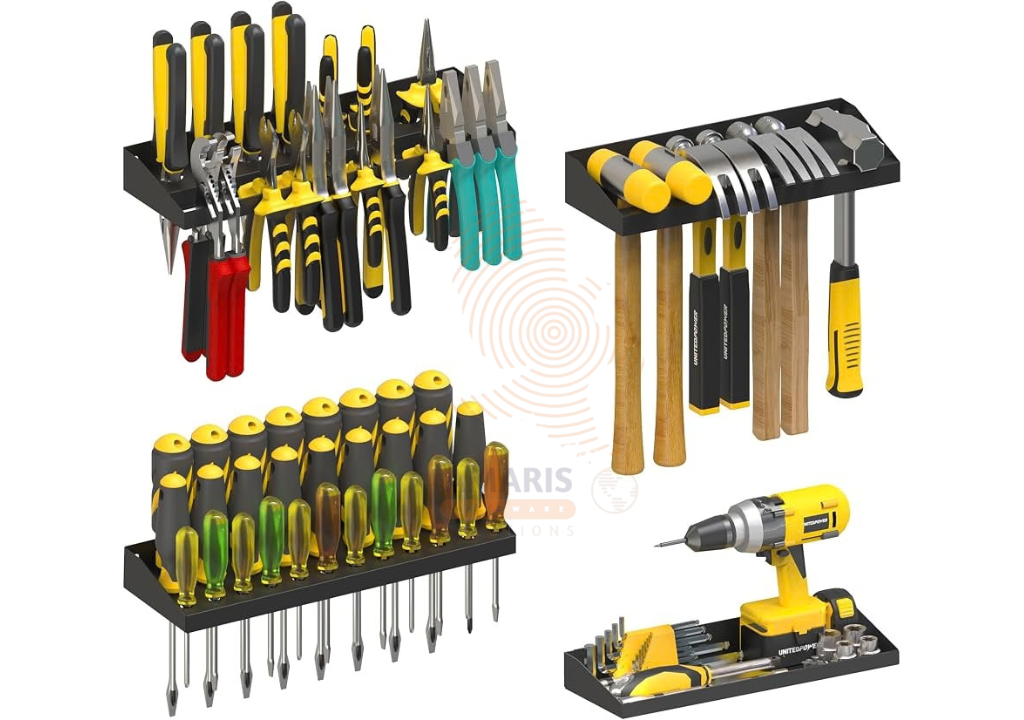
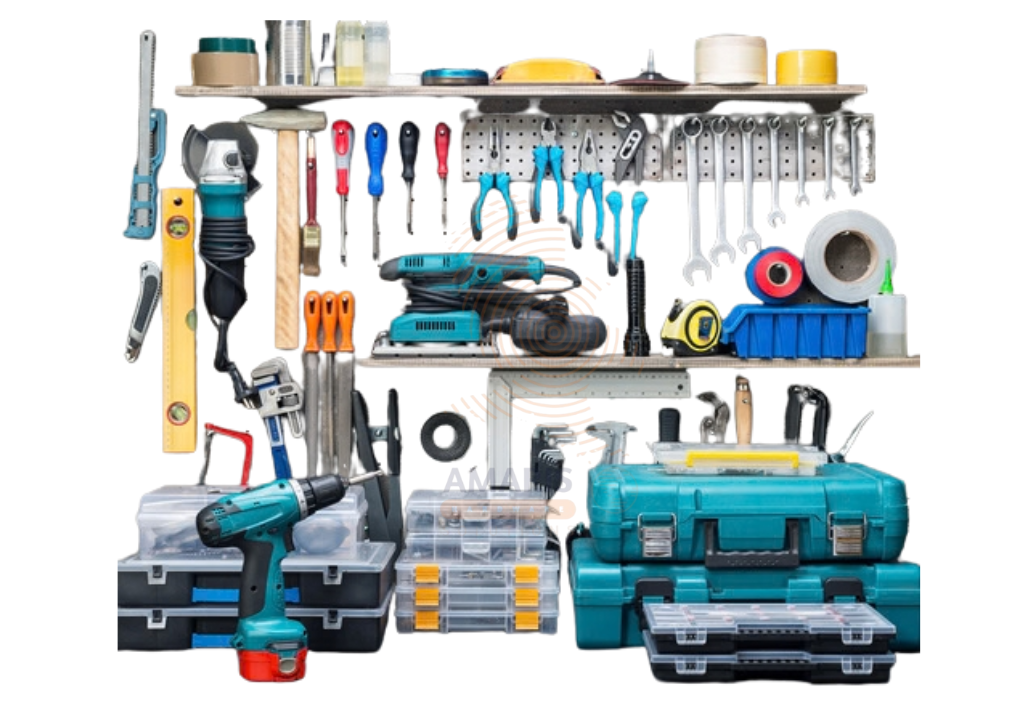
Tool organization also plays a role. Workers can lose valuable time searching for equipment that has been misplaced. A dedicated storage area, toolbox, or tool management system makes it easier to locate equipment and identify missing items before they become a problem. 📦
Choosing the right tool for the job can prevent downtime too. Using an unsuitable tool for a demanding task can lead to overheating, slow progress, excessive wear, or premature failure. A heavy-duty job should be matched with equipment designed to handle the required workload.
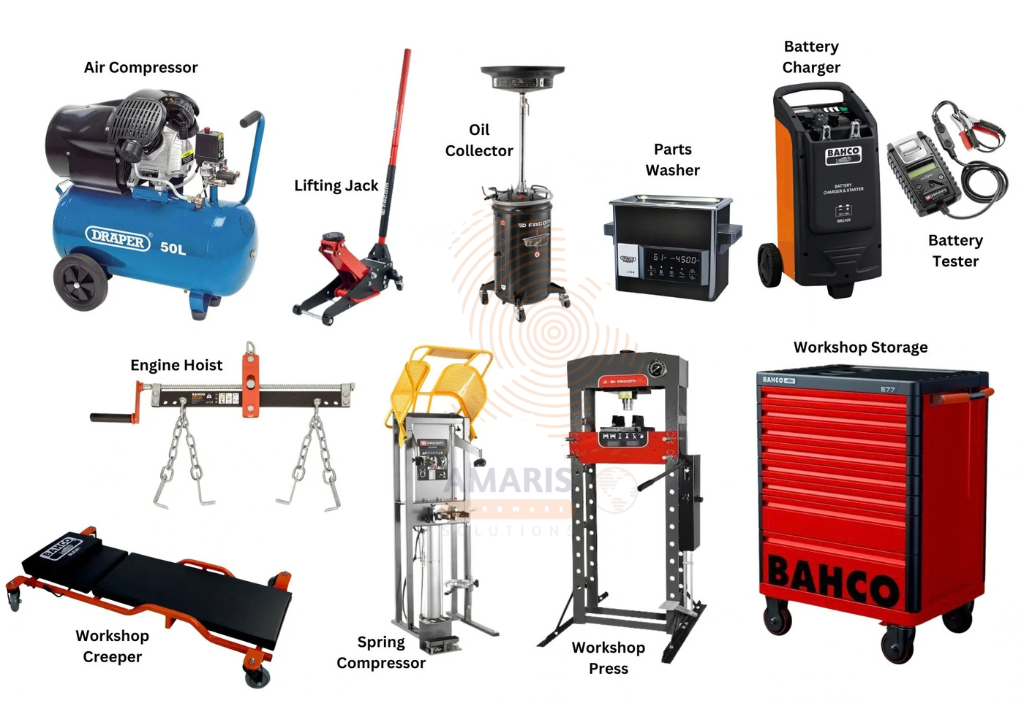
Preventive maintenance is another powerful way to reduce unexpected interruptions. Instead of waiting for a tool to fail completely, inspect equipment regularly for worn cables, damaged guards, unusual noises, overheating, loose components, or reduced performance. ⚙️ Small problems are usually easier and cheaper to address before they become major failures.
It is also useful to train workers on proper tool operation. Incorrect use can shorten equipment life and increase the risk of damage. Workers should understand the capabilities and limitations of the tools they are using.
Ultimately, the real cost of tool downtime goes beyond the price of repairing or replacing a tool. It affects productivity, schedules, labour, and project efficiency. A tool that costs relatively little to replace could still cause significant financial losses if its failure stops a critical operation.
The solution isn’t simply buying the most expensive equipment available. It’s about creating a reliable system: choose suitable tools, maintain them properly, keep essential accessories available, organize equipment, and replace damaged items promptly. 🦺
A construction project that keeps its tools working keeps its workers moving. And when every hour counts, preventing downtime can make the difference between constantly catching up and staying on schedule. 🔨✨