

 Acrylic Sealants
 Construction Adhesives
 Double-Sided Tape
 Duct Tape
 Electrical Tape
 Epoxy & Resins
 Silicone Sealants
 Masking Tape
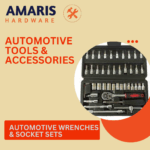 Automotive Wrenches & Socket Sets
 Battery Chargers & Jump Starters
 Car Jacks & Stands
 Car Wash & Detailing Products
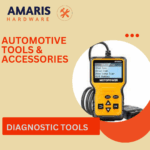 Diagnostic Tools
 Tire Inflators
 Vehicle Lighting
 Oil & Lubricants
 Adhesives & Sealants
 Bricks & Blocks
 Cement & Concrete
 Drywall & Plaster
 Flooring (Tiles, Wood, Laminate)
 Lumber & Plywood
 Paints, Primers & Coatings
 Insulation Materials
 Roofing Materials
 Circuit Breakers
 Electrical Cables & Wires
 Switches & Sockets
 Fuses & Relays
 Connectors & Terminals
 Electrical Boxes & Panels
 Conduit & Fittings
 Lighting Fixtures & Bulbs
 Extension Cords & Power Strips
 Anchors
 Bolts
Bolts Clips & Clamps
 Screws
 Nuts
Nuts Washers
 Rivets
 Nails
Nails Threaded Rods
 Hammers
 Measuring Tools (Tapes, Levels, Calipers)
 Screwdrivers
 Pliers & Cutters
 Saws & Blades
 Chisels & Punches
 Allen Keys & Hex Keys
 Ratchets & Socket Sets
 Wrenches & Spanners
 Power Tool Accessories (Blades, Bits, Discs)
 Rotary Tools
 Saws (Circular, Jigsaw, Reciprocating)
 Drills & Drivers
 Grinders & Sanders
 Heat Guns
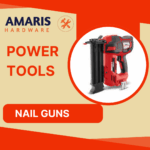 Nail Guns
 Impact Wrenches
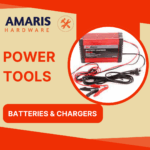 Batteries & Chargers
 Pipes & Fittings (PVC, Copper, PEX)
 Plumbing Tools
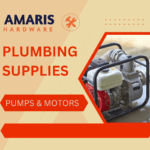 Pumps & Motors
 Sealants & Adhesives for Plumbing
 Valves & Taps
 Water Heaters
 Drainage Systems
 Faucets & Fixtures
 Hoses & Tubing
 Hinges & Latches
 Hooks & Brackets
 Window Hardware
 Chains & Cables
 Casters & Wheels
 Shelving & Storage Systems
 Door Handles & Locks
 Drawer Slides & Cabinet Hardware
 Personal Protective Equipment (PPE)
 Respirators & Masks
 Safety Glasses
 Safes
Safes Security Cameras
 Gloves
 Helmets
 Ear Protection
 Fire Safety Equipment
 Locks & Padlocks
 Motion Sensors & Alarms
 Garden Fencing
 Garden Furniture Hardware
 Lawn Mowers
 Trimmers & Edgers
 Shovels & Spades
 Rakes & Hoes
 Pruning Shears & Loppers
 Watering Systems (Hoses, Sprinklers, Nozzles)
 Interior Paints
 Paint Brushes & Rollers
 Paint Strippers & Thinners
 Paint Trays & Accessories
 Exterior Paints
 Spray Paints
 Primers & Undercoats
 Varnishes & Stains
 Gaskets & Seals
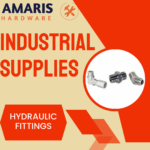 Hydraulic Fittings
 Industrial Fasteners
 Industrial Hoses
 Lubricants & Greases
 Metal Sheets & Bars
 Bearings & Bushings
 Belts & Pulleys
 HVAC Filters
 Insulation for HVAC
 Air Conditioners
 Refrigerants
 Ventilation Ducts & Fittings
 Thermostats & Controllers
 Fans & Blowers
 Pegboards & Hooks
 Shelving Units
 Storage Bins & Containers
 Toolboxes & Tool Chests
 Workbenches
 Drawer Organizers
 Labeling Supplies
 Welding Accessories (Clamps, Brushes)
 Welding Electrodes & Rods
 Welding Helmets & Gloves
 Welding Machines
 Soldering Irons & Stations
 Flux & Solder Wire
 Generator Accessories
 Inverters
 Portable Generators
 Power Inverters
 Transfer Switches
 Diesel & Gasoline Generators
 Transport Equipment: Carts, Dollies, and Hand Trucks
 Storage Solutions: Pallets, Racks, and Containers
 Lifting Equipment: Hoists, Cranes, and Jacks
 Conveyors & Accessories: Belts & Rollers
 Office Chairs
🚗🧰 What to Keep in Your Car Emergency Tool Kit

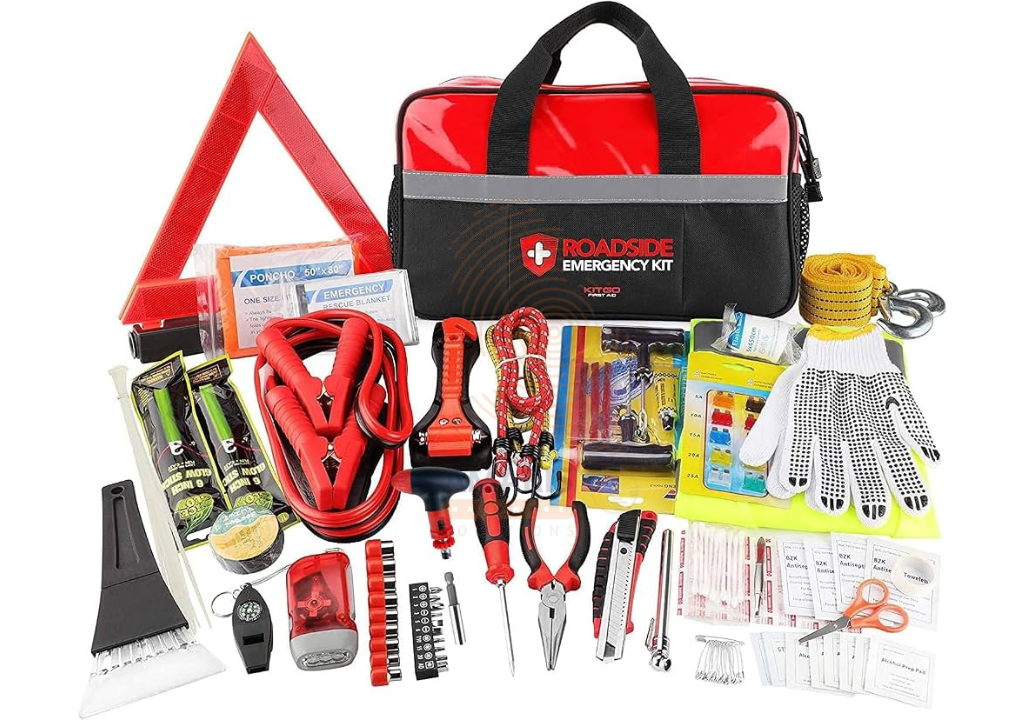
Nobody plans to have a car problem on the way to work, during a road trip, or while driving home late in the evening. But a flat tyre, weak battery, loose component, or unexpected breakdown can happen when you least expect it. Having a well-prepared emergency tool kit in your vehicle can make these situations much easier to handle. 🔧
You don’t need to turn your boot into a mobile workshop. A compact collection of useful tools and emergency supplies can help you deal with common problems, stay prepared, and potentially get back on the road faster.
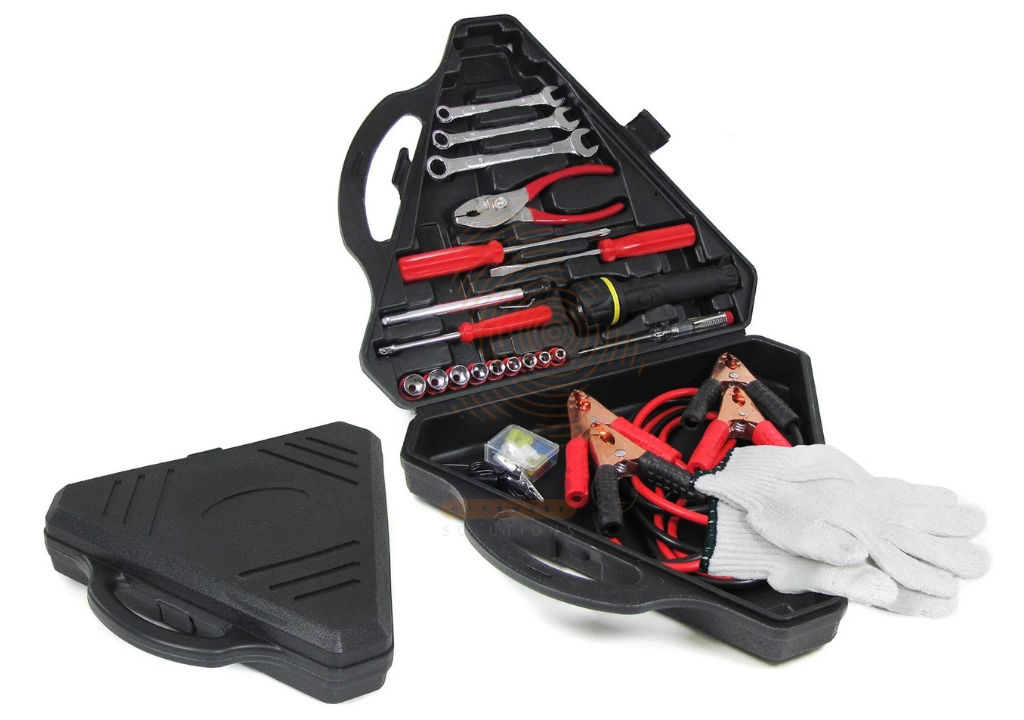
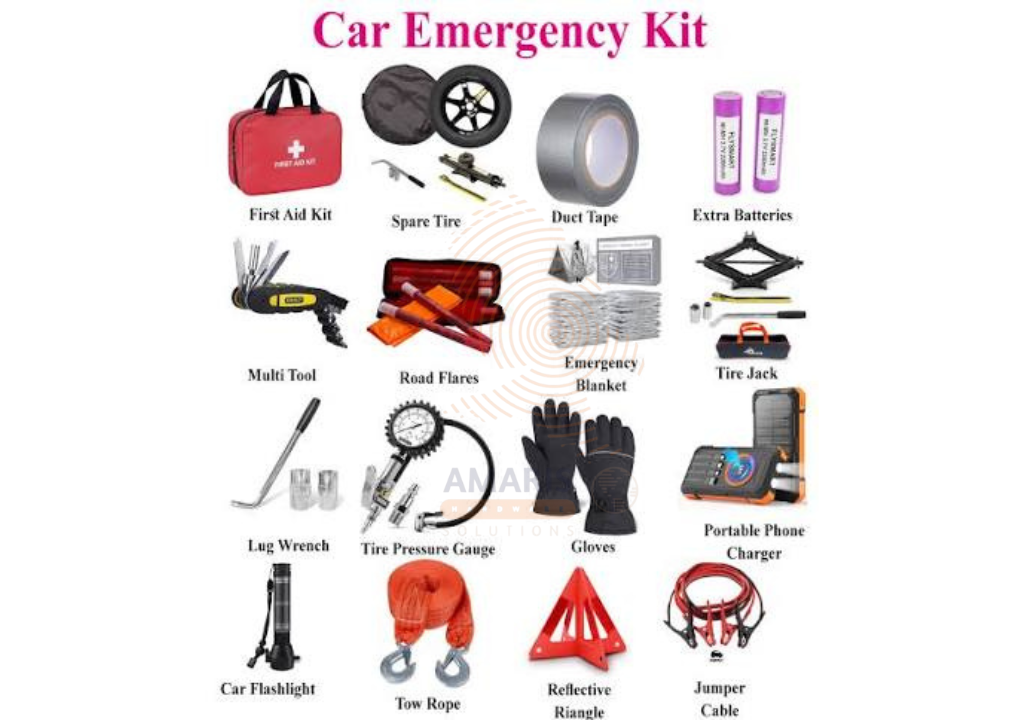
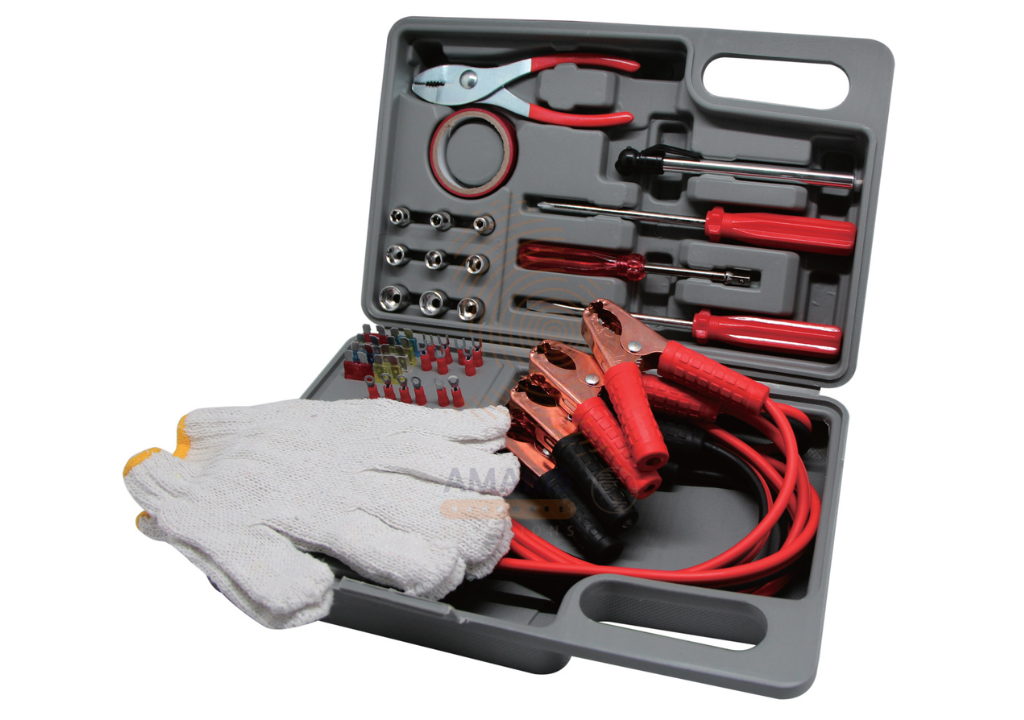
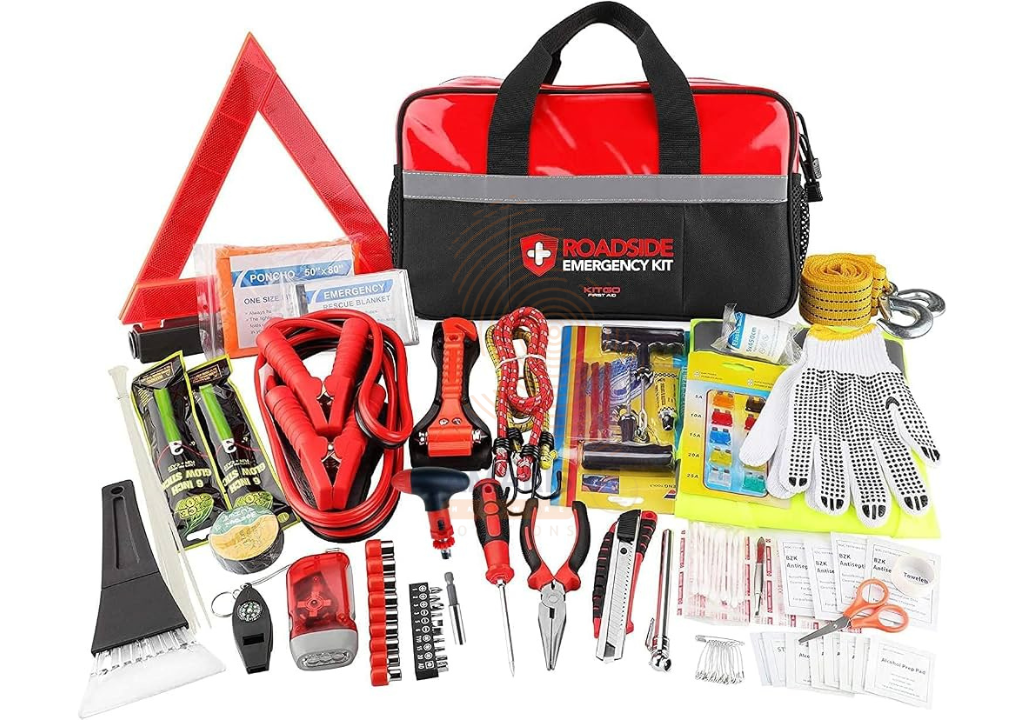
One of the first things to include is a set of booster cables. 🔋 A discharged battery is one of the most common reasons a vehicle may fail to start. Quality booster cables can be used to connect your battery to another suitable vehicle’s battery, provided the procedure is followed correctly. Keep them neatly stored so they are easy to access when needed.
A tyre pressure gauge is another small but valuable tool. Correct tyre pressure contributes to better handling, tyre life, and fuel efficiency. 🚙 Pair it with a portable tyre inflator or compressor, and you can check and adjust your tyre pressure without immediately needing to find a service station.
Of course, you should also have the necessary equipment for changing a tyre. A suitable vehicle jack, wheel spanner, and wheel chocks are essential. Before an emergency occurs, make sure you know where your spare tyre and tools are located and that they are in usable condition.
A set of basic screwdrivers and pliers can also be useful for simple repairs and adjustments. Long-nose pliers can help grip small components, while standard pliers are useful for holding or manipulating various parts. A screwdriver set can handle basic fastening tasks involving screws, clips, and covers. 🛠️
Consider adding an adjustable wrench as well. It takes up little space but can be useful for dealing with different sizes of nuts and bolts. Combined with basic pliers and screwdrivers, it gives you a useful collection for minor roadside adjustments.
A multimeter can be valuable for drivers who are comfortable with basic electrical checks. ⚡ It can help identify certain battery and electrical issues by measuring voltage and continuity. For more complicated electrical faults, however, professional assistance is still the safest option.
Don’t forget a flashlight or rechargeable working lamp. 🔦 A breakdown doesn’t always happen during daylight. Good lighting can make it much easier to inspect a tyre, battery, engine compartment, or other components when visibility is poor.
Some basic consumables can also earn their place in your kit. Electrical insulating tape, cable ties, work gloves, and a few commonly used fuses can help with temporary solutions or minor issues. These items are inexpensive but can become extremely useful at the right moment.
Your emergency kit should also include protective equipment. A pair of durable gloves can protect your hands from dirt, sharp edges, and hot components. Reflective clothing or a high-visibility vest can make you more visible to other road users when working near a vehicle, particularly at night or on busy roads. 🦺
It’s worth remembering that an emergency tool kit isn’t designed to turn every driver into a mechanic. Some vehicle problems require specialized diagnostic equipment or professional repairs. If a problem is serious, unsafe, or beyond your experience, getting professional help is the better choice.
Finally, check your emergency kit occasionally. Tools can become damaged, batteries can lose charge, and equipment can go missing. A kit is only useful if everything inside it is ready when you need it. 📦
A few minutes spent preparing your emergency kit can provide considerable peace of mind. Whether you’re commuting around town, travelling between cities, or simply keeping your car prepared for unexpected situations, having the right equipment close by can make a stressful situation much more manageable. 🚗✨
Build your kit gradually, choose reliable tools, keep everything organized, and make sure you know how to use the equipment before an emergency happens. When it comes to roadside problems, being prepared is always better than being caught off guard.