
 Acrylic Sealants
 Construction Adhesives
 Double-Sided Tape
 Duct Tape
 Electrical Tape
 Epoxy & Resins
 Silicone Sealants
 Masking Tape
 Automotive Wrenches & Socket Sets
 Battery Chargers & Jump Starters
 Car Jacks & Stands
 Car Wash & Detailing Products
 Diagnostic Tools
 Tire Inflators
 Vehicle Lighting
 Oil & Lubricants
 Adhesives & Sealants
 Bricks & Blocks
 Cement & Concrete
 Drywall & Plaster
 Flooring (Tiles, Wood, Laminate)
 Lumber & Plywood
 Paints, Primers & Coatings
 Insulation Materials
 Roofing Materials
 Circuit Breakers
 Electrical Cables & Wires
 Switches & Sockets
 Fuses & Relays
 Connectors & Terminals
 Electrical Boxes & Panels
 Conduit & Fittings
 Lighting Fixtures & Bulbs
 Extension Cords & Power Strips
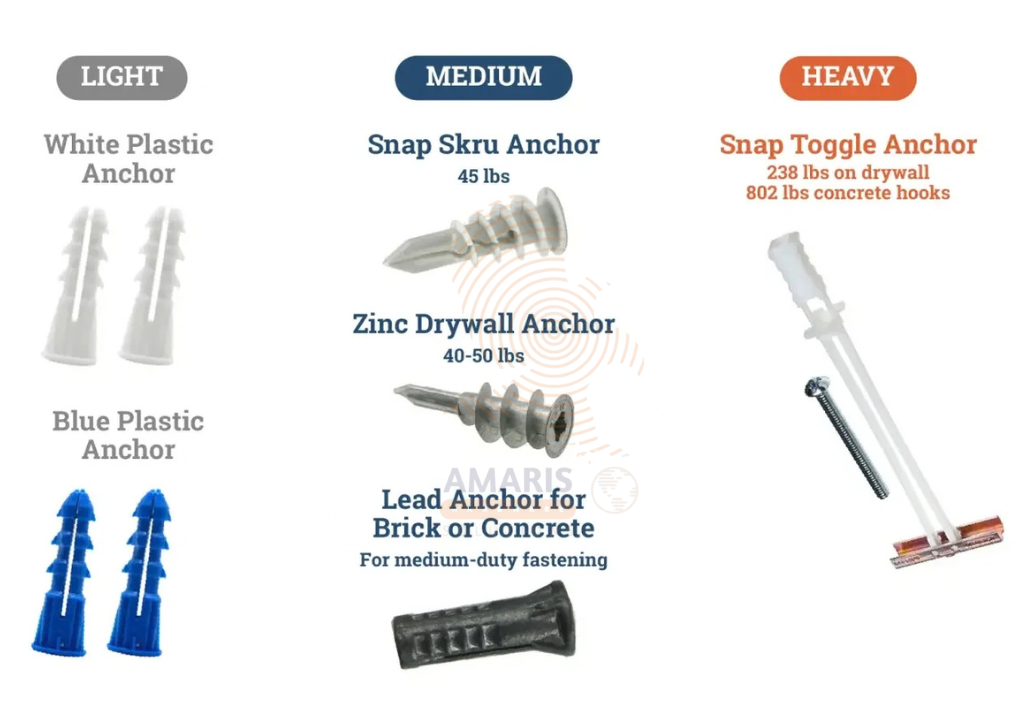
 Anchors
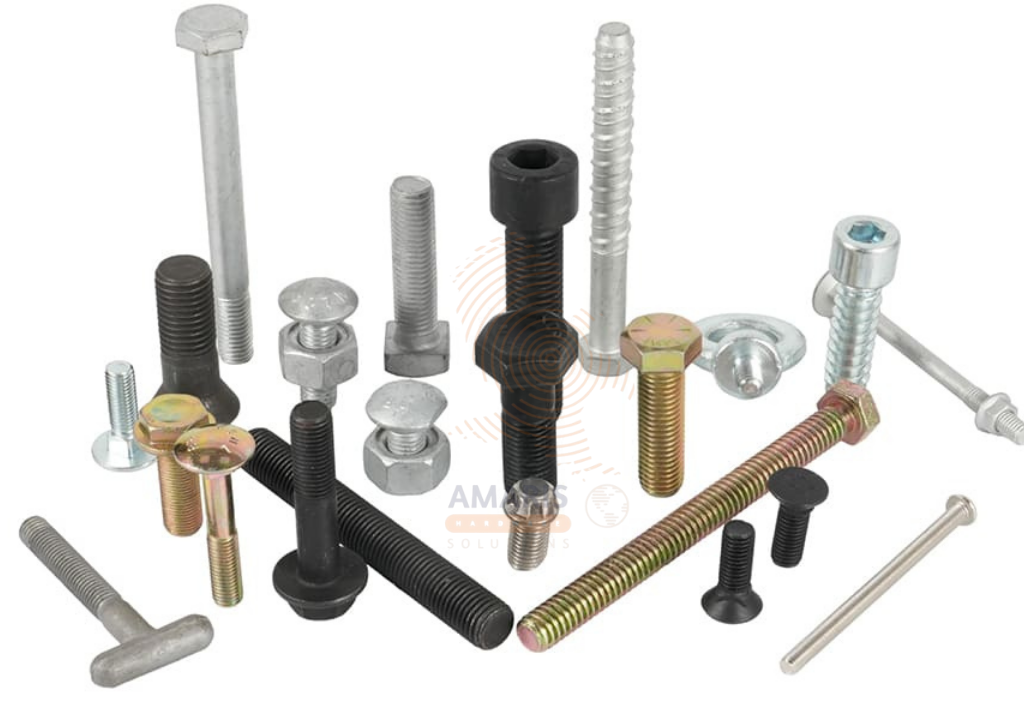
 Bolts
Bolts Clips & Clamps
 Screws
 Nuts
Nuts Washers
 Rivets
 Nails
Nails Threaded Rods
 Hammers
 Measuring Tools (Tapes, Levels, Calipers)
 Screwdrivers
 Pliers & Cutters
 Saws & Blades
 Chisels & Punches
 Allen Keys & Hex Keys
 Ratchets & Socket Sets
 Wrenches & Spanners
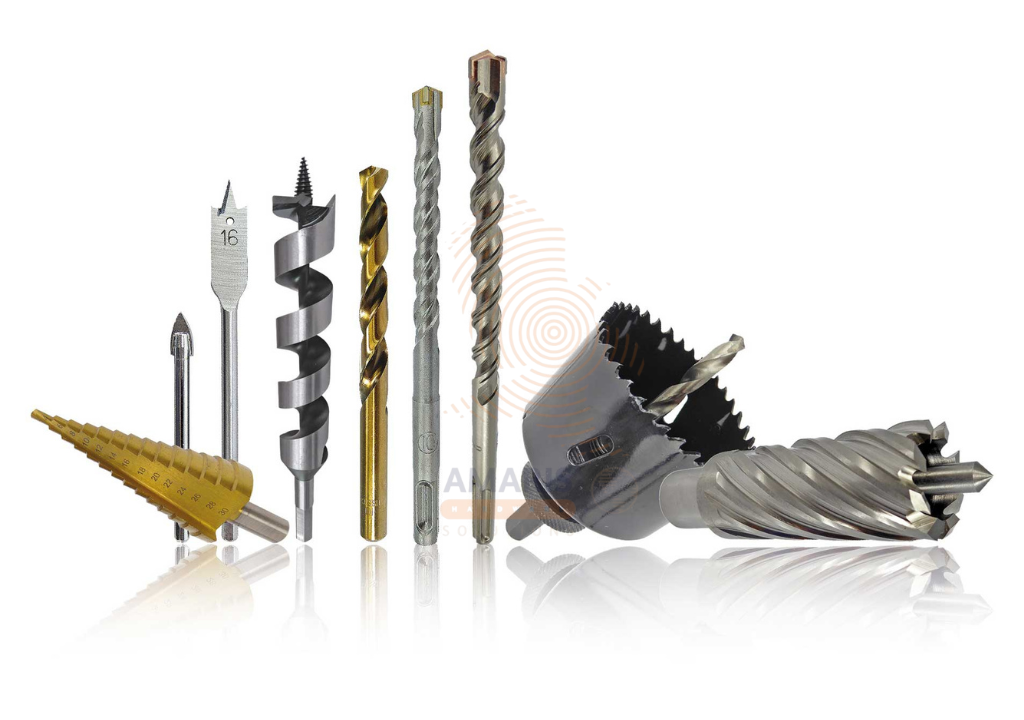
 Power Tool Accessories (Blades, Bits, Discs)
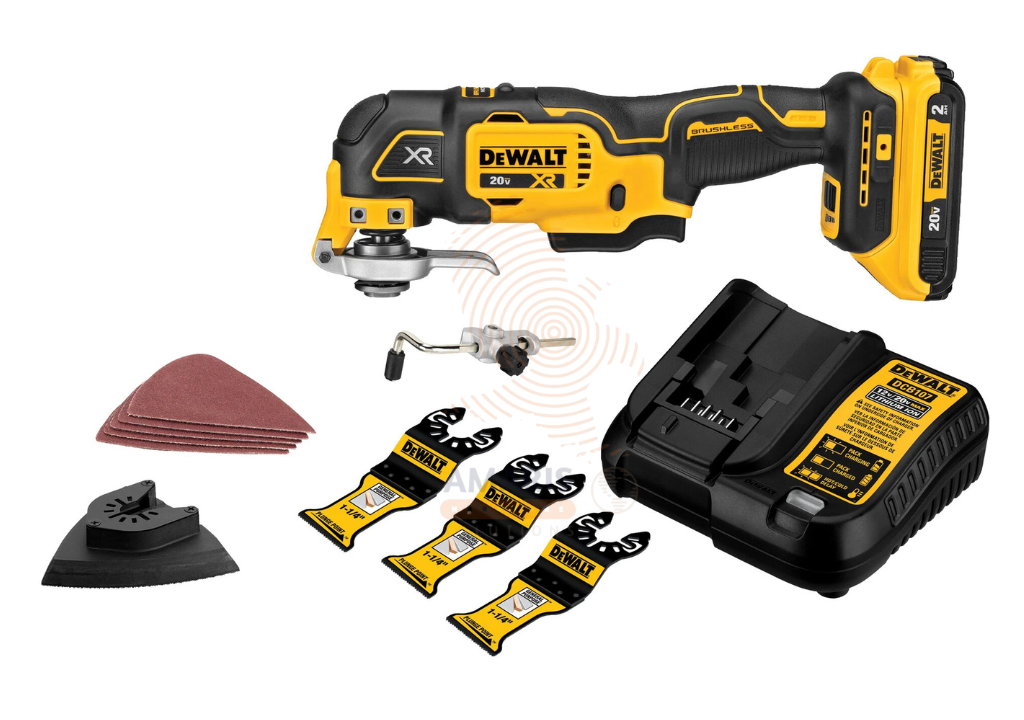
 Rotary Tools
 Saws (Circular, Jigsaw, Reciprocating)
 Drills & Drivers
 Grinders & Sanders
 Heat Guns
 Nail Guns
 Impact Wrenches
 Batteries & Chargers
 Pipes & Fittings (PVC, Copper, PEX)
 Plumbing Tools
 Pumps & Motors
 Sealants & Adhesives for Plumbing
 Valves & Taps
 Water Heaters
 Drainage Systems
 Faucets & Fixtures
 Hoses & Tubing
 Hinges & Latches
 Hooks & Brackets
 Window Hardware
 Chains & Cables
 Casters & Wheels
 Shelving & Storage Systems
 Door Handles & Locks
 Drawer Slides & Cabinet Hardware
 Personal Protective Equipment (PPE)
 Respirators & Masks
 Safety Glasses
 Safes
Safes Security Cameras
 Gloves
 Helmets
 Ear Protection
 Fire Safety Equipment
 Locks & Padlocks
 Motion Sensors & Alarms
 Garden Fencing
 Garden Furniture Hardware
 Lawn Mowers
 Trimmers & Edgers
 Shovels & Spades
 Rakes & Hoes
 Pruning Shears & Loppers
 Watering Systems (Hoses, Sprinklers, Nozzles)
 Interior Paints
 Paint Brushes & Rollers
 Paint Strippers & Thinners
 Paint Trays & Accessories
 Exterior Paints
 Spray Paints
 Primers & Undercoats
 Varnishes & Stains
 Gaskets & Seals
 Hydraulic Fittings
 Industrial Fasteners
 Industrial Hoses
 Lubricants & Greases
 Metal Sheets & Bars
 Bearings & Bushings
 Belts & Pulleys
 HVAC Filters
 Insulation for HVAC
 Air Conditioners
 Refrigerants
 Ventilation Ducts & Fittings
 Thermostats & Controllers
 Fans & Blowers
 Pegboards & Hooks
 Shelving Units
 Storage Bins & Containers
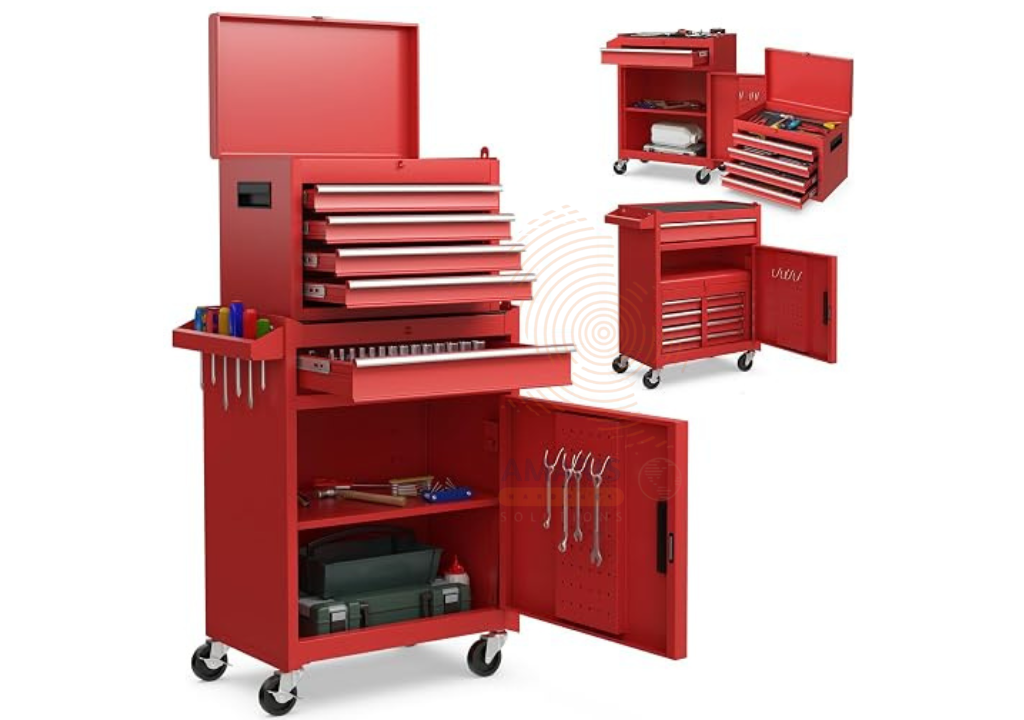
 Toolboxes & Tool Chests
 Workbenches
 Drawer Organizers
 Labeling Supplies
 Welding Accessories (Clamps, Brushes)
 Welding Electrodes & Rods
 Welding Helmets & Gloves
 Welding Machines
 Soldering Irons & Stations
 Flux & Solder Wire
 Generator Accessories
 Inverters
 Portable Generators
 Power Inverters
 Transfer Switches
 Diesel & Gasoline Generators
 Transport Equipment: Carts, Dollies, and Hand Trucks
 Storage Solutions: Pallets, Racks, and Containers
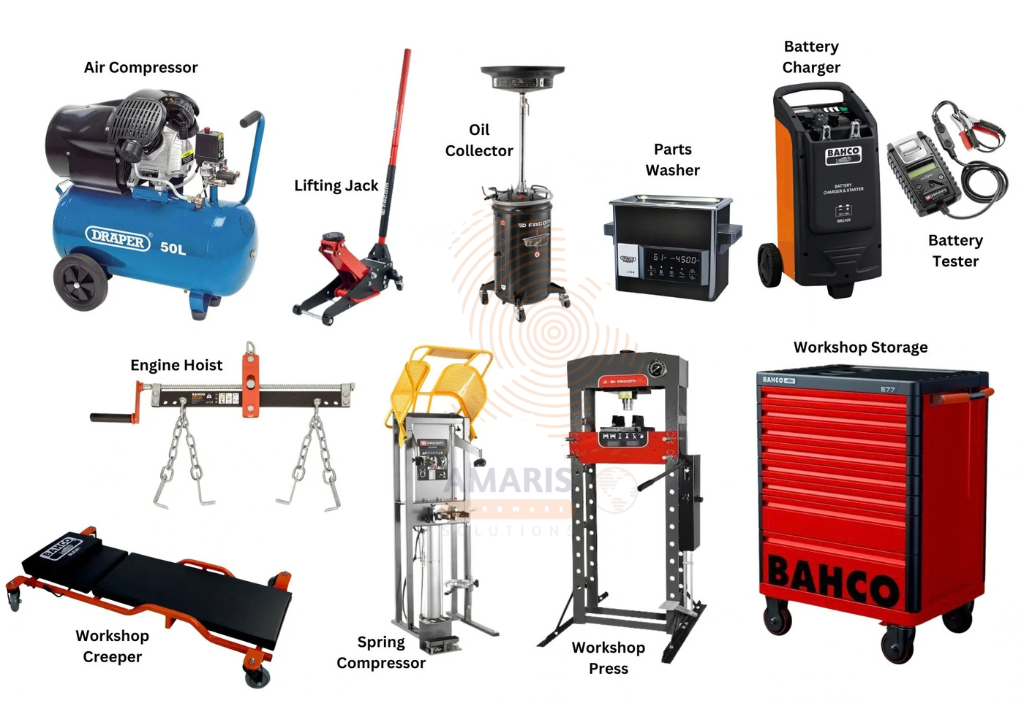
 Lifting Equipment: Hoists, Cranes, and Jacks
 Conveyors & Accessories: Belts & Rollers
 Office Chairs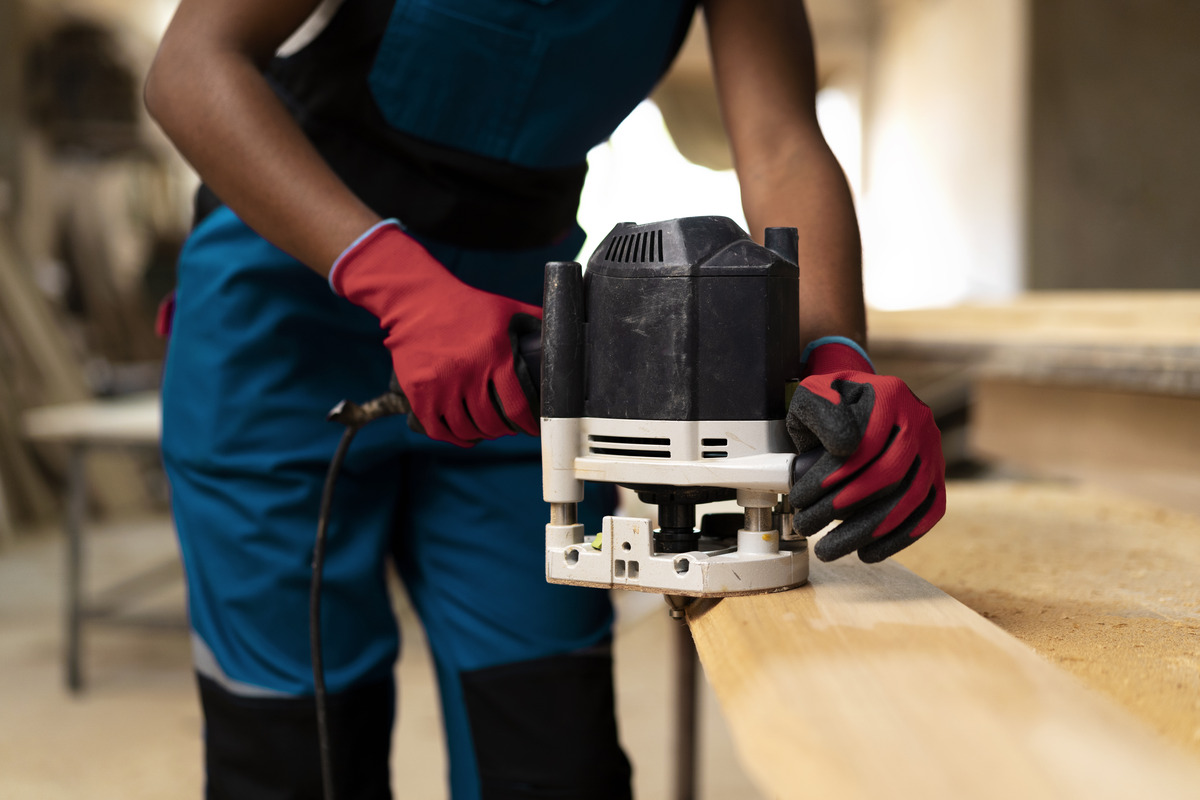
🛠️🏠 The Perfect Weekend Workshop Setup for DIY Enthusiasts


There’s something satisfying about having your own workshop. You don’t need a huge industrial space or hundreds of expensive tools to create one. With a little planning, a small garage, spare room, or sheltered outdoor area can become a practical workshop where you can repair, build, create, and experiment. 🔧
The secret to a great weekend workshop is organization rather than quantity. Instead of filling the space with every tool you can find, focus on equipment you’ll actually use. A well-planned workshop makes projects easier, keeps tools within reach, and gives you a comfortable place to work.
Start with a strong and stable workbench. This is the centre of your workshop and should provide enough space for measuring, cutting, drilling, assembling, and repairing. If possible, choose a bench with storage underneath so frequently used equipment can stay nearby. 📦
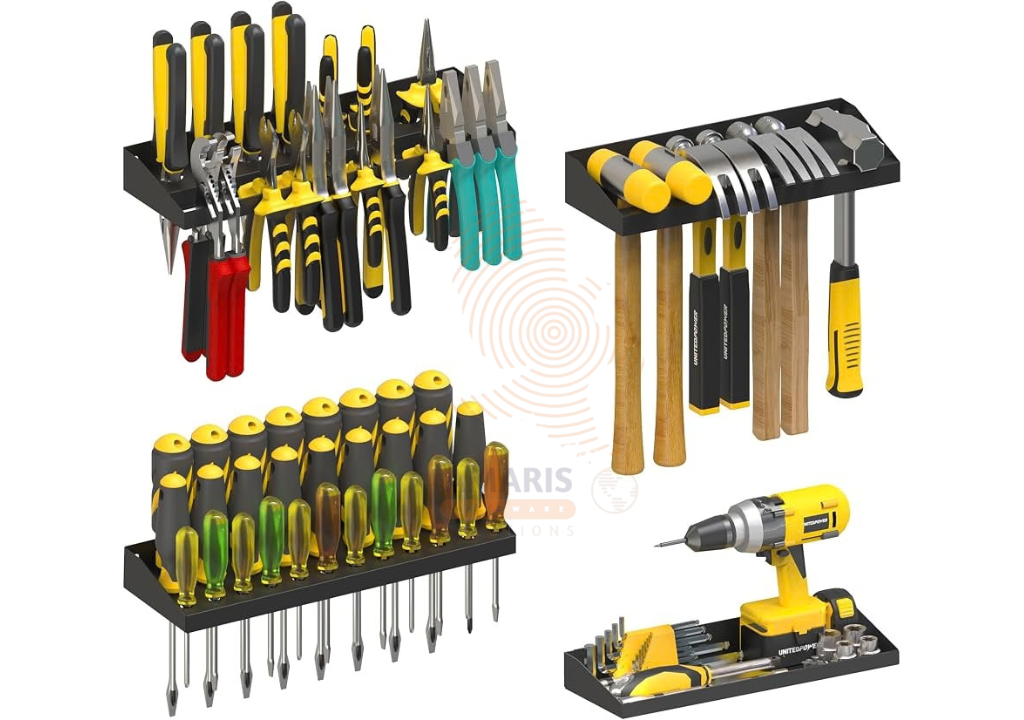
Next, build your basic hand-tool collection. A good hammer, screwdriver set, pliers, adjustable wrench, combination spanners, utility knife, and tape measure can handle a surprising number of household and DIY jobs. Add Allen keys, files, chisels, and a level as your projects become more ambitious.
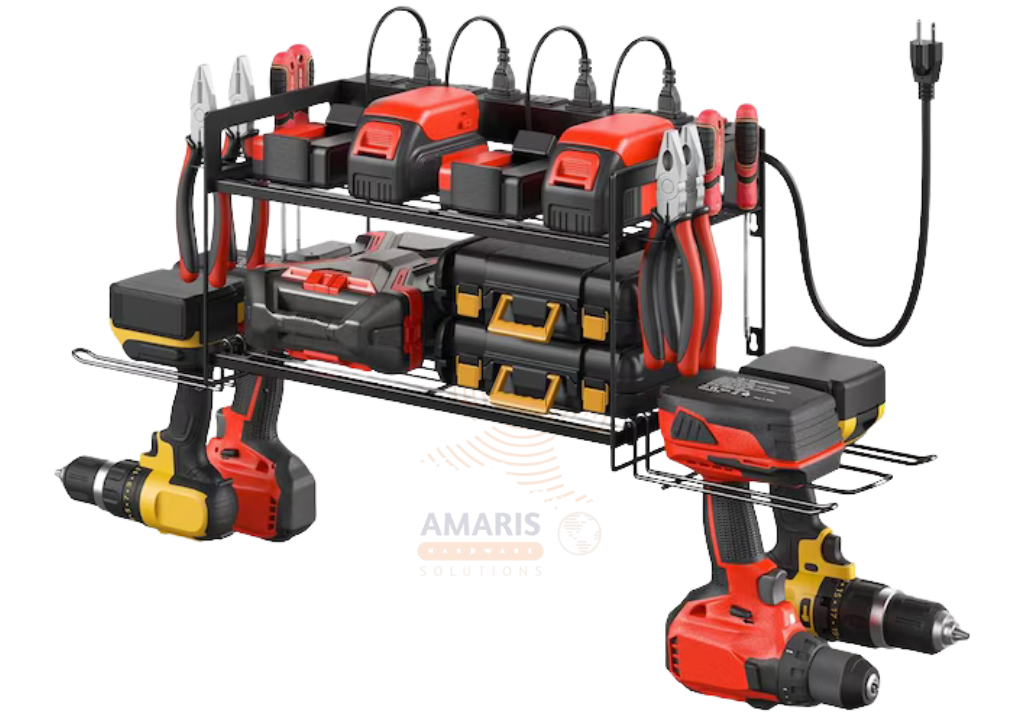
For power tools, start with versatile options. A cordless drill is an excellent first choice because it can handle drilling and fastening tasks with different bits and accessories. 🔋 An angle grinder, jigsaw, circular saw, or sander can then be added depending on the type of projects you enjoy.
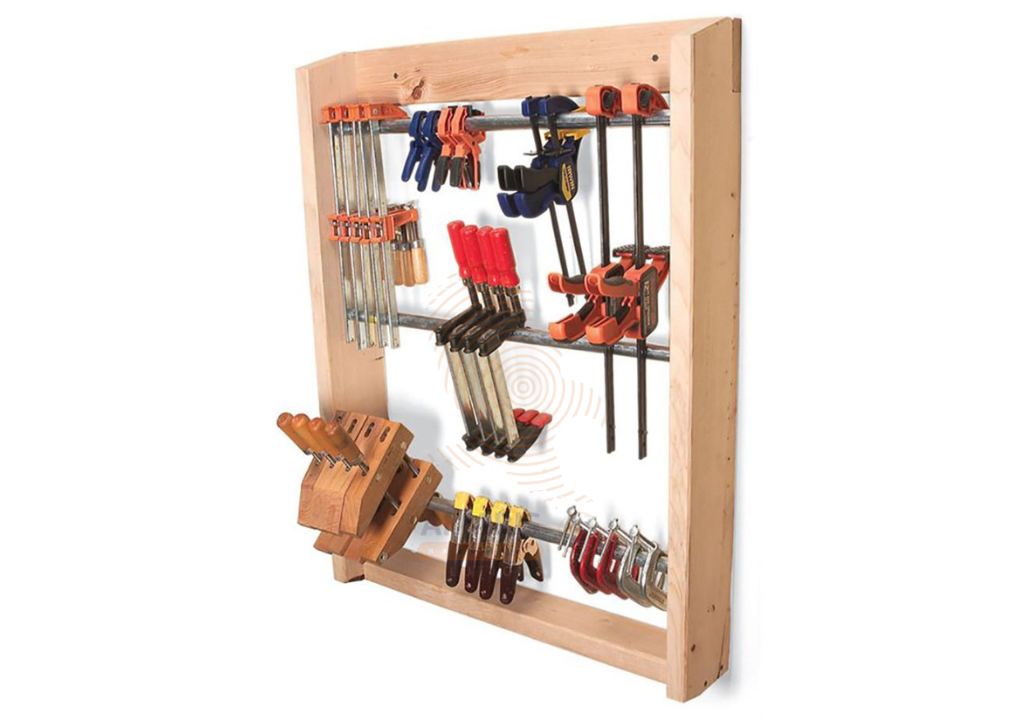
Don’t underestimate the importance of clamps. They may not look exciting, but they are extremely useful when working with wood, metal, or other materials. Clamps hold workpieces securely while you cut, drill, glue, or assemble them, improving both accuracy and safety.


Good lighting is another workshop essential. 💡 Shadows can make detailed work difficult and increase the chance of mistakes. Combine general room lighting with a bright portable working lamp that can be moved wherever you need it.
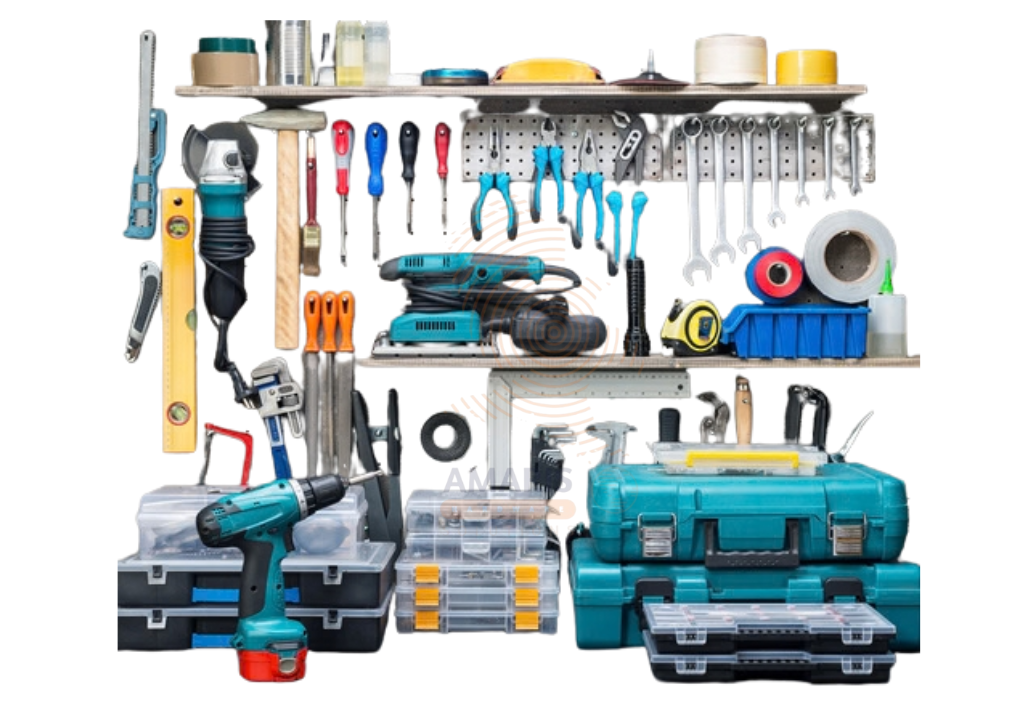
Storage can make or break your workshop. A pegboard, toolbox, shelves, or wall-mounted organizers can keep frequently used tools visible and accessible. Group similar equipment together so you don’t waste time searching for a screwdriver or drill bit halfway through a project.
Safety should always have its own place in your workshop. Keep safety glasses, gloves, hearing protection, and appropriate dust protection readily available. 🥽 A basic first-aid kit and suitable fire extinguisher are also sensible additions.
If you work with power tools, think about your electrical setup. Use suitable extension cables and power strips, avoid overloading outlets, and keep electrical connections away from water and areas where they can be damaged.
Ventilation is equally important, especially when sanding, painting, welding, or using products that produce fumes. 🌬️ A clean, well-ventilated workspace is more comfortable and helps create safer working conditions.
Finally, keep your workshop clean as you work. Put tools back after use, remove sawdust and metal shavings, and dispose of waste materials regularly. A tidy workshop isn’t just nicer to work in—it can also reduce accidents and help you spot damaged equipment.
You don’t need to build the perfect workshop in one weekend. Start with the essentials, complete a few projects, and let your needs guide future purchases. Over time, you’ll discover which tools you use most and which specialized equipment is actually worth adding.
The perfect weekend workshop isn’t necessarily the biggest or most expensive one. It’s a space that is organized, comfortable, safe, and equipped for the projects you enjoy. 🔨✨ With the right setup, even a small workspace can become the place where your best ideas come to life.