

 Acrylic Sealants
 Construction Adhesives
 Double-Sided Tape
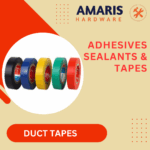 Duct Tape
 Electrical Tape
 Epoxy & Resins
 Silicone Sealants
 Masking Tape
 Automotive Wrenches & Socket Sets
 Battery Chargers & Jump Starters
 Car Jacks & Stands
 Car Wash & Detailing Products
 Diagnostic Tools
 Tire Inflators
 Vehicle Lighting
 Oil & Lubricants
 Adhesives & Sealants
 Bricks & Blocks
 Cement & Concrete
 Drywall & Plaster
 Flooring (Tiles, Wood, Laminate)
 Lumber & Plywood
 Paints, Primers & Coatings
 Insulation Materials
 Roofing Materials
 Circuit Breakers
 Electrical Cables & Wires
 Switches & Sockets
 Fuses & Relays
 Connectors & Terminals
 Electrical Boxes & Panels
 Conduit & Fittings
 Lighting Fixtures & Bulbs
 Extension Cords & Power Strips
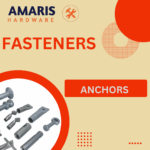 Anchors
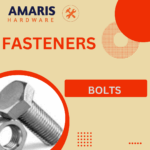 Bolts
Bolts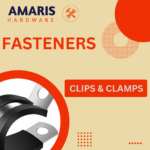 Clips & Clamps
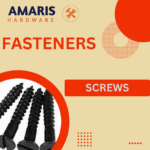 Screws
 Nuts
Nuts Washers
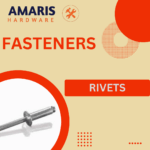 Rivets
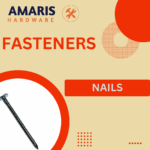 Nails
Nails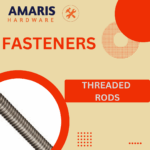 Threaded Rods
 Hammers
 Measuring Tools (Tapes, Levels, Calipers)
 Screwdrivers
 Pliers & Cutters
 Saws & Blades
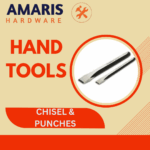 Chisels & Punches
 Allen Keys & Hex Keys
 Ratchets & Socket Sets
 Wrenches & Spanners
 Power Tool Accessories (Blades, Bits, Discs)
 Rotary Tools
 Saws (Circular, Jigsaw, Reciprocating)
 Drills & Drivers
 Grinders & Sanders
 Heat Guns
 Nail Guns
 Impact Wrenches
 Batteries & Chargers
 Pipes & Fittings (PVC, Copper, PEX)
 Plumbing Tools
 Pumps & Motors
 Sealants & Adhesives for Plumbing
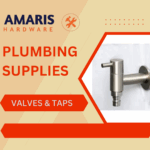 Valves & Taps
 Water Heaters
 Drainage Systems
 Faucets & Fixtures
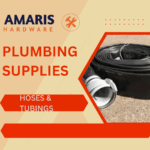 Hoses & Tubing
 Hinges & Latches
 Hooks & Brackets
 Window Hardware
 Chains & Cables
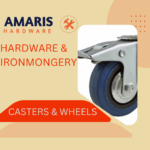 Casters & Wheels
 Shelving & Storage Systems
 Door Handles & Locks
 Drawer Slides & Cabinet Hardware
 Personal Protective Equipment (PPE)
 Respirators & Masks
 Safety Glasses
 Safes
Safes Security Cameras
 Gloves
 Helmets
 Ear Protection
 Fire Safety Equipment
 Locks & Padlocks
 Motion Sensors & Alarms
 Garden Fencing
 Garden Furniture Hardware
 Lawn Mowers
 Trimmers & Edgers
 Shovels & Spades
 Rakes & Hoes
 Pruning Shears & Loppers
 Watering Systems (Hoses, Sprinklers, Nozzles)
 Interior Paints
 Paint Brushes & Rollers
 Paint Strippers & Thinners
 Paint Trays & Accessories
 Exterior Paints
 Spray Paints
 Primers & Undercoats
 Varnishes & Stains
 Gaskets & Seals
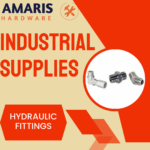 Hydraulic Fittings
 Industrial Fasteners
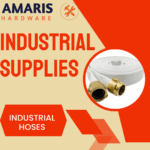 Industrial Hoses
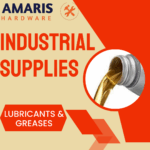 Lubricants & Greases
 Metal Sheets & Bars
 Bearings & Bushings
 Belts & Pulleys
 HVAC Filters
 Insulation for HVAC
 Air Conditioners
 Refrigerants
 Ventilation Ducts & Fittings
 Thermostats & Controllers
 Fans & Blowers
 Pegboards & Hooks
 Shelving Units
 Storage Bins & Containers
 Toolboxes & Tool Chests
 Workbenches
 Drawer Organizers
 Labeling Supplies
 Welding Accessories (Clamps, Brushes)
 Welding Electrodes & Rods
 Welding Helmets & Gloves
 Welding Machines
 Soldering Irons & Stations
 Flux & Solder Wire
 Generator Accessories
 Inverters
 Portable Generators
 Power Inverters
 Transfer Switches
 Diesel & Gasoline Generators
 Transport Equipment: Carts, Dollies, and Hand Trucks
 Storage Solutions: Pallets, Racks, and Containers
 Lifting Equipment: Hoists, Cranes, and Jacks
 Conveyors & Accessories: Belts & Rollers
 Office Chairs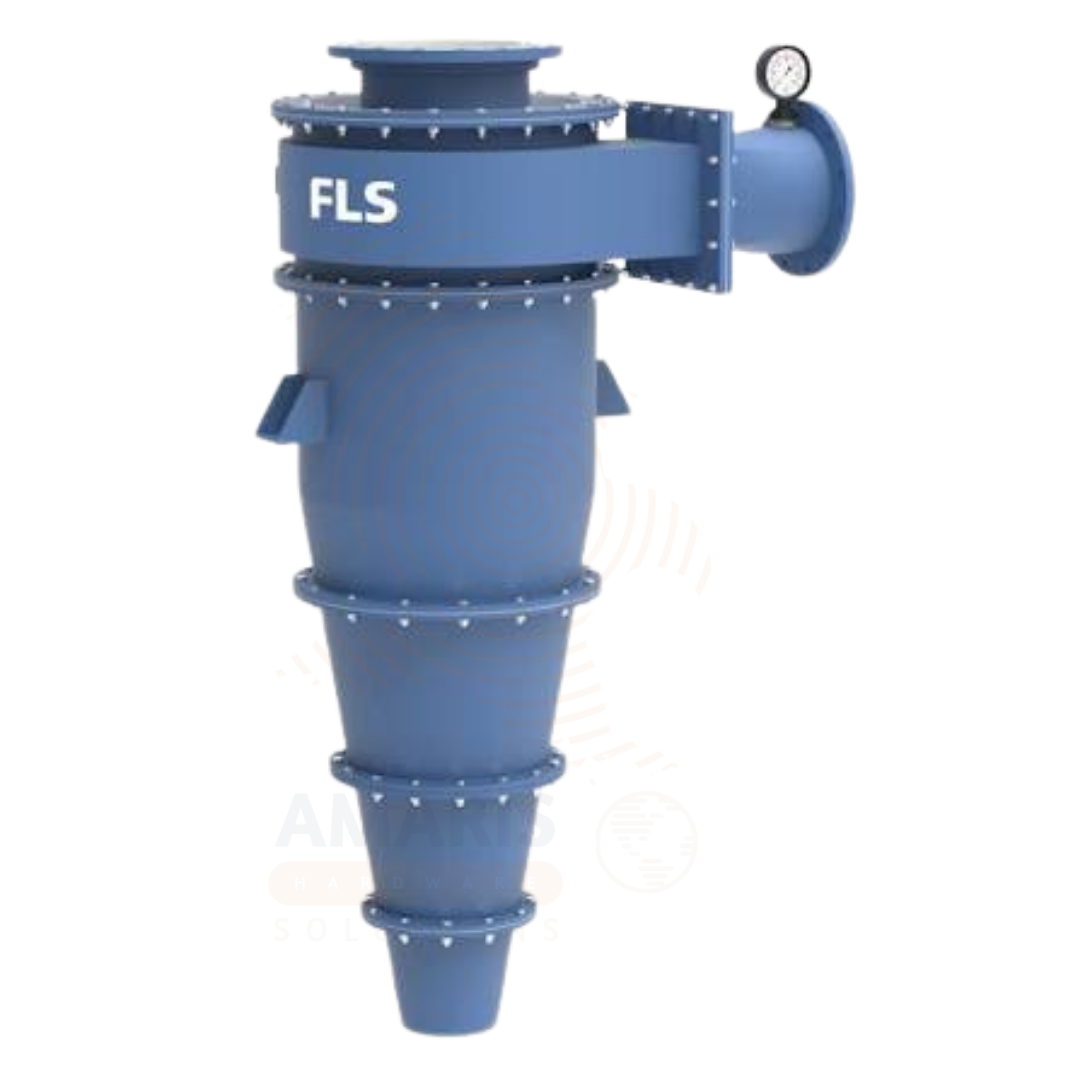
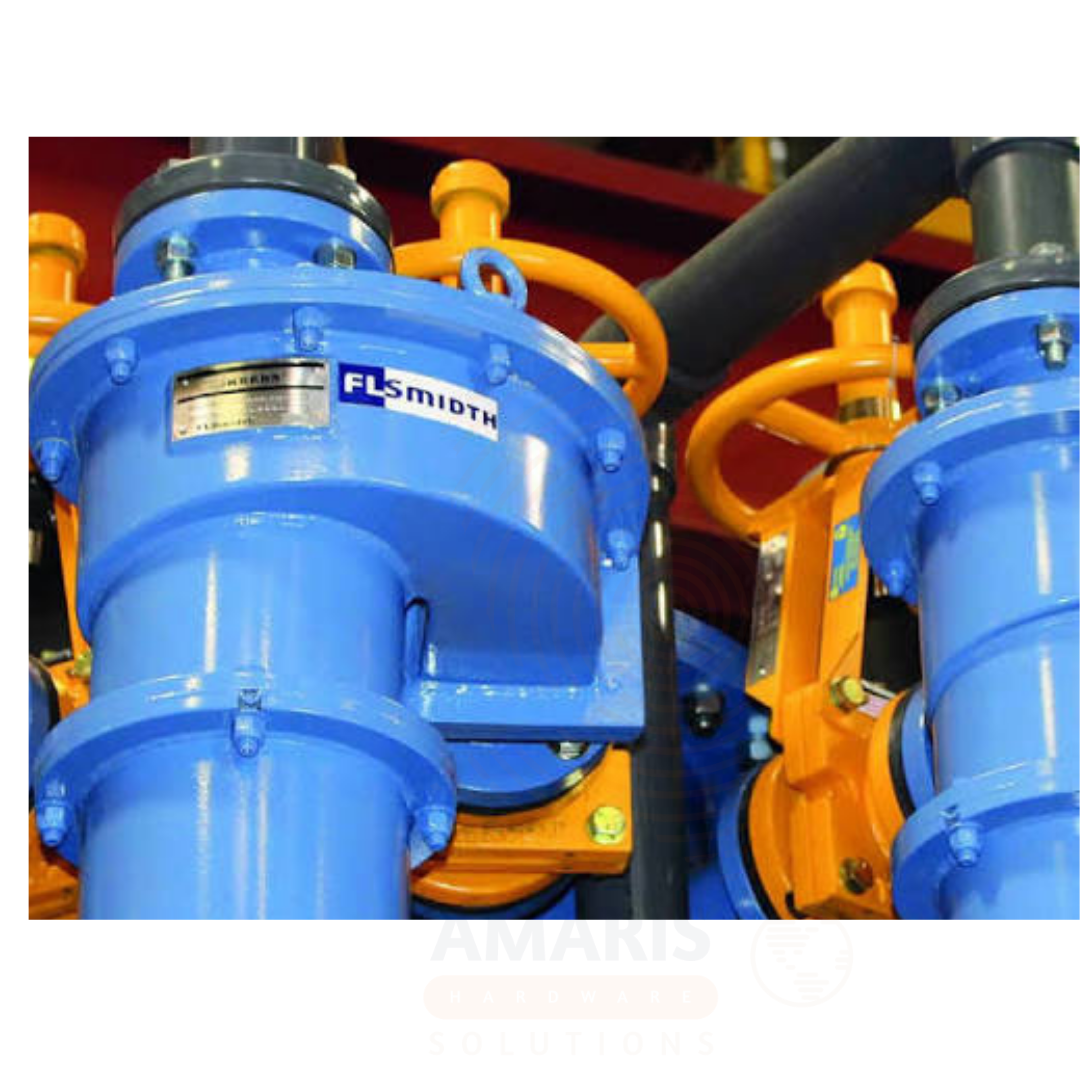
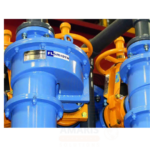
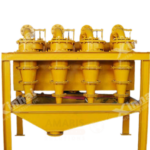

FLSmidth Cyclone
FLSmidth cyclones KREBS® feature gMAX® technology for superior classification, with SmartCyclone™ condition monitoring systems providing wireless detection of roping conditions. Available in sizes ranging from 1″ to 10″ in diameter for urethane models, and up to 90″ for alloy models . gMAX cyclones deliver 25-40% finer, sharper separation than standard cyclones, with the capability to achieve separation as fine as 10 microns . Construction materials include urethane, stainless steel, Hastelloy, Nickel, Duplex 2205, and other alloys . Suitable for mining, mineral processing, chemical, and food processing applications .
FLSmidth Cyclone
PRIMARY USES
1. High-Efficiency Classification and Separation in Mineral Processing
Primary Use: Hydrocyclones are used for classification, separation, and dewatering of slurry in mining and mineral processing applications. They are essential for grinding circuit classification, particle size control, and optimising downstream recovery in operations processing gold, copper, platinum, and other minerals .
How it helps: For process engineers and plant operators, FLSmidth KREBS® cyclones deliver superior separation efficiency and are the clear Number 1 supplier globally . The gMAX® inlet head geometry, developed using computational fluid dynamics (CFD), improves pre-separation and reduces turbulence for better classification, while extending inlet liner life by at least 33% . The gMAX® cone angle increases tangential velocity and residence time in the cone sections, resulting in substantially finer separation with fewer fines in the underflow and less coarse material in the overflow .
2. SmartCyclone™ Condition Monitoring
Primary Use: The SmartCyclone™ system provides automatic cyclone condition monitoring and control to maximise grinding efficiency .
How it helps: A wireless sensor mounted externally below the apex detects the condition called “roping,” where the underflow changes from a healthy conical flaring shape to a cylindrical rope shape, which significantly reduces separation efficiency . The system alerts operators immediately, allowing them to shut off feed to the affected cyclone and open a standby cyclone, restoring optimal performance . Users report downtime savings of up to US$250,000 per 1,000 tonnes of product .
SECONDARY USES
1. Wear Life Optimisation: FLSmidth can use different liner materials in cyclone sections, such as ceramics for high wear areas and rubber for lower wear areas, balancing wear life and extending operational efficiency .
2. Process Control Integration: SmartCyclone integrates with ECS/ProcessExpert control software, stabilising and optimising key minerals processes .
3. Chemical Applications: KREBS® cyclones are used in evaporators and crystalliser circuits to recover and concentrate nucleated particles, and to remove coke particles from quench oil to protect heat exchangers .
4. Fruit and Vegetable Washing: KREBS® cyclones are also used to remove sand and grit from wash water in food processing applications, enabling water reuse .
1. BASIC IDENTIFICATION ATTRIBUTES
-
Device Type: Hydrocyclone; not a medical device.
-
Brand: FLSmidth (KREBS® product line)
-
Key Technology: gMAX® inlet head geometry and cone design
-
Key Innovation: SmartCyclone™ wireless condition monitoring
-
Countries of Origin: USA (KREBS®), Denmark (FLSmidth A/S)
2. TECHNICAL & PERFORMANCE PROPERTIES
-
Primary Action: Solid-liquid classification via centrifugal forces.
-
gMAX Performance Benefit: 25-40% finer, sharper separation than standard cyclones .
-
Urethane gMAX Sizes: 1" to 10" in diameter .
-
Alloy Cyclone Sizes: 12–2300 mm (0.5–90 in) .
-
Fine Separation Capability: U2-gMAX® can achieve separation as fine as 10 microns .
-
Inlet Head Geometry: Developed using CFD to reduce turbulence and extend inlet liner life by at least 33% .
-
Cone Design: Increases tangential velocity and residence time for finer separation .
-
Construction Materials: Urethane, stainless steel, Hastelloy, Nickel, Duplex 2205, Alloy 20, CD4 MCU, carbon steel with replaceable elastomer or ceramic liners .
-
Configuration: Single units, manifolds, or Close-Packed (CP) Cyclone Vessels .
3. SMART CYCLONE™ SYSTEM
-
Roping Detection: Wireless sensor monitors underflow discharge for roping condition .
-
Wear Detection: Specialised sensors monitor wear status of cyclone components for proactive maintenance planning .
-
Automation: Integrates with ECS/ProcessExpert® process control software for dynamic optimisation .
-
Downtime Savings: Users report savings of up to US$250,000 per 1,000 tonnes of product .
4. PHYSICAL & OPERATIONAL PROPERTIES
-
Installation: Cyclones arranged in clusters with standby cyclones for uninterrupted operation .
-
Wear Components: Apex/spigot and liners subject to high wear; ceramic liners available for extended life .
-
Maintenance: SmartCyclone enables operators to detect wear and troubleshoot from a centralised control room, eliminating the need for manual inspections .
5. SAFETY & COMPLIANCE ATTRIBUTES
-
Safety Classification: Industrial processing equipment; standard industrial safety measures apply.
-
Compliance: Designed to meet relevant industry standards for mining, chemical, and food processing applications. Food-grade options meet FDA requirements .
1. SAFETY PRECAUTIONS
Personal Protective Equipment (PPE): Always wear appropriate PPE, including safety goggles, hard hats, hearing protection, gloves, and steel-toed boots when handling or maintaining cyclone components.
Lockout/Tagout: Always isolate and lock out the cyclone feed system from its power source before beginning any maintenance or inspection work.
Pressure Hazard: Cyclones operate under pressure. Depressurize the system before opening any ports or performing maintenance.
Wear Monitoring: Inspect apex and liners regularly. SmartCyclone sensors provide real-time wear status to enable proactive maintenance planning .
Training requirement: Maintenance personnel must be properly trained on the safe and correct procedures for handling and installing cyclone components.
2. FIRST AID MEASURES
Eye Exposure: If slurry or chemicals splash into the eyes, flush immediately with plenty of clean water for at least 15 minutes, holding eyelids open. Seek medical attention.
Skin Contact: Remove contaminated clothing. Wash exposed skin with soap and water. If irritation develops or chemical burns occur, seek medical attention.
Inhalation: If chemical fumes or dust are inhaled, move to fresh air. If symptoms persist (coughing, difficulty breathing), seek medical attention.
3. FIRE FIGHTING MEASURES
Flammability: The cyclone is not flammable. Use extinguishing media appropriate for surrounding equipment and materials.
Extinguishing Media: Use water spray, foam, dry chemical powder, or carbon dioxide (CO₂) for fires involving electrical equipment.
Fire Response: In the event of a fire, evacuate the area and call emergency services. Use appropriate extinguishers.
Related products
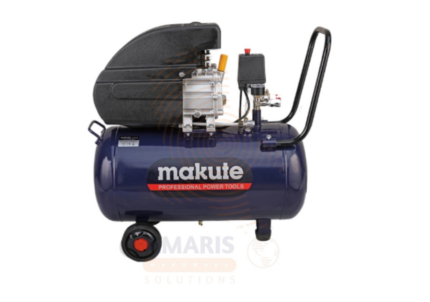
Direct Drive Air Compressor
A direct drive air compressor is a type of air compressor where the motor is directly connected to the compressor pump, typically without the use of belts or gears. In this configuration, the motor and the pump share a common shaft, resulting in a more compact and efficient design. Direct drive compressors are known for their simplicity, reduced maintenance requirements, and higher power transmission efficiency compared to belt-driven or gear-driven counterparts. They are commonly used in various applications, including powering pneumatic tools, inflating tires, and providing compressed air for industrial processes.

German Type Grease Gun
A "German type grease gun" typically refers to a type of grease gun that is of German origin or follows a design influenced by German engineering. A grease gun is a handheld tool used in automotive and industrial settings to apply lubricating grease to machinery or equipment. The term "German type" may indicate that the grease gun follows design principles, specifications, or standards commonly associated with German engineering. German engineering is often associated with precision, durability, and high-quality manufacturing. Therefore, a German type grease gun may be expected to exhibit these characteristics. It's worth noting that specific details about a "German type grease gun" may vary, and the term may be used loosely to refer to any grease gun with characteristics reminiscent of German design principles.

Grease Gun
A grease gun is a hand-held tool designed for lubricating various mechanical components, typically in automotive or industrial settings. It is used to apply grease, a semi-solid lubricant, to specific points on machinery, such as bearings, joints, and other moving parts, to reduce friction and wear. The grease gun typically consists of a cylinder, a handle or trigger mechanism, and a nozzle for dispensing grease. It is commonly employed to ensure proper maintenance and longevity of machinery by facilitating the smooth operation of mechanical parts.
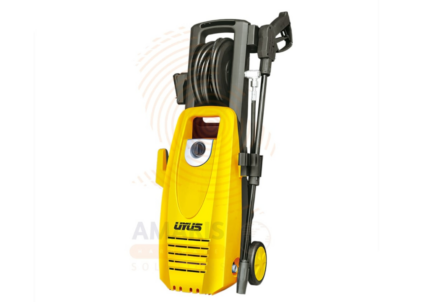
High pressure washer
A High pressure washer, rated at 2000 watts, is a powerful cleaning device designed for various applications, such as cleaning surfaces, vehicles, outdoor spaces, and more. The "2000W" indicates the power consumption or wattage of the washer, suggesting a robust motor that can generate high water pressure for effective cleaning. This type of pressure washer is likely to deliver strong water jets, making it suitable for tackling tough dirt, grime, and stains in residential or industrial settings. The versatility and efficiency of a 2000W high-pressure washer make it a popular choice for tasks that demand substantial cleaning power.
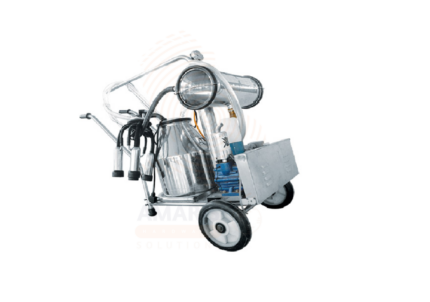
Milking Machine
A Milking Machine is a mechanized system designed to extract milk from dairy animals such as cows, goats, and sheep in an efficient, hygienic, and consistent manner. It typically consists of a vacuum pump, pulsator, teat cups, milk container, and tubing system. The machine works by creating a vacuum that gently draws milk from the animal's udder through the teat cups and collects it into a sealed container, minimizing contamination. Milking machines improve milking speed, reduce manual labor, and enhance udder health by maintaining a uniform milking routine. They are essential in dairy farming operations of all scales—from smallholder farms to large commercial dairies—where consistency and hygiene are critical for milk production.
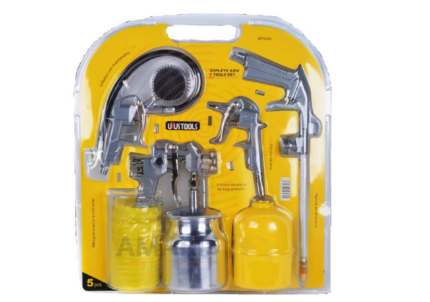
Spray Gun & Air Tool Accessory Kit Set
A Spray Gun & Air Tool Accessory Kit Set typically refers to a package or bundle that includes five essential components or accessories designed to complement and enhance the functionality of spray guns and air tools. These kits are commonly used in various applications, such as automotive painting, woodworking, and other projects where spray painting or air-powered tools are employed. The specific contents of the kit may vary, but it often includes items such as different nozzle attachments, connectors, air hoses, and other accessories necessary for optimal performance and versatility with spray guns and air tools. The aim is to provide users with a comprehensive set of tools and accessories to meet their diverse needs in a convenient and cost-effective manner.

Stone Separator
A stone separator is an agricultural or industrial machine designed to remove stones and other unwanted materials from grains, seeds, soil, or construction aggregates. Using vibration, airflow, or gravity-based separation methods, it ensures cleaner, higher-quality end products. Stone separators are commonly used in farming, food processing, milling, and construction to improve operational efficiency and prevent equipment damage from hard debris.