
 Acrylic Sealants
 Construction Adhesives
 Double-Sided Tape
 Duct Tape
 Electrical Tape
 Epoxy & Resins
 Silicone Sealants
 Masking Tape
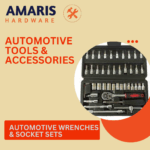 Automotive Wrenches & Socket Sets
 Battery Chargers & Jump Starters
 Car Jacks & Stands
 Car Wash & Detailing Products
 Diagnostic Tools
 Tire Inflators
 Vehicle Lighting
 Oil & Lubricants
 Adhesives & Sealants
 Bricks & Blocks
 Cement & Concrete
 Drywall & Plaster
 Flooring (Tiles, Wood, Laminate)
 Lumber & Plywood
 Paints, Primers & Coatings
 Insulation Materials
 Roofing Materials
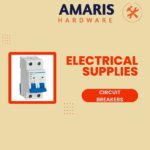 Circuit Breakers
 Electrical Cables & Wires
 Switches & Sockets
 Fuses & Relays
 Connectors & Terminals
 Electrical Boxes & Panels
 Conduit & Fittings
 Lighting Fixtures & Bulbs
 Extension Cords & Power Strips
 Anchors
 Bolts
Bolts Clips & Clamps
 Screws
 Nuts
Nuts Washers
 Rivets
 Nails
Nails Threaded Rods
 Hammers
 Measuring Tools (Tapes, Levels, Calipers)
 Screwdrivers
 Pliers & Cutters
 Saws & Blades
 Chisels & Punches
 Allen Keys & Hex Keys
 Ratchets & Socket Sets
 Wrenches & Spanners
 Power Tool Accessories (Blades, Bits, Discs)
 Rotary Tools
 Saws (Circular, Jigsaw, Reciprocating)
 Drills & Drivers
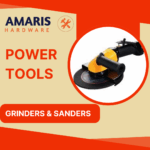 Grinders & Sanders
 Heat Guns
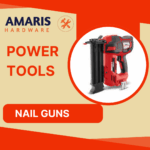 Nail Guns
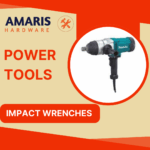 Impact Wrenches
 Batteries & Chargers
 Pipes & Fittings (PVC, Copper, PEX)
 Plumbing Tools
 Pumps & Motors
 Sealants & Adhesives for Plumbing
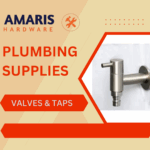 Valves & Taps
 Water Heaters
 Drainage Systems
 Faucets & Fixtures
 Hoses & Tubing
 Hinges & Latches
 Hooks & Brackets
 Window Hardware
 Chains & Cables
 Casters & Wheels
 Shelving & Storage Systems
 Door Handles & Locks
 Drawer Slides & Cabinet Hardware
 Personal Protective Equipment (PPE)
 Respirators & Masks
 Safety Glasses
 Safes
Safes Security Cameras
 Gloves
 Helmets
 Ear Protection
 Fire Safety Equipment
 Locks & Padlocks
 Motion Sensors & Alarms
 Garden Fencing
 Garden Furniture Hardware
 Lawn Mowers
 Trimmers & Edgers
 Shovels & Spades
 Rakes & Hoes
 Pruning Shears & Loppers
 Watering Systems (Hoses, Sprinklers, Nozzles)
 Interior Paints
 Paint Brushes & Rollers
 Paint Strippers & Thinners
 Paint Trays & Accessories
 Exterior Paints
 Spray Paints
 Primers & Undercoats
 Varnishes & Stains
 Gaskets & Seals
 Hydraulic Fittings
 Industrial Fasteners
 Industrial Hoses
 Lubricants & Greases
 Metal Sheets & Bars
 Bearings & Bushings
 Belts & Pulleys
 HVAC Filters
 Insulation for HVAC
 Air Conditioners
 Refrigerants
 Ventilation Ducts & Fittings
 Thermostats & Controllers
 Fans & Blowers
 Pegboards & Hooks
 Shelving Units
 Storage Bins & Containers
 Toolboxes & Tool Chests
 Workbenches
 Drawer Organizers
 Labeling Supplies
 Welding Accessories (Clamps, Brushes)
 Welding Electrodes & Rods
 Welding Helmets & Gloves
 Welding Machines
 Soldering Irons & Stations
 Flux & Solder Wire
 Generator Accessories
 Inverters
 Portable Generators
 Power Inverters
 Transfer Switches
 Diesel & Gasoline Generators
 Transport Equipment: Carts, Dollies, and Hand Trucks
 Storage Solutions: Pallets, Racks, and Containers
 Lifting Equipment: Hoists, Cranes, and Jacks
 Conveyors & Accessories: Belts & Rollers
 Office Chairs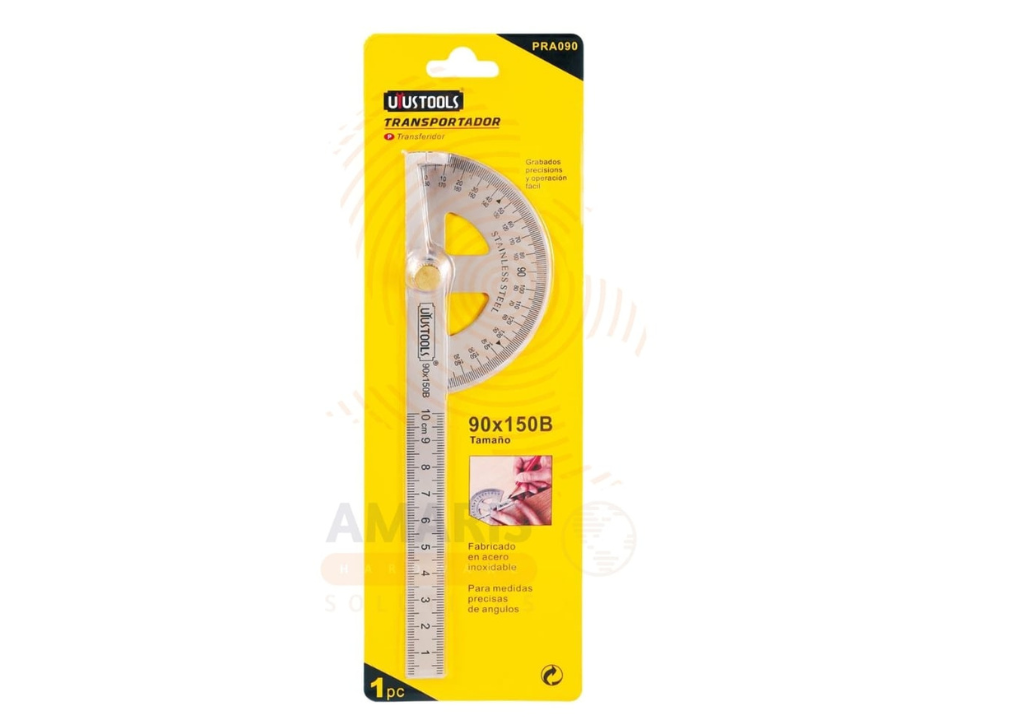


Protractor
Original price was: $ 16.73.$ 15.89Current price is: $ 15.89.
A protractor is a measuring instrument used in geometry and mathematics to quantify angles. It typically consists of a flat, semicircular or circular tool made of transparent or opaque material, marked with degree measurements from 0 to 180 or 0 to 360. The center of the protractor usually has a pivot point, allowing it to be placed at the vertex of an angle for accurate measurement. Users align the protractor’s baseline with one side of the angle and read the degree value where the other side intersects the protractor scale to determine the angle’s measurement. Protractors come in various designs, including simple plastic versions for basic measurements and more advanced models with additional features for specific applications.
Protractor
Uses
-
Geometry and Mathematics Education:
-
Angle Measurement: Protractors are commonly used in geometry classes to teach students how to measure and identify angles in geometric shapes.
-
-
Architectural and Engineering Drafting:
-
Design and Drafting: Architects and engineers use protractors to measure and draw angles accurately when creating floor plans, blueprints, and technical drawings.
-
-
Construction and Carpentry:
-
Angle Layout: Carpenters and construction workers use protractors to mark and measure angles for accurate cutting and assembly of building materials.
-
-
Navigation:
-
Map Reading and Navigation: Navigational tools may use protractors to help determine bearings and plot courses on maps, especially in marine and aviation applications.
-
-
Physics and Science Experiments:
-
Experimental Setups: In physics and other sciences, protractors are used in experimental setups to measure and analyze the angles involved in various phenomena.
-
-
Art and Design:
-
Artistic Creations: Artists and designers may use protractors to create precise angles in their works, ensuring symmetry and accurate representations.
-
-
Mechanical Engineering:
-
Machine Design: Mechanical engineers use protractors for angle measurements in the design and analysis of machine components and mechanisms.
-
-
Surveying:
-
Land Surveying: Surveyors use protractors to measure angles and bearings in the field when mapping land and determining property boundaries.
-
-
Mathematical Calculations:
-
Trigonometry: Protractors can be used in conjunction with trigonometric principles for solving mathematical problems involving angles.
-
-
DIY Projects:
-
Home Improvement: DIY enthusiasts use protractors for accurate angle measurements when working on various home improvement projects.
-
-
Metalworking:
-
-
Metal Fabrication: In metalworking and welding, protractors are used to mark and measure angles for cutting and joining metal components.
-
Safety Precautions
-
Mindful Handling:
-
Handle the protractor with care to avoid any sharp edges or corners that could cause cuts or injuries.
-
Be cautious when transporting or storing the tool to prevent damage and maintain its accuracy.
-
-
Proper Storage:
-
Store protractors in a designated place where they won't be crushed or damaged by other tools or objects.
-
Keep them away from extreme temperatures or direct sunlight, as this can affect the material and accuracy.
-
-
Pivoting Point Safety:
-
The central pivoting point of the protractor can be sharp. Avoid placing your fingers too close to this point to prevent pinching or injury.
-
When sharing protractors, ensure that users are aware of the sharp point and handle it with care.
-
-
Clear Work Area:
-
Ensure that your work area is clean and clutter-free to prevent accidents. Remove any unnecessary tools or materials that may interfere with your use of the protractor.
-
-
Use the Right Tool for the Job:
-
Select the appropriate protractor for the task at hand. Different protractors are designed for various applications, and using the right tool enhances accuracy and safety.
-
-
Be Aware of Surroundings:
-
Pay attention to your surroundings, especially when working in a group or crowded space. Avoid unintentional collisions with other individuals or objects.
-
-
Correct Alignment:
-
When measuring angles, ensure the protractor is correctly aligned with the sides of the angle. Misalignment can lead to inaccurate measurements and potentially affect the outcome of a project.
-
-
Secure Workpieces:
-
If you are using a protractor in conjunction with cutting or machining tools, secure the workpieces properly to prevent movement during the process.
-
-
Eye Protection:
-
When working with tools that generate debris or dust, wear appropriate eye protection to shield your eyes from potential hazards.
-
-
Educate and Train Users:
-
If the protractor is being used in an educational setting or workplace, provide proper training on its usage and safety guidelines.
-
Emphasize the importance of following safety protocols to minimize the risk of accidents.
-
-
Supervision for Beginners:
-
If someone is new to using a protractor or similar tools, provide supervision until they become proficient and confident in handling the tool safely.
-
Related products

Ball Point Hex Wrench Set – Medium
A Ball Point Hex Wrench Set - Medium size typically refers to a collection of nine hexagonal (hex) wrenches designed with ballpoint ends. The term "medium" may refer to the size or thickness of the wrenches, indicating that they are neither too small nor too large. The ballpoint end allows for a more flexible angle of approach when using the wrench, making it easier to engage with hexagonal screws or bolts at various angles. This set is likely to include different sizes to accommodate a range of applications, providing versatility for tasks that require hexagonal tools of medium dimensions.

Ball Point Hex Wrench Set – Short
A Ball Point Hex Wrench Set - Short refers to a collection of nine hexagonal (hex) wrenches, commonly known as Allen wrenches, designed with a ballpoint tip for easy access and angled entry into hexagonal socket screws. The term "short" indicates that these wrenches have shorter shafts compared to standard-sized wrenches. This set is likely to be compact and versatile, suitable for various applications where hex screws of different sizes need to be tightened or loosened efficiently. The ballpoint tips allow for a degree of flexibility in the angle of approach, making them particularly useful in situations where direct access may be challenging.
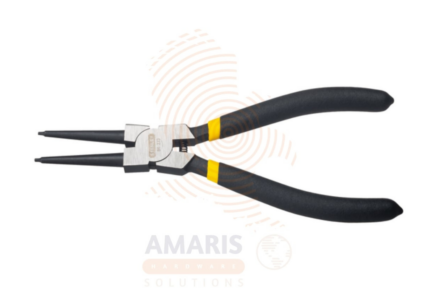
External Circlip Pliers Straight
External circlip pliers – straight, also known simply as external circlip pliers or snap ring pliers, are specialized hand tools designed for installing and removing external circlips or snap rings. Circlips are ring-shaped fasteners with open ends that fit into machined grooves on the outside of a shaft or bore. External circlip pliers are specifically designed to work with these types of retaining rings.
The "straight" designation indicates that the tips of the pliers are aligned in a straight line, as opposed to angled or curved tips. This straight configuration allows for easier access to circlips in certain applications.
These pliers typically have pointed or semi-circular jaws that fit into the holes or notches of the circlip, facilitating the compression or expansion of the ring for installation or removal. The handles are designed for comfortable grip and effective leverage.
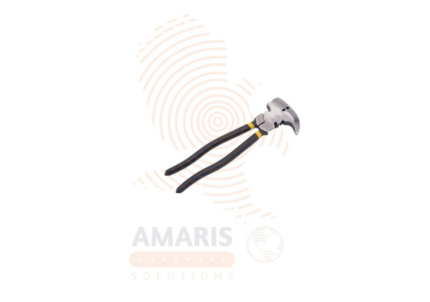
Fence Pliers
Fence pliers are a specialized type of pliers designed for use in fencing and related tasks. They typically feature a combination of functions that make them well-suited for various activities involved in installing, repairing, and maintaining fences. These pliers often include features such as a gripping jaw, wire-cutting blades, a staple puller, and sometimes a hammerhead. The design of fence pliers aims to provide versatility and convenience for professionals or DIY enthusiasts working with fencing materials, wires, and staples.

Flat Screwdriver
A flat screwdriver, also known as a slotted screwdriver, is a hand tool designed for turning screws with a slotted (flat) head. It typically features a flat, narrow, and straight metal blade, with a handle at one end for gripping and rotating the tool. The blade is inserted into the corresponding slot in the screw head, and by applying torque to the handle, the screwdriver allows for the tightening or loosening of the screw. Flat screwdrivers are commonly used in various manual and mechanical applications for tasks such as assembling furniture, fixing appliances, and general household repairs.

Flat Steel File
A flat steel file is a hand tool used for shaping, smoothing, and removing material from a workpiece, typically made of steel. It consists of a flat, elongated piece of metal with a series of parallel teeth or ridges along one or both of its surfaces. These teeth are designed to cut or abrade material when the file is pushed or pulled across a surface. Flat steel files are commonly used in metalworking, woodworking, and other crafts to achieve precise and smooth finishes on various materials.

Flat Wood File
A flat wood file is a hand tool used for shaping, smoothing, and refining the surfaces of wood. It typically consists of a flat, narrow, rectangular piece of metal with a series of parallel, coarse teeth or ridges along one or both of its sides. These teeth are designed to efficiently remove material when drawn across the wood grain, allowing for the leveling and smoothing of wooden surfaces. Flat wood files are commonly used in woodworking and carpentry for tasks such as shaping edges, refining contours, and removing rough spots on wood surfaces.

Folding Hex Wrench Set
A Folding Hex Wrench Set in a Plastic Shell refers to a compact and portable tool kit that includes seven hexagonal wrenches of varying sizes, typically used for tightening or loosening bolts and screws with hexagonal sockets. The set is designed to be foldable, allowing the individual wrenches to be neatly stored within a plastic shell or casing. This design not only provides organization and easy accessibility but also enhances the set's portability, making it convenient for on-the-go use or storage in tight spaces. The plastic shell serves as a protective housing for the wrenches, preventing damage and facilitating easy transportation.