
 Acrylic Sealants
 Construction Adhesives
 Double-Sided Tape
 Duct Tape
 Electrical Tape
 Epoxy & Resins
 Silicone Sealants
 Masking Tape
 Automotive Wrenches & Socket Sets
 Battery Chargers & Jump Starters
 Car Jacks & Stands
 Car Wash & Detailing Products
 Diagnostic Tools
 Tire Inflators
 Vehicle Lighting
 Oil & Lubricants
 Adhesives & Sealants
 Bricks & Blocks
 Cement & Concrete
 Drywall & Plaster
 Flooring (Tiles, Wood, Laminate)
 Lumber & Plywood
 Paints, Primers & Coatings
 Insulation Materials
 Roofing Materials
 Circuit Breakers
 Electrical Cables & Wires
 Switches & Sockets
 Fuses & Relays
 Connectors & Terminals
 Electrical Boxes & Panels
 Conduit & Fittings
 Lighting Fixtures & Bulbs
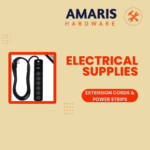 Extension Cords & Power Strips
 Anchors
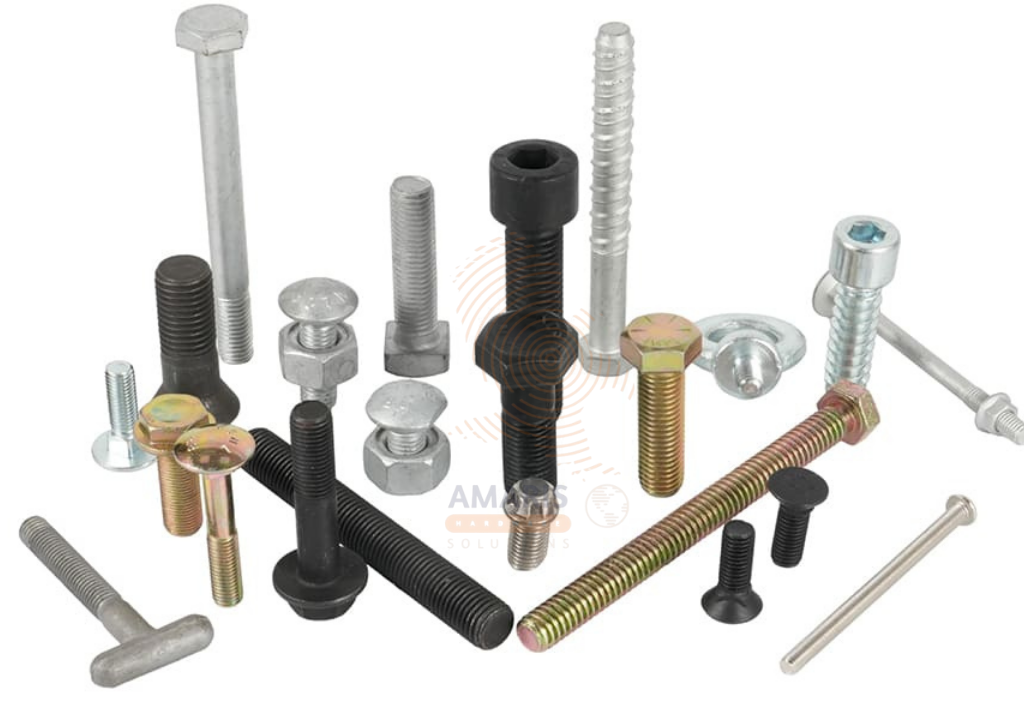
 Bolts
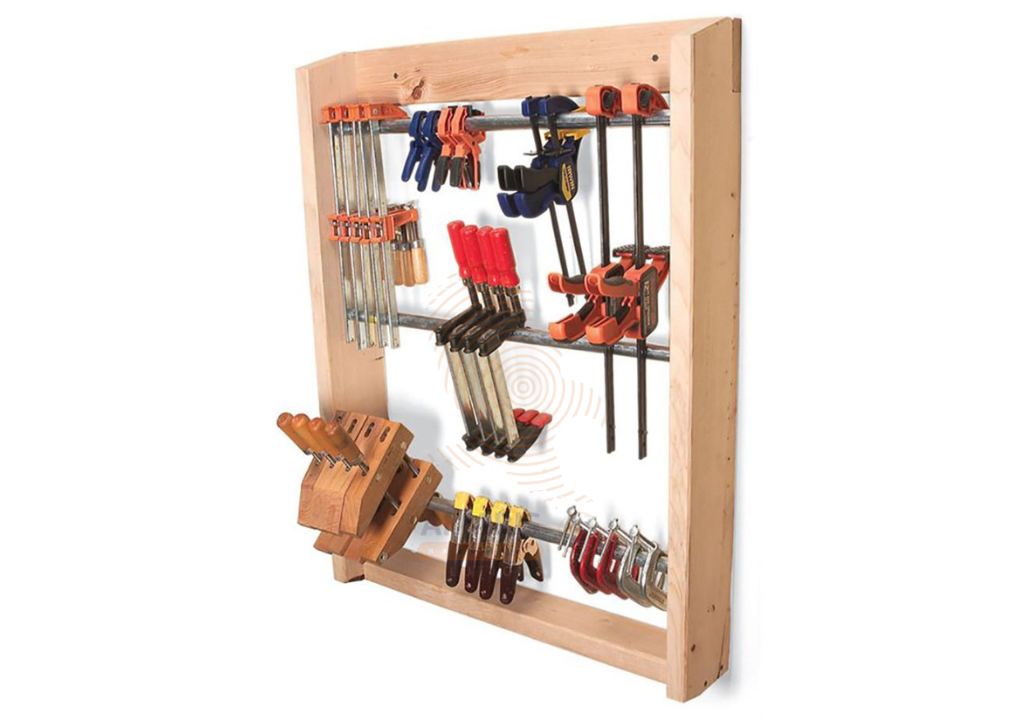
Bolts Clips & Clamps
 Screws
 Nuts
Nuts Washers
 Rivets
 Nails
Nails Threaded Rods
 Hammers
 Measuring Tools (Tapes, Levels, Calipers)
 Screwdrivers
 Pliers & Cutters
 Saws & Blades
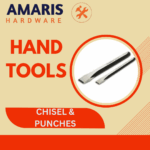 Chisels & Punches
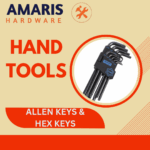 Allen Keys & Hex Keys
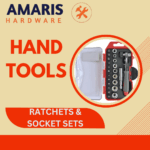 Ratchets & Socket Sets
 Wrenches & Spanners
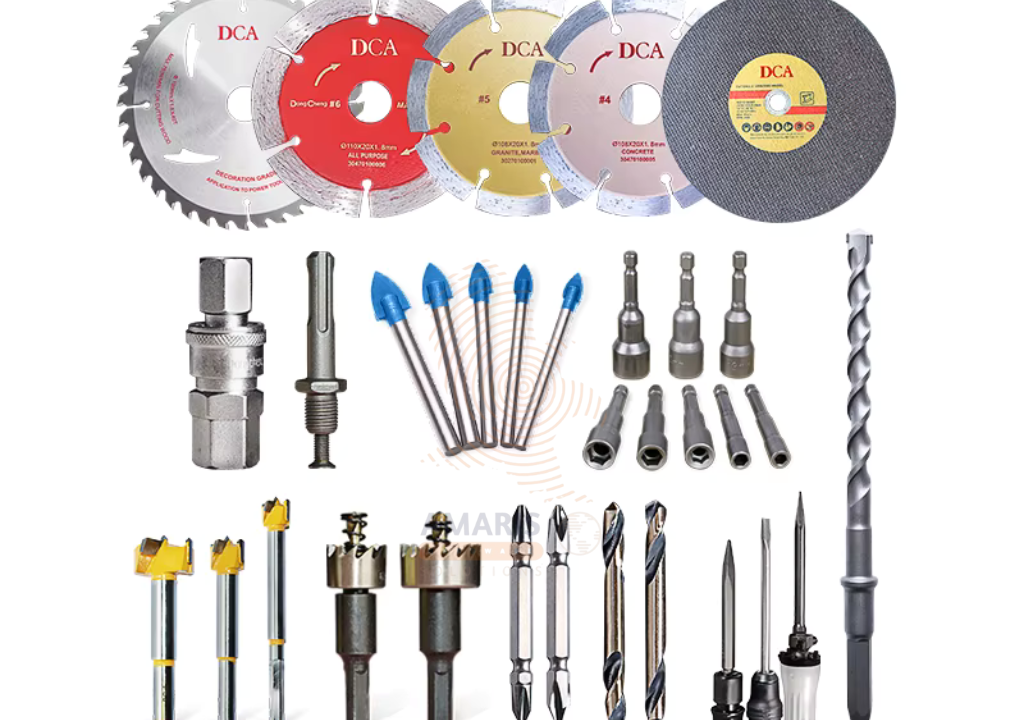
 Power Tool Accessories (Blades, Bits, Discs)
 Rotary Tools
 Saws (Circular, Jigsaw, Reciprocating)
 Drills & Drivers
 Grinders & Sanders
 Heat Guns
 Nail Guns
 Impact Wrenches
 Batteries & Chargers
 Pipes & Fittings (PVC, Copper, PEX)
 Plumbing Tools
 Pumps & Motors
 Sealants & Adhesives for Plumbing
 Valves & Taps
 Water Heaters
 Drainage Systems
 Faucets & Fixtures
 Hoses & Tubing
 Hinges & Latches
 Hooks & Brackets
 Window Hardware
 Chains & Cables
 Casters & Wheels
 Shelving & Storage Systems
 Door Handles & Locks
 Drawer Slides & Cabinet Hardware
 Personal Protective Equipment (PPE)
 Respirators & Masks
 Safety Glasses
 Safes
Safes Security Cameras
 Gloves
 Helmets
 Ear Protection
 Fire Safety Equipment
 Locks & Padlocks
 Motion Sensors & Alarms
 Garden Fencing
 Garden Furniture Hardware
 Lawn Mowers
 Trimmers & Edgers
 Shovels & Spades
 Rakes & Hoes
 Pruning Shears & Loppers
 Watering Systems (Hoses, Sprinklers, Nozzles)
 Interior Paints
 Paint Brushes & Rollers
 Paint Strippers & Thinners
 Paint Trays & Accessories
 Exterior Paints
 Spray Paints
 Primers & Undercoats
 Varnishes & Stains
 Gaskets & Seals
 Hydraulic Fittings
 Industrial Fasteners
 Industrial Hoses
 Lubricants & Greases
 Metal Sheets & Bars
 Bearings & Bushings
 Belts & Pulleys
 HVAC Filters
 Insulation for HVAC
 Air Conditioners
 Refrigerants
 Ventilation Ducts & Fittings
 Thermostats & Controllers
 Fans & Blowers
 Pegboards & Hooks
 Shelving Units
 Storage Bins & Containers
 Toolboxes & Tool Chests
 Workbenches
 Drawer Organizers
 Labeling Supplies
 Welding Accessories (Clamps, Brushes)
 Welding Electrodes & Rods
 Welding Helmets & Gloves
 Welding Machines
 Soldering Irons & Stations
 Flux & Solder Wire
 Generator Accessories
 Inverters
 Portable Generators
 Power Inverters
 Transfer Switches
 Diesel & Gasoline Generators
 Transport Equipment: Carts, Dollies, and Hand Trucks
 Storage Solutions: Pallets, Racks, and Containers
 Lifting Equipment: Hoists, Cranes, and Jacks
 Conveyors & Accessories: Belts & Rollers
 Office Chairs
🧱🔩 How to Choose the Right Anchor for Your Wall

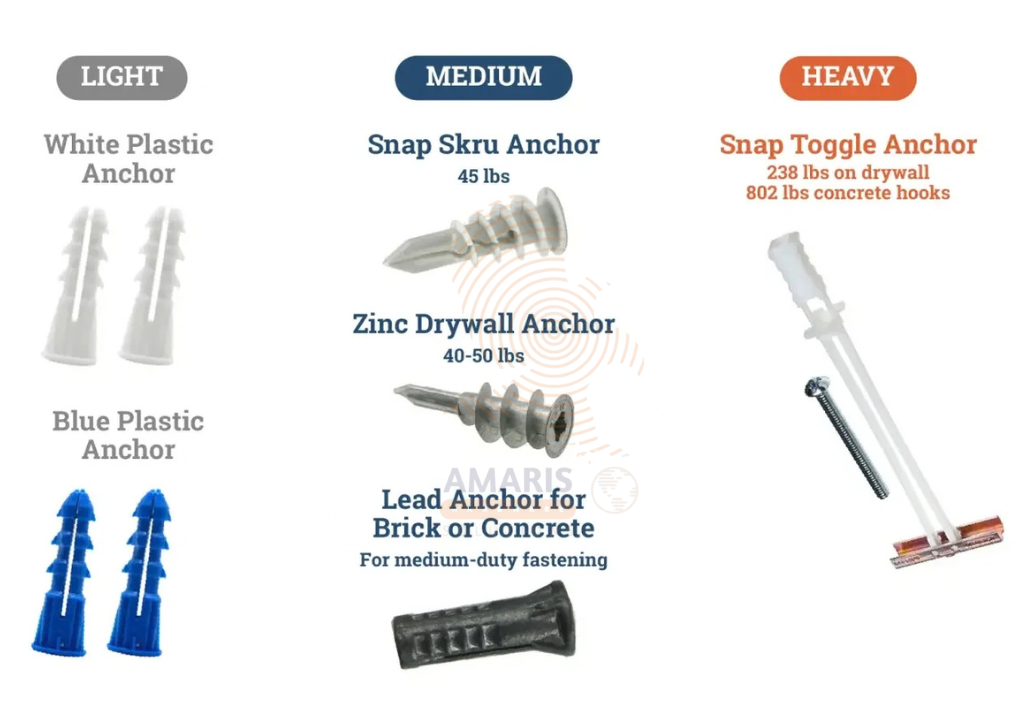
Hanging a shelf, mounting a television, installing a cabinet, or securing a wall fixture may seem like a simple DIY job. But there’s one small component that can make a huge difference: the wall anchor.
Using the right anchor helps keep your fixture secure and prevents unnecessary damage to the wall. Using the wrong one, however, can result in loose fittings, damaged surfaces, or even falling objects. ⚠️ So, how do you choose the right anchor?
The first step is to identify your wall material. Not all walls are the same. You may be dealing with concrete, brick, drywall, plasterboard, or another material. Each has different properties and requires a suitable fastening method.
🧱 Concrete and Solid Masonry
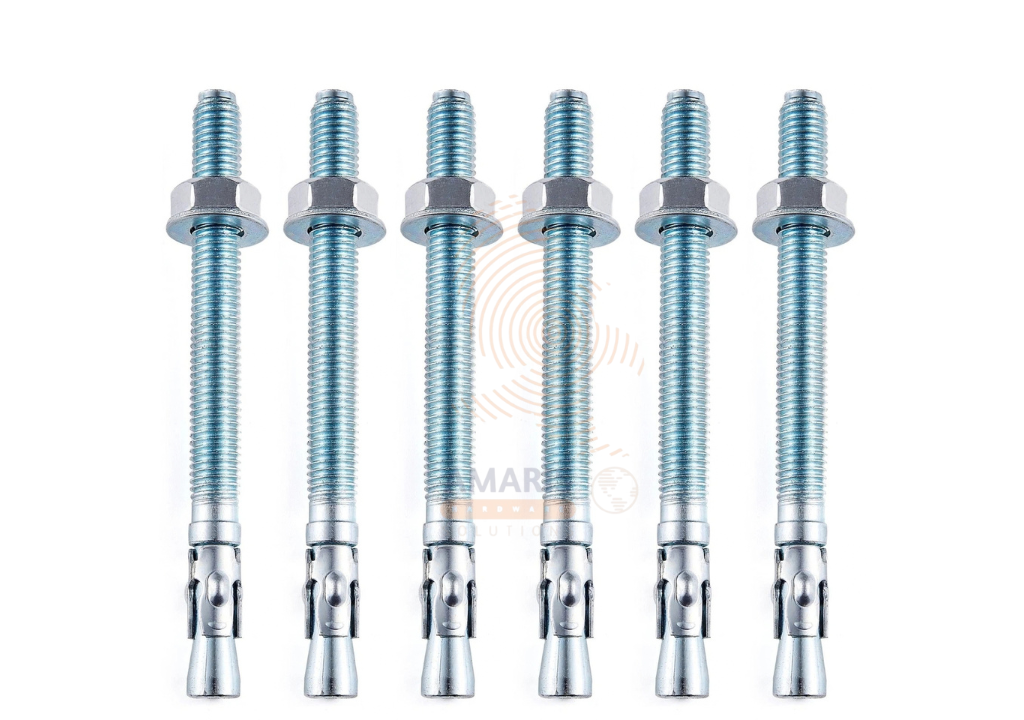
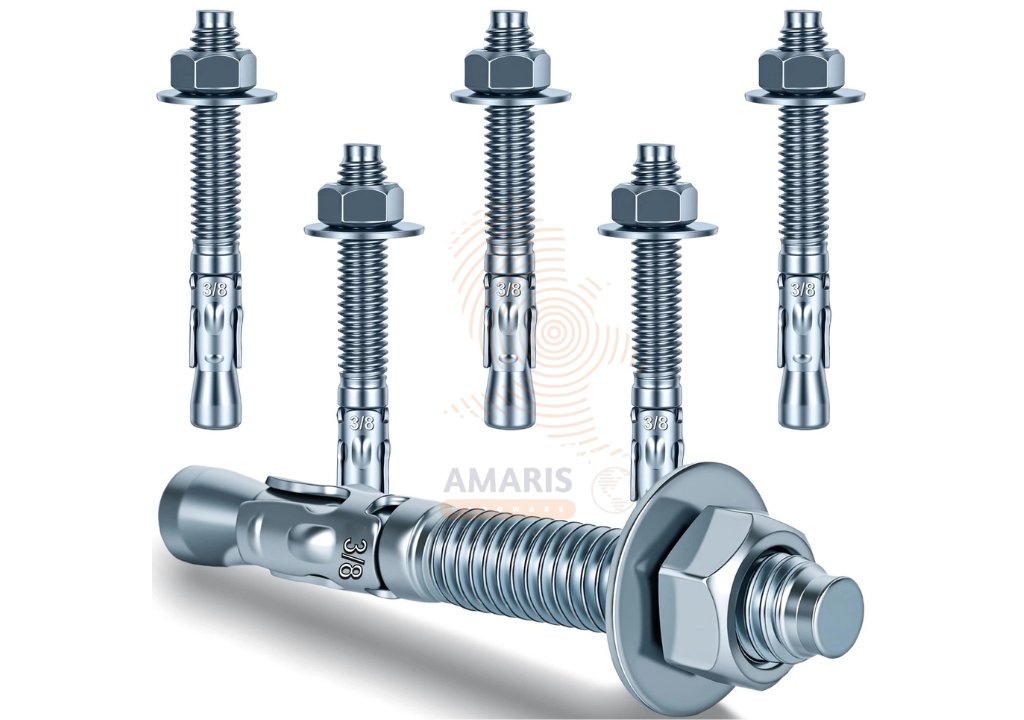
Concrete is strong and dense, making it suitable for supporting relatively heavy loads when the correct anchor is used. For many installations, masonry plugs and screws can provide a secure connection.
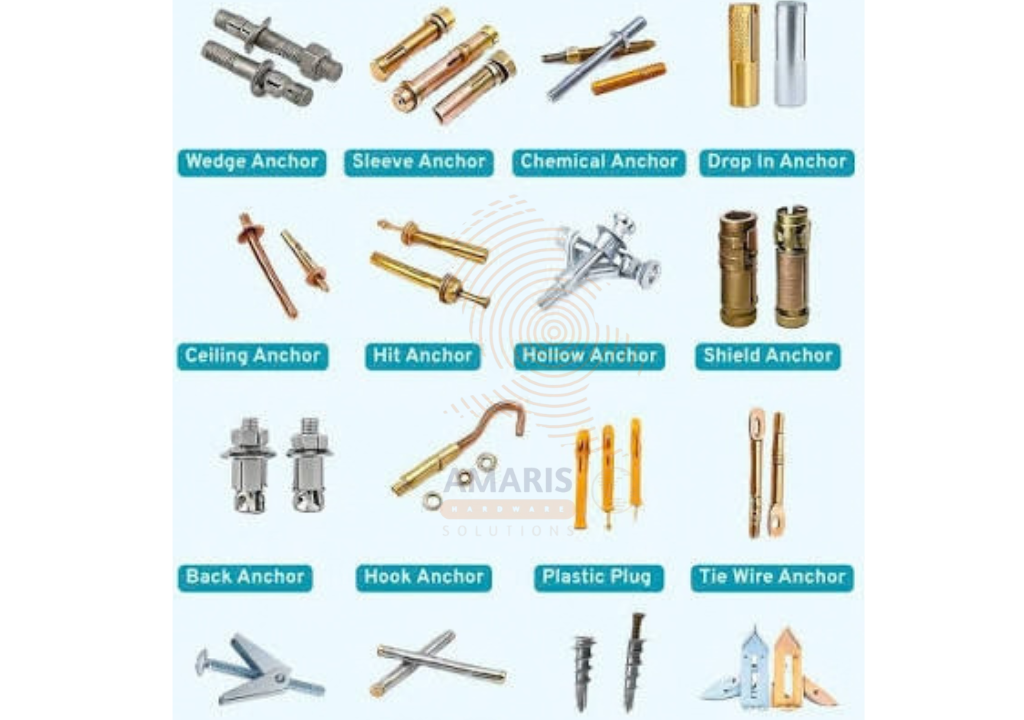
For heavier applications, specialized concrete anchors may be more appropriate. 🔧 The important thing is to choose an anchor rated for the expected load rather than assuming any large plug will work.
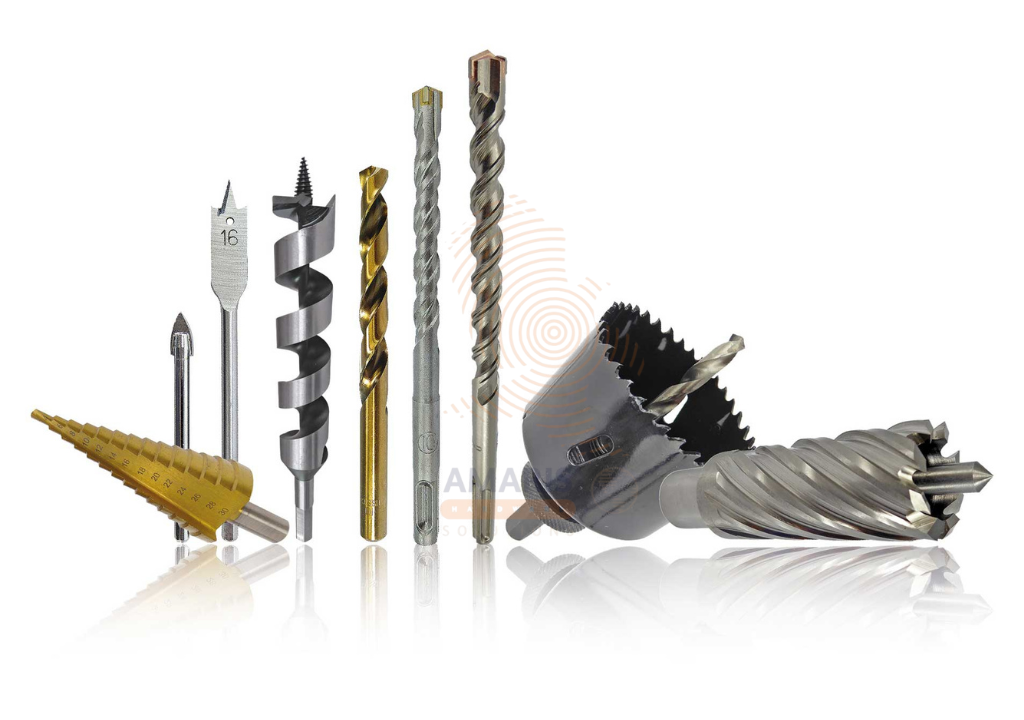
You’ll also need a suitable masonry drill bit to create the hole.
🧱 Brick Walls
Brick walls can also support many fixtures, but where you drill matters. If possible, avoid weak or damaged sections and consider whether you’re drilling into the brick or mortar joint.
Appropriate masonry anchors can provide a reliable fixing for shelves, brackets, and other fixtures. Always consider the weight of the item you’re mounting.
🪛 Drywall and Plasterboard
Drywall is different because it is relatively lightweight and hollow compared with concrete or brick. A standard wall plug may not provide enough support for heavier objects.
For lightweight items, basic drywall anchors may be suitable. For heavier loads, specialized anchors such as toggle-style or cavity anchors can provide better support by distributing the load behind the board.
If you can locate a wall stud, fastening directly into it can provide an even stronger fixing. 💪
⚖️ Consider the Weight
The weight of the object you’re mounting is one of the most important factors.
A small picture frame doesn’t require the same anchor as a large shelf loaded with books or tools. Before buying an anchor, consider both the weight of the object and the additional load it will carry.
It’s always better to choose an appropriate anchor with a suitable load rating rather than taking chances.
📏 Choose the Correct Size
Anchor diameter and length also matter. The drill hole needs to match the anchor specifications, and the screw should be compatible with the anchor.
A hole that is too large may leave the anchor loose, while an undersized hole can make installation difficult or damage the anchor. 🔩 Always check the recommended drill size before starting.
🛠️ Don’t Forget the Screw
Anchors and screws work as a system. Using an incompatible screw can reduce the effectiveness of the anchor.
Check the manufacturer’s recommendations for screw diameter, length, and type. This is particularly important for specialized anchors designed for specific applications.
⚠️ Think About Safety
Before drilling, make sure you know what’s behind the wall. Electrical cables and plumbing pipes can sometimes run inside walls. Accidentally drilling into them can cause serious damage and create dangerous situations.
When you’re unsure about what’s behind the surface, take appropriate precautions or seek professional assistance.
Choosing the right wall anchor isn’t complicated once you understand the basics. Identify the wall material, consider the load, choose the appropriate anchor and screw, and install everything according to the manufacturer’s instructions.
That tiny piece of hardware may be easy to overlook, but it plays a major role in keeping your shelves, cabinets, fixtures, and decorations safely where they belong. 🏠🔧✨