

 Acrylic Sealants
 Construction Adhesives
 Double-Sided Tape
 Duct Tape
 Electrical Tape
 Epoxy & Resins
 Silicone Sealants
 Masking Tape
 Automotive Wrenches & Socket Sets
 Battery Chargers & Jump Starters
 Car Jacks & Stands
 Car Wash & Detailing Products
 Diagnostic Tools
 Tire Inflators
 Vehicle Lighting
 Oil & Lubricants
 Adhesives & Sealants
 Bricks & Blocks
 Cement & Concrete
 Drywall & Plaster
 Flooring (Tiles, Wood, Laminate)
 Lumber & Plywood
 Paints, Primers & Coatings
 Insulation Materials
 Roofing Materials
 Circuit Breakers
 Electrical Cables & Wires
 Switches & Sockets
 Fuses & Relays
 Connectors & Terminals
 Electrical Boxes & Panels
 Conduit & Fittings
 Lighting Fixtures & Bulbs
 Extension Cords & Power Strips
 Anchors
 Bolts
Bolts Clips & Clamps
 Screws
 Nuts
Nuts Washers
 Rivets
 Nails
Nails Threaded Rods
 Hammers
 Measuring Tools (Tapes, Levels, Calipers)
 Screwdrivers
 Pliers & Cutters
 Saws & Blades
 Chisels & Punches
 Allen Keys & Hex Keys
 Ratchets & Socket Sets
 Wrenches & Spanners
 Power Tool Accessories (Blades, Bits, Discs)
 Rotary Tools
 Saws (Circular, Jigsaw, Reciprocating)
 Drills & Drivers
 Grinders & Sanders
 Heat Guns
 Nail Guns
 Impact Wrenches
 Batteries & Chargers
 Pipes & Fittings (PVC, Copper, PEX)
 Plumbing Tools
 Pumps & Motors
 Sealants & Adhesives for Plumbing
 Valves & Taps
 Water Heaters
 Drainage Systems
 Faucets & Fixtures
 Hoses & Tubing
 Hinges & Latches
 Hooks & Brackets
 Window Hardware
 Chains & Cables
 Casters & Wheels
 Shelving & Storage Systems
 Door Handles & Locks
 Drawer Slides & Cabinet Hardware
 Personal Protective Equipment (PPE)
 Respirators & Masks
 Safety Glasses
 Safes
Safes Security Cameras
 Gloves
 Helmets
 Ear Protection
 Fire Safety Equipment
 Locks & Padlocks
 Motion Sensors & Alarms
 Garden Fencing
 Garden Furniture Hardware
 Lawn Mowers
 Trimmers & Edgers
 Shovels & Spades
 Rakes & Hoes
 Pruning Shears & Loppers
 Watering Systems (Hoses, Sprinklers, Nozzles)
 Interior Paints
 Paint Brushes & Rollers
 Paint Strippers & Thinners
 Paint Trays & Accessories
 Exterior Paints
 Spray Paints
 Primers & Undercoats
 Varnishes & Stains
 Gaskets & Seals
 Hydraulic Fittings
 Industrial Fasteners
 Industrial Hoses
 Lubricants & Greases
 Metal Sheets & Bars
 Bearings & Bushings
 Belts & Pulleys
 HVAC Filters
 Insulation for HVAC
 Air Conditioners
 Refrigerants
 Ventilation Ducts & Fittings
 Thermostats & Controllers
 Fans & Blowers
 Pegboards & Hooks
 Shelving Units
 Storage Bins & Containers
 Toolboxes & Tool Chests
 Workbenches
 Drawer Organizers
 Labeling Supplies
 Welding Accessories (Clamps, Brushes)
 Welding Electrodes & Rods
 Welding Helmets & Gloves
 Welding Machines
 Soldering Irons & Stations
 Flux & Solder Wire
 Generator Accessories
 Inverters
 Portable Generators
 Power Inverters
 Transfer Switches
 Diesel & Gasoline Generators
 Transport Equipment: Carts, Dollies, and Hand Trucks
 Storage Solutions: Pallets, Racks, and Containers
 Lifting Equipment: Hoists, Cranes, and Jacks
 Conveyors & Accessories: Belts & Rollers
 Office Chairs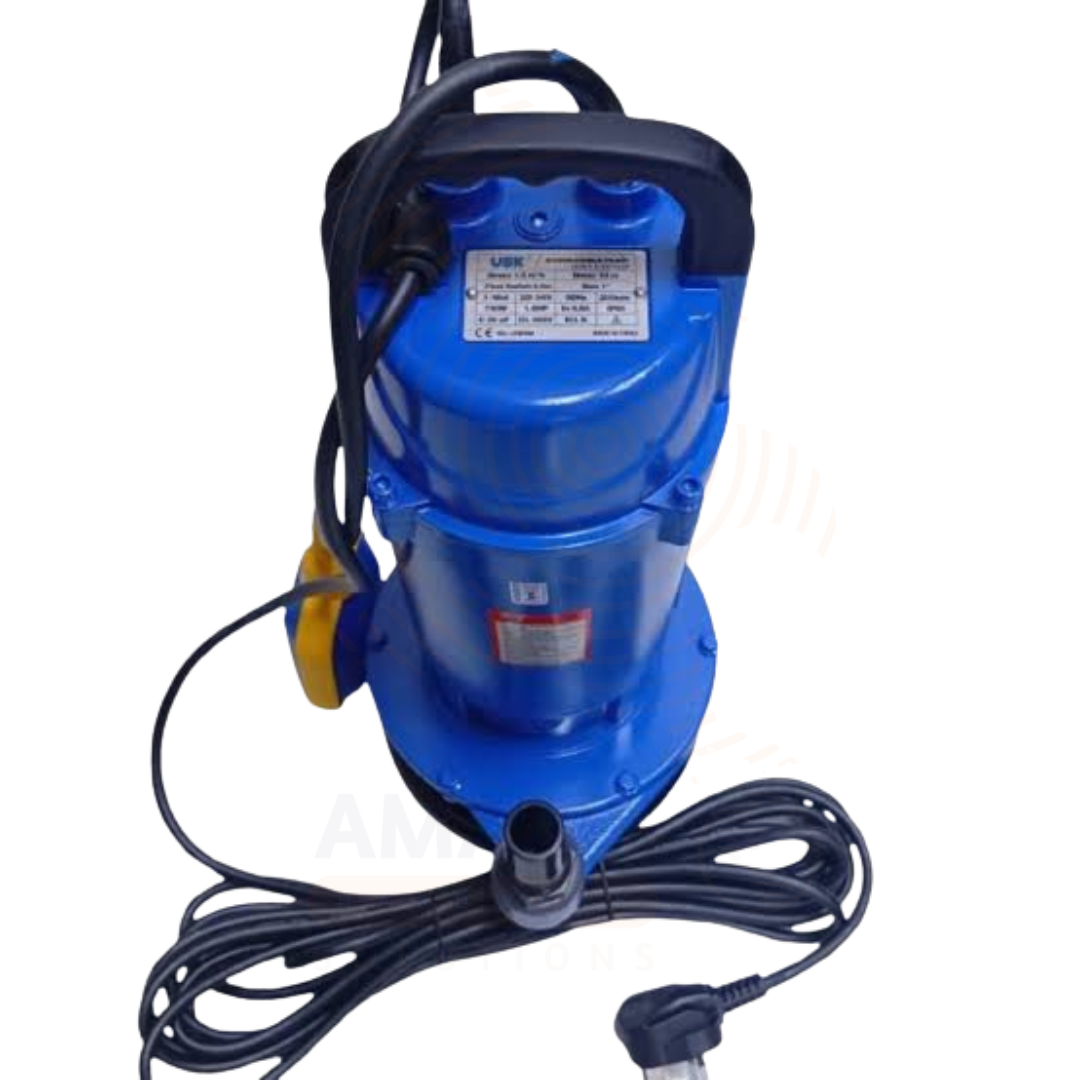
SUBMERSIBLE PUMP
The USK 4SDM313 is a 1HP submersible water pump designed for deep boreholes and wells, providing a reliable water supply for healthcare facilities, community water kiosks, and rural clinics . It is a multi-stage pump with 13 impellers, capable of lifting water from depths of up to 85-93 meters . The pump operates fully submerged, which means it is quiet, self-priming, and efficient. Constructed with a stainless steel outer casing and robust engineering plastic impellers, it is built for durability and corrosion resistance in the challenging conditions of borehole operation . It requires a minimum borehole diameter of 4 inches (100mm) and operates on a standard single-phase 220-240V AC power supply, compatible with most electrical systems in Kenya . For healthcare facilities, this pump provides the essential water supply needed for patient care, infection prevention, and hygiene, especially in off-grid or water-scarce areas .
SUBMERSIBLE PUMP
PRIMARY USES
1. Reliable Water Supply for Healthcare Facilities from Boreholes and Wells
Primary Use: A submersible electric pump (1HP, 4SDM313) designed to operate fully submerged in water to pump water from boreholes, wells, and underground sources, providing a reliable water supply for healthcare facilities, particularly in areas with unreliable mains water or during dry seasons .
How it helps: For the healthcare facility manager and general practitioner, reliable access to water is fundamental for patient care, hygiene, and infection prevention. The 1HP submersible pump can lift water from significant depths, typically up to 85-93 meters, making it suitable for deep boreholes common in many parts of Kenya . The pump operates quietly and requires no manual priming, as it is always surrounded by water . By ensuring a consistent water supply, the pump supports essential clinical activities such as handwashing, instrument cleaning, sanitation, and patient hydration, which are critical for preventing healthcare-associated infections .
2. Support for Community Water Kiosks and Public Health Initiatives
Primary Use: Used in solar-powered water systems to pump water from boreholes to storage tanks and community water kiosks, providing clean, safe water to surrounding communities and reducing the burden on healthcare facility water sources .
How it helps: For the public health officer and community health worker, the submersible pump integrated into a solar-powered system ensures that clean water is accessible to the community without long wait times . This reduces the risk of waterborne diseases such as cholera, typhoid, and diarrhea, which are major public health concerns in areas with poor water access . For the community, this means improved health outcomes, reduced disease transmission, and better overall well-being .
3. Water Supply for Rural and Off-Grid Health Facilities
Primary Use: Provides a dependable water source for rural health facilities, dispensaries, and mobile clinics that are not connected to municipal water supplies, enabling them to maintain hygiene standards and provide safe patient care .
How it helps: For the rural healthcare provider, the submersible pump can be powered by solar panels or the electrical grid, making it adaptable to the available infrastructure in remote areas . The pump’s stainless steel and engineering plastic construction provides excellent corrosion resistance, which is essential for long-term use in submerged conditions . For the health facility, this means being able to offer safe deliveries, perform minor surgeries, and maintain a clean environment, which are critical for reducing maternal and neonatal mortality in underserved regions .
SECONDARY USES
1. Irrigation for Hospital Gardens and Food Security Programmes: For healthcare facilities with nutrition or food security programmes, the pump can be used to irrigate vegetable gardens, providing fresh produce for patients and staff and supporting therapeutic feeding programmes.
2. Water Supply for Emergency and Disaster Relief Operations: In emergency situations such as droughts or natural disasters, the submersible pump can be deployed to provide clean water for affected communities and healthcare facilities.
3. Support for Decontamination and Sterilisation Processes: The reliable water supply supports central sterilisation departments (CSSD), ensuring that surgical instruments and medical equipment can be properly cleaned and sterilised, reducing the risk of surgical site infections.
4. Maintaining Water Storage Tanks and Gravity-Feed Systems: The pump can be used to fill elevated water storage tanks that then supply water by gravity to the healthcare facility, ensuring consistent water pressure and availability even during power outages.
1. BASIC IDENTIFICATION ATTRIBUTES
-
Device Type: Electric submersible borehole pump; not a medical device
-
Designation: USK 4SDM313
-
Power Output: 1 HP (0.75 kW)
-
Voltage: Single-phase 220-240V AC, 50Hz
-
Model Number: 4SDM313
-
Minimum Borehole Diameter: 4 inches (100mm)
-
Maximum Head (Vertical Lift): 85-93 meters
-
Rated Flow Rate: Approximately 3 m³/h (50 litres per minute)
-
Number of Impellers: 13
-
Material: Stainless steel body (AISI 304), robust plastic impellers (POM/PPO), stainless steel shaft
-
Country of Origin: China (typical for USK brand)
-
Manufacturer: USK
2. TECHNICAL & PERFORMANCE PROPERTIES
-
Primary Action: Pushes water from deep underground sources to the surface
-
Self-Priming: Yes, no manual priming required
-
Operation: Fully submerged in water during operation
-
Motor Cooling: Water-cooled, ensuring efficient operation and longevity
-
Protection: Hermetically sealed motor; separate control box with start capacitor and thermal overload protection
-
Check Valve: Integrated to prevent backflow of water in the riser pipe
-
Quiet Operation: Water dampens motor noise
-
Efficiency: Pushing water upwards is more energy-efficient than pulling water over long distances
-
Maximum Sand Content: Designed for clean water with very low sand content (max 0.25% by weight); higher sand content requires specialised sand-resistant pumps
-
Maximum Immersion Depth: Typically up to 80 meters
3. PHYSICAL & OPERATIONAL PROPERTIES
-
Preparation: The pump must be installed by a qualified professional. Ensure the borehole is clean and free of debris. Connect the pump to the drop pipe and electrical cable. Lower the pump into the borehole, ensuring it does not rest on the bottom (to prevent sand intake). Connect the electrical supply to the control box.
-
Usage Instructions: The pump starts automatically when the pressure switch or float switch is activated (depending on the system design). For manual operation, ensure the control box is switched on. Monitor the flow rate and pressure regularly.
-
Maintenance: Regular servicing is recommended. Check the electrical connections, control box, and pump performance periodically. Inspect the pump for wear and tear, particularly the impellers and the shaft seal. If the pump is used in water with high sand content, more frequent maintenance may be required.
-
Storage Conditions: Store in a cool, dry place away from direct sunlight, heat, and moisture. If storing for extended periods, drain the pump of any water and protect the electrical connections.
-
Installation: Requires a minimum borehole diameter of 4 inches (100mm). For deep boreholes, additional pipe and electrical cable may be required.
-
Ventilation: Not applicable; the pump is submerged in water.
4. SAFETY & COMPLIANCE ATTRIBUTES
-
Safety Classification: Electrical appliance; must be installed and maintained by a qualified electrician or technician.
-
Electrical Safety: Ensure the pump is properly earthed/grounded. Use a suitable circuit breaker and RCD (residual current device) for protection against electric shock.
-
Installation: The pump must be installed by a qualified professional to ensure it is properly connected and positioned in the borehole or well.
-
Regular Maintenance: Regular servicing is recommended to ensure reliable performance. Inspect the pump, motor, and control box for any signs of damage or wear.
-
Water Quality: The pump is designed for clean water with very low sand content (max 0.25% by weight). Higher sand content can cause premature wear and damage to the impellers and seals. Install a sand filter if necessary.
-
Regulatory: Complies with applicable electrical and safety standards for Kenya.
-
Warranty: Refer to supplier for specific warranty terms and conditions.
1. SAFETY PRECAUTIONS
-
Electrical safety – installation by qualified professional: The submersible pump operates on 220-240V AC and must be installed and connected by a qualified electrician to prevent electric shock or fire. Ensure the pump and control box are correctly earthed/grounded.
-
Borehole safety: Do not attempt to retrieve or install the pump without proper training and equipment. The borehole may be deep and contain hazardous gases or debris.
-
Water quality: The pump is designed for clean water with very low sand content (max 0.25% by weight). Higher sand content can cause premature wear and damage. Install a sand filter if necessary.
-
Regular maintenance: Inspect the pump, motor, and control box for any signs of damage or wear. Ensure the electrical connections are secure and free from corrosion.
-
Keep out of reach of children: The pump and its components should be stored in a location where children cannot access them.
2. FIRST AID MEASURES
-
Electric shock: If a person receives an electric shock, turn off the power supply immediately. If the person is not breathing, begin CPR and call emergency services. Do not touch the person until the power supply has been disconnected.
-
Eye contact with water (contaminated): If contaminated water enters the eyes, rinse immediately with plenty of clean, lukewarm water for at least 15 minutes. Seek medical attention if irritation persists.
-
Skin contact with water (contaminated): Wash skin thoroughly with soap and clean water. If irritation develops, seek medical attention.
3. FIRE FIGHTING MEASURES
-
Flammability: The pump and its components are not typically flammable. However, electrical faults can cause fires.
-
Extinguishing Media: For electrical fires, use dry chemical powder, carbon dioxide (CO₂), or a suitable fire extinguisher. Do not use water on electrical fires.
-
Fire Response: In the event of a fire, evacuate the area and call emergency services. Isolate the electrical supply to the pump if it is safe to do so.
Related products
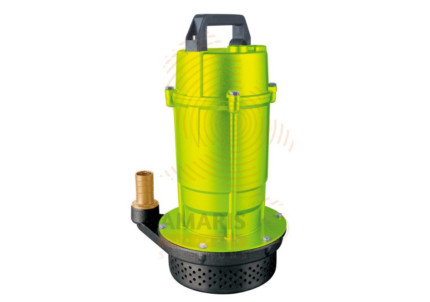
Clean Water Submersible Pump
The Clean Water Submersible Pump is designed for efficient water transfer in residential, commercial, and light industrial applications. Engineered to handle clean, debris-free water, this submersible pump ensures reliable performance, high flow rates, and long-lasting durability. Its compact design allows for easy installation in wells, tanks, and sumps, while the corrosion-resistant materials provide enhanced longevity. Ideal for irrigation, water supply, and drainage tasks, this pump combines efficiency with quiet operation, making it a dependable solution for your water handling needs.
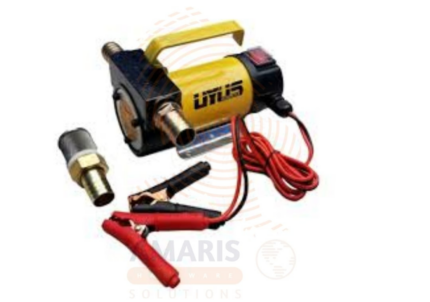
Electric Oil Well Pump
An electric oil well pump refers to a type of artificial lift system used in the petroleum industry to extract crude oil from underground reservoirs. This pump is powered by electricity and is typically installed in oil wells to enhance the flow of oil to the surface. The electric oil well pump operates by converting electrical energy into mechanical energy, which is then used to lift the oil from the wellbore to the surface for further processing and transportation. This technology is crucial for maximizing oil production and maintaining the overall efficiency of oil extraction operations.
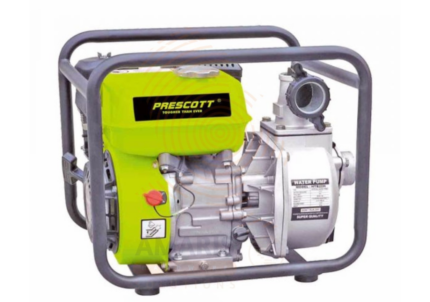
Gasoline Water Pump
A Gasoline Water Pump with a 7.0 HP (horsepower) 208 CC (cubic centimeters) engine is a mechanical device designed to transfer water by utilizing a gasoline-powered internal combustion engine. The 7.0 HP rating indicates the power of the engine, while the 208 CC represents the engine displacement, reflecting the size and potential performance of the engine.
This type of water pump is commonly used for various applications, such as draining flooded areas, transferring water between locations, and providing water for irrigation. It typically features suction and discharge ports for connecting hoses or pipes, a fuel tank for gasoline storage, and a start mechanism, which can be either electric or manual.
Key considerations for such a pump include its flow rate (measured in gallons or liters per minute), the size of suction and discharge ports, fuel capacity for runtime, and maintenance requirements. These pumps are valued for their versatility and portability, making them suitable for a range of tasks in agricultural, construction, and emergency situations.
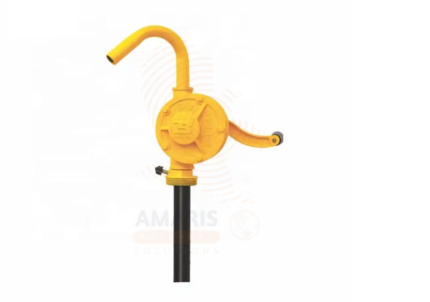
Hand Rotary Barrel Pump
A hand rotary barrel pump is a manually operated pump designed to transfer liquids, typically from barrels or containers, through a rotary pumping mechanism. The pump is equipped with a hand crank or lever that, when turned, activates a rotary gear or vane system inside the pump. This rotary action creates suction, allowing the pump to draw liquid from the source container and then dispense it through a spout or nozzle. Hand rotary barrel pumps are commonly used for transferring various fluids such as oils, fuels, chemicals, and other non-corrosive liquids. They offer a portable and efficient solution for applications where a power source may be unavailable or impractical.
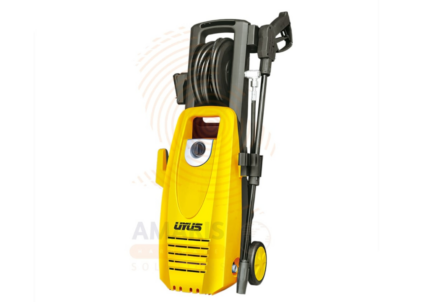
High pressure washer
A High pressure washer, rated at 2000 watts, is a powerful cleaning device designed for various applications, such as cleaning surfaces, vehicles, outdoor spaces, and more. The "2000W" indicates the power consumption or wattage of the washer, suggesting a robust motor that can generate high water pressure for effective cleaning. This type of pressure washer is likely to deliver strong water jets, making it suitable for tackling tough dirt, grime, and stains in residential or industrial settings. The versatility and efficiency of a 2000W high-pressure washer make it a popular choice for tasks that demand substantial cleaning power.
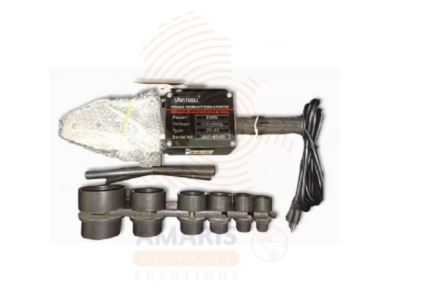
Plastic Pipe Welding Set
A plastic pipe welding set is a specialized equipment kit designed for joining or fusing plastic pipes through heat and pressure. It typically includes a welding machine, heating element, and various accessories required for the fusion process. The machine heats the ends of the plastic pipes to a molten state, and then they are pressed together to form a strong and durable bond as the material cools and solidifies. This welding process is commonly used in construction, plumbing, and other industries where plastic pipes are utilized for fluid or gas conveyance. The welding set ensures a secure and leak-free connection between plastic pipes, contributing to the overall integrity and reliability of the piping system.
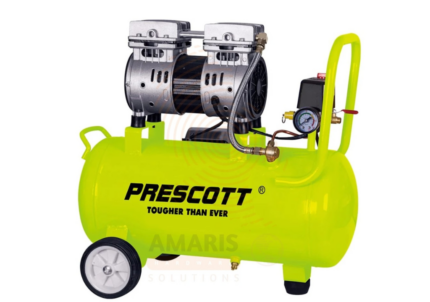
Silent Air Compressor
A silent air compressor is a device that generates compressed air with minimal noise emission during operation. Unlike traditional air compressors that can produce significant noise levels, silent air compressors are designed with sound reduction features to create a quieter working environment. These compressors are often employed in settings where low noise levels are crucial, such as in workshops, laboratories, or residential areas, allowing for more comfortable and less disruptive use.

Solar Submersible Pump
A solar submersible pump is a water pumping system powered by solar energy, designed to operate while fully submerged in water. Commonly used in agricultural, domestic, and remote water supply applications, it draws power from solar panels to lift water from wells, boreholes, or other sources. It is highly efficient and environmentally friendly, making it ideal for off-grid or energy-scarce regions. Built with corrosion-resistant materials and often equipped with brushless DC motors, solar submersible pumps offer a sustainable solution to irrigation, livestock watering, and household water needs.