
 Acrylic Sealants
 Construction Adhesives
 Double-Sided Tape
 Duct Tape
 Electrical Tape
 Epoxy & Resins
 Silicone Sealants
 Masking Tape
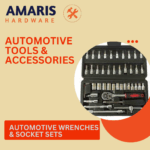 Automotive Wrenches & Socket Sets
 Battery Chargers & Jump Starters
 Car Jacks & Stands
 Car Wash & Detailing Products
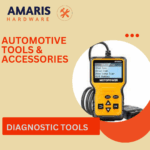 Diagnostic Tools
 Tire Inflators
 Vehicle Lighting
 Oil & Lubricants
 Adhesives & Sealants
 Bricks & Blocks
 Cement & Concrete
 Drywall & Plaster
 Flooring (Tiles, Wood, Laminate)
 Lumber & Plywood
 Paints, Primers & Coatings
 Insulation Materials
 Roofing Materials
 Circuit Breakers
 Electrical Cables & Wires
 Switches & Sockets
 Fuses & Relays
 Connectors & Terminals
 Electrical Boxes & Panels
 Conduit & Fittings
 Lighting Fixtures & Bulbs
 Extension Cords & Power Strips
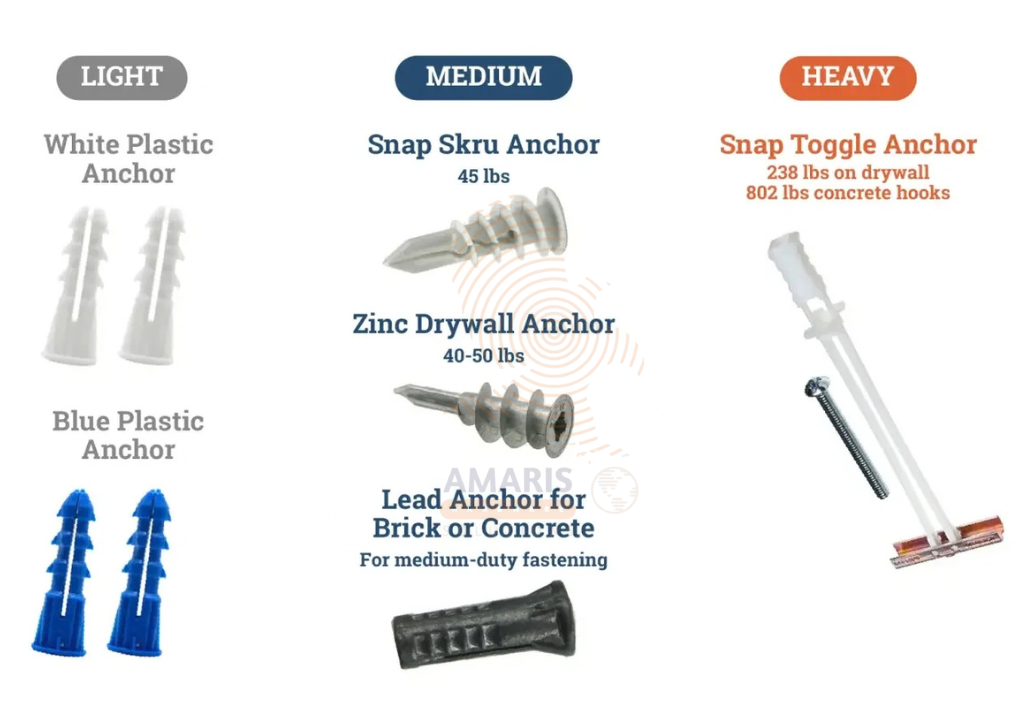
 Anchors
 Bolts
Bolts Clips & Clamps
 Screws
 Nuts
Nuts Washers
 Rivets
 Nails
Nails Threaded Rods
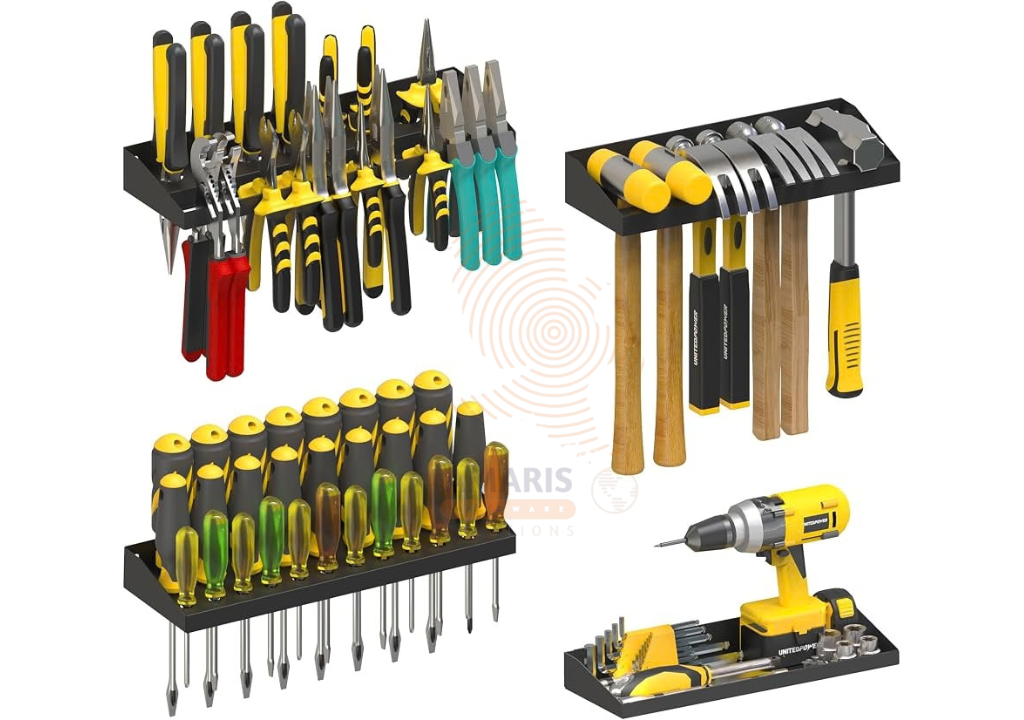
 Hammers
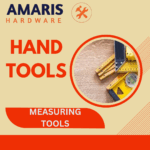 Measuring Tools (Tapes, Levels, Calipers)
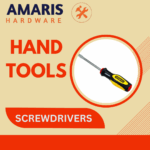 Screwdrivers
 Pliers & Cutters
 Saws & Blades
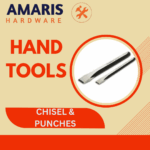 Chisels & Punches
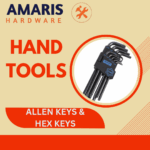 Allen Keys & Hex Keys
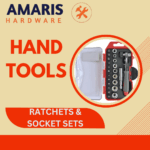 Ratchets & Socket Sets
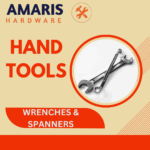 Wrenches & Spanners
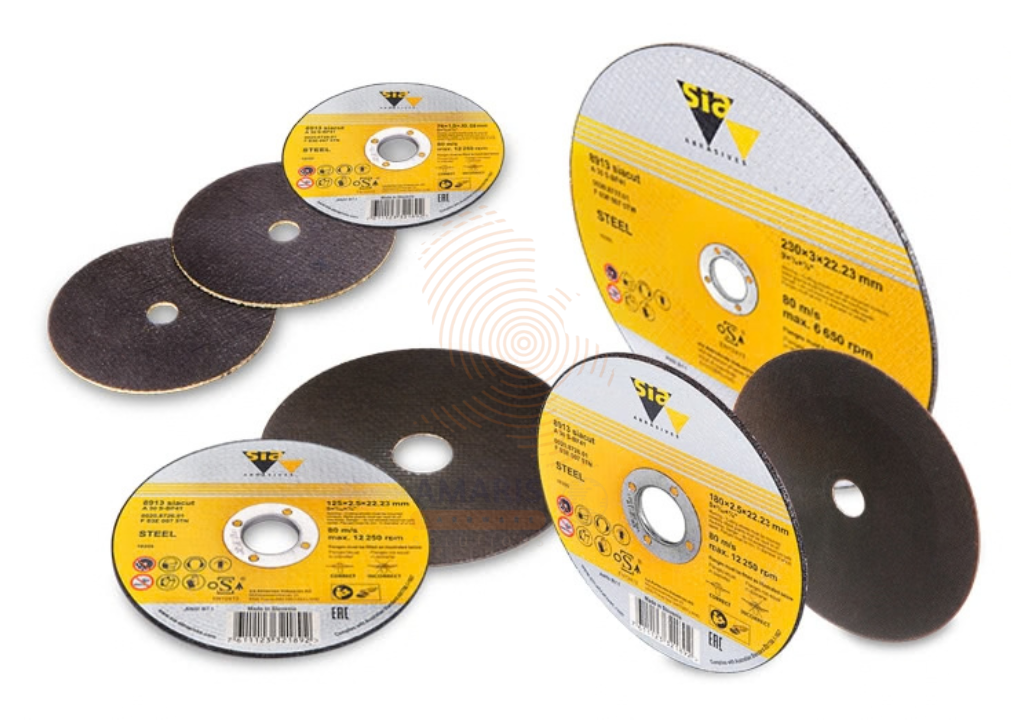
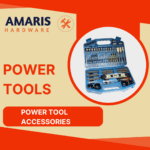 Power Tool Accessories (Blades, Bits, Discs)
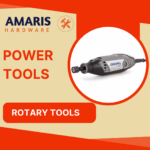 Rotary Tools
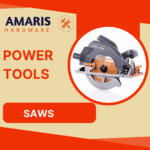 Saws (Circular, Jigsaw, Reciprocating)
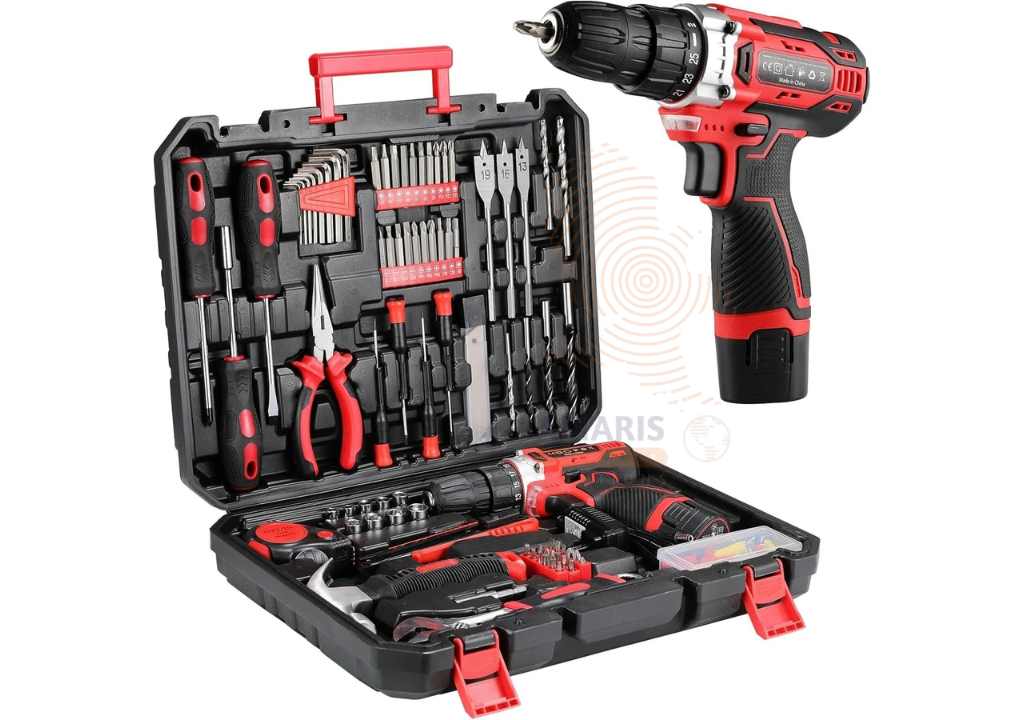
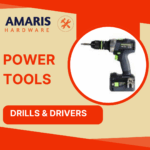 Drills & Drivers
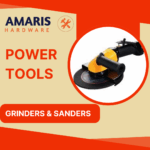 Grinders & Sanders
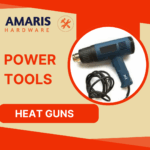 Heat Guns
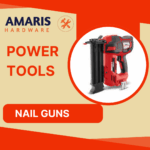 Nail Guns
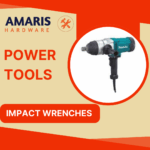 Impact Wrenches
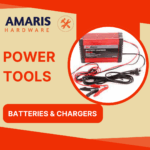 Batteries & Chargers
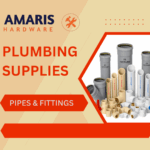 Pipes & Fittings (PVC, Copper, PEX)
 Plumbing Tools
 Pumps & Motors
 Sealants & Adhesives for Plumbing
 Valves & Taps
 Water Heaters
 Drainage Systems
 Faucets & Fixtures
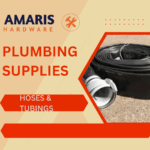 Hoses & Tubing
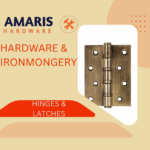 Hinges & Latches
 Hooks & Brackets
 Window Hardware
 Chains & Cables
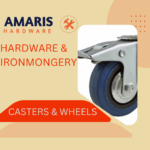 Casters & Wheels
 Shelving & Storage Systems
 Door Handles & Locks
 Drawer Slides & Cabinet Hardware
 Personal Protective Equipment (PPE)
 Respirators & Masks
 Safety Glasses
 Safes
Safes Security Cameras
 Gloves
 Helmets
 Ear Protection
 Fire Safety Equipment
 Locks & Padlocks
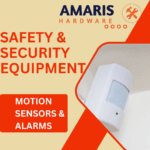 Motion Sensors & Alarms
 Garden Fencing
 Garden Furniture Hardware
 Lawn Mowers
 Trimmers & Edgers
 Shovels & Spades
 Rakes & Hoes
 Pruning Shears & Loppers
 Watering Systems (Hoses, Sprinklers, Nozzles)
 Interior Paints
 Paint Brushes & Rollers
 Paint Strippers & Thinners
 Paint Trays & Accessories
 Exterior Paints
 Spray Paints
 Primers & Undercoats
 Varnishes & Stains
 Gaskets & Seals
 Hydraulic Fittings
 Industrial Fasteners
 Industrial Hoses
 Lubricants & Greases
 Metal Sheets & Bars
 Bearings & Bushings
 Belts & Pulleys
 HVAC Filters
 Insulation for HVAC
 Air Conditioners
 Refrigerants
 Ventilation Ducts & Fittings
 Thermostats & Controllers
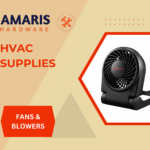 Fans & Blowers
 Pegboards & Hooks
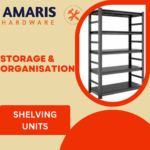 Shelving Units
 Storage Bins & Containers
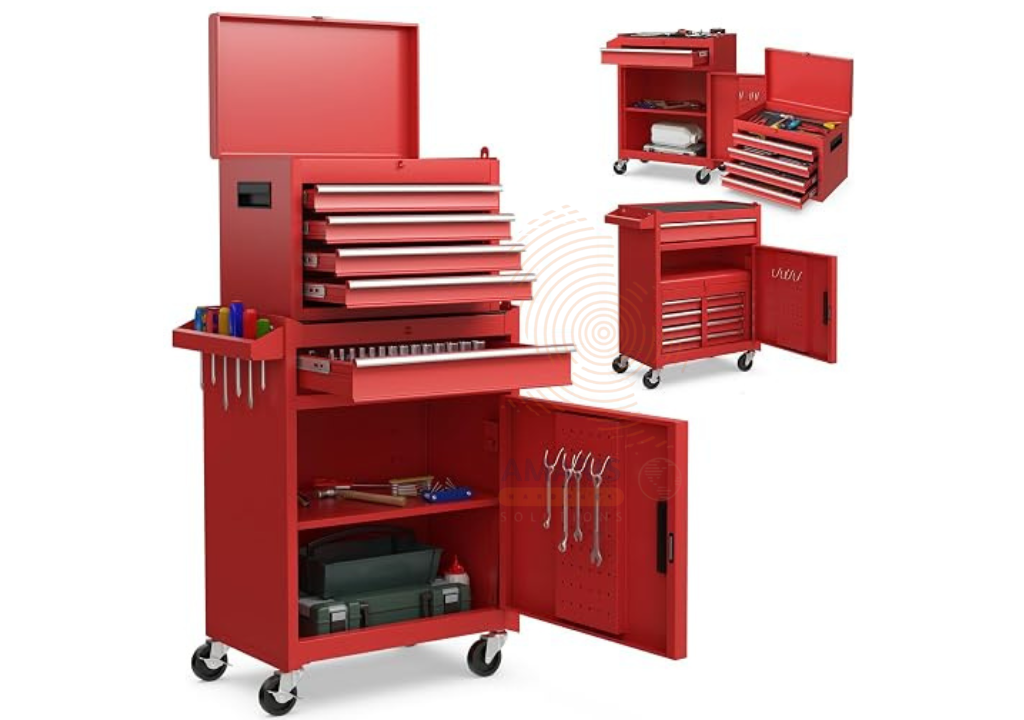
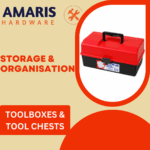 Toolboxes & Tool Chests
 Workbenches
 Drawer Organizers
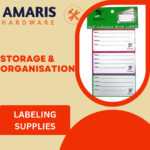 Labeling Supplies
 Welding Accessories (Clamps, Brushes)
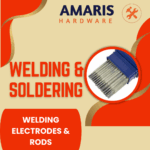 Welding Electrodes & Rods
 Welding Helmets & Gloves
 Welding Machines
 Soldering Irons & Stations
 Flux & Solder Wire
 Generator Accessories
 Inverters
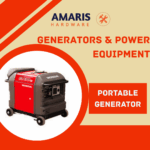 Portable Generators
 Power Inverters
 Transfer Switches
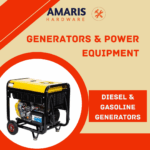 Diesel & Gasoline Generators
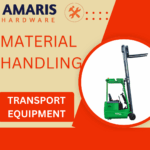 Transport Equipment: Carts, Dollies, and Hand Trucks
 Storage Solutions: Pallets, Racks, and Containers
 Lifting Equipment: Hoists, Cranes, and Jacks
 Conveyors & Accessories: Belts & Rollers
 Office Chairs
💸🔧 The Hidden Costs of Using Low-Quality Tools

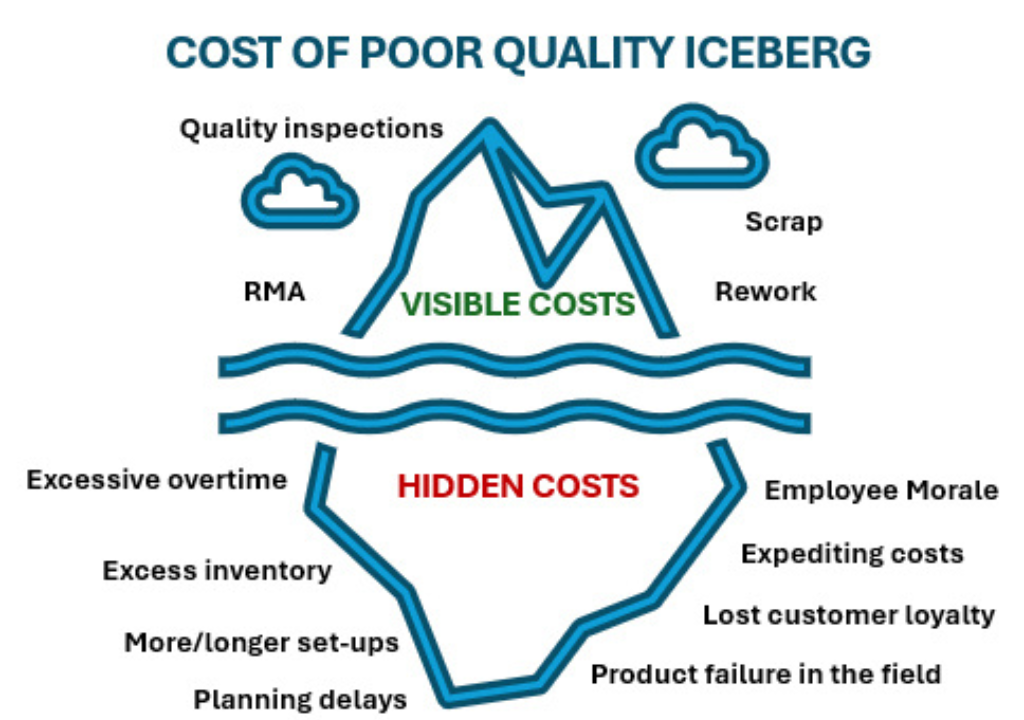
When shopping for construction tools, it’s natural to compare prices and look for the best deal. After all, every contractor, workshop owner, and DIY enthusiast wants to save money. However, choosing the cheapest tool isn’t always the smartest financial decision. While low-quality tools may cost less upfront, they often come with hidden expenses that can end up costing far more over time. ⚠️
Whether you’re working on a construction site, running a workshop, or tackling home improvement projects, the quality of your tools directly affects your productivity, safety, and the quality of your work. Investing in dependable equipment isn’t just about performance—it’s about reducing long-term costs and avoiding unnecessary setbacks.
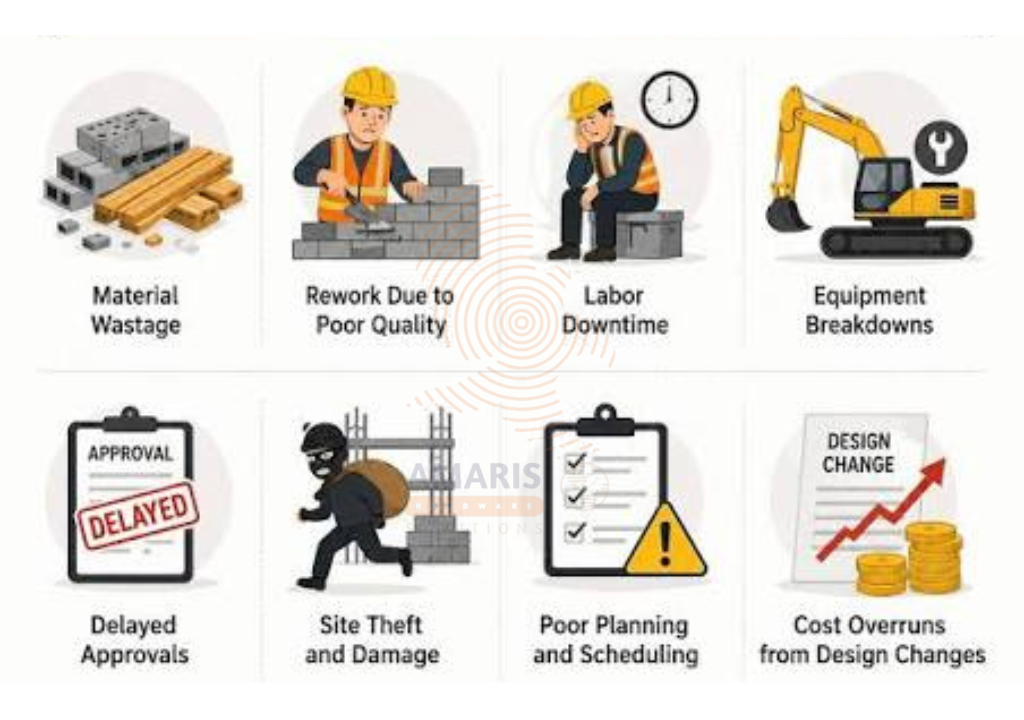
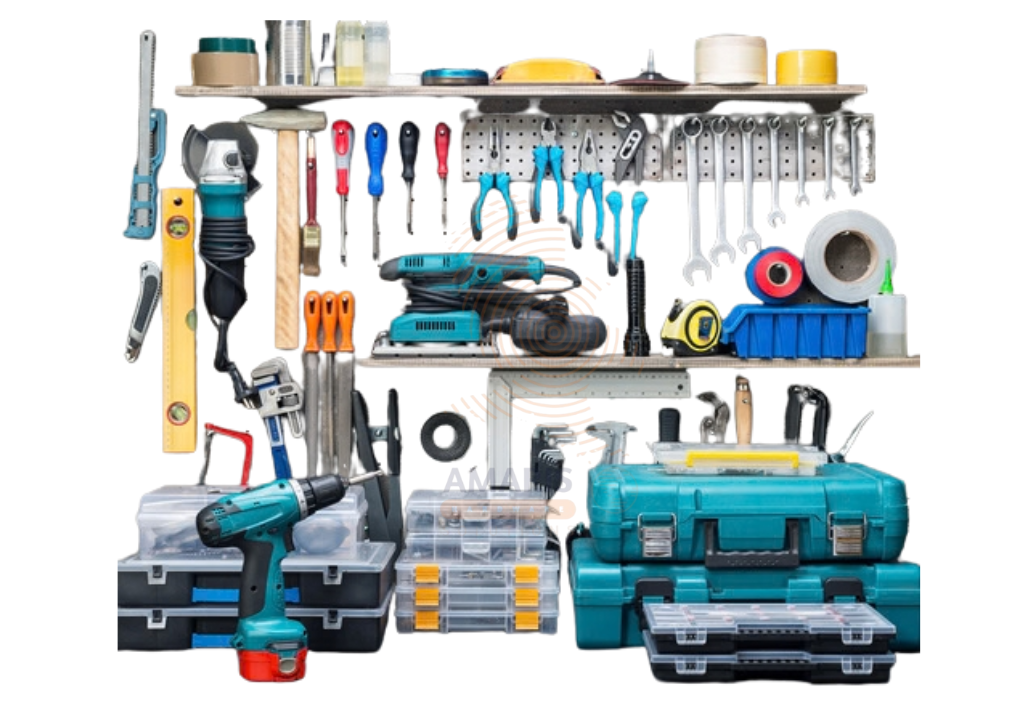
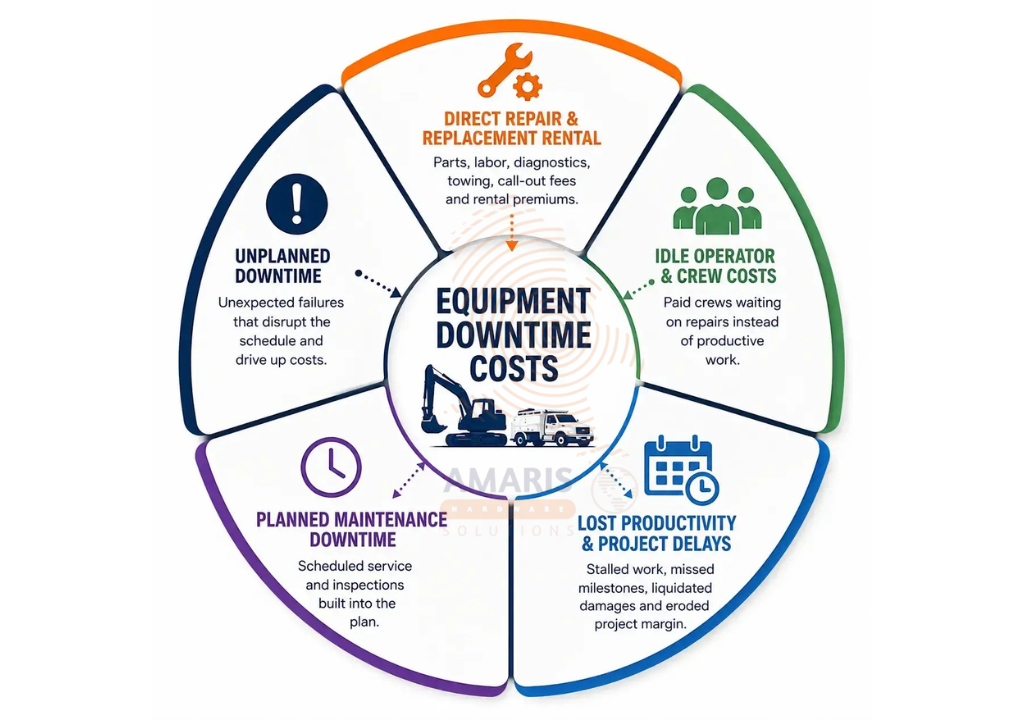
One of the biggest hidden costs of low-quality tools is frequent breakdowns. Cheap tools are often made with lower-grade materials and less durable components, making them more likely to fail under regular use. A drill that overheats, an angle grinder that loses power, or a saw that stops working halfway through a project can bring work to a standstill. Instead of saving money, you’re faced with repair costs or the need to purchase a replacement much sooner than expected. 🔧
Poor-quality tools can also reduce productivity. Tools that lack sufficient power or precision often require more time and effort to complete simple tasks. A contractor using an unreliable tool may take twice as long to finish a job compared to someone using a high-quality alternative. Over weeks and months, these delays add up, affecting project timelines and overall profitability.
Another hidden expense is the cost of poor workmanship. Inaccurate cuts, uneven drilling, or inconsistent finishes caused by unreliable tools can lead to wasted materials and rework. Whether you’re installing cabinets, cutting steel, or laying tiles, mistakes caused by poor equipment can increase material costs and delay project completion. 🏗️
Safety is another area where low-quality tools can become expensive. Faulty switches, weak safety guards, overheating motors, or poor electrical insulation increase the risk of workplace accidents. An injury can result in medical expenses, lost working hours, equipment damage, and delays on-site. Investing in well-built tools with proper safety features helps reduce these risks and creates a safer working environment for everyone.
Low-quality tools also tend to require more maintenance. Constant repairs, replacement parts, and servicing can quickly exceed the money you initially saved when buying the tool. In many cases, purchasing one reliable tool is more economical than replacing several cheaper alternatives over the same period.
For professionals, equipment reliability plays a major role in building a strong reputation. Clients expect contractors to complete projects on time and deliver quality workmanship. Frequent equipment failures can cause missed deadlines and affect customer confidence. Reliable tools help ensure consistent results, allowing businesses to maintain their reputation and secure repeat clients. 🤝
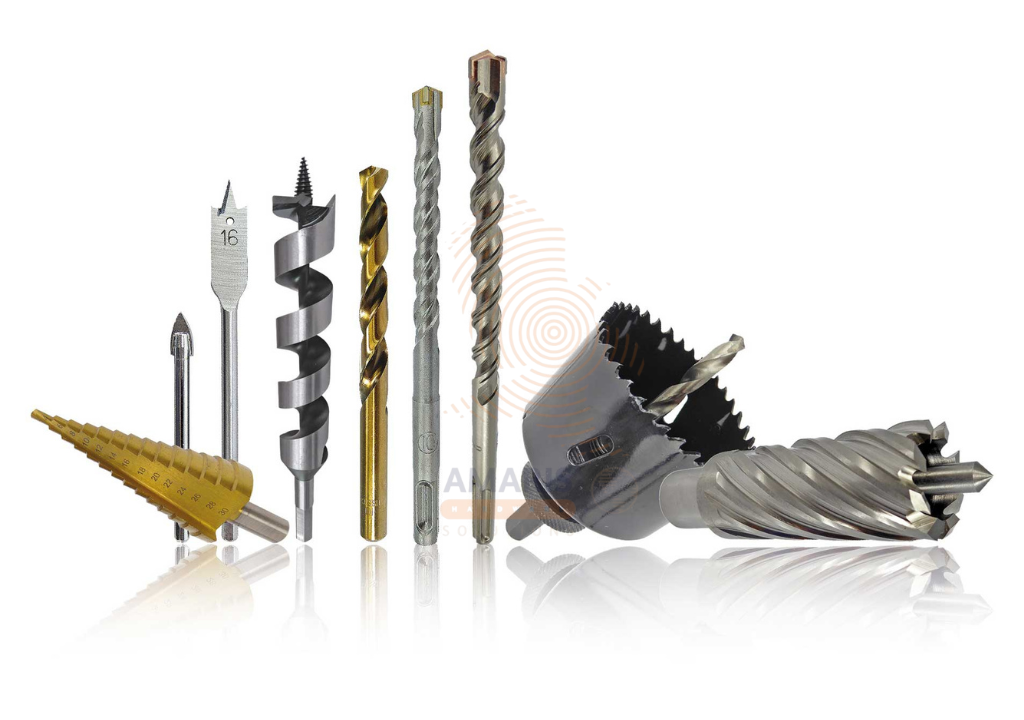
Another factor to consider is compatibility with accessories. Quality tools are often designed to work efficiently with a wide range of blades, drill bits, batteries, and attachments. Lower-quality models may have limited compatibility or wear out accessories more quickly, increasing replacement costs and reducing convenience.
As construction projects become more demanding in 2026, efficiency is more important than ever. Contractors are expected to complete jobs faster while maintaining high standards of quality and safety. Using dependable, high-performance tools allows workers to meet these expectations without unnecessary interruptions or costly delays.
It’s also worth remembering that quality tools usually come with better warranties and manufacturer support. This provides additional peace of mind and ensures that, should a problem arise, repairs or replacements are often easier to arrange. Low-cost tools frequently offer limited support, leaving users to absorb the full cost of repairs or replacement.
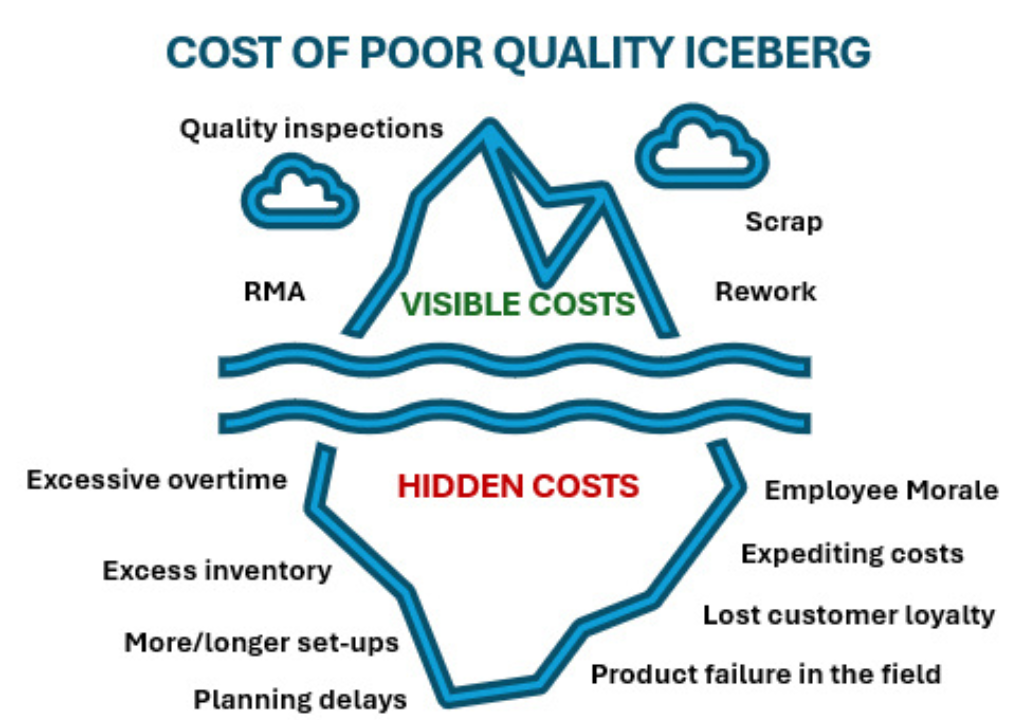
At first glance, a cheaper tool may appear to save money, but the true cost often becomes clear only after months of use. Breakdowns, reduced efficiency, safety risks, poor-quality work, and frequent replacements can quickly outweigh the initial savings. 💡
The best investment is one that continues to deliver value long after it’s purchased. Choosing durable, reliable tools helps you work more efficiently, produce better results, and avoid unexpected expenses. Whether you’re a professional contractor, workshop owner, or DIY enthusiast, quality tools are an investment in your productivity, your reputation, and your long-term success. 🔨✨