
 Acrylic Sealants
 Construction Adhesives
 Double-Sided Tape
 Duct Tape
 Electrical Tape
 Epoxy & Resins
 Silicone Sealants
 Masking Tape
 Automotive Wrenches & Socket Sets
 Battery Chargers & Jump Starters
 Car Jacks & Stands
 Car Wash & Detailing Products
 Diagnostic Tools
 Tire Inflators
 Vehicle Lighting
 Oil & Lubricants
 Adhesives & Sealants
 Bricks & Blocks
 Cement & Concrete
 Drywall & Plaster
 Flooring (Tiles, Wood, Laminate)
 Lumber & Plywood
 Paints, Primers & Coatings
 Insulation Materials
 Roofing Materials
 Circuit Breakers
 Electrical Cables & Wires
 Switches & Sockets
 Fuses & Relays
 Connectors & Terminals
 Electrical Boxes & Panels
 Conduit & Fittings
 Lighting Fixtures & Bulbs
 Extension Cords & Power Strips
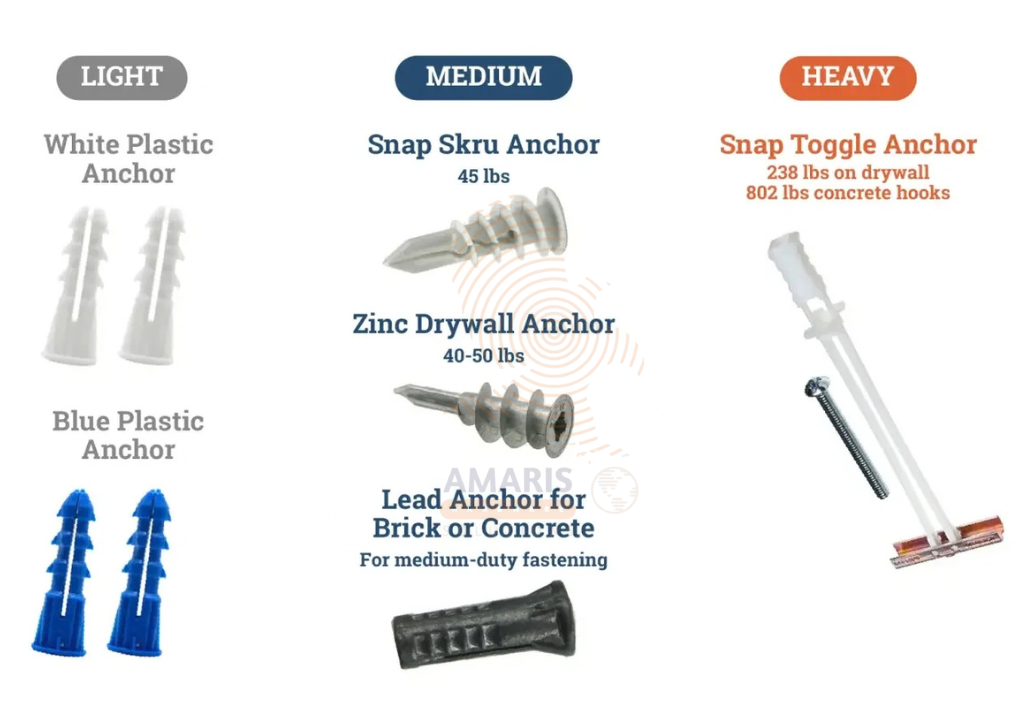
 Anchors
 Bolts
Bolts Clips & Clamps
 Screws
 Nuts
Nuts Washers
 Rivets
 Nails
Nails Threaded Rods
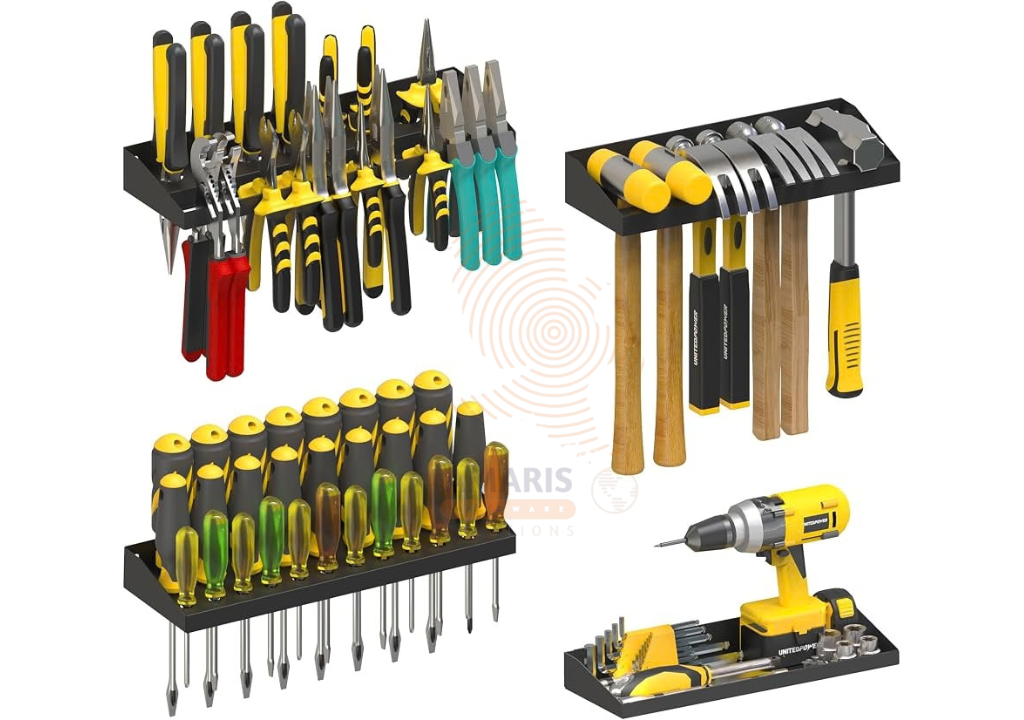
 Hammers
 Measuring Tools (Tapes, Levels, Calipers)
 Screwdrivers
 Pliers & Cutters
 Saws & Blades
 Chisels & Punches
 Allen Keys & Hex Keys
 Ratchets & Socket Sets
 Wrenches & Spanners
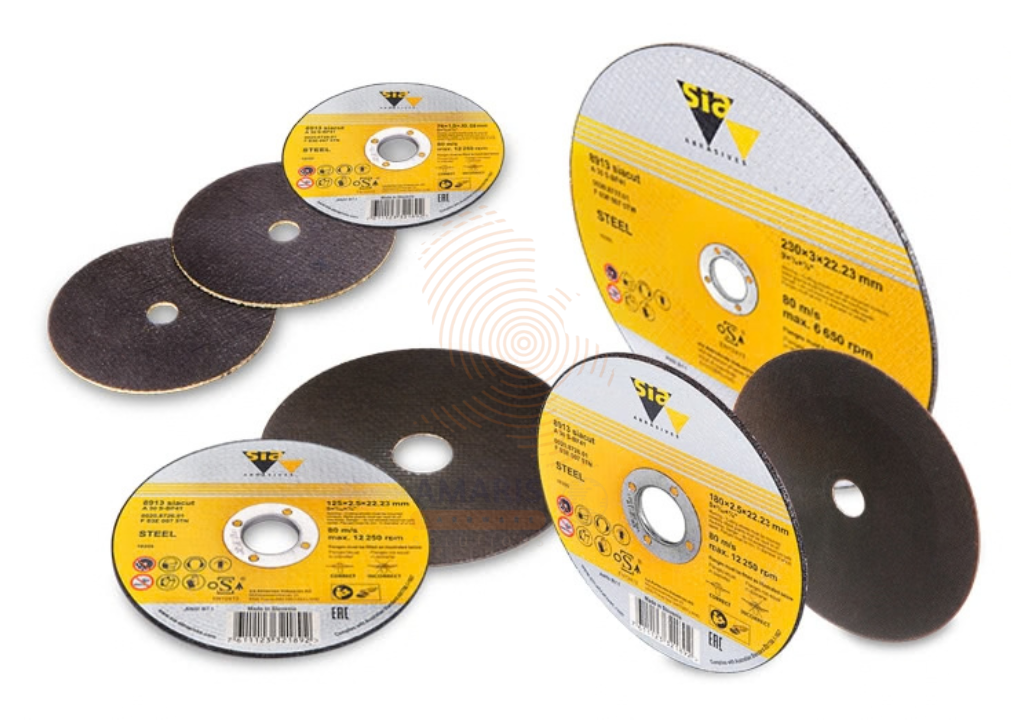
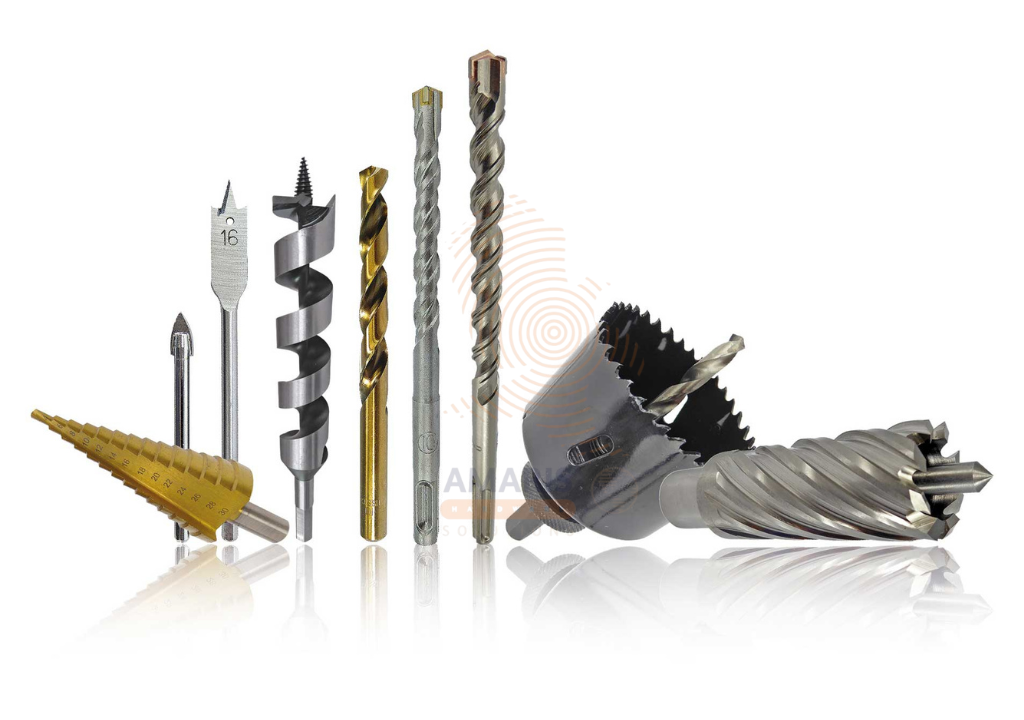
 Power Tool Accessories (Blades, Bits, Discs)
 Rotary Tools
 Saws (Circular, Jigsaw, Reciprocating)
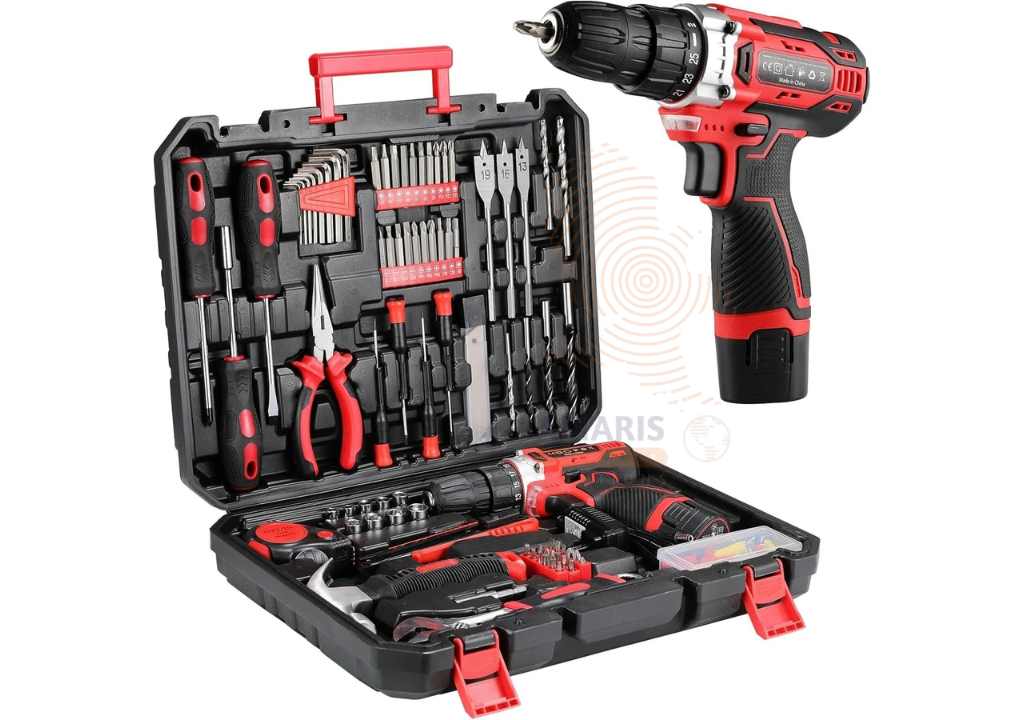
 Drills & Drivers
 Grinders & Sanders
 Heat Guns
 Nail Guns
 Impact Wrenches
 Batteries & Chargers
 Pipes & Fittings (PVC, Copper, PEX)
 Plumbing Tools
 Pumps & Motors
 Sealants & Adhesives for Plumbing
 Valves & Taps
 Water Heaters
 Drainage Systems
 Faucets & Fixtures
 Hoses & Tubing
 Hinges & Latches
 Hooks & Brackets
 Window Hardware
 Chains & Cables
 Casters & Wheels
 Shelving & Storage Systems
 Door Handles & Locks
 Drawer Slides & Cabinet Hardware
 Personal Protective Equipment (PPE)
 Respirators & Masks
 Safety Glasses
 Safes
Safes Security Cameras
 Gloves
 Helmets
 Ear Protection
 Fire Safety Equipment
 Locks & Padlocks
 Motion Sensors & Alarms
 Garden Fencing
 Garden Furniture Hardware
 Lawn Mowers
 Trimmers & Edgers
 Shovels & Spades
 Rakes & Hoes
 Pruning Shears & Loppers
 Watering Systems (Hoses, Sprinklers, Nozzles)
 Interior Paints
 Paint Brushes & Rollers
 Paint Strippers & Thinners
 Paint Trays & Accessories
 Exterior Paints
 Spray Paints
 Primers & Undercoats
 Varnishes & Stains
 Gaskets & Seals
 Hydraulic Fittings
 Industrial Fasteners
 Industrial Hoses
 Lubricants & Greases
 Metal Sheets & Bars
 Bearings & Bushings
 Belts & Pulleys
 HVAC Filters
 Insulation for HVAC
 Air Conditioners
 Refrigerants
 Ventilation Ducts & Fittings
 Thermostats & Controllers
 Fans & Blowers
 Pegboards & Hooks
 Shelving Units
 Storage Bins & Containers
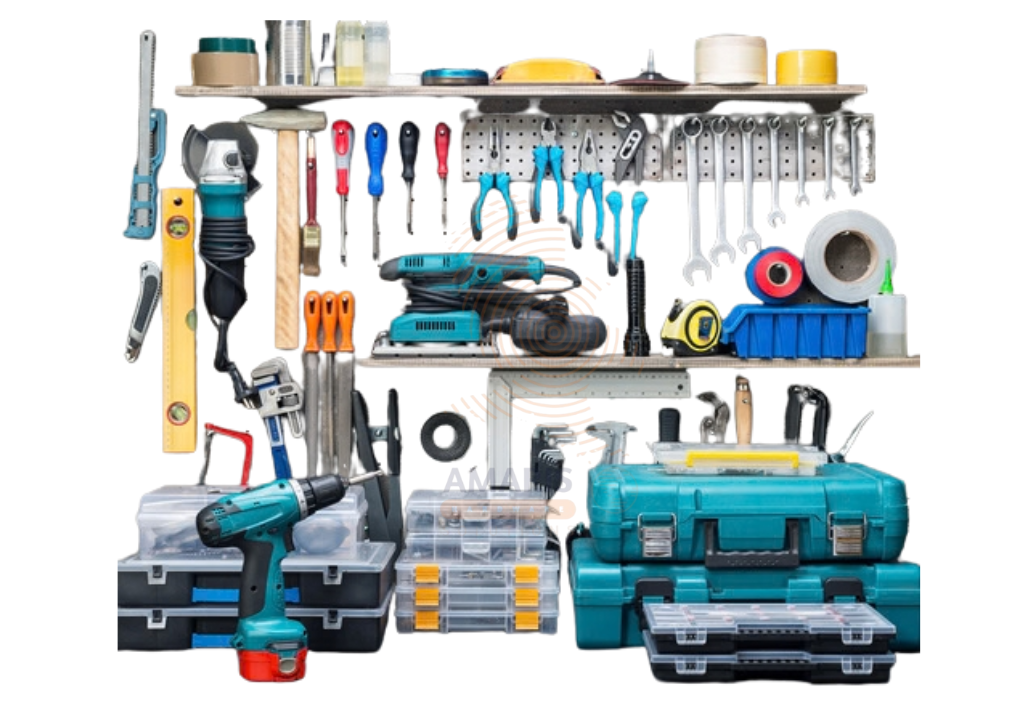
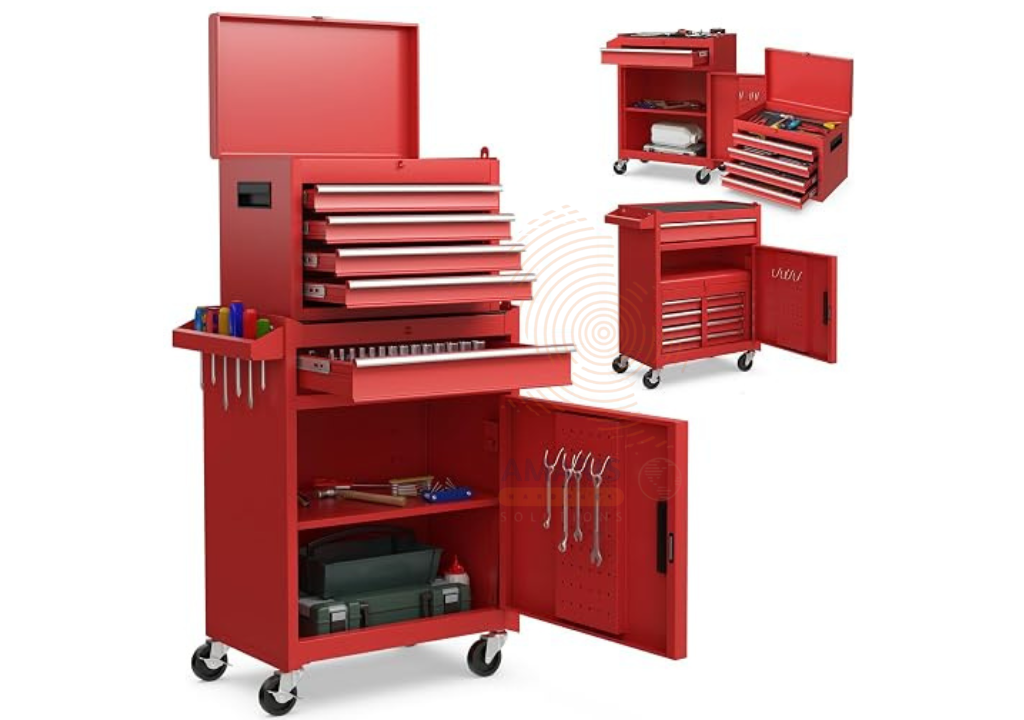
 Toolboxes & Tool Chests
 Workbenches
 Drawer Organizers
 Labeling Supplies
 Welding Accessories (Clamps, Brushes)
 Welding Electrodes & Rods
 Welding Helmets & Gloves
 Welding Machines
 Soldering Irons & Stations
 Flux & Solder Wire
 Generator Accessories
 Inverters
 Portable Generators
 Power Inverters
 Transfer Switches
 Diesel & Gasoline Generators
 Transport Equipment: Carts, Dollies, and Hand Trucks
 Storage Solutions: Pallets, Racks, and Containers
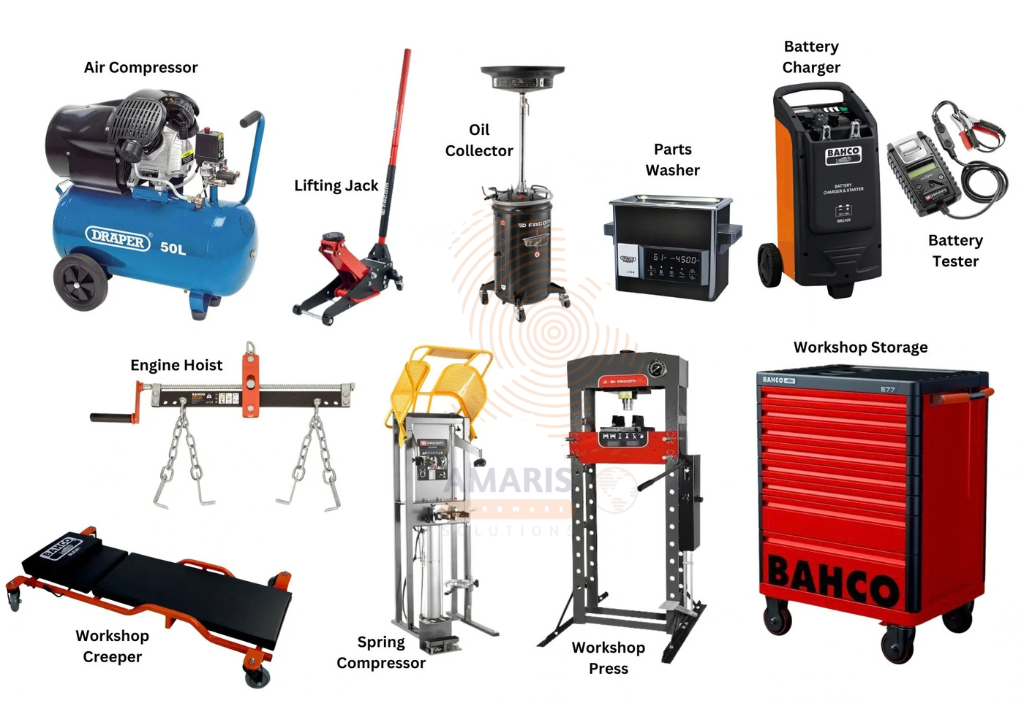
 Lifting Equipment: Hoists, Cranes, and Jacks
 Conveyors & Accessories: Belts & Rollers
 Office Chairs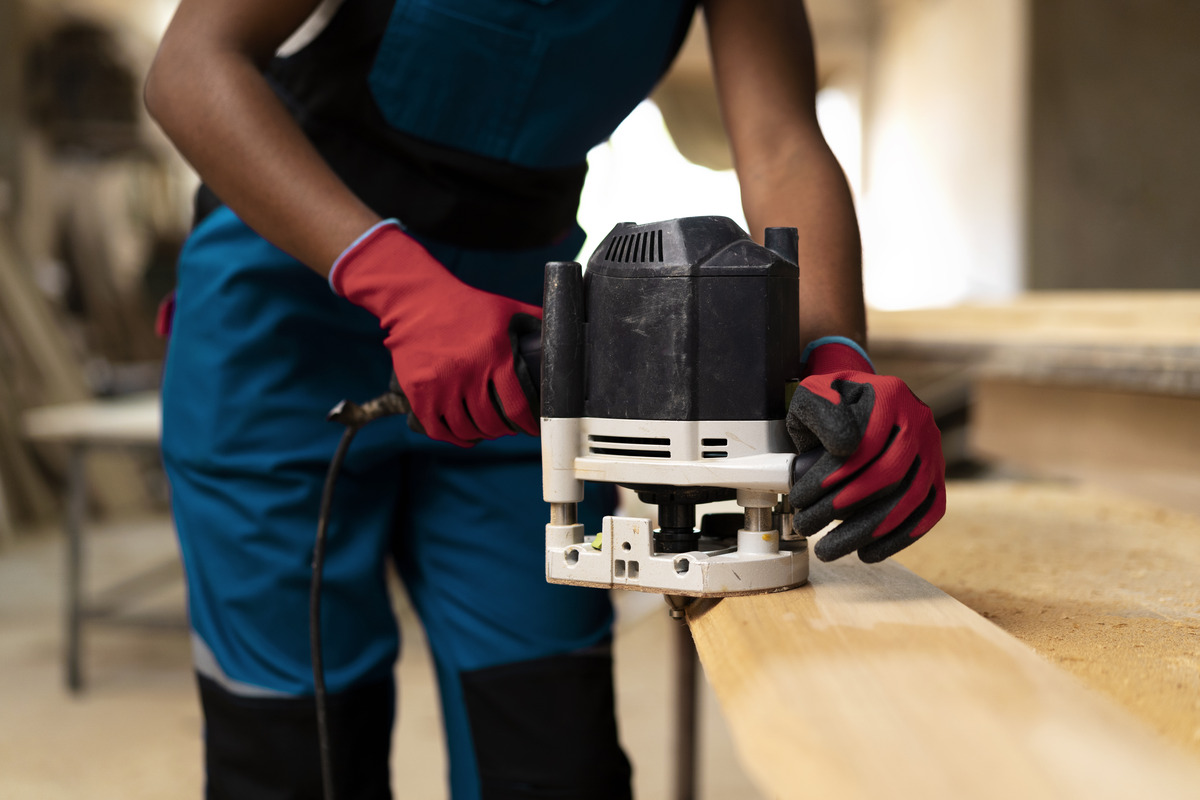
🏗️🚀 Construction Trends in Kenya Every Contractor Should Know in 2026

Kenya’s construction industry continues to evolve at an impressive pace. From large infrastructure projects and commercial developments to affordable housing and residential estates, the demand for faster, smarter, and more sustainable construction is reshaping how contractors approach their work.
For contractors, staying ahead of these changes isn’t just about adopting new technology—it’s about understanding what clients expect, improving efficiency, and remaining competitive in a rapidly changing market. Here are some of the biggest construction trends shaping Kenya in 2026.
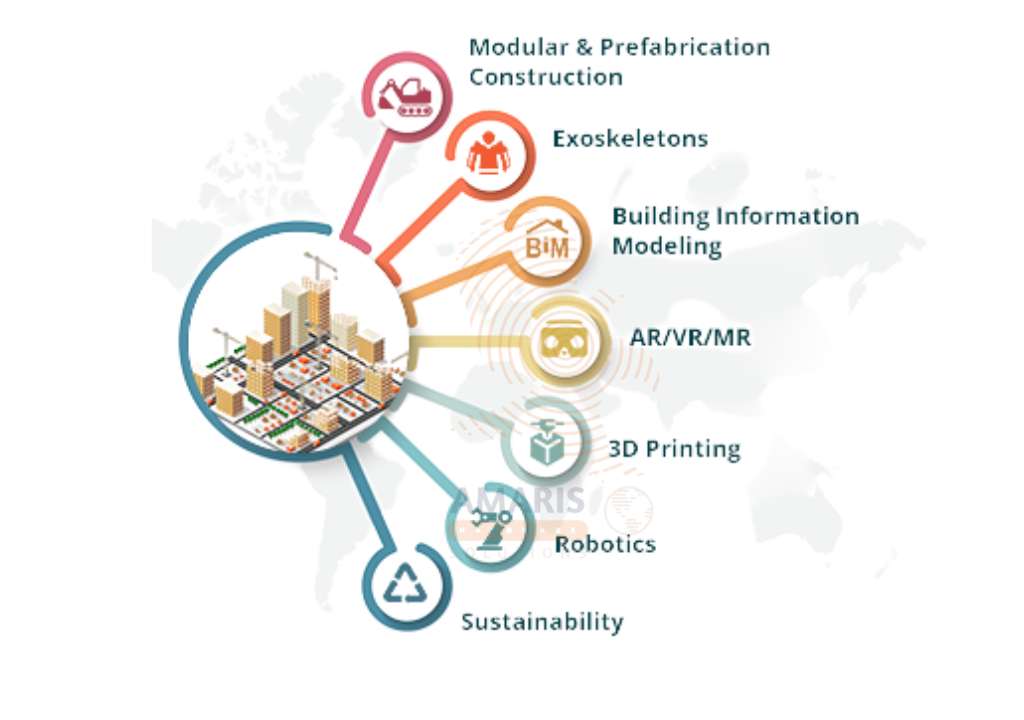
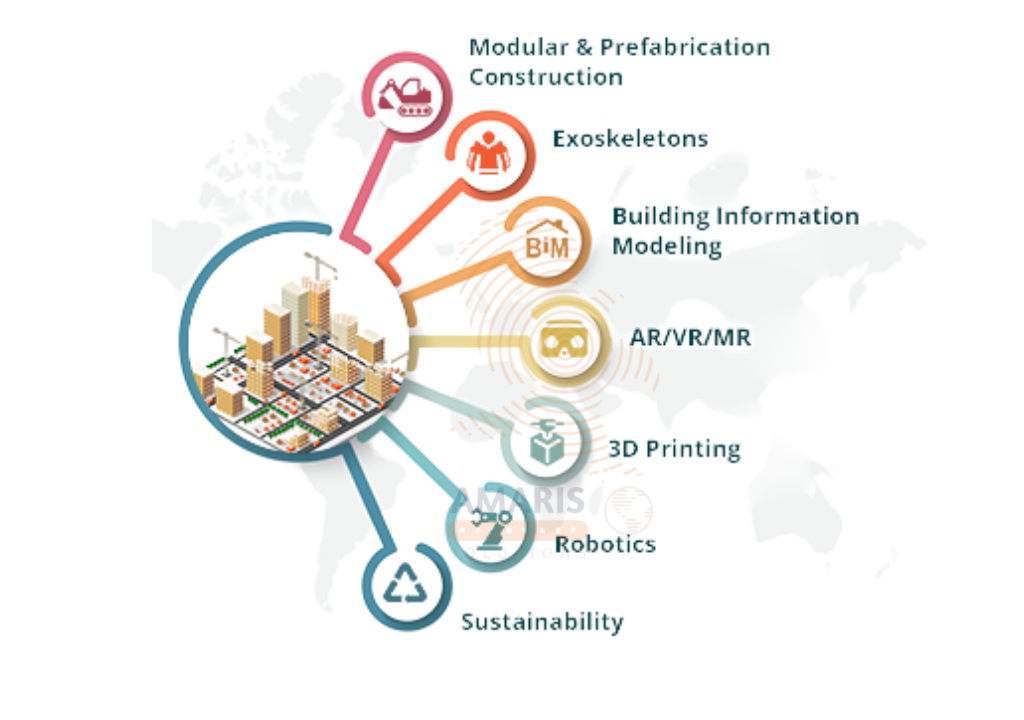
One of the most noticeable trends is the growing demand for sustainable and energy-efficient construction. More homeowners, businesses, and developers are looking for buildings that reduce energy consumption and operating costs. Solar-ready designs, water-saving plumbing systems, energy-efficient lighting, and environmentally friendly building materials are becoming increasingly popular. Green construction is no longer viewed as a luxury but as a practical investment that delivers long-term savings and adds value to properties. 🌱
Technology is also transforming construction sites across the country. Digital tools such as Building Information Modeling (BIM), drones for land surveys, and project management software are helping contractors plan projects more accurately, monitor progress in real time, and reduce costly errors. These technologies improve communication between architects, engineers, suppliers, and site managers, making projects more efficient from start to finish. 📱🚁
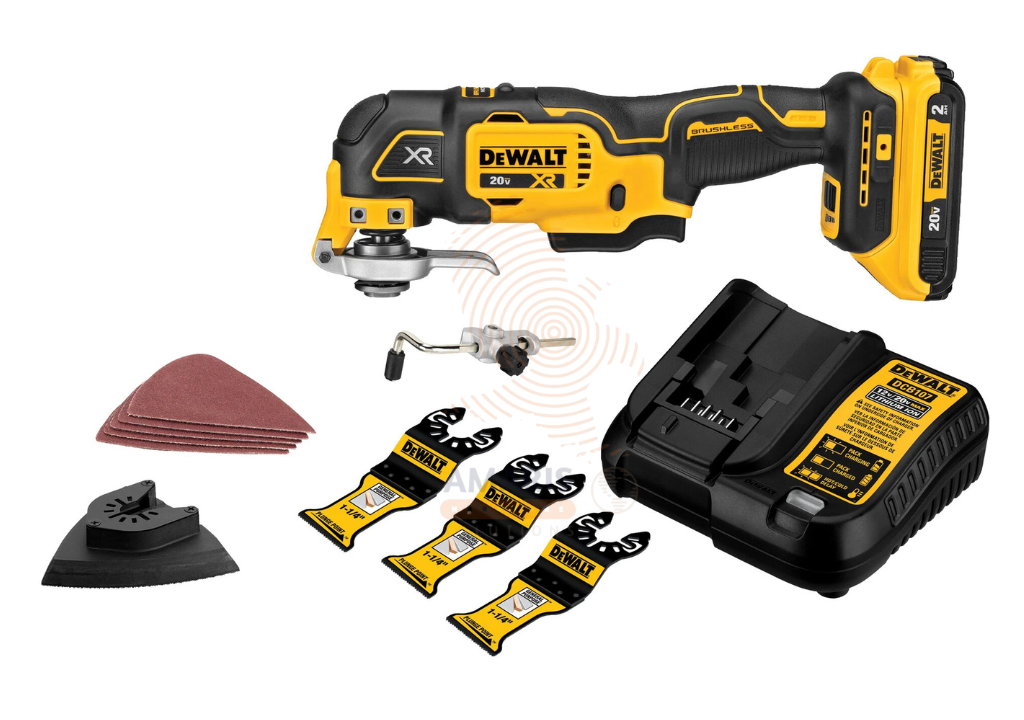
Another trend gaining momentum is the increased use of brushless cordless power tools. Modern cordless drills, impact drivers, angle grinders, and rotary hammers now offer the performance needed for demanding construction work while providing greater mobility around the site. With improved battery technology and longer runtimes, contractors can work more efficiently without relying heavily on extension cables or generators. 🔋
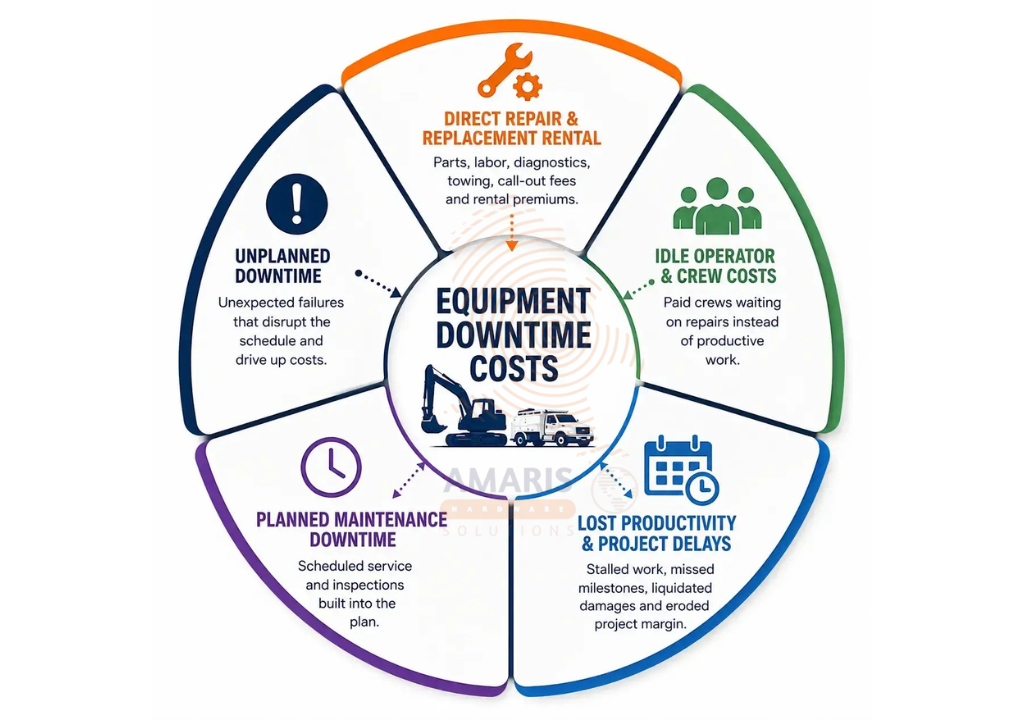
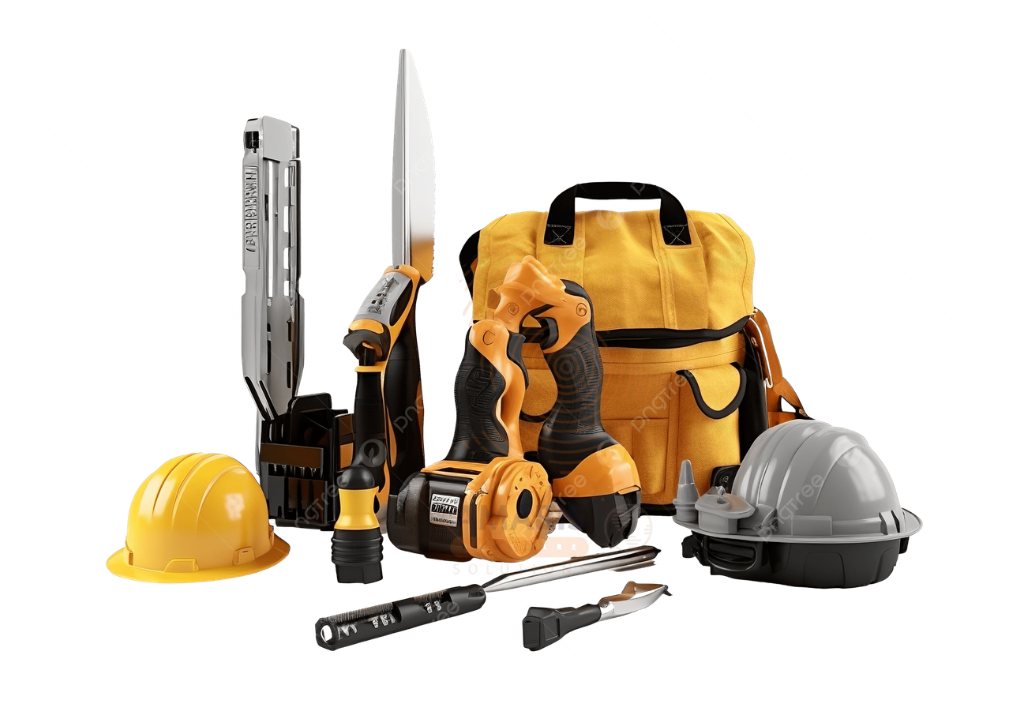
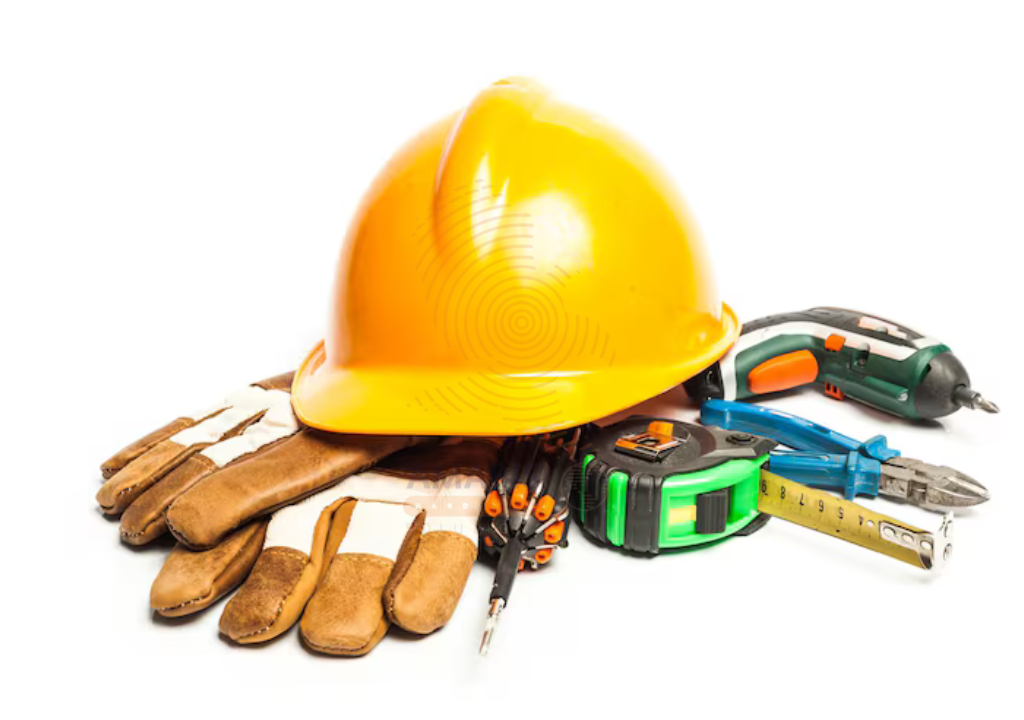
Safety standards are also receiving greater attention. Construction companies are investing more in personal protective equipment (PPE), including safety helmets, high-visibility clothing, protective footwear, welding helmets, and eye protection. Beyond equipment, contractors are placing greater emphasis on regular safety training and proper site management. This focus not only protects workers but also helps reduce downtime caused by workplace accidents.
Speed has become another major priority. Clients expect projects to be completed on schedule without sacrificing quality, leading many contractors to invest in high-performance tools, better planning, and improved workflow management. Equipment such as rotary hammer drills, pressure washers, chain hoists, concrete mixers, and laser measuring tools helps crews complete tasks faster while maintaining accuracy. ⚙️
The use of prefabricated and modular construction methods is also growing. Instead of building every component on-site, certain structural elements are manufactured in controlled environments and assembled at the construction site. This approach helps reduce material waste, improve quality control, and shorten project timelines, making it increasingly attractive for both residential and commercial developments. 🏢
Infrastructure development remains one of the biggest drivers of Kenya’s construction sector. Ongoing investments in roads, housing projects, industrial parks, schools, hospitals, and commercial developments continue to create opportunities for contractors, suppliers, and skilled tradespeople. As urban centres continue to expand, demand for quality construction services and reliable hardware products is expected to remain strong.
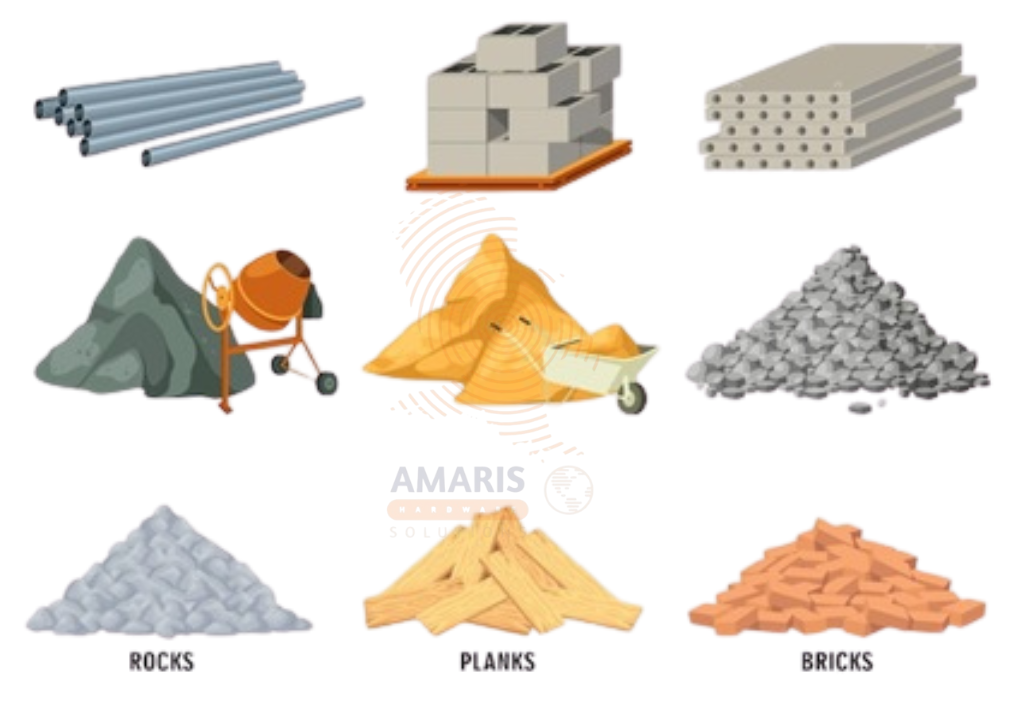
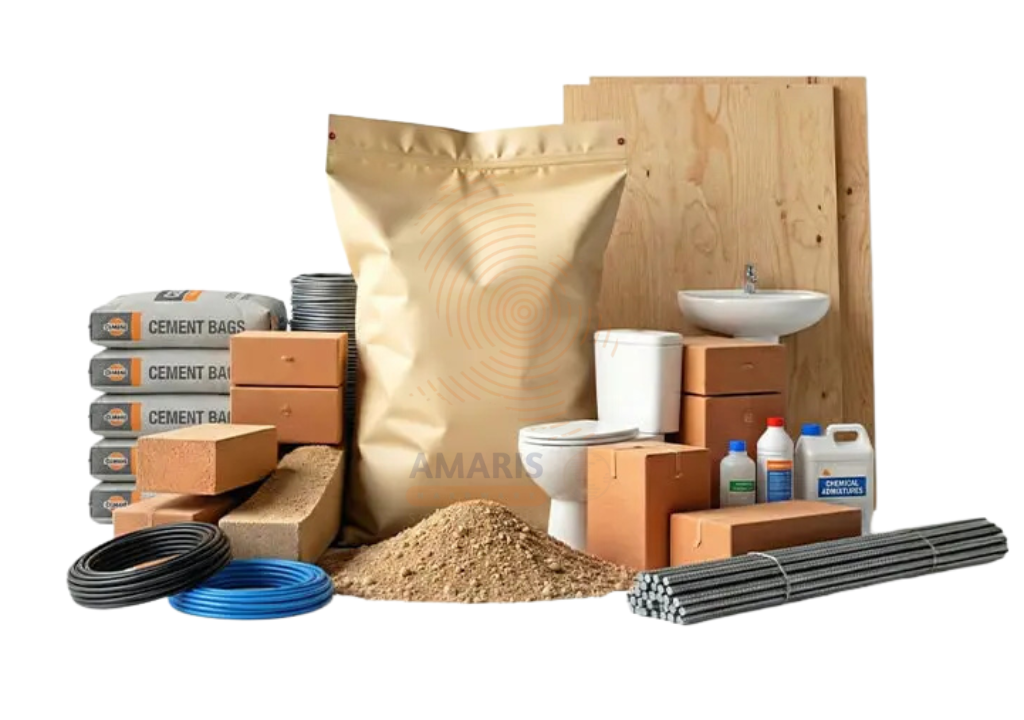
Customers are also becoming more quality-conscious. Instead of focusing only on the lowest prices, many developers and homeowners now prioritize durability, efficiency, and long-term value. This shift has encouraged contractors to invest in quality tools, trusted brands, and reliable building materials that deliver lasting performance.
Another significant trend is the growth of digital hardware shopping. More contractors and DIY enthusiasts are researching products online before making purchases. They compare specifications, read reviews, and seek expert advice through websites and social media. Hardware suppliers that provide detailed product information, responsive customer support, and convenient delivery services are gaining a competitive advantage in today’s market. 💻
Finally, there is a growing emphasis on skilled workmanship. As construction methods become more advanced, contractors are investing in continuous training to keep up with new equipment, safety standards, and building technologies. Skilled workers who understand modern tools and techniques are becoming increasingly valuable across the industry.
The construction industry in Kenya is entering an exciting new era driven by innovation, technology, sustainability, and efficiency. Contractors who embrace these trends, invest in quality equipment, prioritize safety, and adapt to changing customer expectations will be better positioned to deliver outstanding projects and grow their businesses.
As 2026 unfolds, one thing is certain: success in construction will depend not only on hard work but also on staying informed, adopting modern solutions, and using the right tools for every job. 🏗️✨