
 Acrylic Sealants
 Construction Adhesives
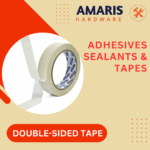 Double-Sided Tape
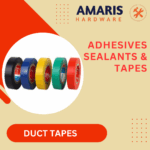 Duct Tape
 Electrical Tape
 Epoxy & Resins
 Silicone Sealants
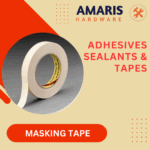 Masking Tape
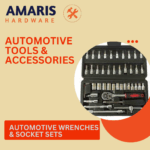 Automotive Wrenches & Socket Sets
 Battery Chargers & Jump Starters
 Car Jacks & Stands
 Car Wash & Detailing Products
 Diagnostic Tools
 Tire Inflators
 Vehicle Lighting
 Oil & Lubricants
 Adhesives & Sealants
 Bricks & Blocks
 Cement & Concrete
 Drywall & Plaster
 Flooring (Tiles, Wood, Laminate)
 Lumber & Plywood
 Paints, Primers & Coatings
 Insulation Materials
 Roofing Materials
 Circuit Breakers
 Electrical Cables & Wires
 Switches & Sockets
 Fuses & Relays
 Connectors & Terminals
 Electrical Boxes & Panels
 Conduit & Fittings
 Lighting Fixtures & Bulbs
 Extension Cords & Power Strips
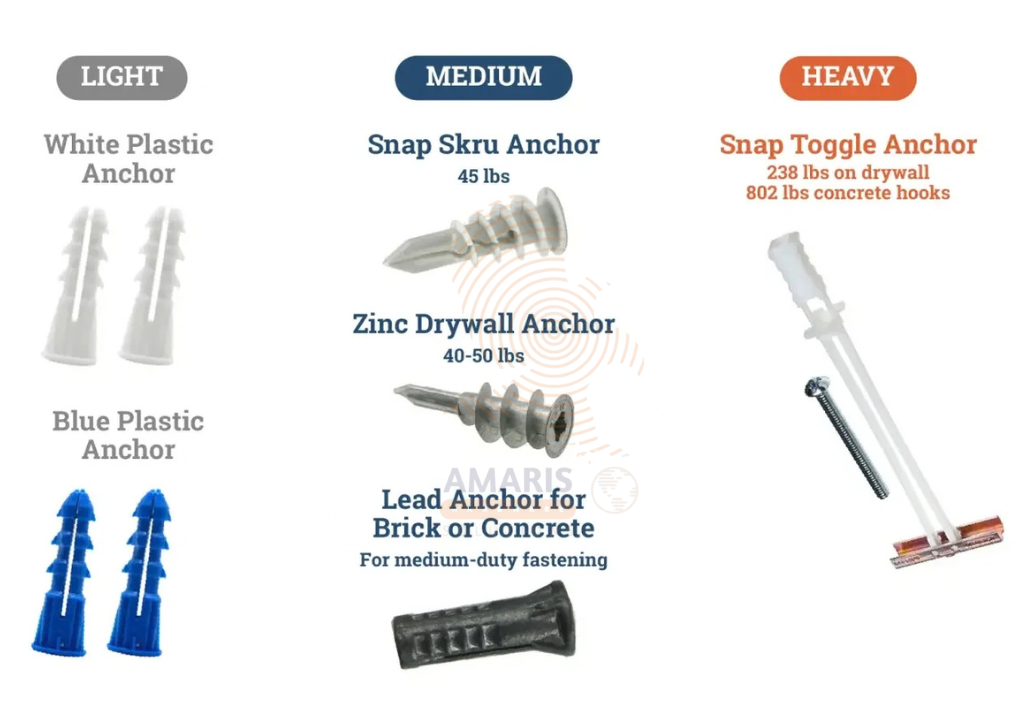
 Anchors
 Bolts
Bolts Clips & Clamps
 Screws
 Nuts
Nuts Washers
 Rivets
 Nails
Nails Threaded Rods
 Hammers
 Measuring Tools (Tapes, Levels, Calipers)
 Screwdrivers
 Pliers & Cutters
 Saws & Blades
 Chisels & Punches
 Allen Keys & Hex Keys
 Ratchets & Socket Sets
 Wrenches & Spanners
 Power Tool Accessories (Blades, Bits, Discs)
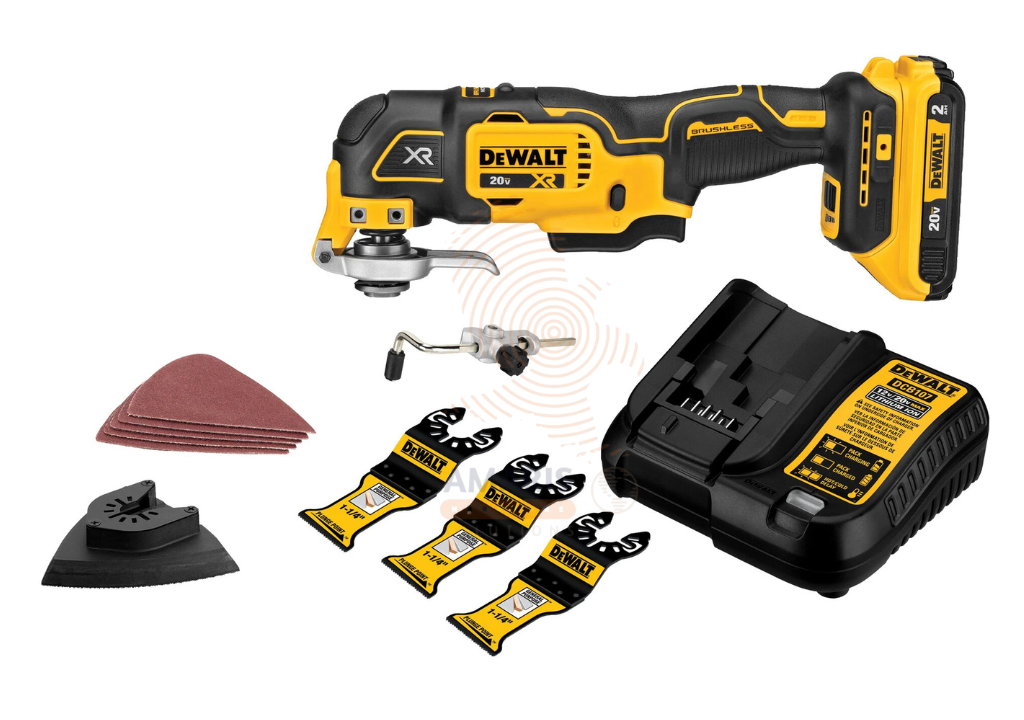
 Rotary Tools
 Saws (Circular, Jigsaw, Reciprocating)
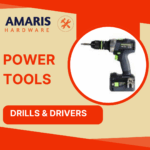 Drills & Drivers
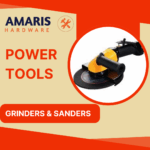 Grinders & Sanders
 Heat Guns
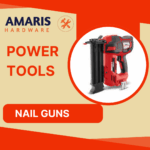 Nail Guns
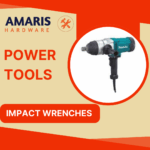 Impact Wrenches
 Batteries & Chargers
 Pipes & Fittings (PVC, Copper, PEX)
 Plumbing Tools
 Pumps & Motors
 Sealants & Adhesives for Plumbing
 Valves & Taps
 Water Heaters
 Drainage Systems
 Faucets & Fixtures
 Hoses & Tubing
 Hinges & Latches
 Hooks & Brackets
 Window Hardware
 Chains & Cables
 Casters & Wheels
 Shelving & Storage Systems
 Door Handles & Locks
 Drawer Slides & Cabinet Hardware
 Personal Protective Equipment (PPE)
 Respirators & Masks
 Safety Glasses
 Safes
Safes Security Cameras
 Gloves
 Helmets
 Ear Protection
 Fire Safety Equipment
 Locks & Padlocks
 Motion Sensors & Alarms
 Garden Fencing
 Garden Furniture Hardware
 Lawn Mowers
 Trimmers & Edgers
 Shovels & Spades
 Rakes & Hoes
 Pruning Shears & Loppers
 Watering Systems (Hoses, Sprinklers, Nozzles)
 Interior Paints
 Paint Brushes & Rollers
 Paint Strippers & Thinners
 Paint Trays & Accessories
 Exterior Paints
 Spray Paints
 Primers & Undercoats
 Varnishes & Stains
 Gaskets & Seals
 Hydraulic Fittings
 Industrial Fasteners
 Industrial Hoses
 Lubricants & Greases
 Metal Sheets & Bars
 Bearings & Bushings
 Belts & Pulleys
 HVAC Filters
 Insulation for HVAC
 Air Conditioners
 Refrigerants
 Ventilation Ducts & Fittings
 Thermostats & Controllers
 Fans & Blowers
 Pegboards & Hooks
 Shelving Units
 Storage Bins & Containers
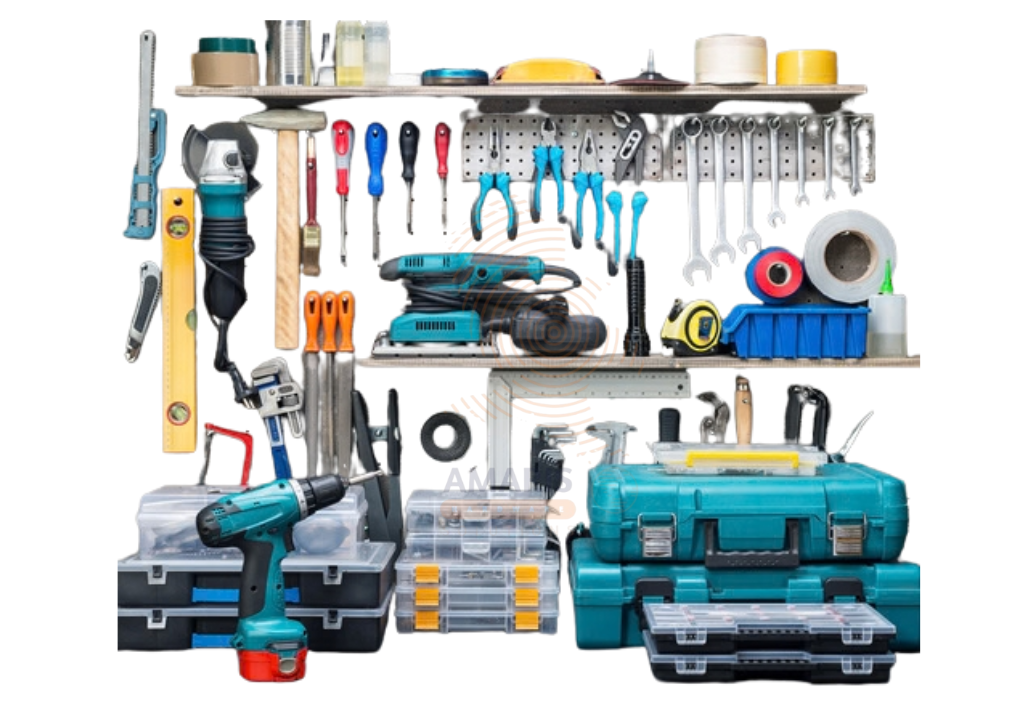
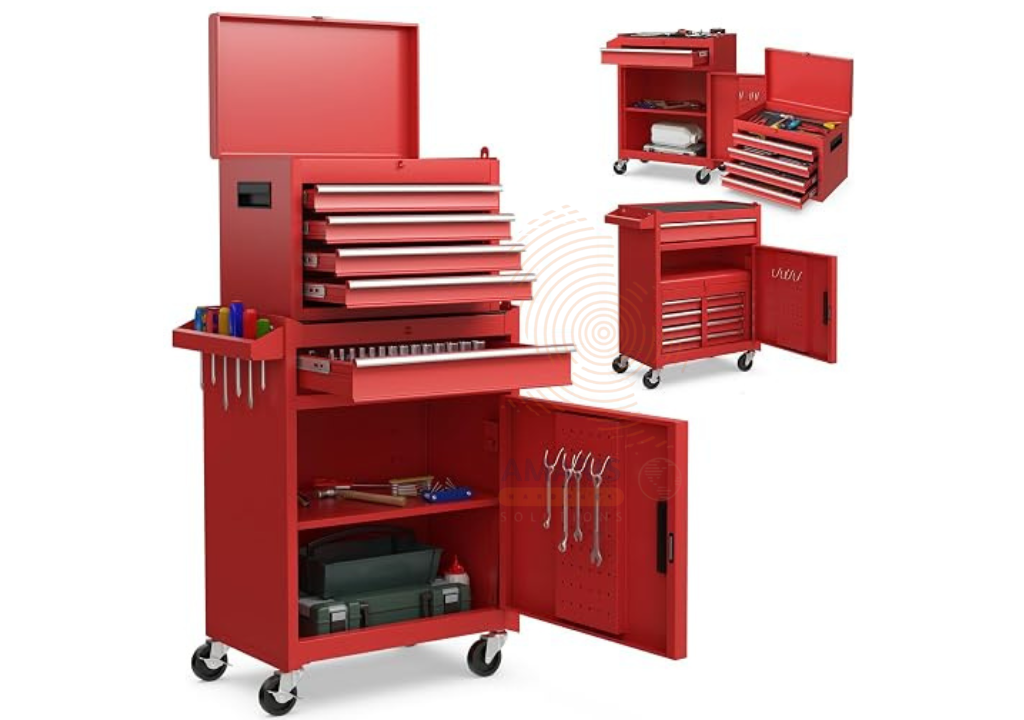
 Toolboxes & Tool Chests
 Workbenches
 Drawer Organizers
 Labeling Supplies
 Welding Accessories (Clamps, Brushes)
 Welding Electrodes & Rods
 Welding Helmets & Gloves
 Welding Machines
 Soldering Irons & Stations
 Flux & Solder Wire
 Generator Accessories
 Inverters
 Portable Generators
 Power Inverters
 Transfer Switches
 Diesel & Gasoline Generators
 Transport Equipment: Carts, Dollies, and Hand Trucks
 Storage Solutions: Pallets, Racks, and Containers
 Lifting Equipment: Hoists, Cranes, and Jacks
 Conveyors & Accessories: Belts & Rollers
 Office Chairs
🔩🛠️ How to Choose the Right Drill Bit for Wood, Metal, Concrete, and More

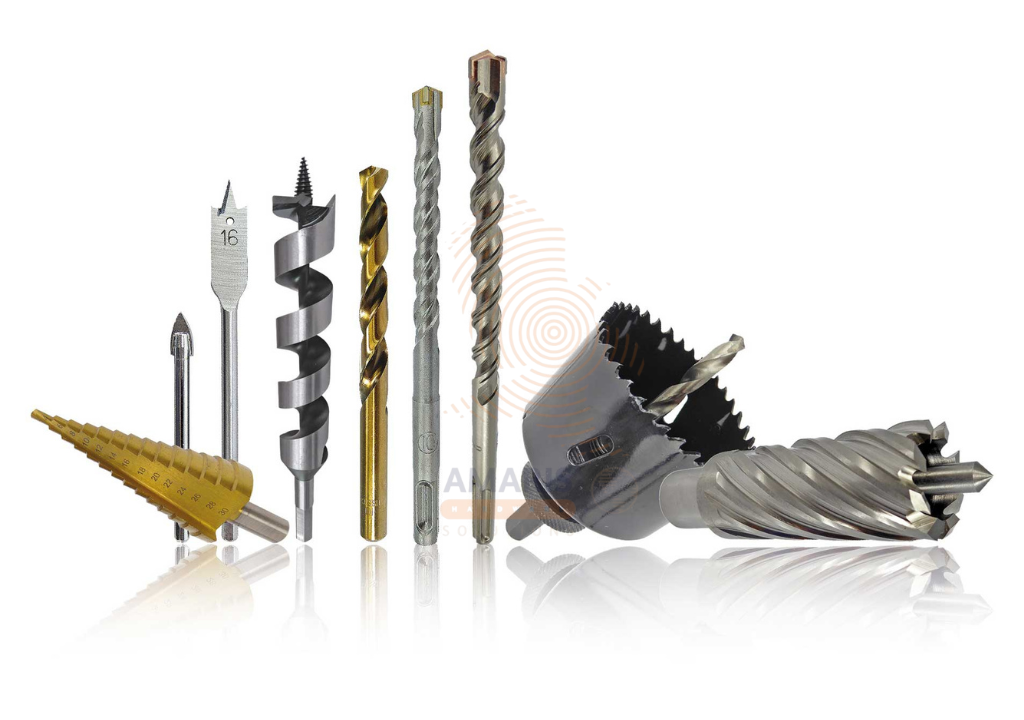
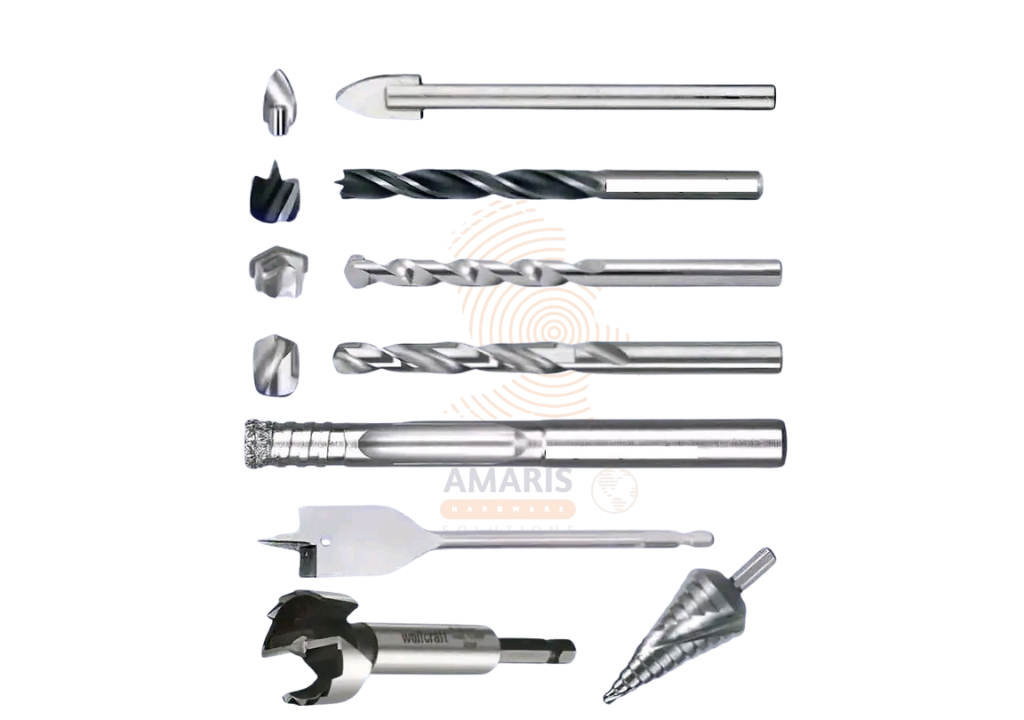
A drill bit is one of the most useful tools in any workshop, but even the best drill won’t perform properly with the wrong bit. Choosing the correct drill bit can mean the difference between a clean, accurate hole and a damaged workpiece, overheated tool, or broken bit. ⚙️
Different materials require different types of drill bits because wood, metal, concrete, tiles, and plastic all behave differently when being drilled. Understanding these differences can help you work faster, get better results, and extend the life of your tools.
🌲 Drilling Wood
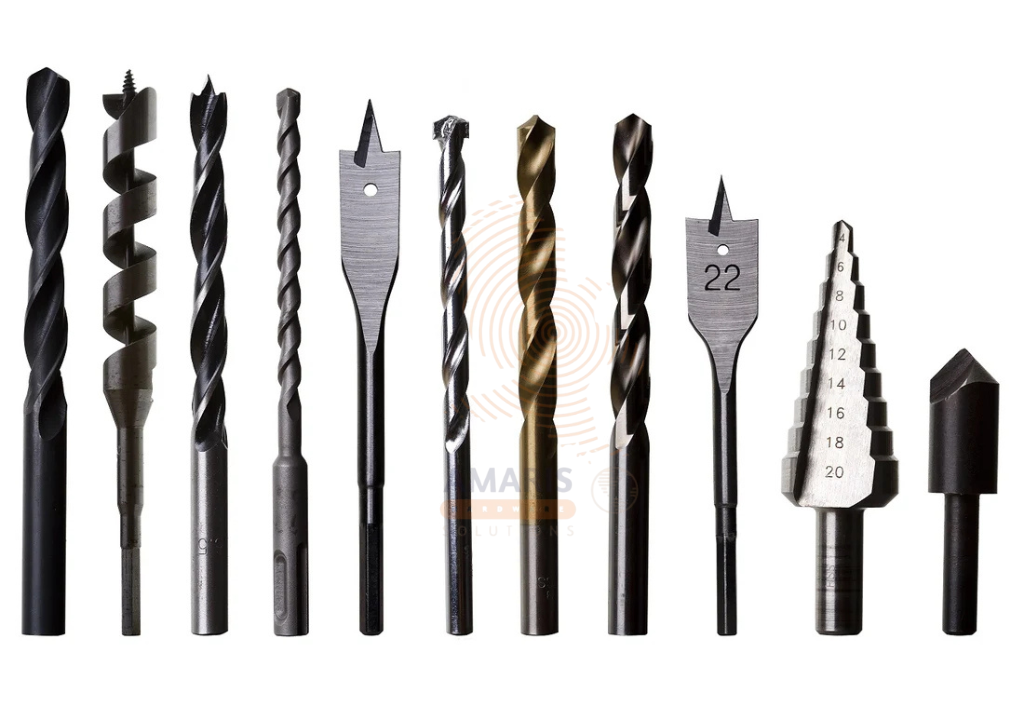
For woodworking projects, wood drill bits are usually the best choice. Many have a pointed tip that helps the bit stay centered and cutting edges designed to create clean holes.
For larger holes, spade bits are useful, while hole saws are ideal when you need larger circular openings. They’re particularly handy for installing pipes, cables, and fittings.
When drilling wood, avoid forcing the drill too aggressively. Let the bit do the cutting and clear away wood chips when necessary. 🪵
🔩 Drilling Metal
Metal requires drill bits designed to withstand greater heat and resistance. HSS (High-Speed Steel) bits are commonly used for drilling materials such as mild steel and aluminum.
For tougher metals, specialized bits may be required. Using excessive pressure can generate heat and quickly wear out the cutting edge, so maintain a controlled drilling speed and use suitable cutting fluid where appropriate. 🌡️
A sharp, correctly selected bit will generally produce a much cleaner hole than a worn-out one.
🧱 Drilling Concrete and Masonry
Concrete, brick, and masonry require a completely different approach. Masonry drill bits are designed with hardened cutting tips that can withstand abrasive materials.
For heavier concrete work, a rotary hammer with an appropriate masonry or SDS-type bit can make the job considerably easier. 🏗️ These tools are designed to deliver both rotation and impact, helping break through tough masonry more efficiently.
Always make sure the bit and drill are suitable for the material and application.
🪟 Drilling Tiles and Ceramics
Tiles require extra care because they can crack or chip easily. Specialized tile or glass drill bits are designed for creating holes in these harder, more brittle surfaces.
Start carefully and avoid excessive pressure. Once the bit has passed through the tile, adjust your approach depending on the material behind it.
🧴 Drilling Plastic
Plastic may look easy to drill, but using excessive speed can generate heat and cause the material to melt. A suitable general-purpose or specialized plastic-compatible bit, combined with controlled speed and pressure, can help create cleaner holes.
Secure the material properly before drilling to prevent it from moving or catching the bit.
📏 Size Matters
Choosing the right bit diameter is just as important as choosing the right type. Measure the required hole before starting and select the appropriate size.
For jobs requiring precise dimensions, consider using a smaller pilot hole before drilling to the final size. This can improve accuracy and make drilling easier.
🔧 Don’t Forget Compatibility
Before installing a drill bit, check that its shank is compatible with your drill chuck. Some drills use standard keyed or keyless chucks, while other systems are designed for specialized bit types.
Also check the drill’s recommended speed range and the bit’s specifications. Using the wrong combination can reduce performance and shorten tool life.
⚠️ Look After Your Bits
Even the right drill bit won’t perform well if it’s damaged or excessively worn. Inspect bits regularly and replace those that are blunt, cracked, or badly damaged.
Keep your drill bits clean and organized so you can quickly find the correct one when needed. A well-organized bit set can save considerable time on a busy project. 📦
Choosing a drill bit doesn’t have to be complicated. Simply ask three questions: What material am I drilling? What size hole do I need? And is my drill compatible with this bit?
Get those three things right, and your drilling work becomes faster, cleaner, and more efficient. 🔩✨