
 Acrylic Sealants
 Construction Adhesives
 Double-Sided Tape
 Duct Tape
 Electrical Tape
 Epoxy & Resins
 Silicone Sealants
 Masking Tape
 Automotive Wrenches & Socket Sets
 Battery Chargers & Jump Starters
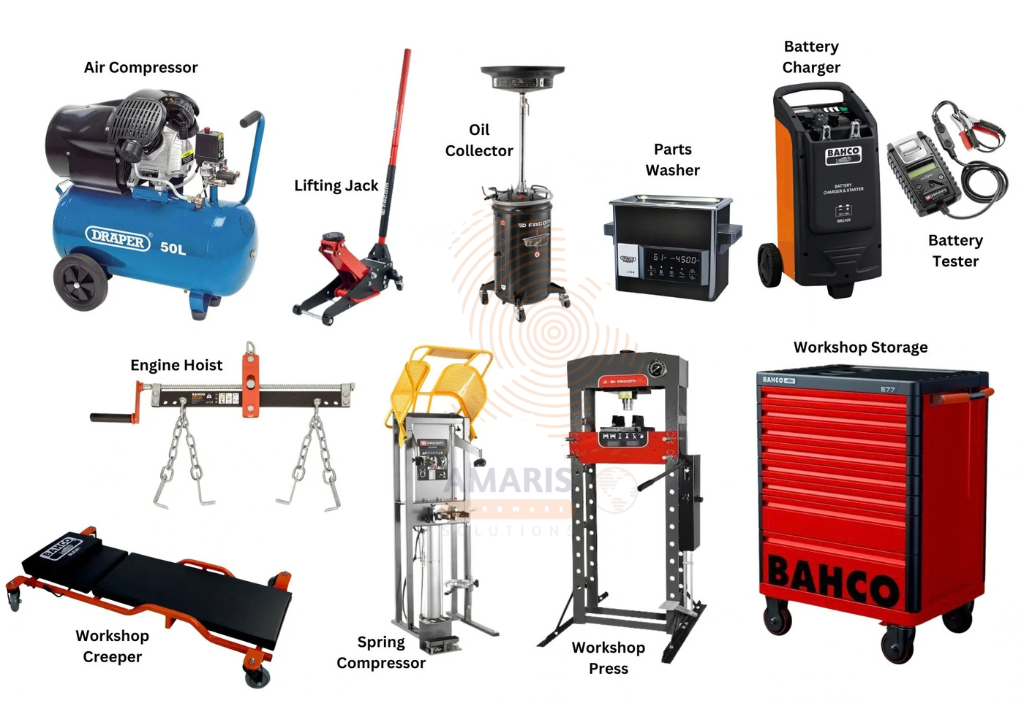
 Car Jacks & Stands
 Car Wash & Detailing Products
 Diagnostic Tools
 Tire Inflators
 Vehicle Lighting
 Oil & Lubricants
 Adhesives & Sealants
 Bricks & Blocks
 Cement & Concrete
 Drywall & Plaster
 Flooring (Tiles, Wood, Laminate)
 Lumber & Plywood
 Paints, Primers & Coatings
 Insulation Materials
 Roofing Materials
 Circuit Breakers
 Electrical Cables & Wires
 Switches & Sockets
 Fuses & Relays
 Connectors & Terminals
 Electrical Boxes & Panels
 Conduit & Fittings
 Lighting Fixtures & Bulbs
 Extension Cords & Power Strips
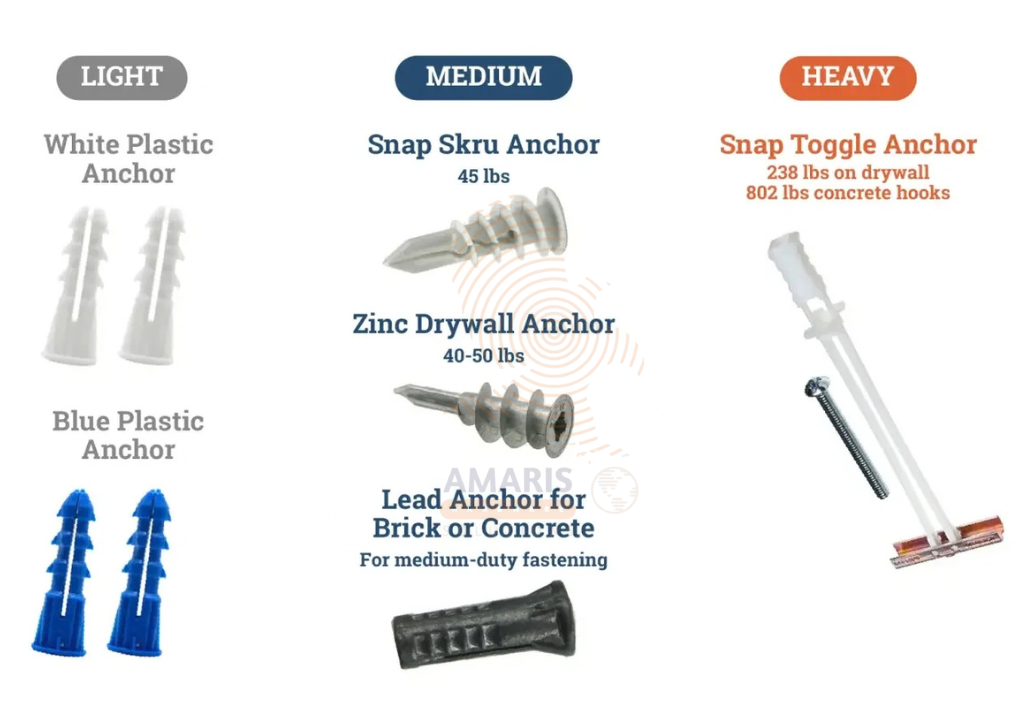
 Anchors
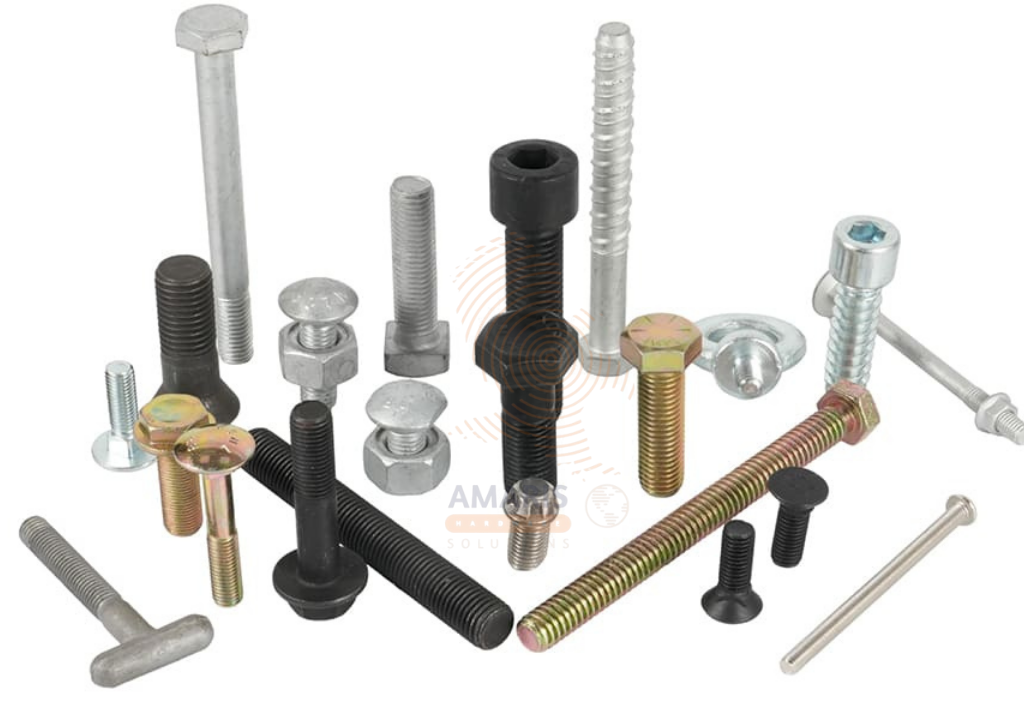
 Bolts
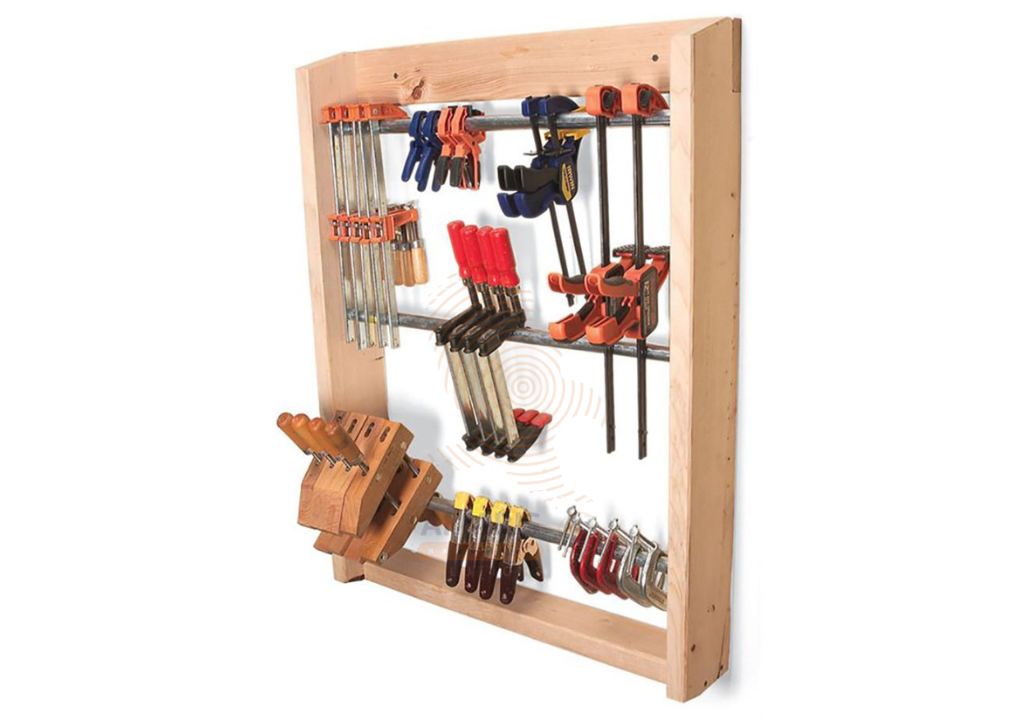
Bolts Clips & Clamps
 Screws
 Nuts
Nuts Washers
 Rivets
 Nails
Nails Threaded Rods
 Hammers
 Measuring Tools (Tapes, Levels, Calipers)
 Screwdrivers
 Pliers & Cutters
 Saws & Blades
 Chisels & Punches
 Allen Keys & Hex Keys
 Ratchets & Socket Sets
 Wrenches & Spanners
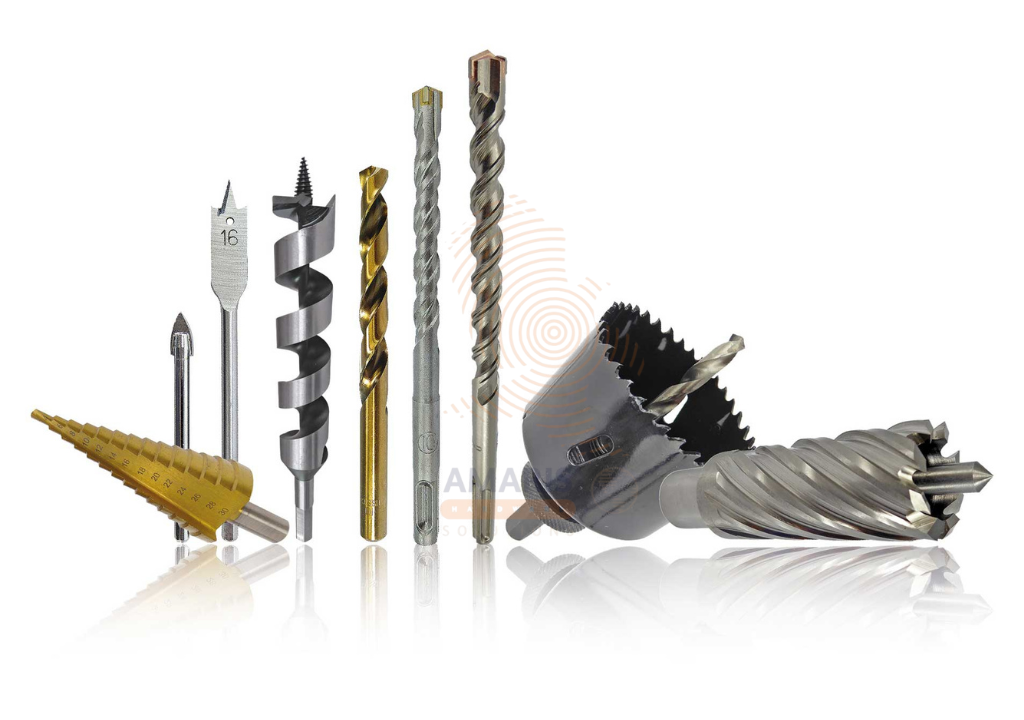
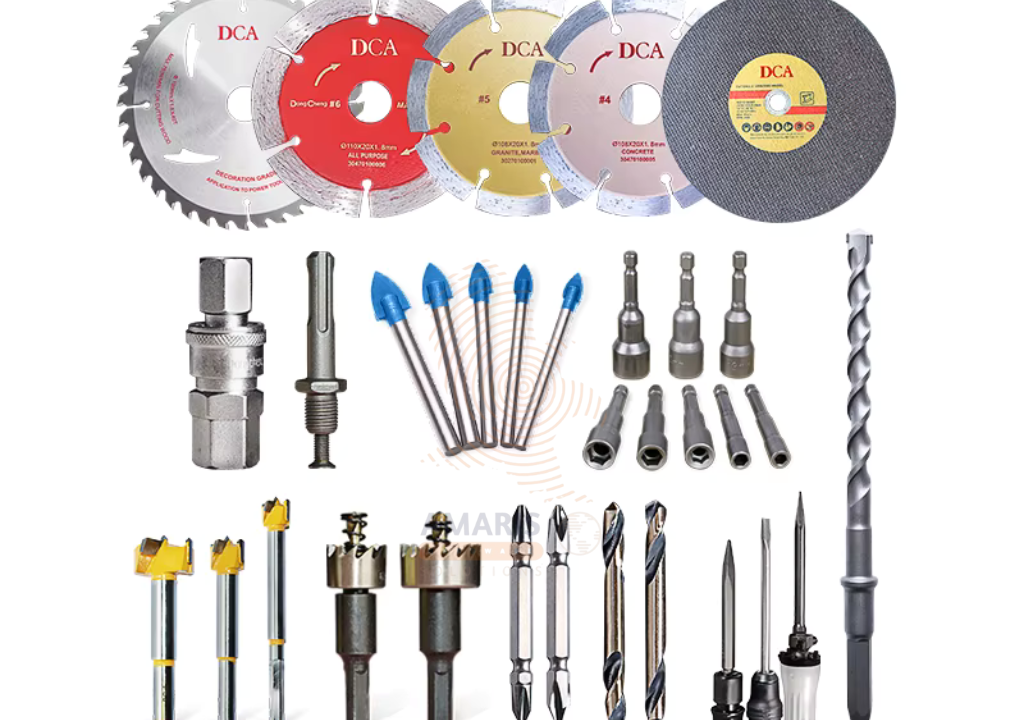
 Power Tool Accessories (Blades, Bits, Discs)
 Rotary Tools
 Saws (Circular, Jigsaw, Reciprocating)
 Drills & Drivers
 Grinders & Sanders
 Heat Guns
 Nail Guns
 Impact Wrenches
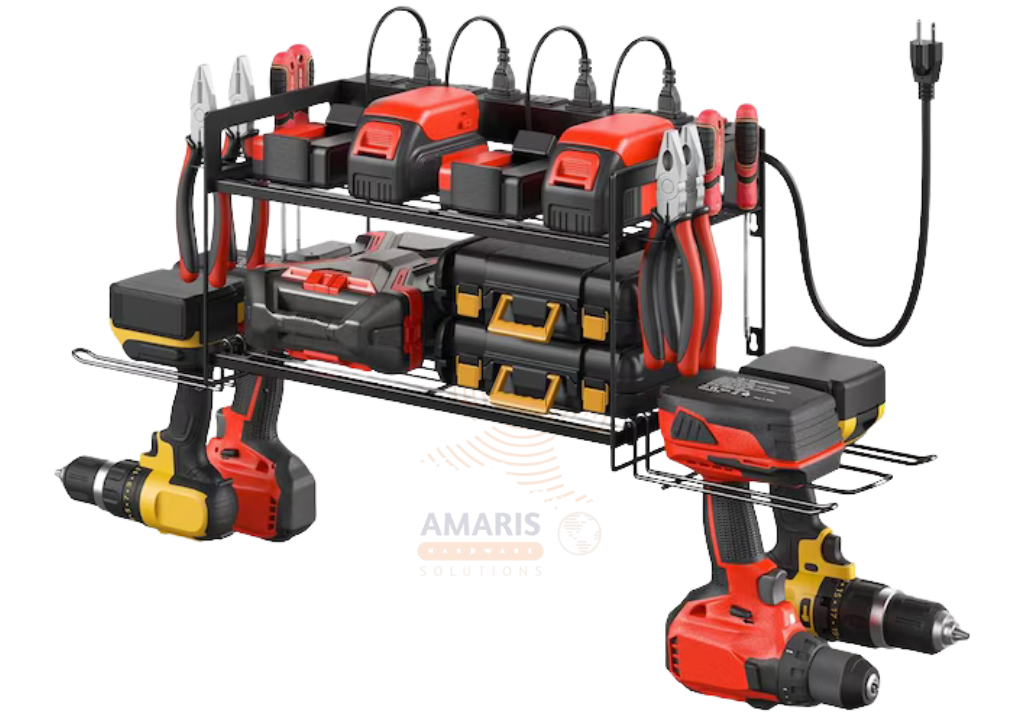
 Batteries & Chargers
 Pipes & Fittings (PVC, Copper, PEX)
 Plumbing Tools
 Pumps & Motors
 Sealants & Adhesives for Plumbing
 Valves & Taps
 Water Heaters
 Drainage Systems
 Faucets & Fixtures
 Hoses & Tubing
 Hinges & Latches
 Hooks & Brackets
 Window Hardware
 Chains & Cables
 Casters & Wheels
 Shelving & Storage Systems
 Door Handles & Locks
 Drawer Slides & Cabinet Hardware
 Personal Protective Equipment (PPE)
 Respirators & Masks
 Safety Glasses
 Safes
Safes Security Cameras
 Gloves
 Helmets
 Ear Protection
 Fire Safety Equipment
 Locks & Padlocks
 Motion Sensors & Alarms
 Garden Fencing
 Garden Furniture Hardware
 Lawn Mowers
 Trimmers & Edgers
 Shovels & Spades
 Rakes & Hoes
 Pruning Shears & Loppers
 Watering Systems (Hoses, Sprinklers, Nozzles)
 Interior Paints
 Paint Brushes & Rollers
 Paint Strippers & Thinners
 Paint Trays & Accessories
 Exterior Paints
 Spray Paints
 Primers & Undercoats
 Varnishes & Stains
 Gaskets & Seals
 Hydraulic Fittings
 Industrial Fasteners
 Industrial Hoses
 Lubricants & Greases
 Metal Sheets & Bars
 Bearings & Bushings
 Belts & Pulleys
 HVAC Filters
 Insulation for HVAC
 Air Conditioners
 Refrigerants
 Ventilation Ducts & Fittings
 Thermostats & Controllers
 Fans & Blowers
 Pegboards & Hooks
 Shelving Units
 Storage Bins & Containers
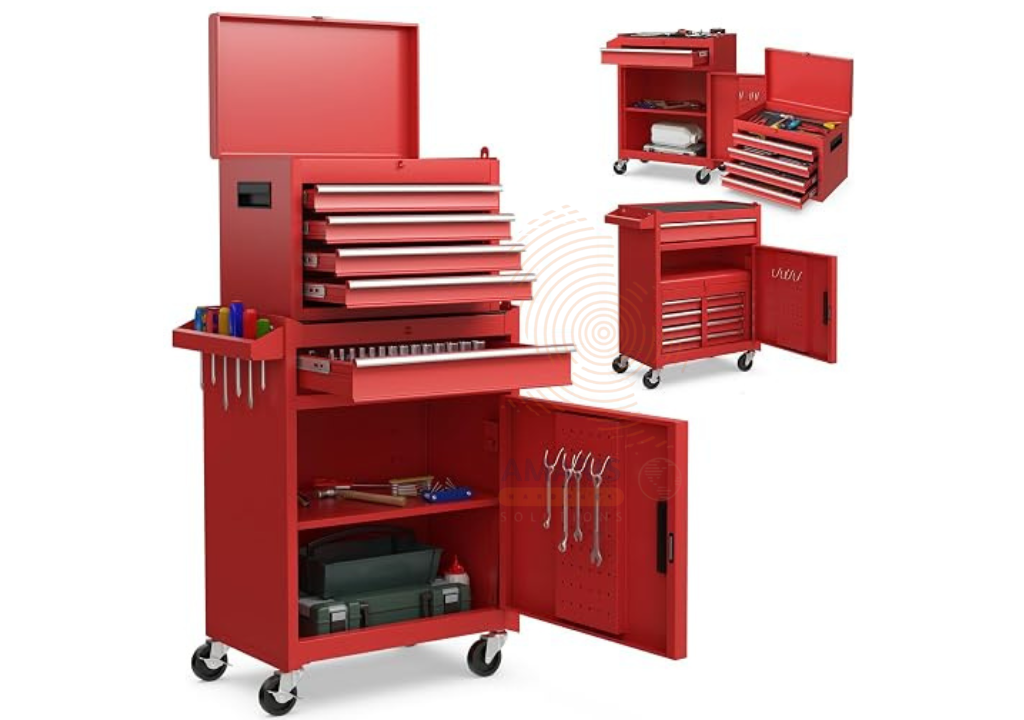
 Toolboxes & Tool Chests
 Workbenches
 Drawer Organizers
 Labeling Supplies
 Welding Accessories (Clamps, Brushes)
 Welding Electrodes & Rods
 Welding Helmets & Gloves
 Welding Machines
 Soldering Irons & Stations
 Flux & Solder Wire
 Generator Accessories
 Inverters
 Portable Generators
 Power Inverters
 Transfer Switches
 Diesel & Gasoline Generators
 Transport Equipment: Carts, Dollies, and Hand Trucks
 Storage Solutions: Pallets, Racks, and Containers
 Lifting Equipment: Hoists, Cranes, and Jacks
 Conveyors & Accessories: Belts & Rollers
 Office Chairs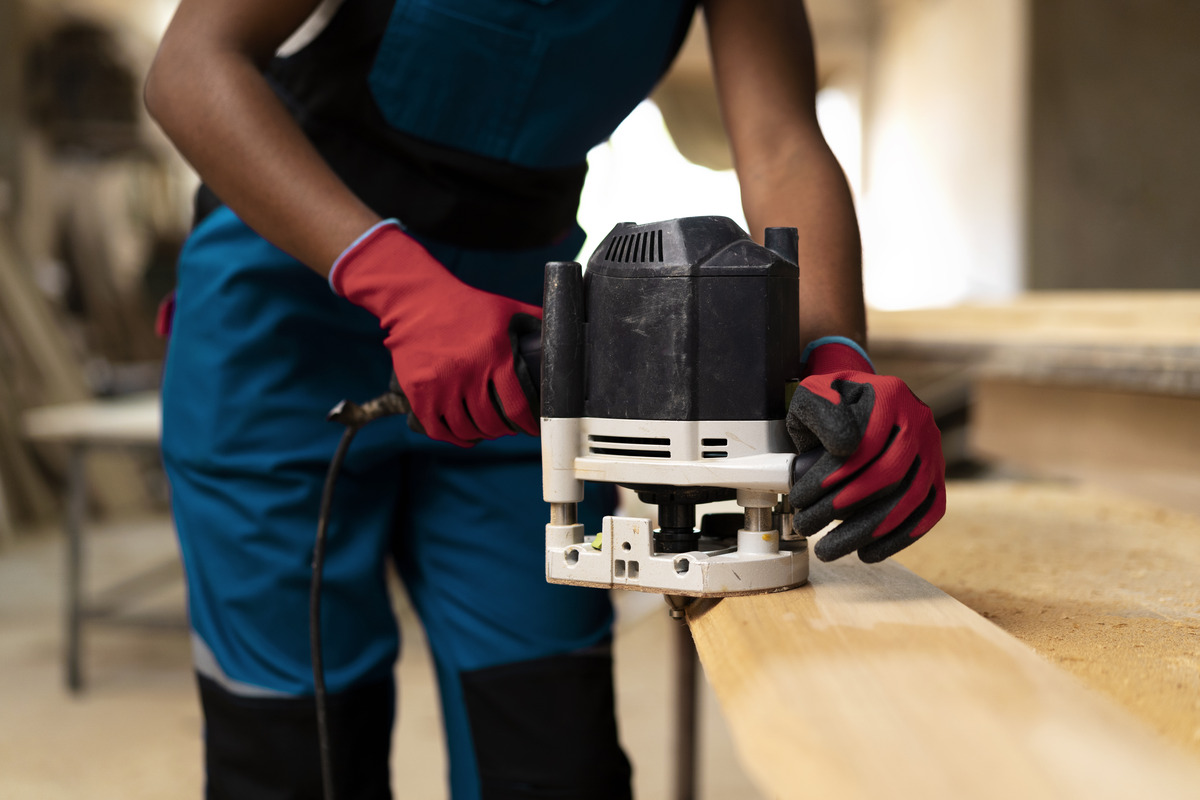
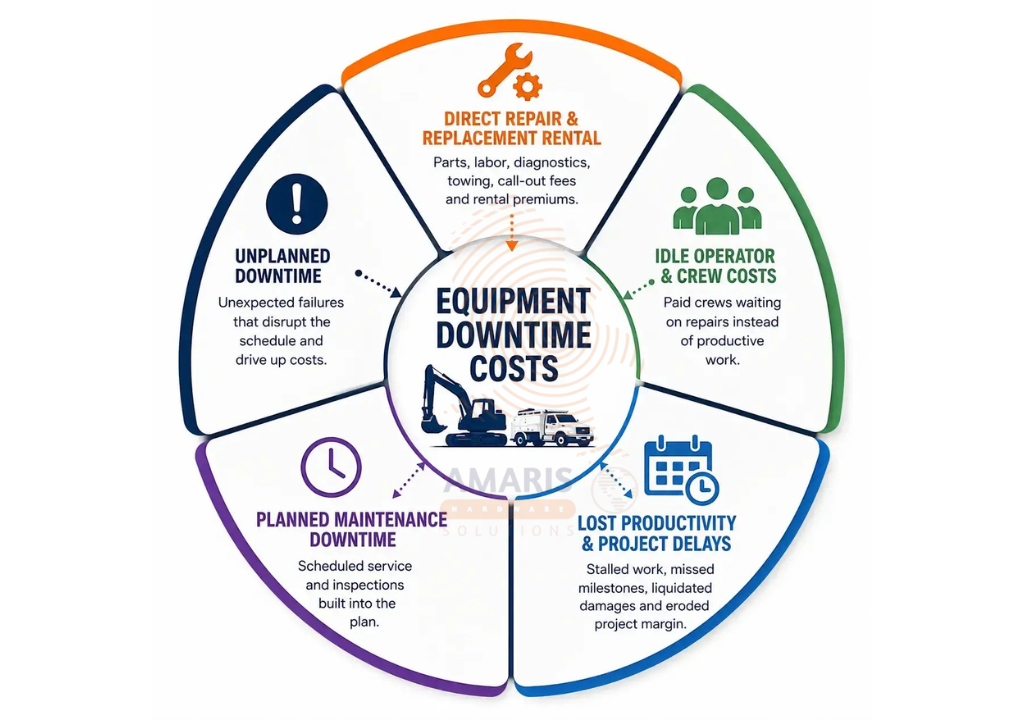
🔥🔧 Why Your Power Tool Keeps Overheating—and What You Can Do About It

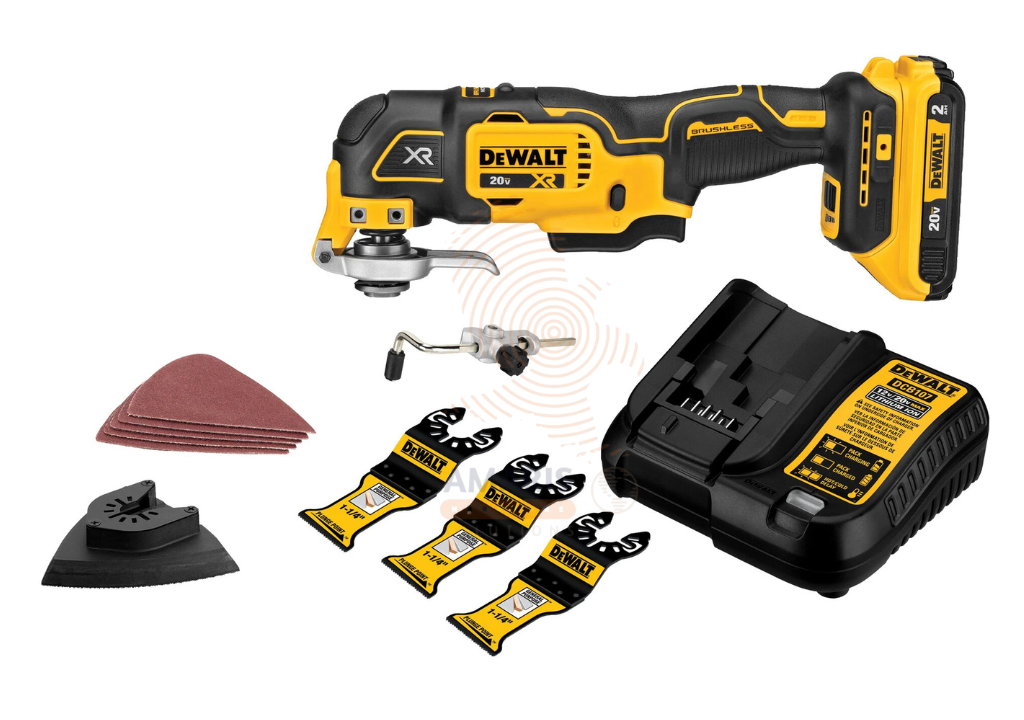
Few things are more frustrating on a busy job site than a power tool suddenly becoming too hot to handle. You may be drilling, grinding, cutting, or sanding normally when the tool starts getting unusually warm, loses power, or shuts down. But why does this happen?
Power tools naturally produce heat while operating, so some warmth is normal. However, excessive overheating is a warning sign that something may be wrong. Ignoring it can reduce the tool’s lifespan, damage internal components, and in some cases create a safety hazard. ⚠️
One common cause is overloading the tool. Every drill, grinder, saw, or other power tool has limits. Forcing a small tool to perform a task designed for heavier equipment can place excessive strain on the motor. For example, continuously drilling hard concrete with an unsuitable drill can make the motor work much harder than it should.
The solution is simple: match the tool to the job. 🛠️ Heavy-duty tasks require equipment designed to handle them. Using the correct power rating and operating the tool according to the manufacturer’s recommendations can significantly reduce unnecessary heat.
Another common problem is using the wrong or worn-out accessory. A blunt drill bit or dull saw blade creates more resistance, forcing the motor to work harder. The same applies to grinding discs that are unsuitable for the material being worked on. 🔩 Keeping bits and blades sharp and using the correct accessories can help your tool operate more efficiently.
Blocked ventilation is another culprit. Most power tools have ventilation openings that allow air to circulate around the motor. Dust, sawdust, and debris can accumulate around these openings, restricting airflow and causing heat to build up.
Regularly cleaning your tools is therefore essential. 💨 After using a dusty tool, remove accumulated debris and make sure the ventilation openings aren’t blocked. However, avoid opening electrical equipment unless you are qualified to do so.
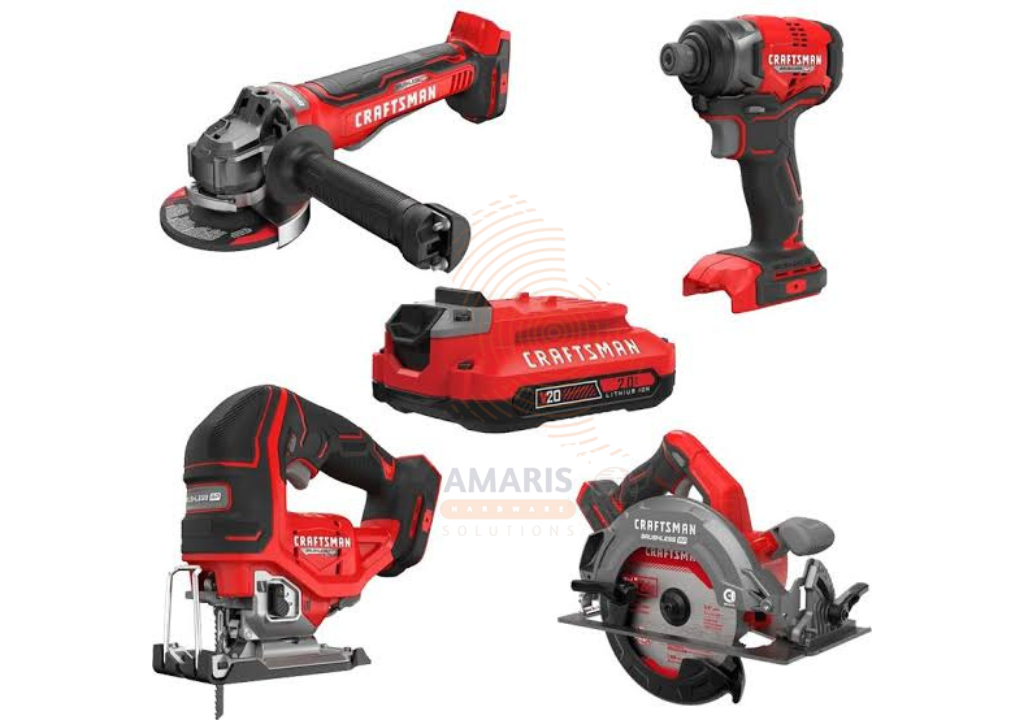
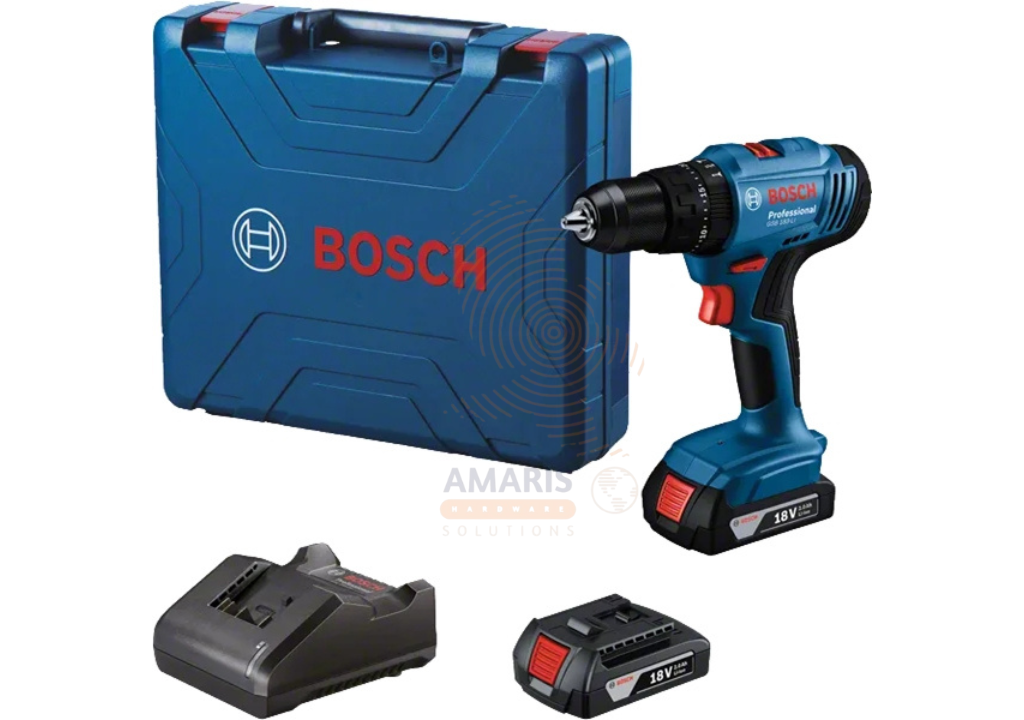
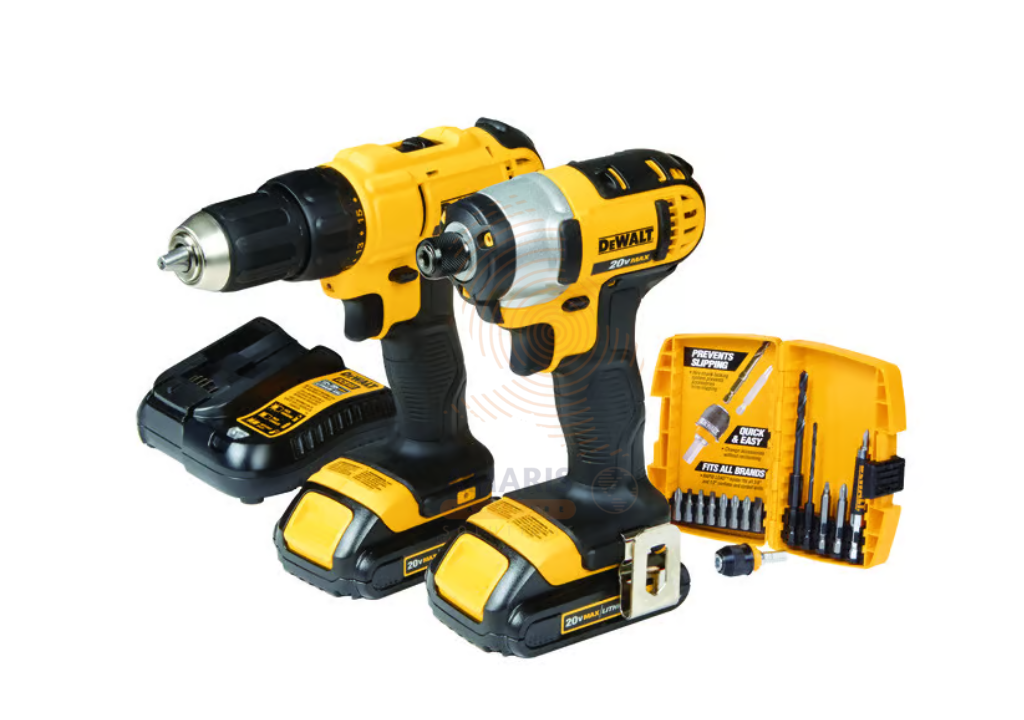
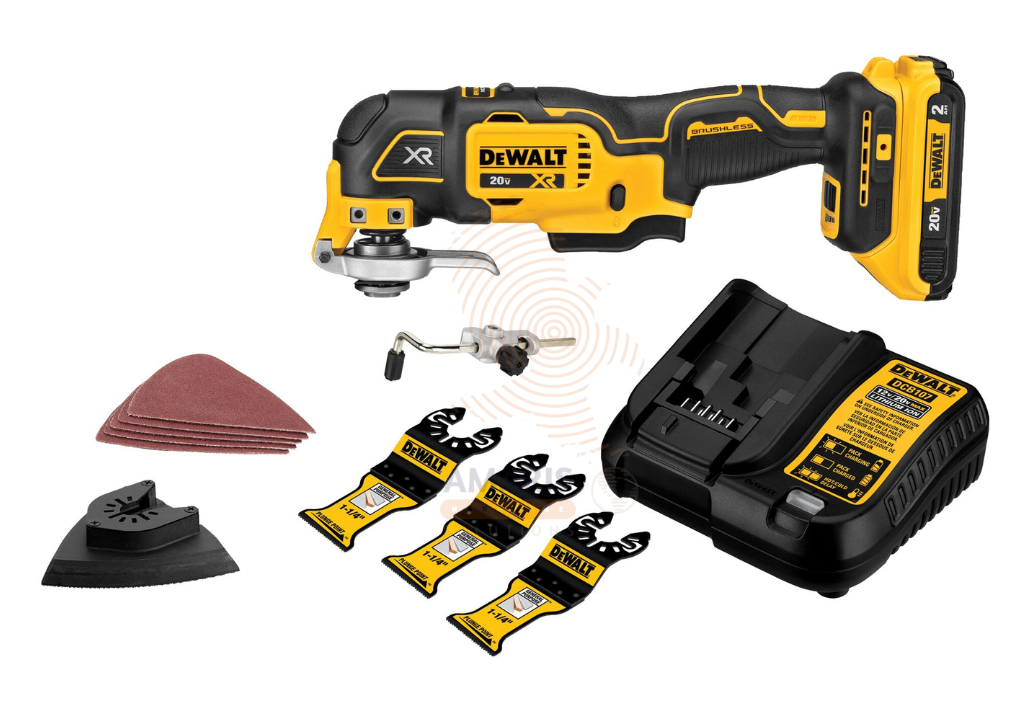
Continuous operation can also cause overheating. Even a high-quality tool needs appropriate breaks during demanding work. If you’re using a drill or grinder continuously for long periods, allow it to cool when necessary rather than forcing it to operate at maximum load indefinitely.
For cordless tools, the battery can also contribute to excessive heat. 🔋 High workloads, damaged batteries, unsuitable chargers, or very hot working environments can cause batteries to become unusually warm. If a battery becomes excessively hot, swollen, damaged, or behaves abnormally, stop using it and follow the manufacturer’s safety guidance.
The working environment matters too. Using power tools in extremely hot conditions or direct sunlight can make cooling more difficult. Where possible, work in a well-ventilated area and avoid leaving batteries and tools exposed to unnecessary heat.
Sometimes overheating indicates a more serious internal problem. Strange smells, smoke, unusual noises, sparks, repeated shutdowns, or a sudden loss of performance should not be ignored. 🚨 Continuing to use a tool showing these symptoms can make the problem worse.
If your tool repeatedly overheats despite using it correctly, it may be time for professional inspection or servicing. Replacing worn components can sometimes restore performance and extend the tool’s working life.
The good news is that many overheating problems can be prevented through simple habits: use the correct tool, choose suitable accessories, avoid overloading, keep ventilation areas clean, allow adequate cooling, and maintain your equipment regularly.
A power tool should make your work easier—not become another problem to manage. Taking care of your equipment helps it perform better, last longer, and remain safer to use. 🔧✨
The next time your drill, grinder, or saw starts getting unusually hot, don’t simply keep pushing it. Stop, identify the cause, and give your tool the attention it needs. A few minutes of care today could save you the cost of a replacement tomorrow.