
 Acrylic Sealants
 Construction Adhesives
 Double-Sided Tape
 Duct Tape
 Electrical Tape
 Epoxy & Resins
 Silicone Sealants
 Masking Tape
 Automotive Wrenches & Socket Sets
 Battery Chargers & Jump Starters
 Car Jacks & Stands
 Car Wash & Detailing Products
 Diagnostic Tools
 Tire Inflators
 Vehicle Lighting
 Oil & Lubricants
 Adhesives & Sealants
 Bricks & Blocks
 Cement & Concrete
 Drywall & Plaster
 Flooring (Tiles, Wood, Laminate)
 Lumber & Plywood
 Paints, Primers & Coatings
 Insulation Materials
 Roofing Materials
 Circuit Breakers
 Electrical Cables & Wires
 Switches & Sockets
 Fuses & Relays
 Connectors & Terminals
 Electrical Boxes & Panels
 Conduit & Fittings
 Lighting Fixtures & Bulbs
 Extension Cords & Power Strips
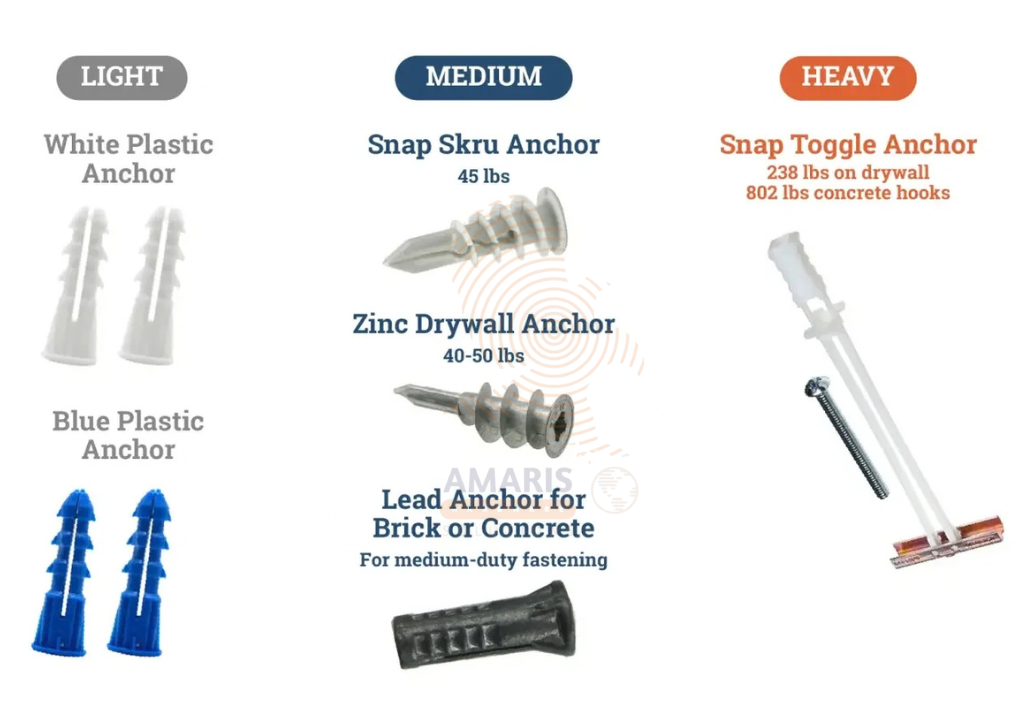
 Anchors
 Bolts
Bolts Clips & Clamps
 Screws
 Nuts
Nuts Washers
 Rivets
 Nails
Nails Threaded Rods
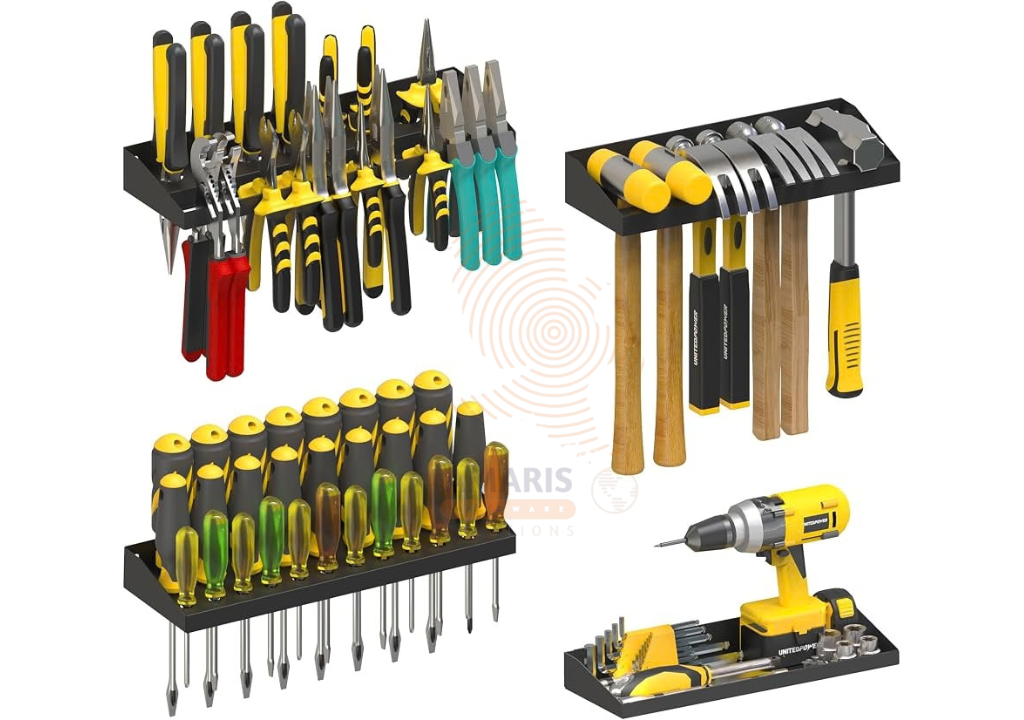
 Hammers
 Measuring Tools (Tapes, Levels, Calipers)
 Screwdrivers
 Pliers & Cutters
 Saws & Blades
 Chisels & Punches
 Allen Keys & Hex Keys
 Ratchets & Socket Sets
 Wrenches & Spanners
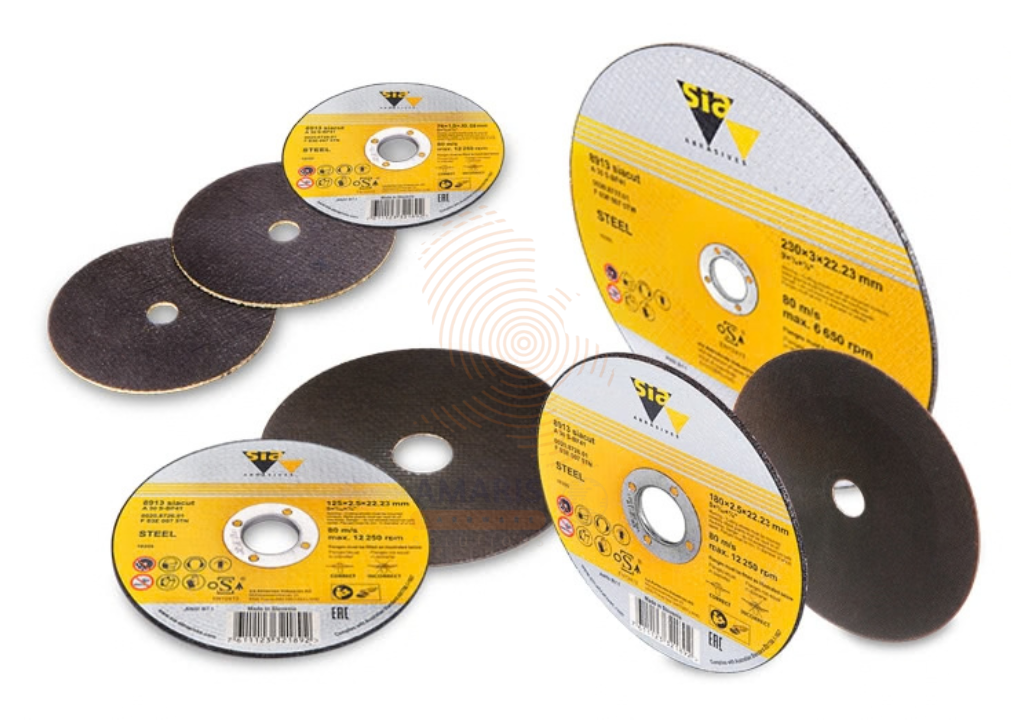
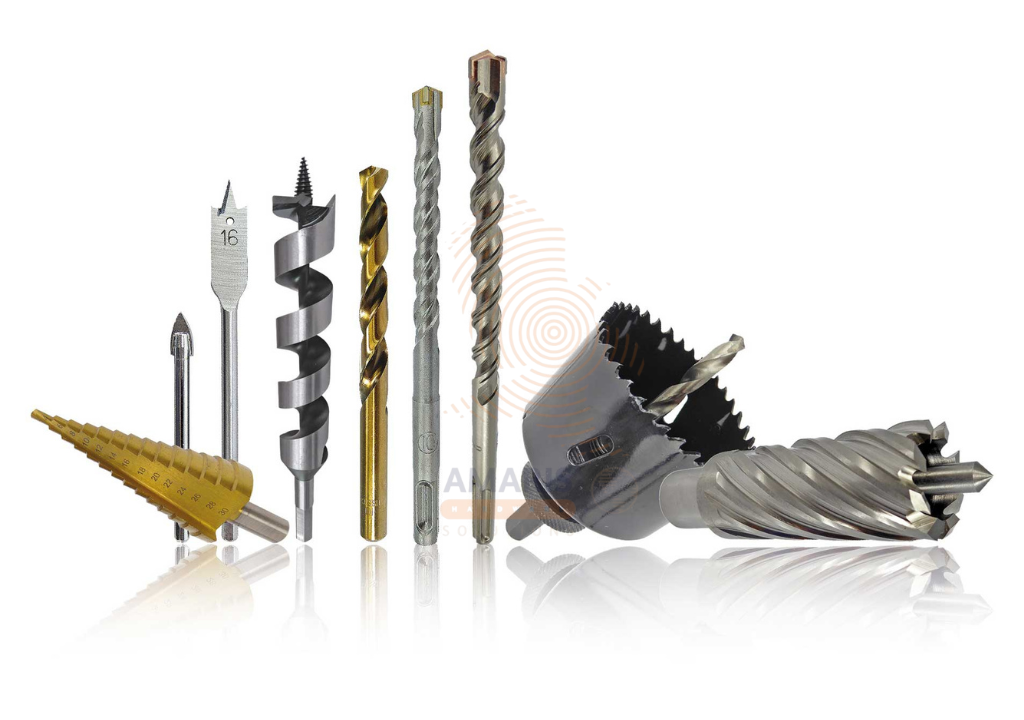
 Power Tool Accessories (Blades, Bits, Discs)
 Rotary Tools
 Saws (Circular, Jigsaw, Reciprocating)
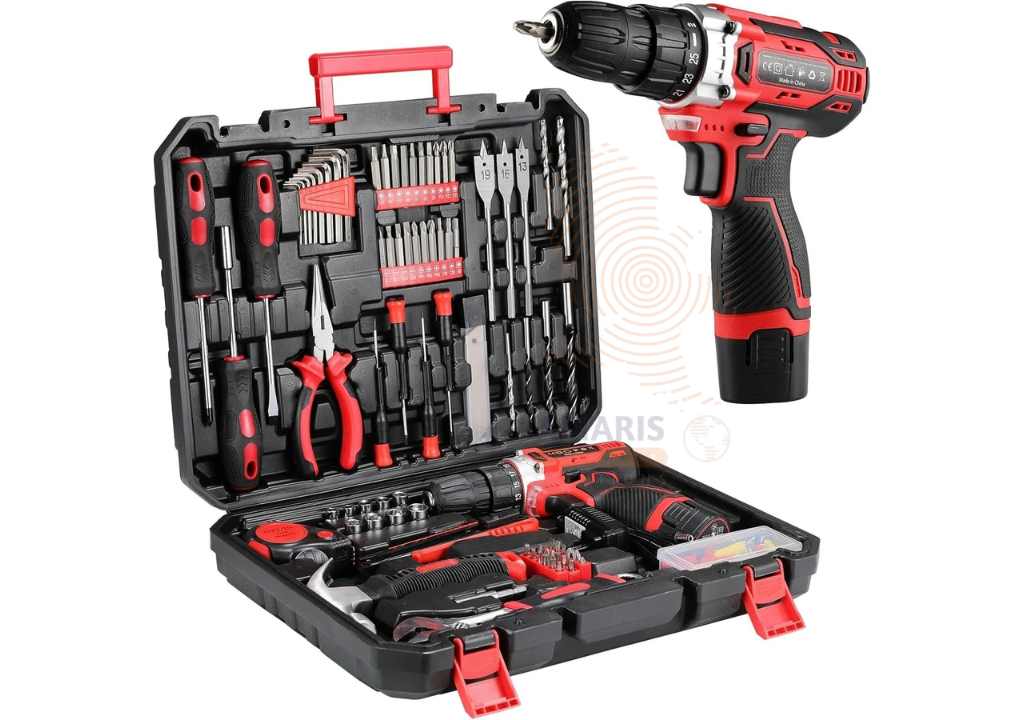
 Drills & Drivers
 Grinders & Sanders
 Heat Guns
 Nail Guns
 Impact Wrenches
 Batteries & Chargers
 Pipes & Fittings (PVC, Copper, PEX)
 Plumbing Tools
 Pumps & Motors
 Sealants & Adhesives for Plumbing
 Valves & Taps
 Water Heaters
 Drainage Systems
 Faucets & Fixtures
 Hoses & Tubing
 Hinges & Latches
 Hooks & Brackets
 Window Hardware
 Chains & Cables
 Casters & Wheels
 Shelving & Storage Systems
 Door Handles & Locks
 Drawer Slides & Cabinet Hardware
 Personal Protective Equipment (PPE)
 Respirators & Masks
 Safety Glasses
 Safes
Safes Security Cameras
 Gloves
 Helmets
 Ear Protection
 Fire Safety Equipment
 Locks & Padlocks
 Motion Sensors & Alarms
 Garden Fencing
 Garden Furniture Hardware
 Lawn Mowers
 Trimmers & Edgers
 Shovels & Spades
 Rakes & Hoes
 Pruning Shears & Loppers
 Watering Systems (Hoses, Sprinklers, Nozzles)
 Interior Paints
 Paint Brushes & Rollers
 Paint Strippers & Thinners
 Paint Trays & Accessories
 Exterior Paints
 Spray Paints
 Primers & Undercoats
 Varnishes & Stains
 Gaskets & Seals
 Hydraulic Fittings
 Industrial Fasteners
 Industrial Hoses
 Lubricants & Greases
 Metal Sheets & Bars
 Bearings & Bushings
 Belts & Pulleys
 HVAC Filters
 Insulation for HVAC
 Air Conditioners
 Refrigerants
 Ventilation Ducts & Fittings
 Thermostats & Controllers
 Fans & Blowers
 Pegboards & Hooks
 Shelving Units
 Storage Bins & Containers
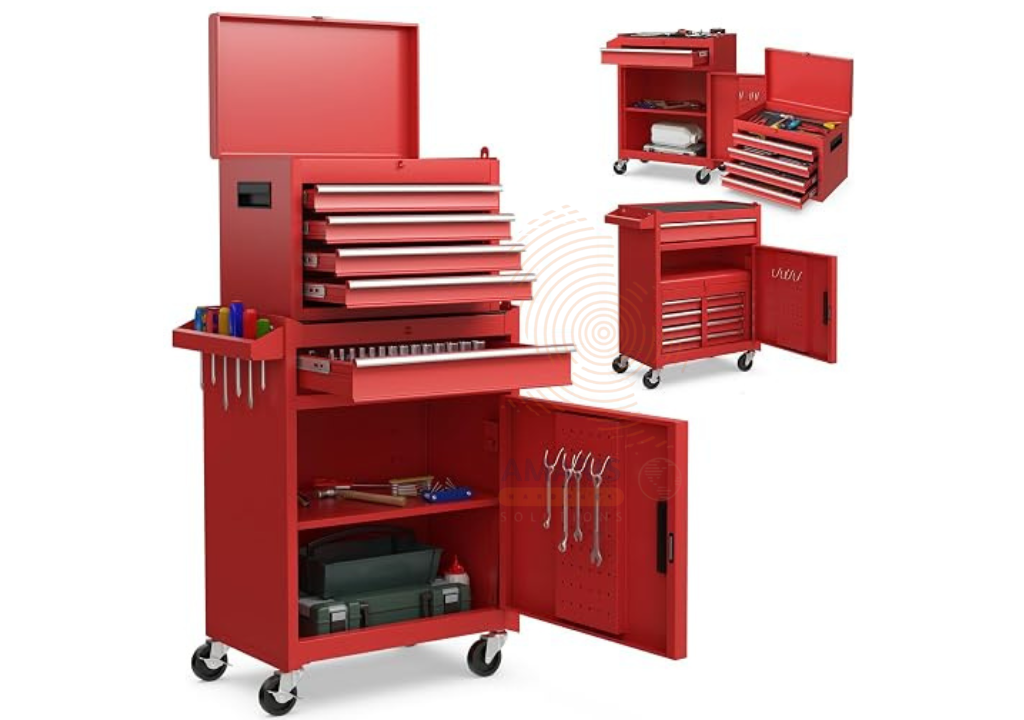
 Toolboxes & Tool Chests
 Workbenches
 Drawer Organizers
 Labeling Supplies
 Welding Accessories (Clamps, Brushes)
 Welding Electrodes & Rods
 Welding Helmets & Gloves
 Welding Machines
 Soldering Irons & Stations
 Flux & Solder Wire
 Generator Accessories
 Inverters
 Portable Generators
 Power Inverters
 Transfer Switches
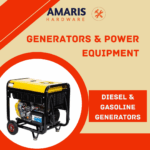 Diesel & Gasoline Generators
 Transport Equipment: Carts, Dollies, and Hand Trucks
 Storage Solutions: Pallets, Racks, and Containers
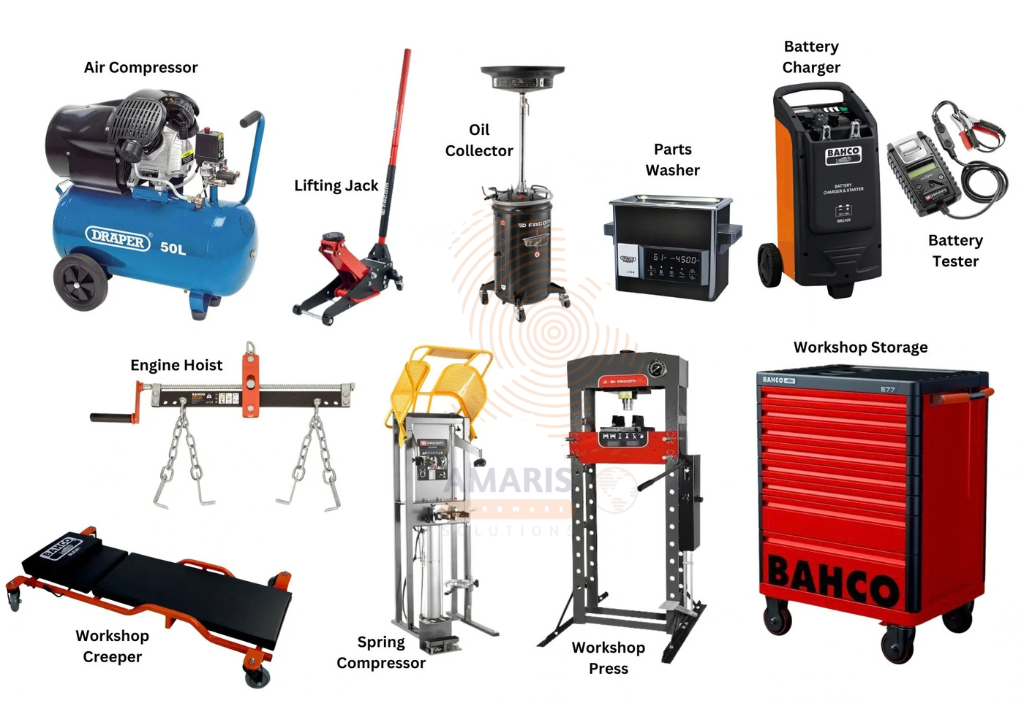
 Lifting Equipment: Hoists, Cranes, and Jacks
 Conveyors & Accessories: Belts & Rollers
 Office Chairs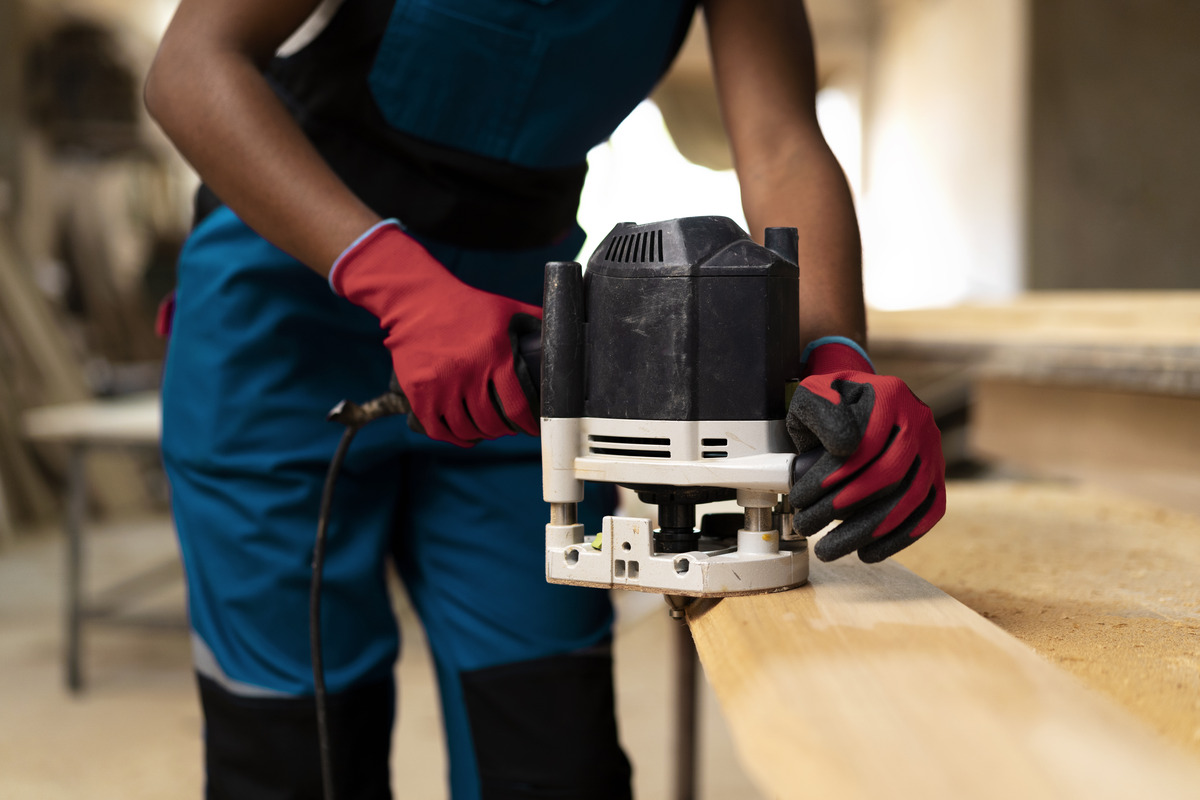
🦺⚡ Safety Tips When Using Heavy-Duty Power Tools

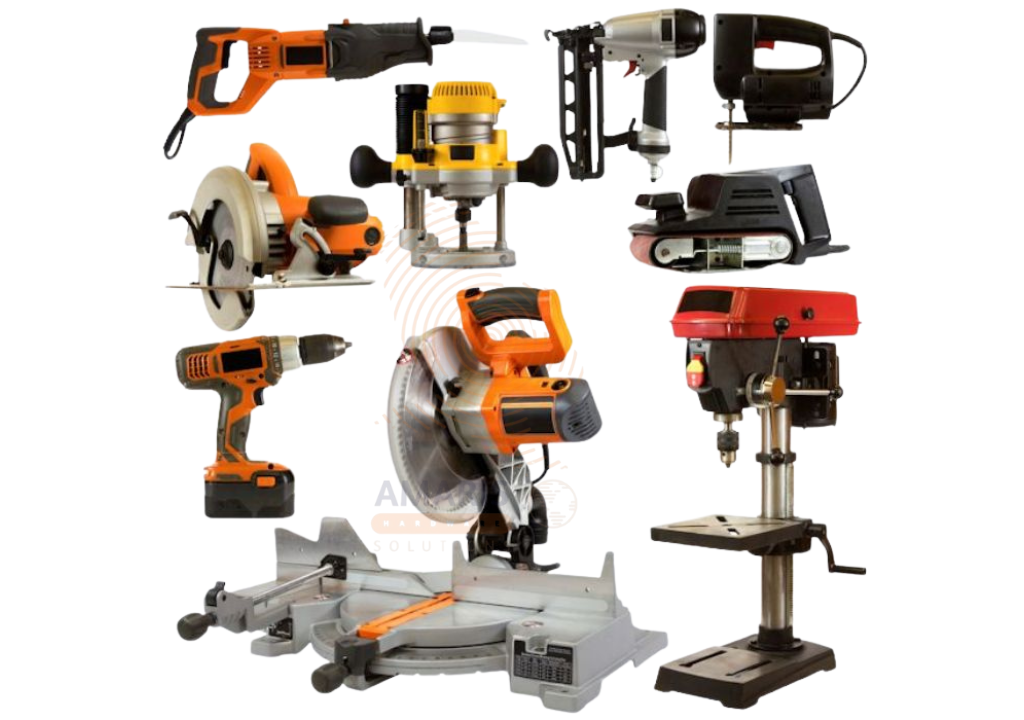
Heavy-duty power tools have transformed the construction, fabrication, and maintenance industries by making work faster, easier, and more efficient. From angle grinders and rotary hammer drills to circular saws and demolition equipment, these tools help professionals tackle demanding tasks with precision and speed. However, their power also comes with significant risks if they are not used correctly. 🔧
Every year, many workplace injuries occur because of improper tool handling, inadequate safety gear, or failure to follow basic safety procedures. Whether you’re a professional contractor, workshop technician, or DIY enthusiast, understanding power tool safety is essential for protecting yourself and those around you.
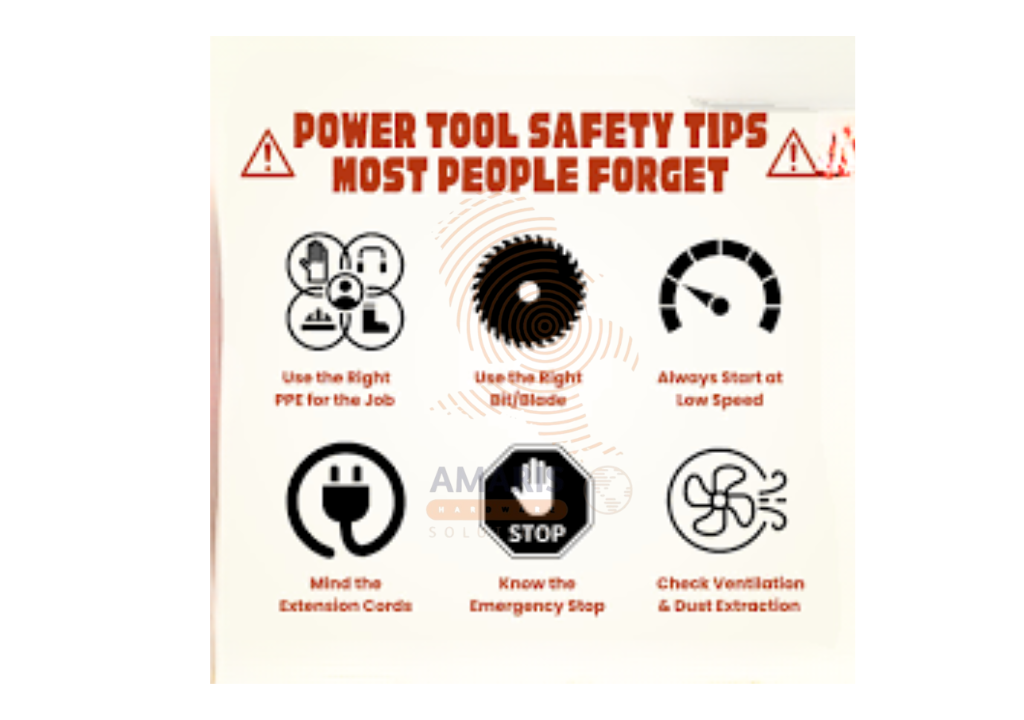
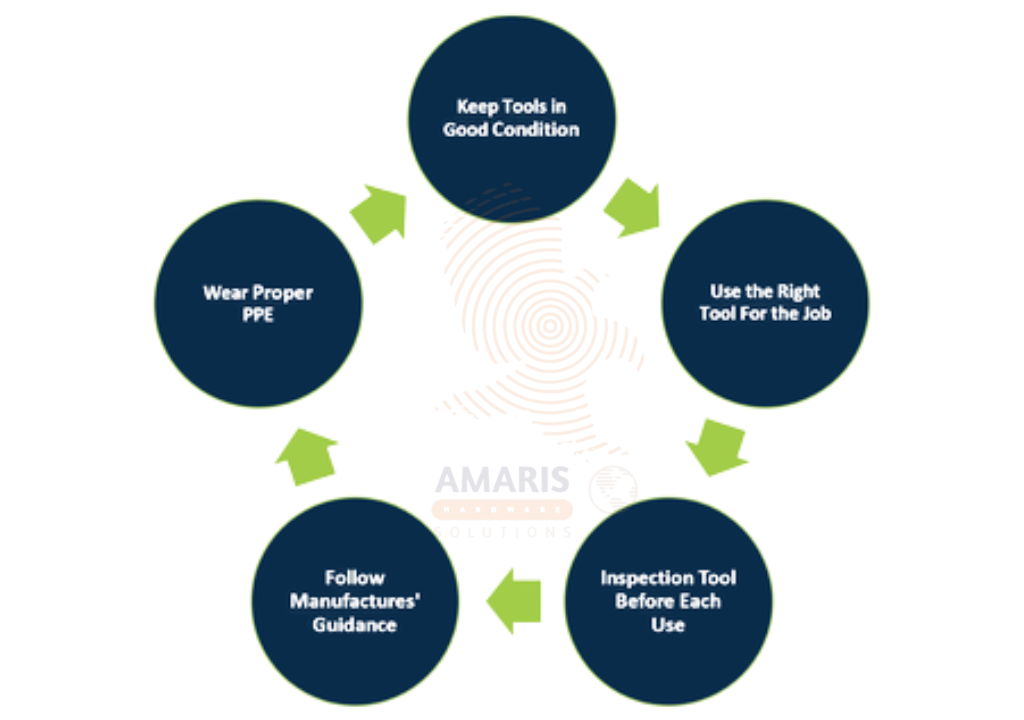
One of the most important safety practices is wearing the correct personal protective equipment (PPE). Before operating any heavy-duty power tool, ensure you have the appropriate safety gear for the task. Safety goggles protect your eyes from flying debris, while gloves help improve grip and protect your hands from cuts and abrasions. Depending on the environment, hearing protection, safety boots, and dust masks may also be necessary. 🦺
Before switching on any tool, take a few moments to inspect it thoroughly. Check power cords, plugs, switches, guards, batteries, and moving parts for signs of wear or damage. A damaged tool should never be used until it has been properly repaired. Small issues that seem insignificant can quickly become major safety hazards during operation.
Reading the manufacturer’s instructions may seem obvious, but it is a step many users skip. Every tool is designed differently and comes with specific operating procedures and safety recommendations. Familiarizing yourself with these guidelines helps you understand the tool’s capabilities, limitations, and proper maintenance requirements. 📖
Maintaining a clean and organized workspace is another crucial aspect of safety. Cluttered work areas can lead to trips, falls, and accidental contact with operating tools. Loose materials, extension cords, and debris should be kept clear of walkways and work zones. A tidy workspace not only improves safety but also increases efficiency and productivity.
Proper handling and body positioning are equally important. Always maintain a firm grip on the tool and keep both hands on designated handles whenever possible. Avoid awkward positions that may cause you to lose balance during operation. Stable footing and proper posture help maintain control, especially when working with high-powered equipment such as angle grinders and demolition hammers. ⚙️
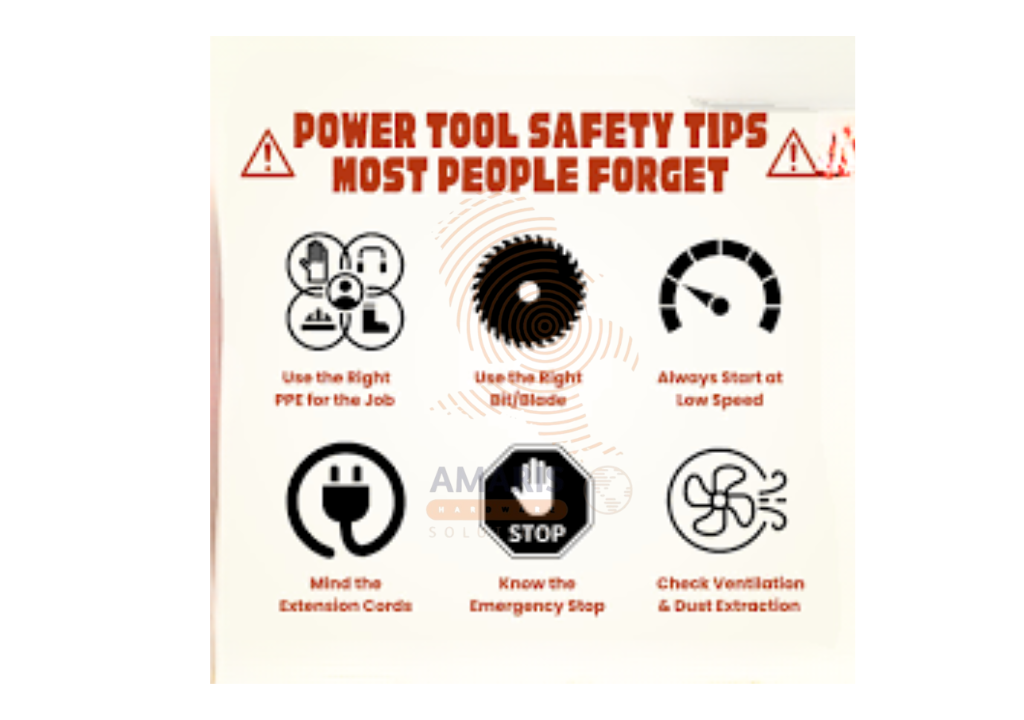
Many accidents occur because users rush through tasks or attempt to force tools beyond their intended capacity. Let the tool do the work. Applying excessive pressure can damage equipment, reduce accuracy, and increase the risk of kickback or loss of control. Using the correct accessory, blade, disc, or bit for the job is also essential for safe operation.
Electrical safety should never be overlooked. When using corded tools, inspect cables regularly and avoid exposing them to water, sharp edges, or heavy traffic areas. For cordless tools, ensure batteries are charged properly and stored according to manufacturer recommendations. Faulty electrical components can create serious shock and fire hazards. ⚡
Another important habit is disconnecting power before making adjustments. Whether changing a blade, replacing a grinding disc, or performing maintenance, always unplug the tool or remove the battery first. This simple precaution can prevent accidental startups and serious injuries.
Regular maintenance plays a major role in tool safety. Clean tools after use, lubricate moving parts when necessary, and replace worn accessories promptly. Well-maintained tools operate more smoothly, perform better, and are less likely to fail unexpectedly during operation. 🔩
Finally, never underestimate the importance of concentration. Distractions, fatigue, and rushing are common causes of accidents. If you’re tired or unable to focus fully on the task at hand, it’s often safer to take a short break before continuing. Power tools demand your full attention every time they are used.
Heavy-duty power tools are invaluable assets on construction sites and in workshops, but their benefits can only be fully realized when safety remains a top priority. By wearing the proper protective equipment, inspecting tools regularly, maintaining a clean workspace, and following safe operating procedures, you can significantly reduce risks and work with greater confidence.
A few extra moments spent on safety can prevent costly accidents, protect valuable equipment, and ensure every project is completed successfully. In the world of construction and fabrication, working safely is just as important as working efficiently. 🛠️✨