
 Acrylic Sealants
 Construction Adhesives
 Double-Sided Tape
 Duct Tape
 Electrical Tape
 Epoxy & Resins
 Silicone Sealants
 Masking Tape
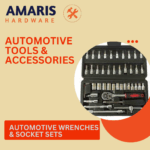 Automotive Wrenches & Socket Sets
 Battery Chargers & Jump Starters
 Car Jacks & Stands
 Car Wash & Detailing Products
 Diagnostic Tools
 Tire Inflators
 Vehicle Lighting
 Oil & Lubricants
 Adhesives & Sealants
 Bricks & Blocks
 Cement & Concrete
 Drywall & Plaster
 Flooring (Tiles, Wood, Laminate)
 Lumber & Plywood
 Paints, Primers & Coatings
 Insulation Materials
 Roofing Materials
 Circuit Breakers
 Electrical Cables & Wires
 Switches & Sockets
 Fuses & Relays
 Connectors & Terminals
 Electrical Boxes & Panels
 Conduit & Fittings
 Lighting Fixtures & Bulbs
 Extension Cords & Power Strips
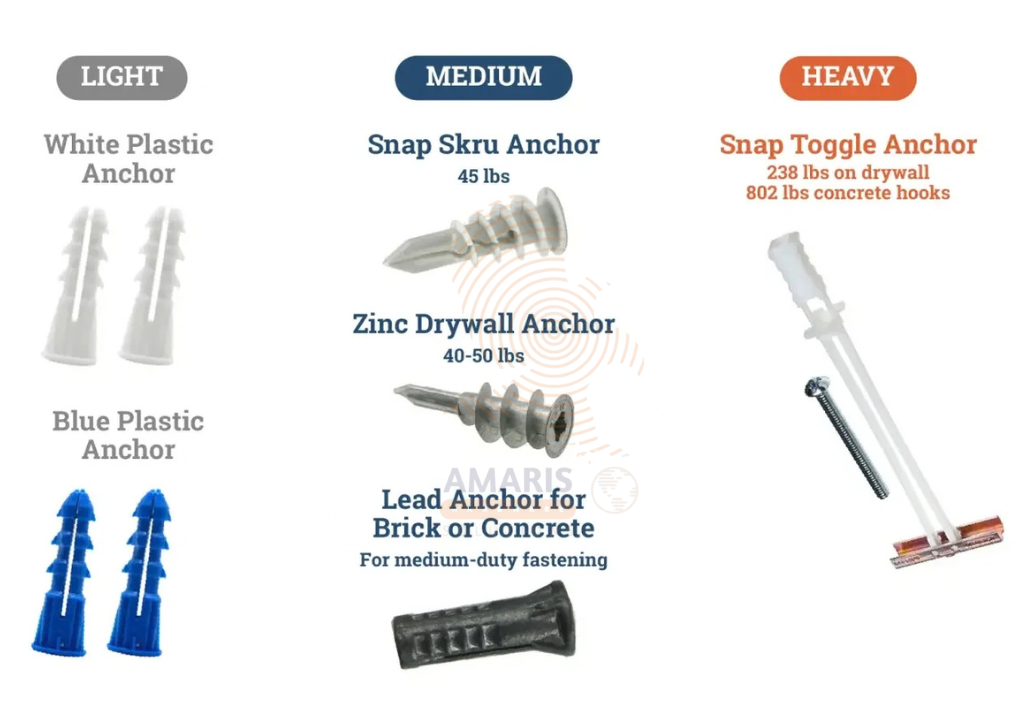
 Anchors
 Bolts
Bolts Clips & Clamps
 Screws
 Nuts
Nuts Washers
 Rivets
 Nails
Nails Threaded Rods
 Hammers
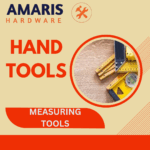 Measuring Tools (Tapes, Levels, Calipers)
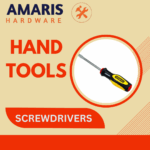 Screwdrivers
 Pliers & Cutters
 Saws & Blades
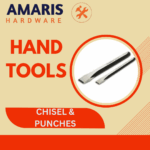 Chisels & Punches
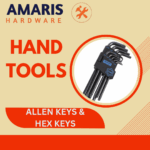 Allen Keys & Hex Keys
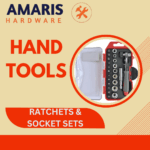 Ratchets & Socket Sets
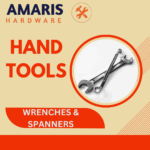 Wrenches & Spanners
 Power Tool Accessories (Blades, Bits, Discs)
 Rotary Tools
 Saws (Circular, Jigsaw, Reciprocating)
 Drills & Drivers
 Grinders & Sanders
 Heat Guns
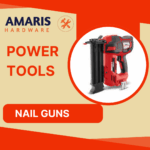 Nail Guns
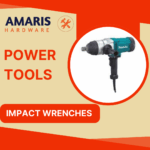 Impact Wrenches
 Batteries & Chargers
 Pipes & Fittings (PVC, Copper, PEX)
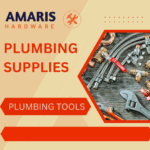 Plumbing Tools
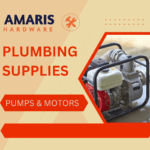 Pumps & Motors
 Sealants & Adhesives for Plumbing
 Valves & Taps
 Water Heaters
 Drainage Systems
 Faucets & Fixtures
 Hoses & Tubing
 Hinges & Latches
 Hooks & Brackets
 Window Hardware
 Chains & Cables
 Casters & Wheels
 Shelving & Storage Systems
 Door Handles & Locks
 Drawer Slides & Cabinet Hardware
 Personal Protective Equipment (PPE)
 Respirators & Masks
 Safety Glasses
 Safes
Safes Security Cameras
 Gloves
 Helmets
 Ear Protection
 Fire Safety Equipment
 Locks & Padlocks
 Motion Sensors & Alarms
 Garden Fencing
 Garden Furniture Hardware
 Lawn Mowers
 Trimmers & Edgers
 Shovels & Spades
 Rakes & Hoes
 Pruning Shears & Loppers
 Watering Systems (Hoses, Sprinklers, Nozzles)
 Interior Paints
 Paint Brushes & Rollers
 Paint Strippers & Thinners
 Paint Trays & Accessories
 Exterior Paints
 Spray Paints
 Primers & Undercoats
 Varnishes & Stains
 Gaskets & Seals
 Hydraulic Fittings
 Industrial Fasteners
 Industrial Hoses
 Lubricants & Greases
 Metal Sheets & Bars
 Bearings & Bushings
 Belts & Pulleys
 HVAC Filters
 Insulation for HVAC
 Air Conditioners
 Refrigerants
 Ventilation Ducts & Fittings
 Thermostats & Controllers
 Fans & Blowers
 Pegboards & Hooks
 Shelving Units
 Storage Bins & Containers
 Toolboxes & Tool Chests
 Workbenches
 Drawer Organizers
 Labeling Supplies
 Welding Accessories (Clamps, Brushes)
 Welding Electrodes & Rods
 Welding Helmets & Gloves
 Welding Machines
 Soldering Irons & Stations
 Flux & Solder Wire
 Generator Accessories
 Inverters
 Portable Generators
 Power Inverters
 Transfer Switches
 Diesel & Gasoline Generators
 Transport Equipment: Carts, Dollies, and Hand Trucks
 Storage Solutions: Pallets, Racks, and Containers
 Lifting Equipment: Hoists, Cranes, and Jacks
 Conveyors & Accessories: Belts & Rollers
 Office Chairs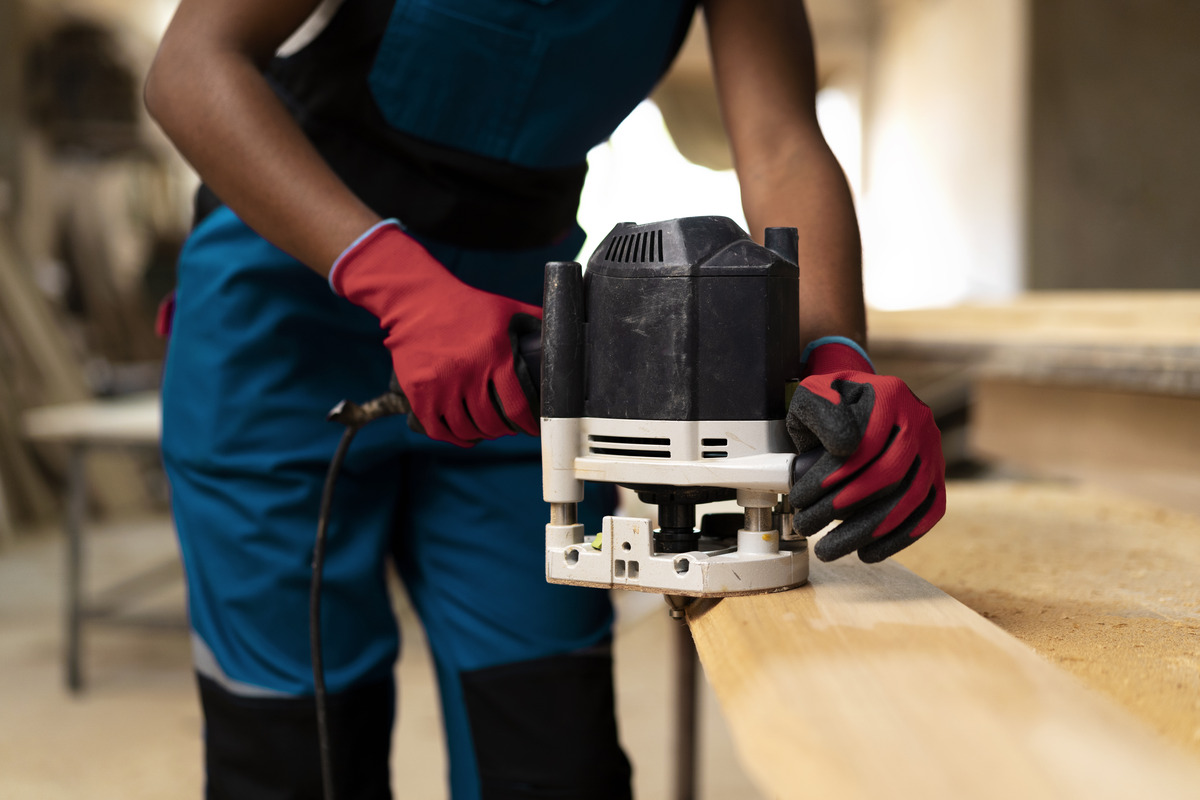
🛠️✨ How to Maintain Your Construction Tools for Longer Life

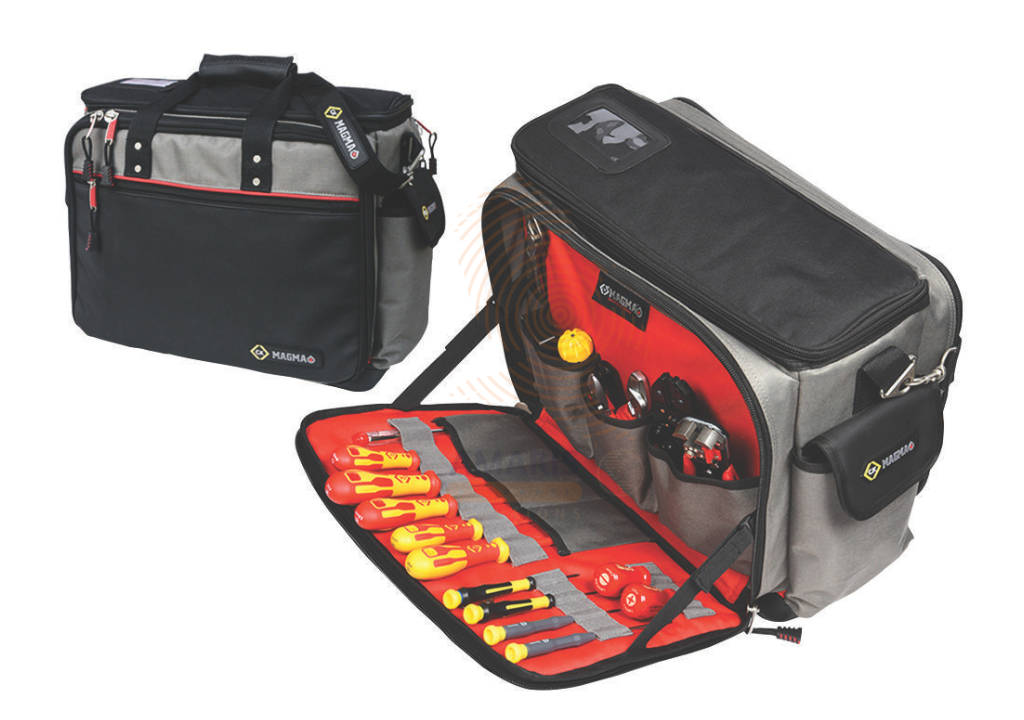
Construction tools are among the most valuable assets on any job site, workshop, or home project. Whether you’re using power drills, angle grinders, measuring tools, hammers, welding equipment, or water pumps, proper maintenance can make the difference between a tool that lasts for years and one that fails prematurely. While many people focus on purchasing quality equipment, they often overlook the importance of regular care and maintenance. 🔧
In 2026, construction tools are more advanced and efficient than ever before, but even the best tools require attention to perform at their best. Dust, moisture, heavy workloads, and improper storage can all shorten a tool’s lifespan. The good news is that a few simple maintenance habits can help protect your investment, improve performance, and save you money on repairs and replacements.
One of the most important maintenance practices is keeping your tools clean after every use. Construction sites can be extremely dusty, and debris can easily accumulate on tools and equipment. Dirt buildup may seem harmless at first, but over time it can affect moving parts, reduce efficiency, and even cause overheating. Taking a few minutes to wipe down tools, remove dust from vents, and clean accessories can significantly improve their longevity. 🧹
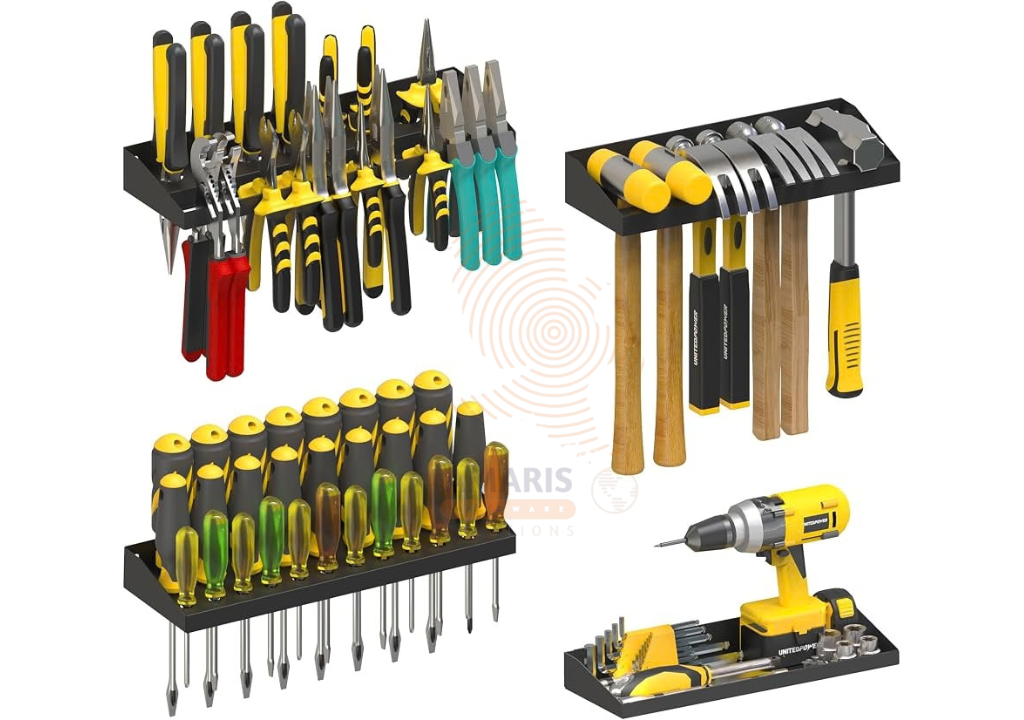
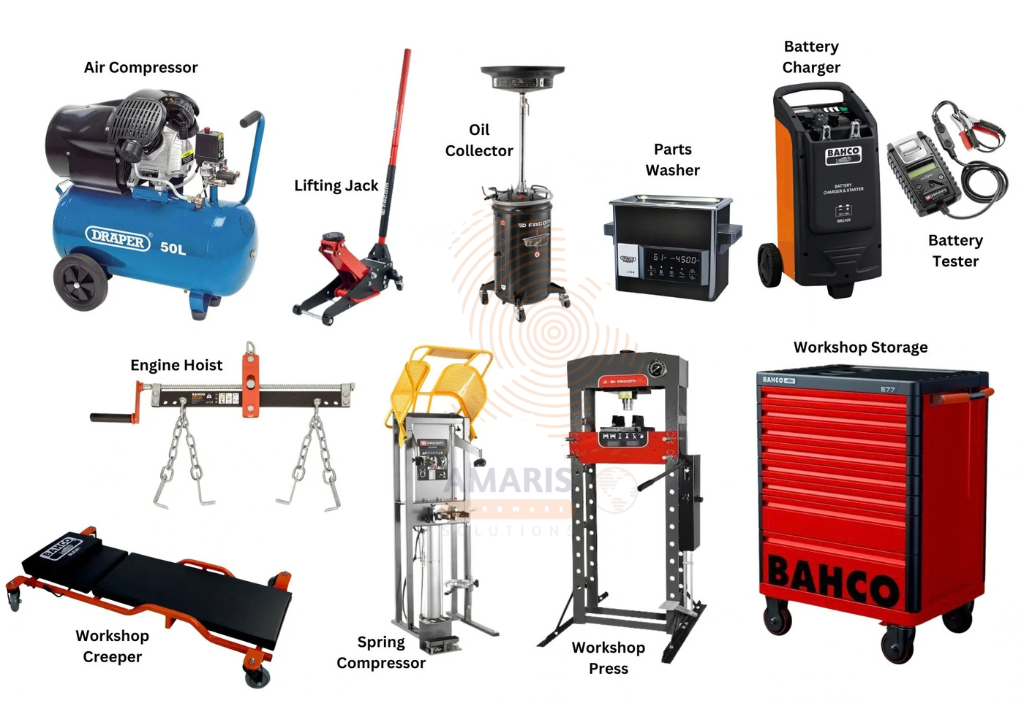
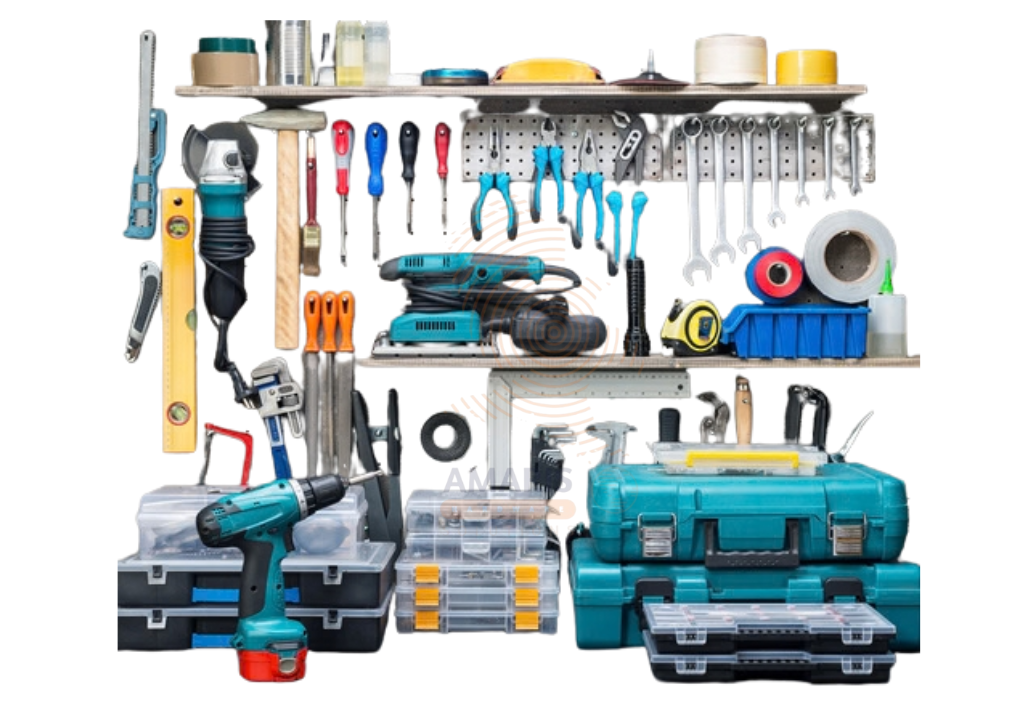
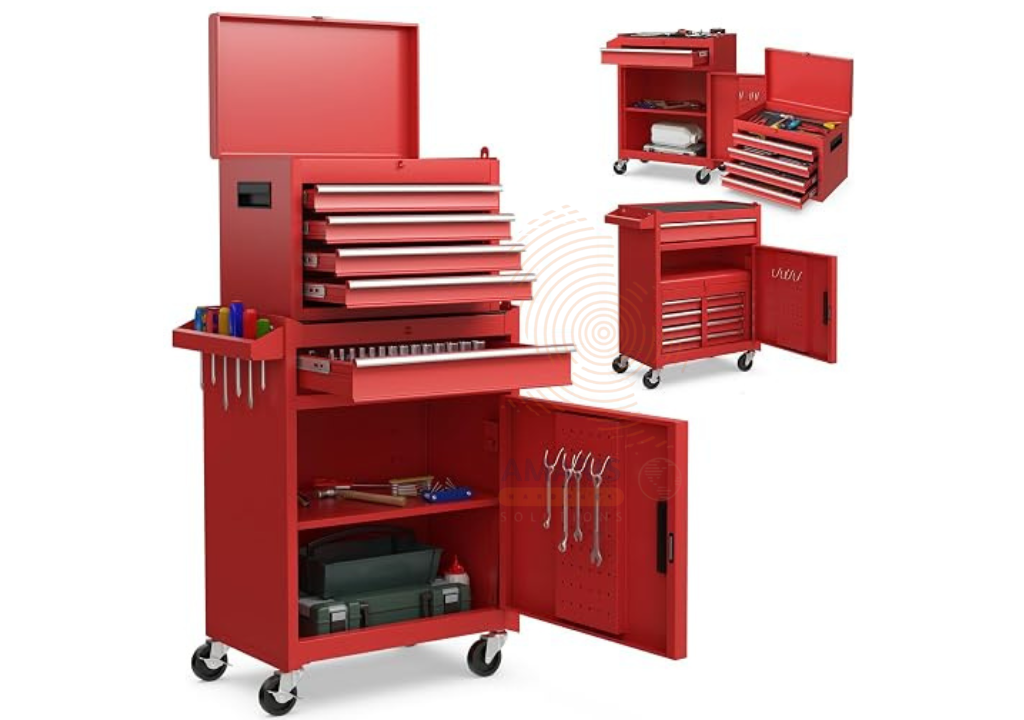
Proper storage is equally important. Many tools become damaged not because of heavy use, but because they are left exposed to moisture, direct sunlight, or harsh weather conditions. Rust and corrosion are common problems, especially for metal tools that are stored in damp environments. Keeping tools in a dry, organized toolbox or workshop helps protect them from unnecessary wear and tear. Investing in storage cabinets, toolboxes, or wall-mounted organizers can also prevent accidental damage and make tools easier to locate when needed.
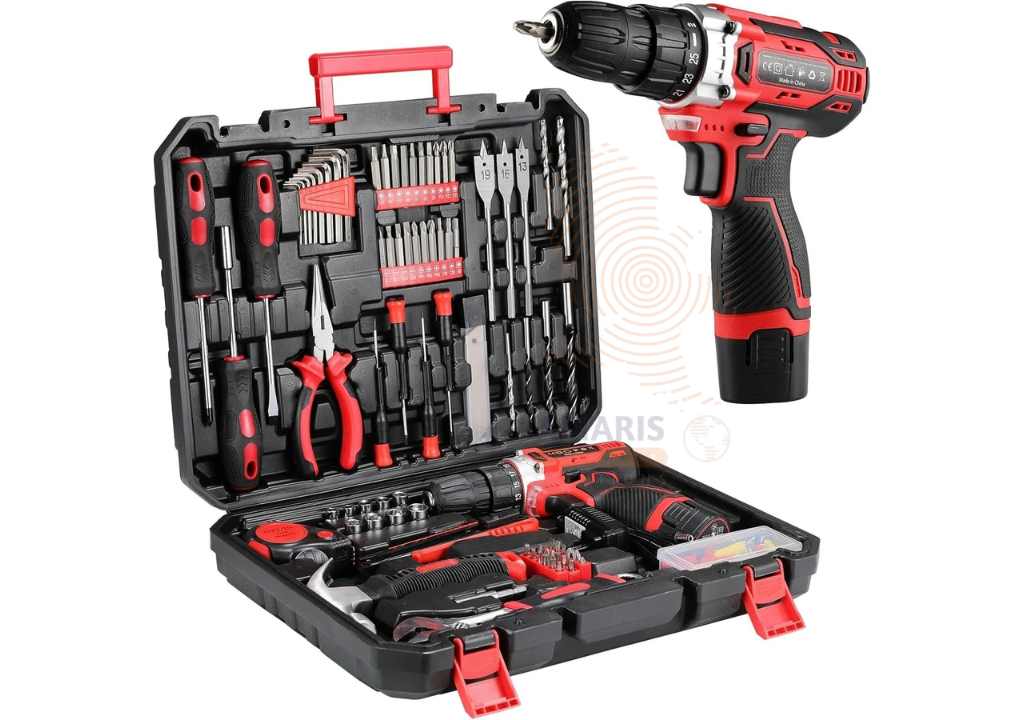
For power tools, regular inspection is essential. Before and after use, take a moment to check power cords, plugs, switches, batteries, and moving parts. Look for signs of damage, loose components, or unusual wear. Identifying small issues early can prevent larger, more expensive problems later. If a tool starts making unusual noises, vibrating excessively, or losing performance, it’s often a sign that maintenance or repairs are needed. ⚡
Lubrication is another simple yet effective way to extend tool life. Many construction tools contain moving parts that experience friction during operation. Applying the appropriate lubricant helps reduce wear, improve performance, and prevent rust. However, it’s important to use the correct lubricant recommended by the manufacturer, as using the wrong product can sometimes cause damage instead of preventing it.
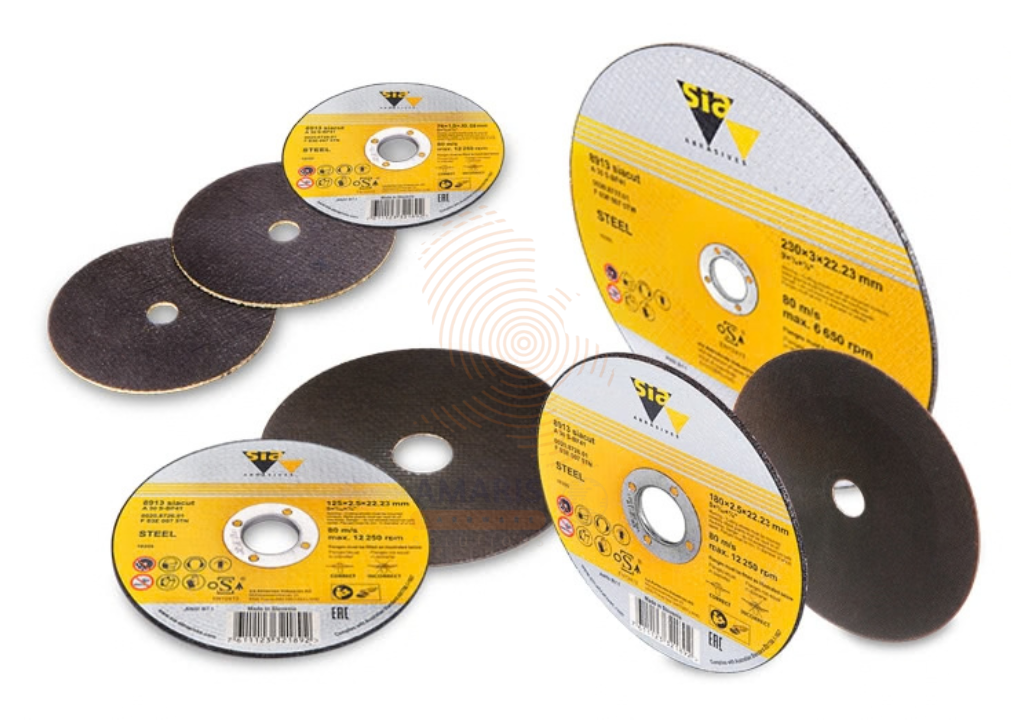
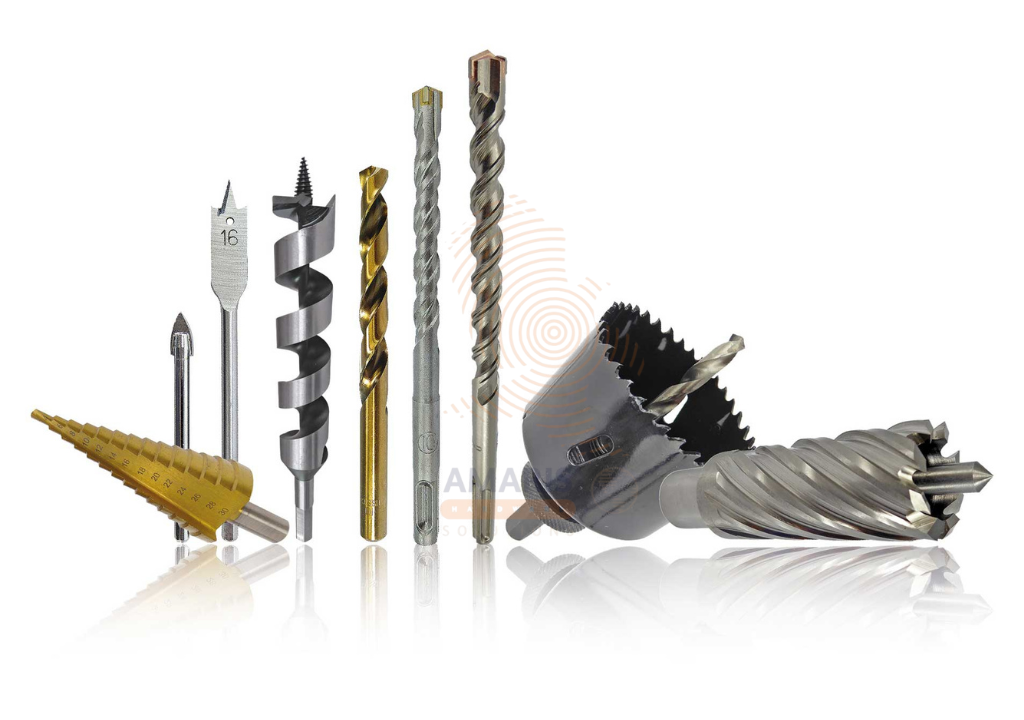
Sharp tools also deserve special attention. Blunt blades, worn drill bits, and dull cutting discs force equipment to work harder than necessary. This increases strain on motors and can reduce the quality of work. Regularly replacing or sharpening cutting accessories helps maintain efficiency and reduces stress on the tool itself. A well-maintained cutting tool not only performs better but is often safer to use as well. ✂️
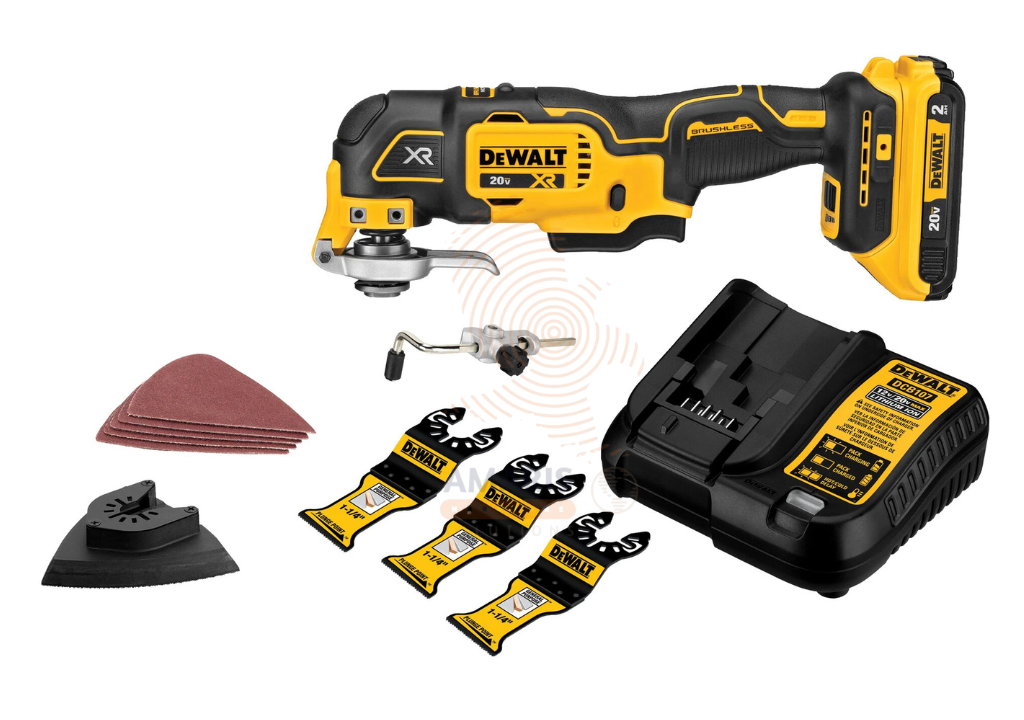
Battery-powered tools have become increasingly popular due to their convenience and mobility. To maximize battery life, avoid completely draining batteries before recharging whenever possible. Store batteries in a cool, dry place and use the charger recommended by the manufacturer. Proper battery care can significantly improve performance and extend the lifespan of cordless equipment. 🔋
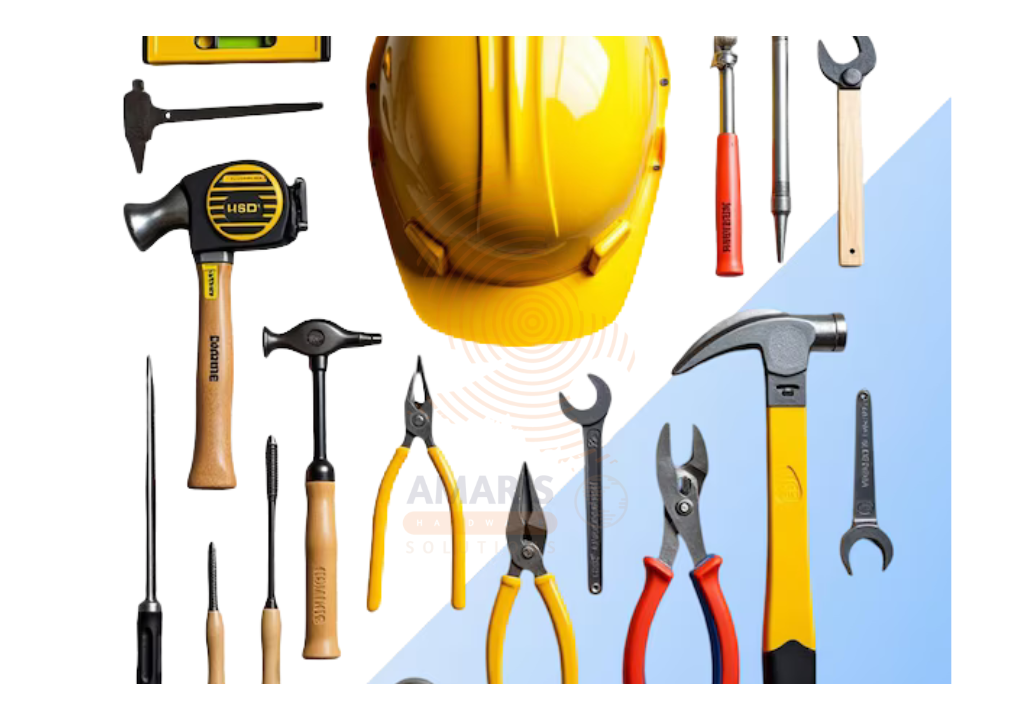
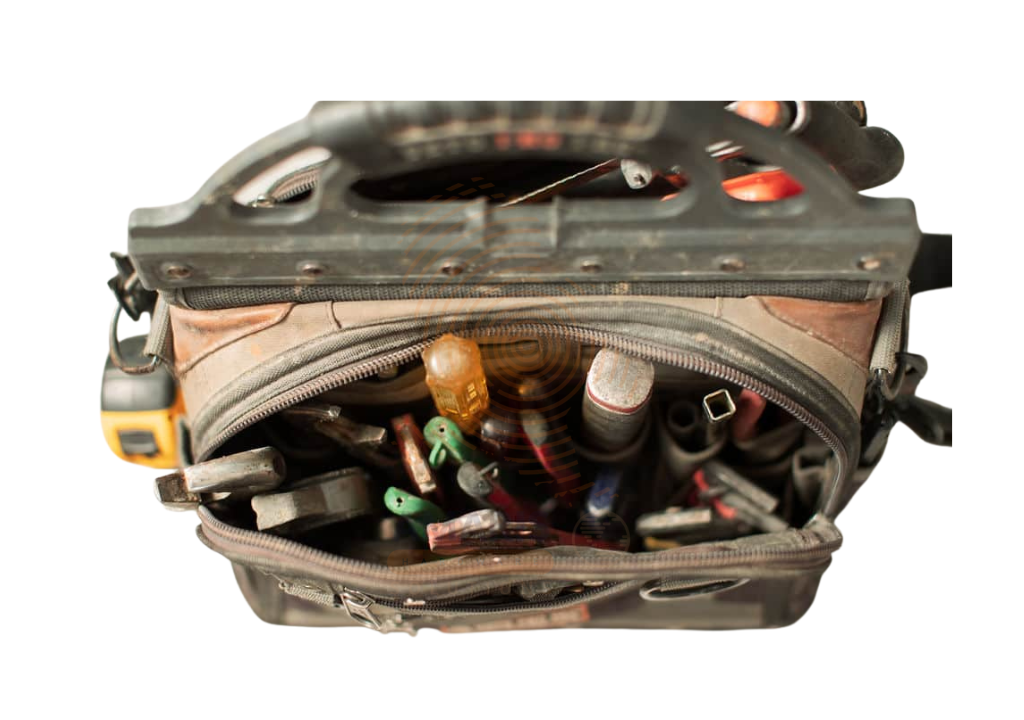
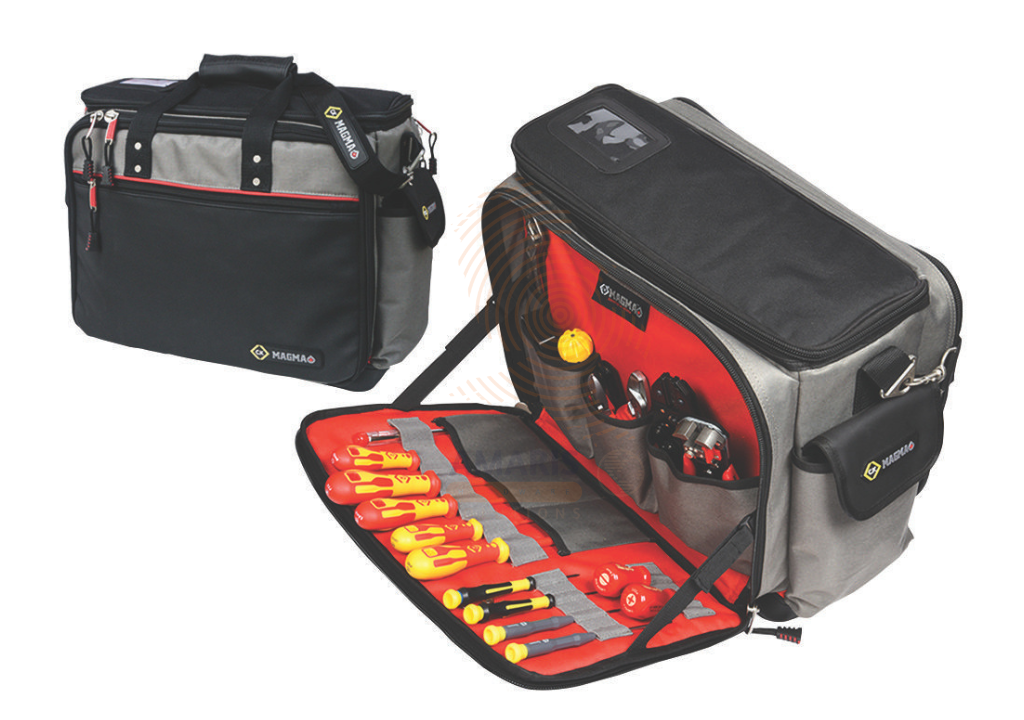
Safety and maintenance often go hand in hand. Using tools correctly according to their intended purpose reduces unnecessary wear and minimizes the risk of damage. For example, using an angle grinder to cut materials beyond its capacity or operating a drill with the wrong accessories can place excessive strain on the equipment. Following manufacturer guidelines and using the right tool for the right job helps ensure both safety and durability.
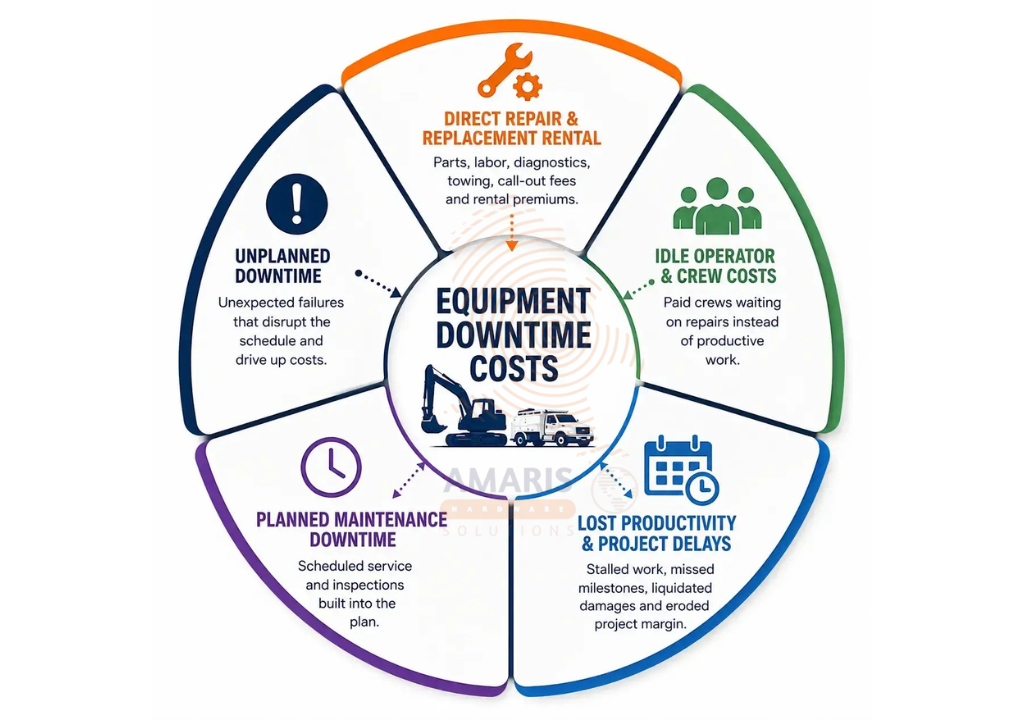
Routine maintenance may seem like a small task, but its benefits are substantial. Well-maintained tools perform more efficiently, deliver better results, and experience fewer breakdowns. For contractors and workshop owners, this means less downtime and greater productivity. For homeowners and DIY enthusiasts, it means fewer replacement costs and more reliable equipment when projects arise.
At a time when quality construction tools represent a significant investment, taking care of them simply makes good business sense. A few minutes of cleaning, inspection, lubrication, and proper storage can add years to the life of your equipment and keep it operating at peak performance. 🏗️
In the end, maintaining your construction tools isn’t just about protecting equipment—it’s about protecting your productivity, your budget, and the quality of your work. With consistent care and attention, your tools can continue delivering dependable performance project after project, year after year. ✨🔧