
 Acrylic Sealants
 Construction Adhesives
 Double-Sided Tape
 Duct Tape
 Electrical Tape
 Epoxy & Resins
 Silicone Sealants
 Masking Tape
 Automotive Wrenches & Socket Sets
 Battery Chargers & Jump Starters
 Car Jacks & Stands
 Car Wash & Detailing Products
 Diagnostic Tools
 Tire Inflators
 Vehicle Lighting
 Oil & Lubricants
 Adhesives & Sealants
 Bricks & Blocks
 Cement & Concrete
 Drywall & Plaster
 Flooring (Tiles, Wood, Laminate)
 Lumber & Plywood
 Paints, Primers & Coatings
 Insulation Materials
 Roofing Materials
 Circuit Breakers
 Electrical Cables & Wires
 Switches & Sockets
 Fuses & Relays
 Connectors & Terminals
 Electrical Boxes & Panels
 Conduit & Fittings
 Lighting Fixtures & Bulbs
 Extension Cords & Power Strips
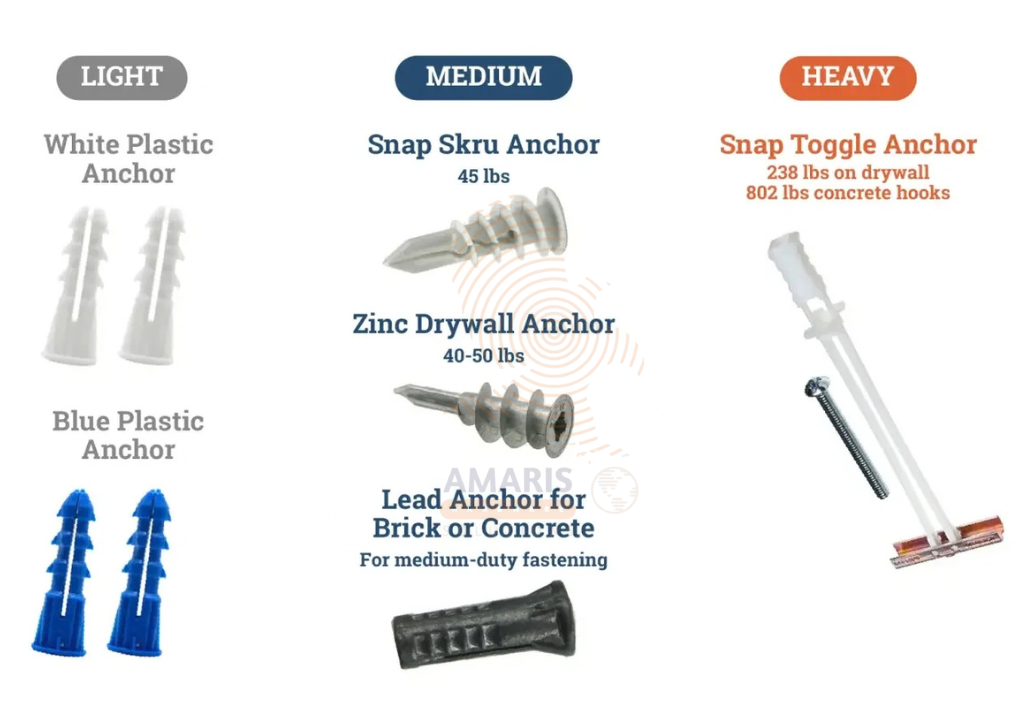
 Anchors
 Bolts
Bolts Clips & Clamps
 Screws
 Nuts
Nuts Washers
 Rivets
 Nails
Nails Threaded Rods
 Hammers
 Measuring Tools (Tapes, Levels, Calipers)
 Screwdrivers
 Pliers & Cutters
 Saws & Blades
 Chisels & Punches
 Allen Keys & Hex Keys
 Ratchets & Socket Sets
 Wrenches & Spanners
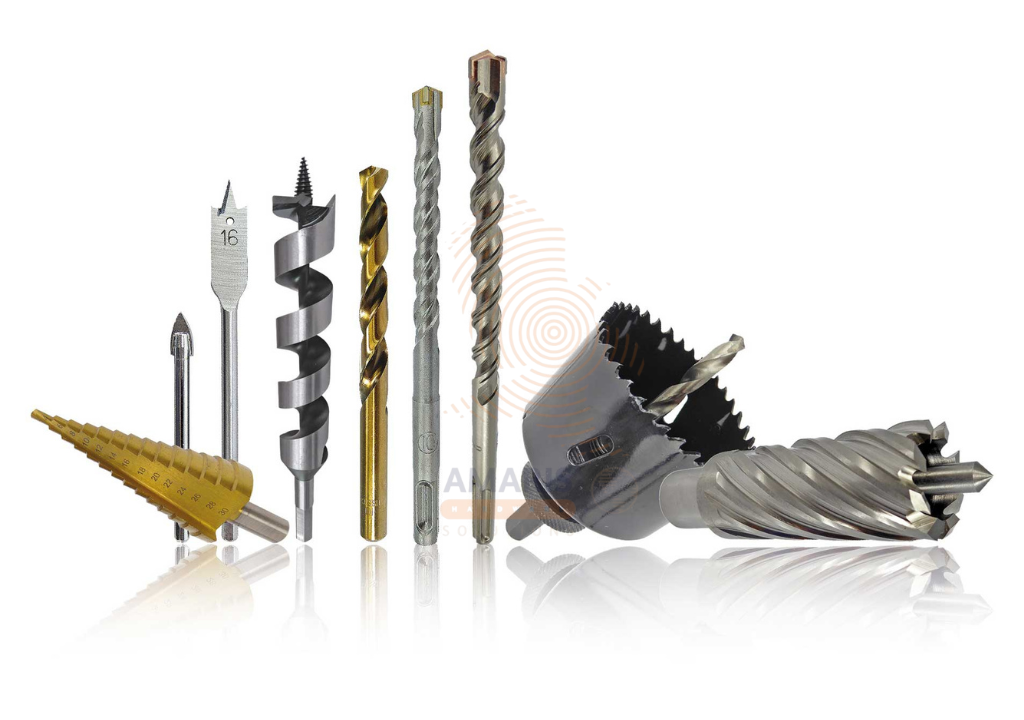
 Power Tool Accessories (Blades, Bits, Discs)
 Rotary Tools
 Saws (Circular, Jigsaw, Reciprocating)
 Drills & Drivers
 Grinders & Sanders
 Heat Guns
 Nail Guns
 Impact Wrenches
 Batteries & Chargers
 Pipes & Fittings (PVC, Copper, PEX)
 Plumbing Tools
 Pumps & Motors
 Sealants & Adhesives for Plumbing
 Valves & Taps
 Water Heaters
 Drainage Systems
 Faucets & Fixtures
 Hoses & Tubing
 Hinges & Latches
 Hooks & Brackets
 Window Hardware
 Chains & Cables
 Casters & Wheels
 Shelving & Storage Systems
 Door Handles & Locks
 Drawer Slides & Cabinet Hardware
 Personal Protective Equipment (PPE)
 Respirators & Masks
 Safety Glasses
 Safes
Safes Security Cameras
 Gloves
 Helmets
 Ear Protection
 Fire Safety Equipment
 Locks & Padlocks
 Motion Sensors & Alarms
 Garden Fencing
 Garden Furniture Hardware
 Lawn Mowers
 Trimmers & Edgers
 Shovels & Spades
 Rakes & Hoes
 Pruning Shears & Loppers
 Watering Systems (Hoses, Sprinklers, Nozzles)
 Interior Paints
 Paint Brushes & Rollers
 Paint Strippers & Thinners
 Paint Trays & Accessories
 Exterior Paints
 Spray Paints
 Primers & Undercoats
 Varnishes & Stains
 Gaskets & Seals
 Hydraulic Fittings
 Industrial Fasteners
 Industrial Hoses
 Lubricants & Greases
 Metal Sheets & Bars
 Bearings & Bushings
 Belts & Pulleys
 HVAC Filters
 Insulation for HVAC
 Air Conditioners
 Refrigerants
 Ventilation Ducts & Fittings
 Thermostats & Controllers
 Fans & Blowers
 Pegboards & Hooks
 Shelving Units
 Storage Bins & Containers
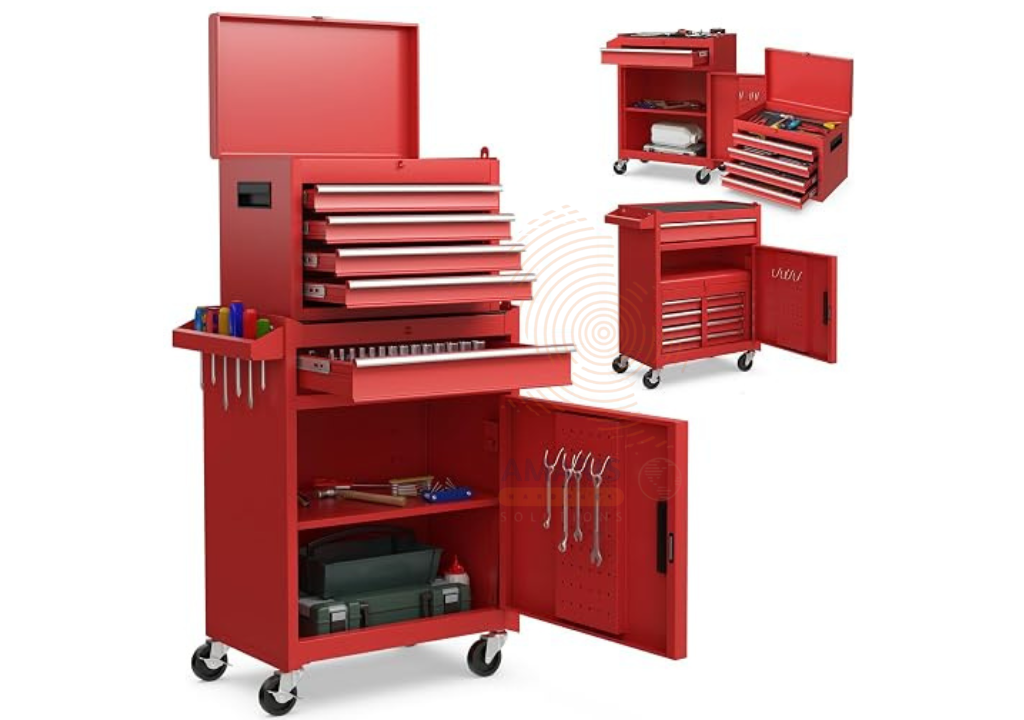
 Toolboxes & Tool Chests
 Workbenches
 Drawer Organizers
 Labeling Supplies
 Welding Accessories (Clamps, Brushes)
 Welding Electrodes & Rods
 Welding Helmets & Gloves
 Welding Machines
 Soldering Irons & Stations
 Flux & Solder Wire
 Generator Accessories
 Inverters
 Portable Generators
 Power Inverters
 Transfer Switches
 Diesel & Gasoline Generators
 Transport Equipment: Carts, Dollies, and Hand Trucks
 Storage Solutions: Pallets, Racks, and Containers
 Lifting Equipment: Hoists, Cranes, and Jacks
 Conveyors & Accessories: Belts & Rollers
 Office Chairs
📈🏗️ Why the Cost of Building Materials Keeps Changing in Kenya

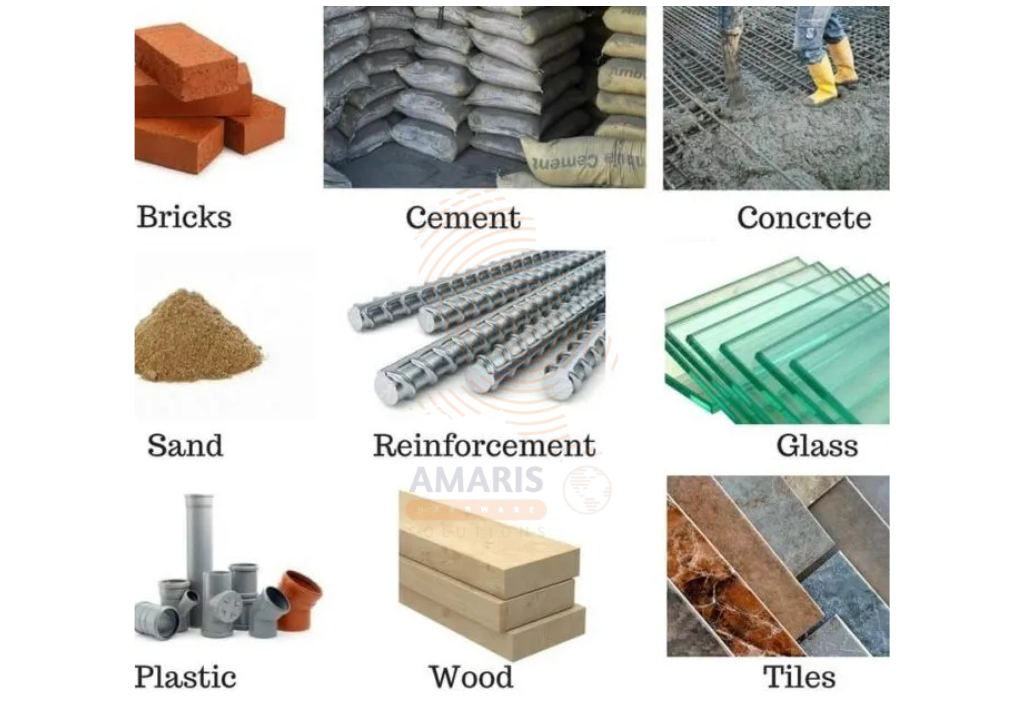
If you’ve recently started building a home, renovating a property, or managing a construction project, you’ve probably noticed that the price of building materials rarely stays the same for long. One month, the cost of cement, steel bars, roofing sheets, or electrical supplies may seem reasonable, and the next, prices have increased unexpectedly. For contractors, developers, and homeowners across Kenya, these fluctuations can significantly affect project budgets and timelines. 🔨
So, why do building material prices keep changing? The answer lies in a combination of economic factors, global market trends, seasonal demand, and supply chain challenges. Understanding these factors can help you plan your projects more effectively and make smarter purchasing decisions.
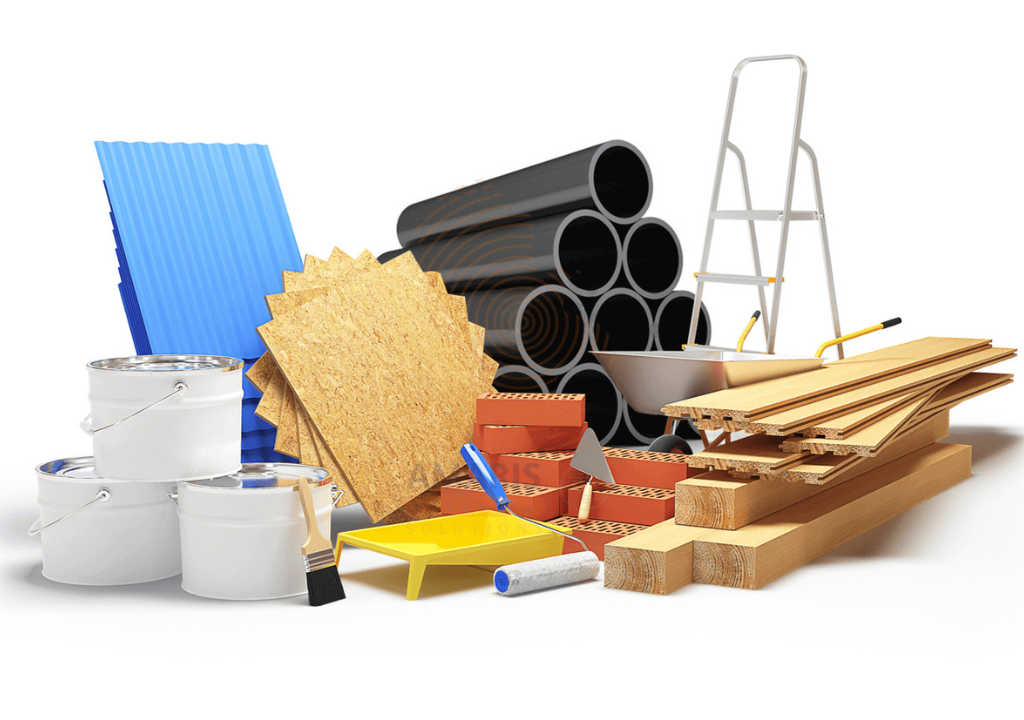
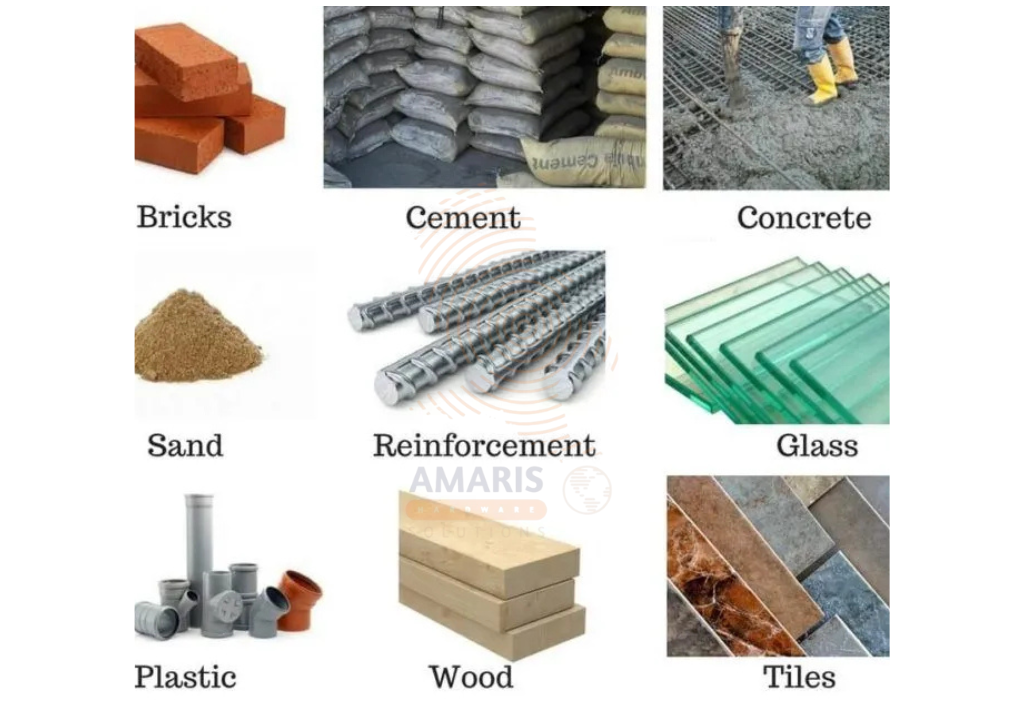
One of the biggest factors influencing prices is the cost of raw materials. Many construction products are manufactured using materials such as steel, aluminum, copper, cement, and petroleum-based products. When the prices of these raw materials rise in global markets, manufacturers often pass those additional costs on to suppliers and, eventually, to customers. Even products manufactured locally can be affected if some of their raw materials or components are imported. 🌍
Exchange rate fluctuations also play a major role. Kenya imports a wide range of construction equipment, power tools, machinery, and specialized building materials. When the Kenyan shilling weakens against major international currencies, importing these products becomes more expensive. As a result, hardware stores and distributors may adjust their prices to cover the increased import costs.
Transportation and fuel costs are another important factor. Building materials must be transported from factories, ports, or warehouses to hardware stores and construction sites across the country. When fuel prices increase, the cost of transporting cement, steel, timber, tiles, plumbing supplies, and other materials also rises. These additional logistics costs are often reflected in the final selling price paid by customers. 🚚
Supply and demand have a direct impact on pricing as well. During periods of increased construction activity, demand for popular materials can rise sharply. Large infrastructure projects, housing developments, and commercial buildings may increase demand for products like cement, reinforcement bars, aggregates, and electrical supplies. When demand outpaces supply, prices often increase until the market stabilizes.
Weather conditions can also influence the construction industry. Heavy rains may delay manufacturing, transportation, and construction activities, while prolonged dry seasons often lead to increased building activity. These seasonal patterns can affect both the availability and pricing of certain materials throughout the year.
Government policies and taxes sometimes contribute to price changes too. Adjustments to import duties, taxes, regulatory requirements, or infrastructure policies can affect manufacturing and distribution costs. While these changes may support long-term economic development, they can also influence short-term pricing across the construction sector.
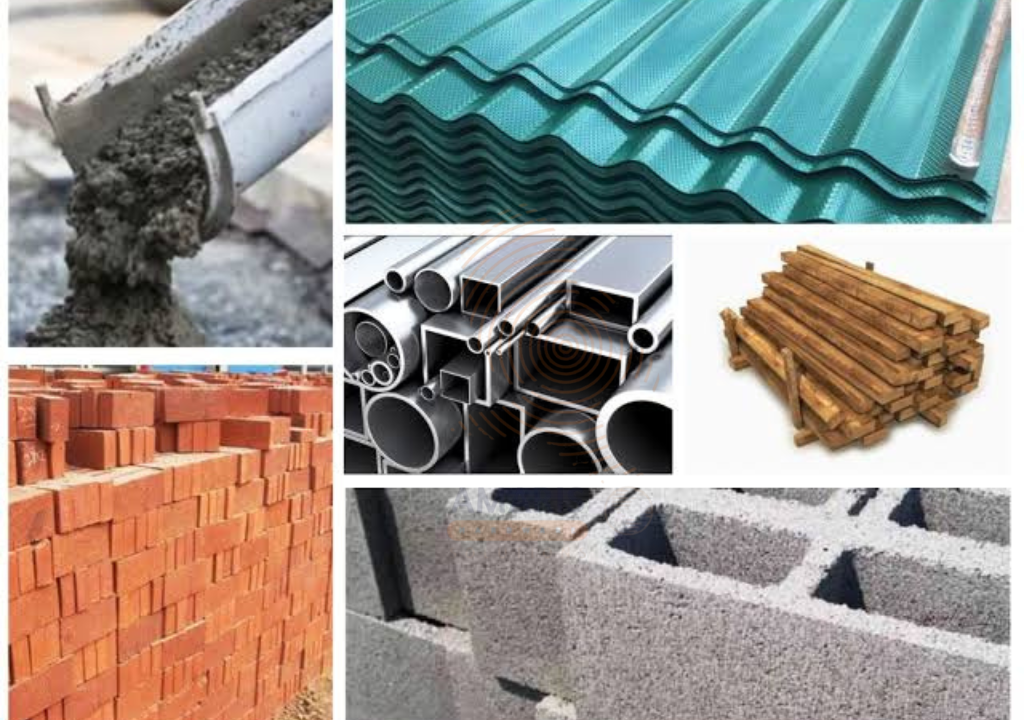
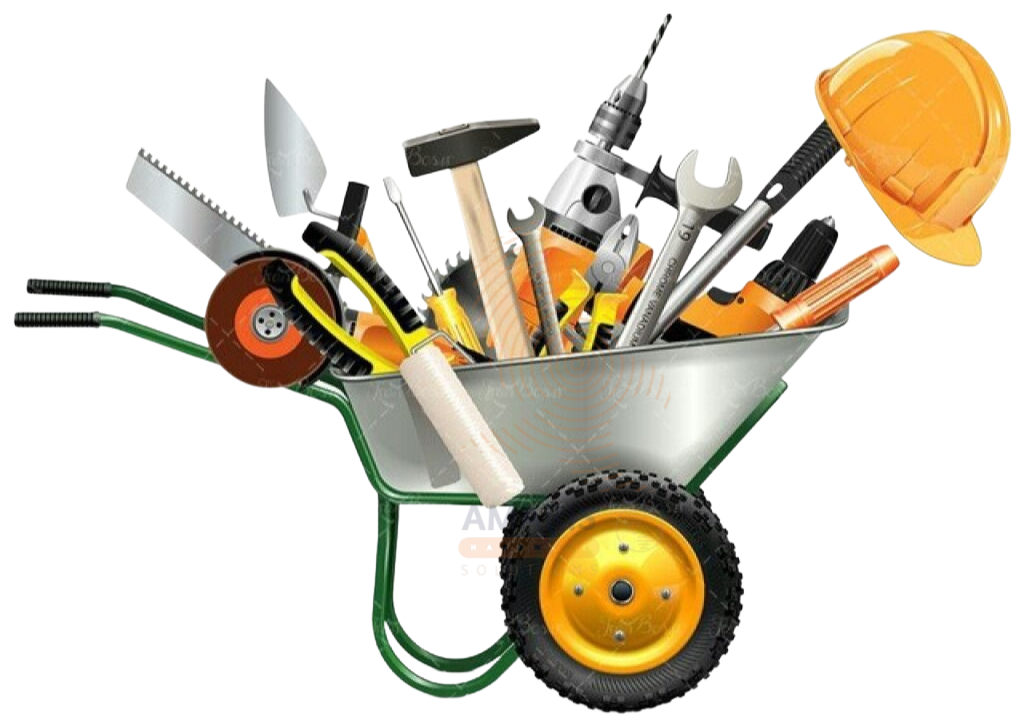
Global events have become another major influence on local prices. International supply chain disruptions, shipping delays, rising freight charges, and changes in worldwide demand can all impact the availability and cost of imported construction products. Even when these events occur thousands of kilometres away, they can still affect the prices seen in Kenyan hardware stores. 🌐
Another factor that buyers sometimes overlook is product quality. While lower-priced materials may appear attractive, they don’t always provide the same durability or performance as higher-quality alternatives. Investing in reliable materials and trusted brands often reduces maintenance costs and replacement expenses over the life of a building. Looking beyond the initial purchase price can provide better long-term value.
For contractors and homeowners, careful planning is one of the best ways to manage changing material costs. Preparing accurate budgets, purchasing materials in phases, monitoring market trends, and working with reputable hardware suppliers can help reduce unexpected surprises during construction. Comparing product quality alongside pricing also helps ensure you’re making informed decisions rather than simply choosing the lowest-cost option. 📋
Although no one can completely predict future price movements, staying informed about the factors that influence the market allows builders to adapt more effectively. Construction projects are significant investments, and understanding why prices change can help you plan smarter, negotiate better, and minimize unnecessary delays.
As Kenya continues to experience rapid urban growth and increased demand for housing and infrastructure, building material prices will continue to respond to both local and global economic conditions. By keeping an eye on market trends and sourcing quality materials from reliable suppliers, homeowners, contractors, and developers can navigate these changes with greater confidence and keep their projects moving forward successfully. 🏡🏗️