
 Acrylic Sealants
 Construction Adhesives
 Double-Sided Tape
 Duct Tape
 Electrical Tape
 Epoxy & Resins
 Silicone Sealants
 Masking Tape
 Automotive Wrenches & Socket Sets
 Battery Chargers & Jump Starters
 Car Jacks & Stands
 Car Wash & Detailing Products
 Diagnostic Tools
 Tire Inflators
 Vehicle Lighting
 Oil & Lubricants
 Adhesives & Sealants
 Bricks & Blocks
 Cement & Concrete
 Drywall & Plaster
 Flooring (Tiles, Wood, Laminate)
 Lumber & Plywood
 Paints, Primers & Coatings
 Insulation Materials
 Roofing Materials
 Circuit Breakers
 Electrical Cables & Wires
 Switches & Sockets
 Fuses & Relays
 Connectors & Terminals
 Electrical Boxes & Panels
 Conduit & Fittings
 Lighting Fixtures & Bulbs
 Extension Cords & Power Strips
 Anchors
 Bolts
Bolts Clips & Clamps
 Screws
 Nuts
Nuts Washers
 Rivets
 Nails
Nails Threaded Rods
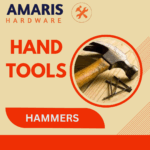 Hammers
 Measuring Tools (Tapes, Levels, Calipers)
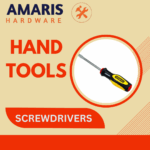 Screwdrivers
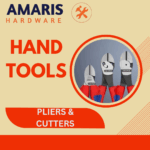 Pliers & Cutters
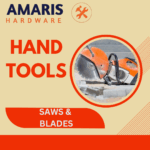 Saws & Blades
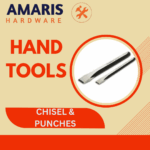 Chisels & Punches
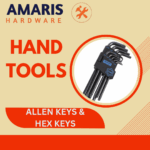 Allen Keys & Hex Keys
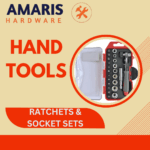 Ratchets & Socket Sets
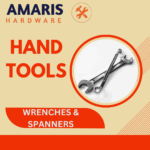 Wrenches & Spanners
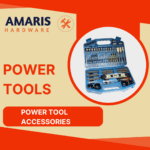 Power Tool Accessories (Blades, Bits, Discs)
 Rotary Tools
 Saws (Circular, Jigsaw, Reciprocating)
 Drills & Drivers
 Grinders & Sanders
 Heat Guns
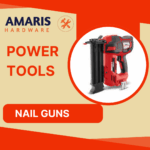 Nail Guns
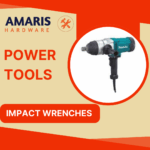 Impact Wrenches
 Batteries & Chargers
 Pipes & Fittings (PVC, Copper, PEX)
 Plumbing Tools
 Pumps & Motors
 Sealants & Adhesives for Plumbing
 Valves & Taps
 Water Heaters
 Drainage Systems
 Faucets & Fixtures
 Hoses & Tubing
 Hinges & Latches
 Hooks & Brackets
 Window Hardware
 Chains & Cables
 Casters & Wheels
 Shelving & Storage Systems
 Door Handles & Locks
 Drawer Slides & Cabinet Hardware
 Personal Protective Equipment (PPE)
 Respirators & Masks
 Safety Glasses
 Safes
Safes Security Cameras
 Gloves
 Helmets
 Ear Protection
 Fire Safety Equipment
 Locks & Padlocks
 Motion Sensors & Alarms
 Garden Fencing
 Garden Furniture Hardware
 Lawn Mowers
 Trimmers & Edgers
 Shovels & Spades
 Rakes & Hoes
 Pruning Shears & Loppers
 Watering Systems (Hoses, Sprinklers, Nozzles)
 Interior Paints
 Paint Brushes & Rollers
 Paint Strippers & Thinners
 Paint Trays & Accessories
 Exterior Paints
 Spray Paints
 Primers & Undercoats
 Varnishes & Stains
 Gaskets & Seals
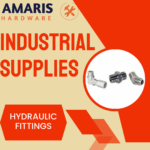 Hydraulic Fittings
 Industrial Fasteners
 Industrial Hoses
 Lubricants & Greases
 Metal Sheets & Bars
 Bearings & Bushings
 Belts & Pulleys
 HVAC Filters
 Insulation for HVAC
 Air Conditioners
 Refrigerants
 Ventilation Ducts & Fittings
 Thermostats & Controllers
 Fans & Blowers
 Pegboards & Hooks
 Shelving Units
 Storage Bins & Containers
 Toolboxes & Tool Chests
 Workbenches
 Drawer Organizers
 Labeling Supplies
 Welding Accessories (Clamps, Brushes)
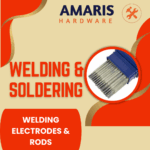 Welding Electrodes & Rods
 Welding Helmets & Gloves
 Welding Machines
 Soldering Irons & Stations
 Flux & Solder Wire
 Generator Accessories
 Inverters
 Portable Generators
 Power Inverters
 Transfer Switches
 Diesel & Gasoline Generators
 Transport Equipment: Carts, Dollies, and Hand Trucks
 Storage Solutions: Pallets, Racks, and Containers
 Lifting Equipment: Hoists, Cranes, and Jacks
 Conveyors & Accessories: Belts & Rollers
 Office Chairs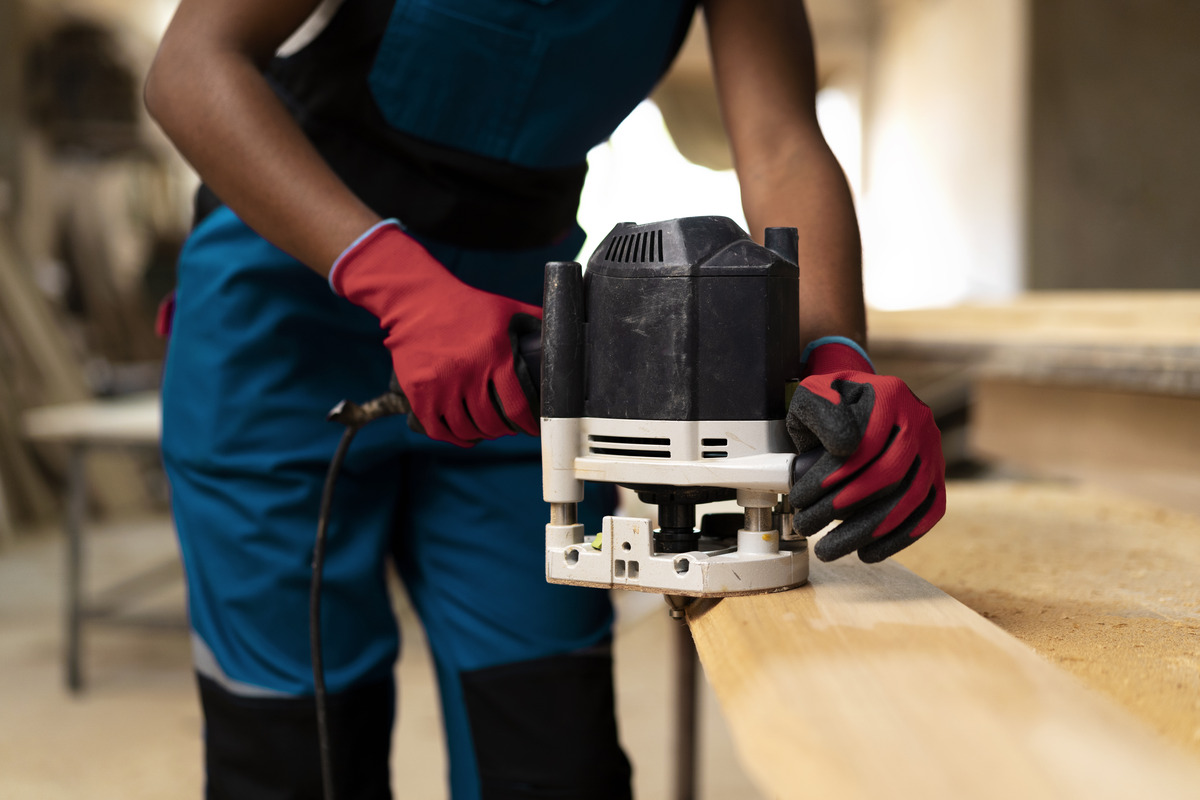
🔧🧠 Why Do Some Tools Have Such Strange Shapes? The Science Behind Tool Design

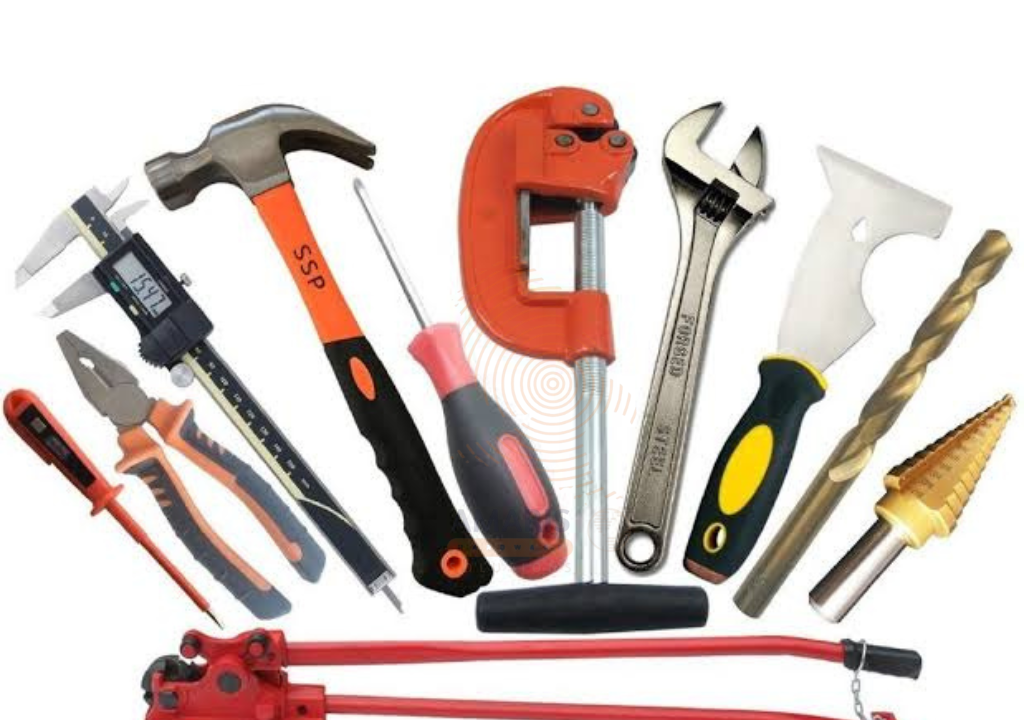
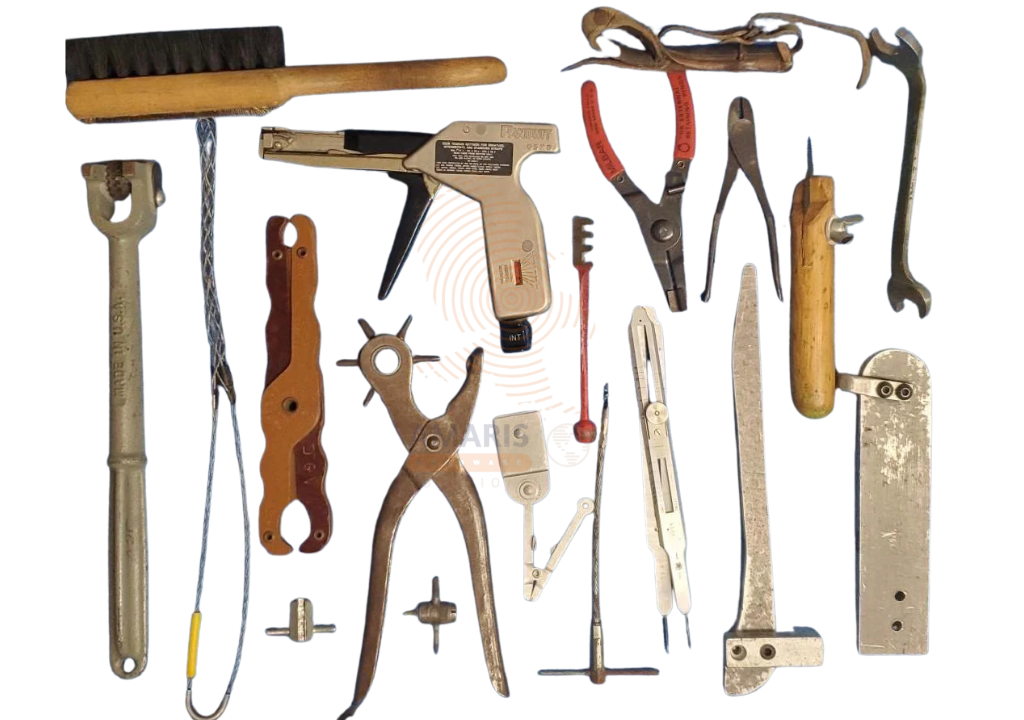
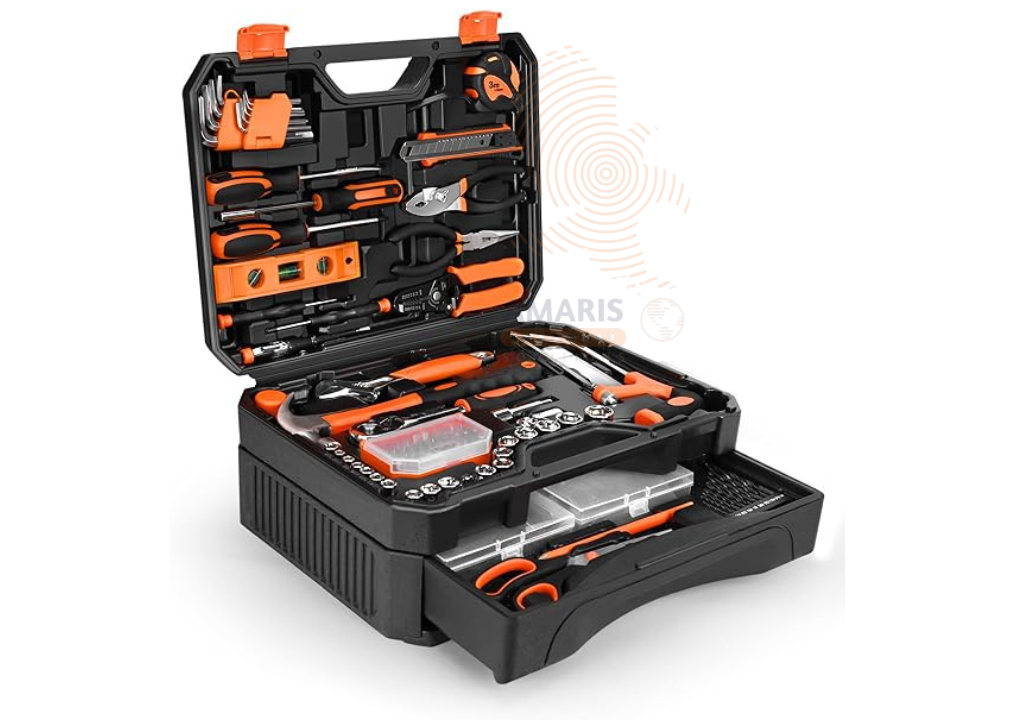
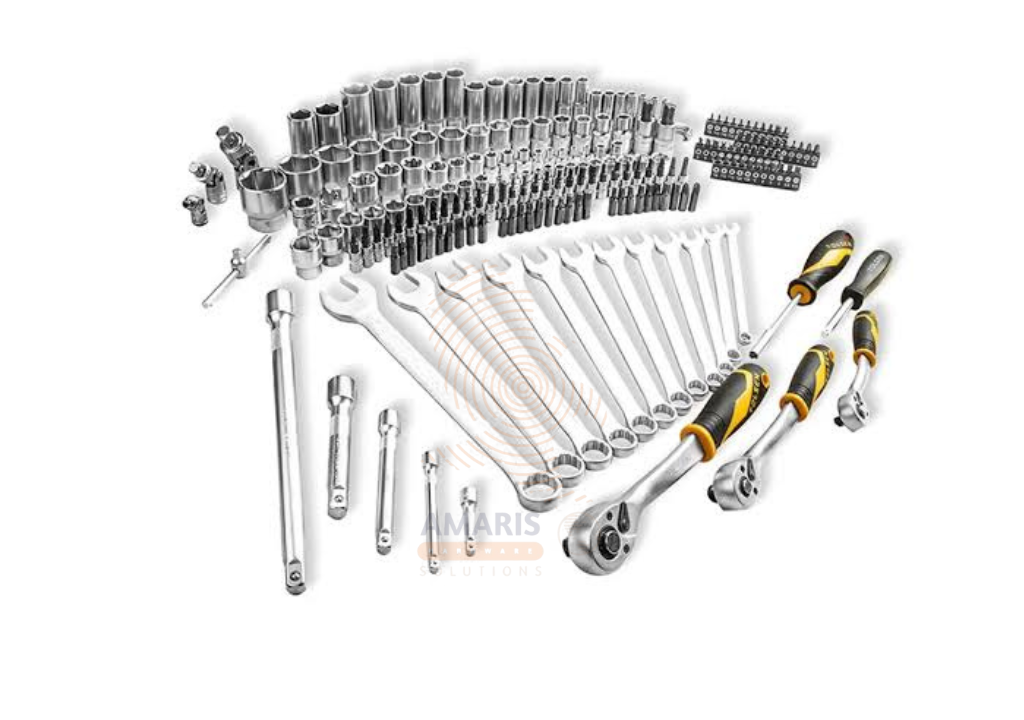
Have you ever picked up a tool and wondered, “Why is this shaped like that?” Some tools have curved handles, angled heads, long narrow bodies, unusual jaws, or designs that look almost strange until you understand what they are meant to do. From locking pliers and pipe wrenches to claw hammers and offset spanners, the world of hardware is full of tools with shapes that may seem unusual at first glance.
The truth is that most tool designs are not random. Behind every curve, angle, groove, handle, and moving part is a combination of engineering, safety, comfort, physics, and practicality. 🛠️ A strangely shaped tool often exists because someone encountered a difficult problem and needed a better way to solve it.
Understanding the science behind tool design can also help users choose the right equipment and use it more effectively. After all, a tool’s shape often tells you exactly what it was designed to do.
One of the most obvious examples is the claw hammer. Why does one side have a flat striking surface while the other curves into a split claw? The answer is versatility. The flat face is designed to drive nails into wood, while the curved claw provides leverage for removing them. The shape allows a user to perform two completely different tasks with one tool. 🔨
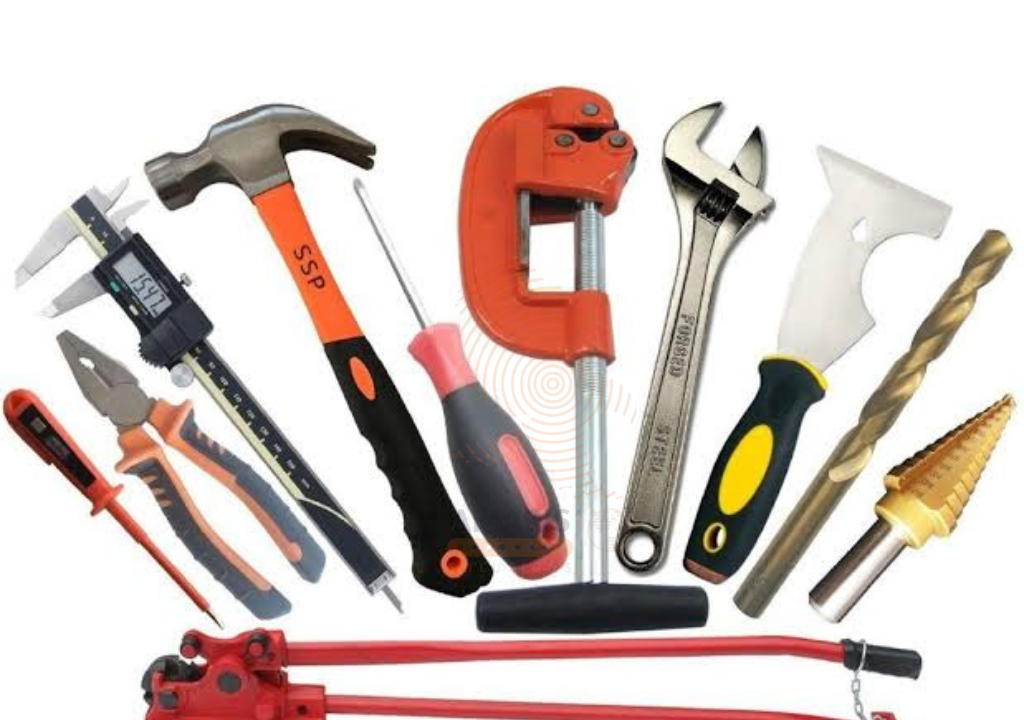
The curved claw is especially important because it creates leverage. When positioned correctly beneath a nail, the hammer handle acts as a lever, allowing the user to remove the nail with far less effort. What may look like a strange curved hook is actually a simple example of mechanical advantage at work.
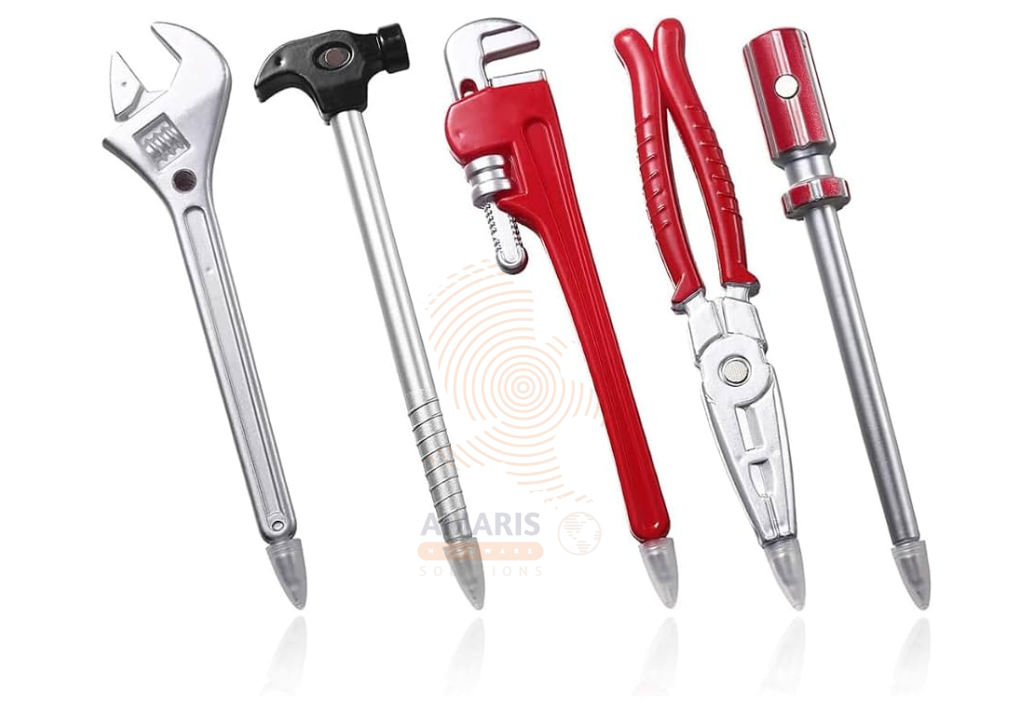
Another interesting example is the pipe wrench. Unlike an ordinary spanner, a pipe wrench has large, adjustable jaws with sharp teeth. This unusual design allows it to grip round pipes securely. A smooth jaw would simply slip around a metal pipe, especially when significant force is applied. The angled jaws and serrated teeth increase grip and help the user apply turning force without constantly losing control. ⚙️
Then there are locking pliers, which look much more complicated than standard pliers. Their strange combination of handles, adjustment screws, and locking mechanisms serves a very practical purpose. Once adjusted, the jaws can clamp tightly onto an object and remain locked in position without the user continuously squeezing the handles. This makes them useful when holding, gripping, clamping, or removing stubborn components.
Some tools have unusual shapes simply because they are designed to reach places where ordinary tools cannot. Think about an offset spanner or a flexible shaft extension. Their bends and angles allow users to access bolts, screws, and components located behind machinery, inside engines, or in tight corners. A straight tool may be easier to manufacture, but it isn’t always useful when space is limited.
Ergonomics is another major reason why tools look the way they do. A tool must not only perform its job—it must also be comfortable and safe for a human being to use. This is why many modern power tools have curved handles, rubberized grips, and carefully balanced bodies. These features help reduce hand fatigue and improve control during long working hours. ✋
Imagine using an angle grinder with a completely smooth, straight handle and no side grip. Controlling it would be much more difficult and potentially dangerous. The additional handle provides better stability, allowing the user to guide the tool with greater precision. Its overall design takes into account the forces created when cutting or grinding materials.
Tool designers also have to think about weight distribution. A tool that is too heavy at one end can be uncomfortable and difficult to control. A poorly balanced hammer, drill, or saw may increase fatigue and reduce accuracy. Engineers therefore carefully consider where the motor, battery, handle, and other components should be positioned.
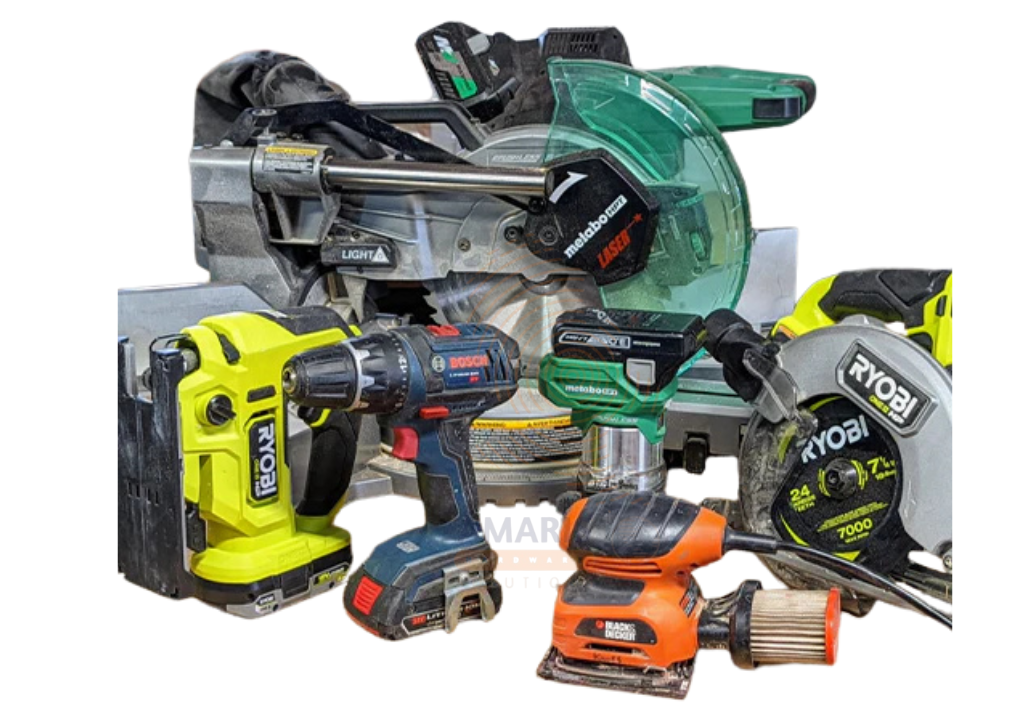
This is particularly important in cordless power tools. 🔋 Batteries add weight, so manufacturers must design the tool in a way that balances power with comfort. The strange-looking shape of a cordless drill, for example, is largely influenced by the need to fit a motor, gearbox, trigger, battery, and grip into one compact and usable machine.
Some tool shapes are also designed around the materials they work with. A hole saw is shaped like a cylinder because it needs to cut a perfectly round opening. A chisel has a thin, sharpened edge because it concentrates force onto a small area. Pliers have long handles and shorter jaws to create leverage, allowing the user to apply a strong gripping force with relatively little effort.
The science of leverage appears throughout the hardware world. Long handles on bolt cutters, loppers, and heavy-duty pliers aren’t there just to make the tools look impressive. They help multiply the force applied by the user. 💪 This means a person can cut, grip, or bend tough materials without needing extraordinary physical strength.
Safety also influences tool design. Guards on circular saws, protective covers on angle grinders, insulated handles on electrical tools, and ergonomic grips all exist to reduce the risks associated with using powerful equipment. Sometimes, the “extra” part of a tool that looks unnecessary may actually be one of its most important safety features.
As technology continues to advance, tool designs are becoming even more specialized. Manufacturers now use computer modeling, advanced materials, and ergonomic research to create tools that are lighter, stronger, more comfortable, and easier to control. Brushless motors, improved battery systems, vibration-reduction technology, and compact designs are changing not only how tools perform but also how they look. ⚡
The next time you see a strangely shaped tool on a hardware shelf, take a closer look before judging its design. That unusual curve may provide extra leverage. That angled head may help reach an impossible corner. Those serrated jaws may be designed to grip a specific material. Every unusual feature has the potential to solve a real-world problem.
In the end, great tool design is where science meets practical problem-solving. The best tools are not always the simplest-looking ones, but they are designed to make difficult tasks easier, safer, and more efficient. So, whether you’re a professional contractor, mechanic, fundi, or DIY enthusiast, understanding why tools are shaped the way they are can help you appreciate the clever engineering hiding inside even the strangest-looking piece of equipment. 🔧✨