
 Acrylic Sealants
 Construction Adhesives
 Double-Sided Tape
 Duct Tape
 Electrical Tape
 Epoxy & Resins
 Silicone Sealants
 Masking Tape
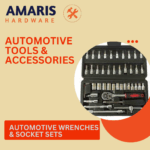 Automotive Wrenches & Socket Sets
 Battery Chargers & Jump Starters
 Car Jacks & Stands
 Car Wash & Detailing Products
 Diagnostic Tools
 Tire Inflators
 Vehicle Lighting
 Oil & Lubricants
 Adhesives & Sealants
 Bricks & Blocks
 Cement & Concrete
 Drywall & Plaster
 Flooring (Tiles, Wood, Laminate)
 Lumber & Plywood
 Paints, Primers & Coatings
 Insulation Materials
 Roofing Materials
 Circuit Breakers
 Electrical Cables & Wires
 Switches & Sockets
 Fuses & Relays
 Connectors & Terminals
 Electrical Boxes & Panels
 Conduit & Fittings
 Lighting Fixtures & Bulbs
 Extension Cords & Power Strips
 Anchors
 Bolts
Bolts Clips & Clamps
 Screws
 Nuts
Nuts Washers
 Rivets
 Nails
Nails Threaded Rods
 Hammers
 Measuring Tools (Tapes, Levels, Calipers)
 Screwdrivers
 Pliers & Cutters
 Saws & Blades
 Chisels & Punches
 Allen Keys & Hex Keys
 Ratchets & Socket Sets
 Wrenches & Spanners
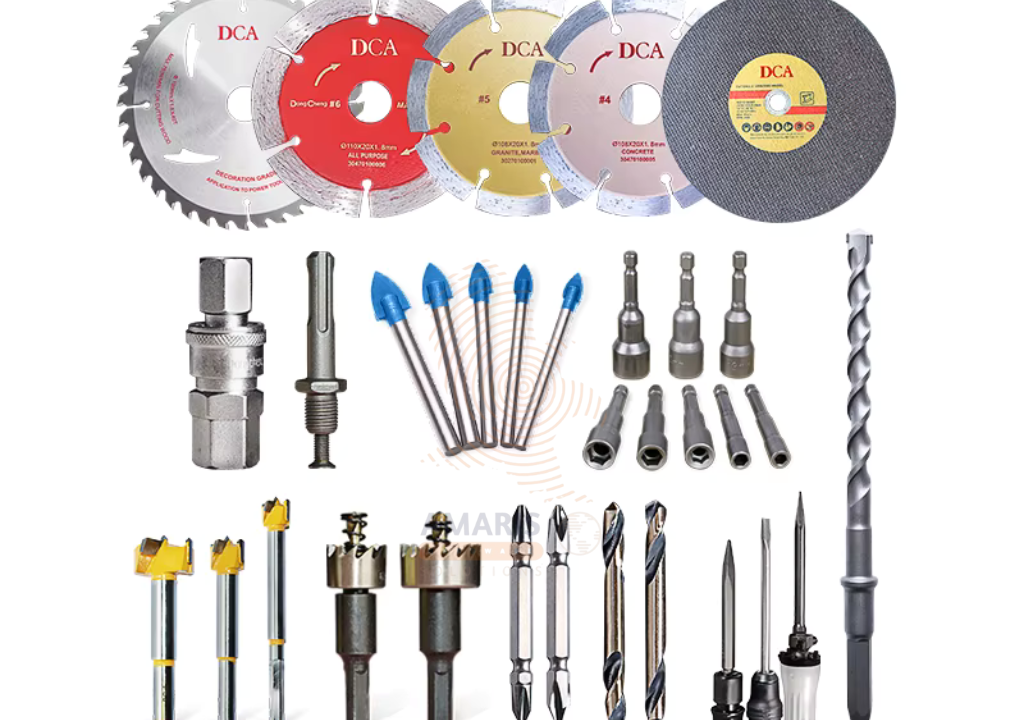
 Power Tool Accessories (Blades, Bits, Discs)
 Rotary Tools
 Saws (Circular, Jigsaw, Reciprocating)
 Drills & Drivers
 Grinders & Sanders
 Heat Guns
 Nail Guns
 Impact Wrenches
 Batteries & Chargers
 Pipes & Fittings (PVC, Copper, PEX)
 Plumbing Tools
 Pumps & Motors
 Sealants & Adhesives for Plumbing
 Valves & Taps
 Water Heaters
 Drainage Systems
 Faucets & Fixtures
 Hoses & Tubing
 Hinges & Latches
 Hooks & Brackets
 Window Hardware
 Chains & Cables
 Casters & Wheels
 Shelving & Storage Systems
 Door Handles & Locks
 Drawer Slides & Cabinet Hardware
 Personal Protective Equipment (PPE)
 Respirators & Masks
 Safety Glasses
 Safes
Safes Security Cameras
 Gloves
 Helmets
 Ear Protection
 Fire Safety Equipment
 Locks & Padlocks
 Motion Sensors & Alarms
 Garden Fencing
 Garden Furniture Hardware
 Lawn Mowers
 Trimmers & Edgers
 Shovels & Spades
 Rakes & Hoes
 Pruning Shears & Loppers
 Watering Systems (Hoses, Sprinklers, Nozzles)
 Interior Paints
 Paint Brushes & Rollers
 Paint Strippers & Thinners
 Paint Trays & Accessories
 Exterior Paints
 Spray Paints
 Primers & Undercoats
 Varnishes & Stains
 Gaskets & Seals
 Hydraulic Fittings
 Industrial Fasteners
 Industrial Hoses
 Lubricants & Greases
 Metal Sheets & Bars
 Bearings & Bushings
 Belts & Pulleys
 HVAC Filters
 Insulation for HVAC
 Air Conditioners
 Refrigerants
 Ventilation Ducts & Fittings
 Thermostats & Controllers
 Fans & Blowers
 Pegboards & Hooks
 Shelving Units
 Storage Bins & Containers
 Toolboxes & Tool Chests
 Workbenches
 Drawer Organizers
 Labeling Supplies
 Welding Accessories (Clamps, Brushes)
 Welding Electrodes & Rods
 Welding Helmets & Gloves
 Welding Machines
 Soldering Irons & Stations
 Flux & Solder Wire
 Generator Accessories
 Inverters
 Portable Generators
 Power Inverters
 Transfer Switches
 Diesel & Gasoline Generators
 Transport Equipment: Carts, Dollies, and Hand Trucks
 Storage Solutions: Pallets, Racks, and Containers
 Lifting Equipment: Hoists, Cranes, and Jacks
 Conveyors & Accessories: Belts & Rollers
 Office Chairs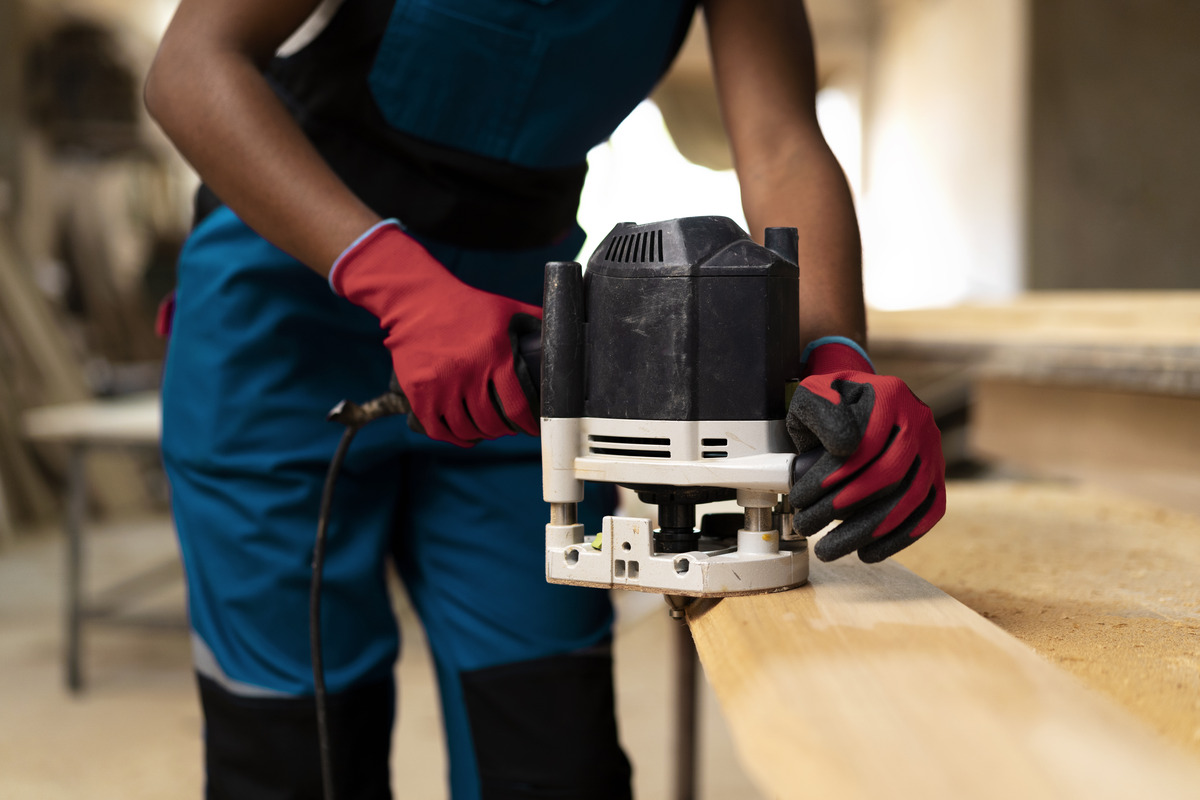
🔧🏠 How to Build a Workshop Without Buying Too Many Tools

Building your own workshop is an exciting project. Whether you’re interested in woodworking, repairs, metalwork, DIY projects, or general maintenance, having a dedicated workspace can make your projects easier and more enjoyable. But there’s one common mistake beginners make: buying too many tools too soon.
Walk into a hardware store and it’s easy to get carried away. There are drills, grinders, saws, wrenches, measuring tools, clamps, accessories, and dozens of specialized gadgets that all look useful. Before long, you can have a crowded toolbox filled with equipment you’ve barely touched. 🛠️
The smarter approach is to build your workshop gradually. Start with versatile tools that can handle several common tasks, then add specialized equipment only when your projects actually require it.
Begin with a solid workbench. Your workbench is the heart of the workshop, providing a stable surface for measuring, cutting, assembling, repairing, and modifying materials. It doesn’t need to be expensive or complicated. What matters most is that it is strong, stable, and provides enough working space for your projects.
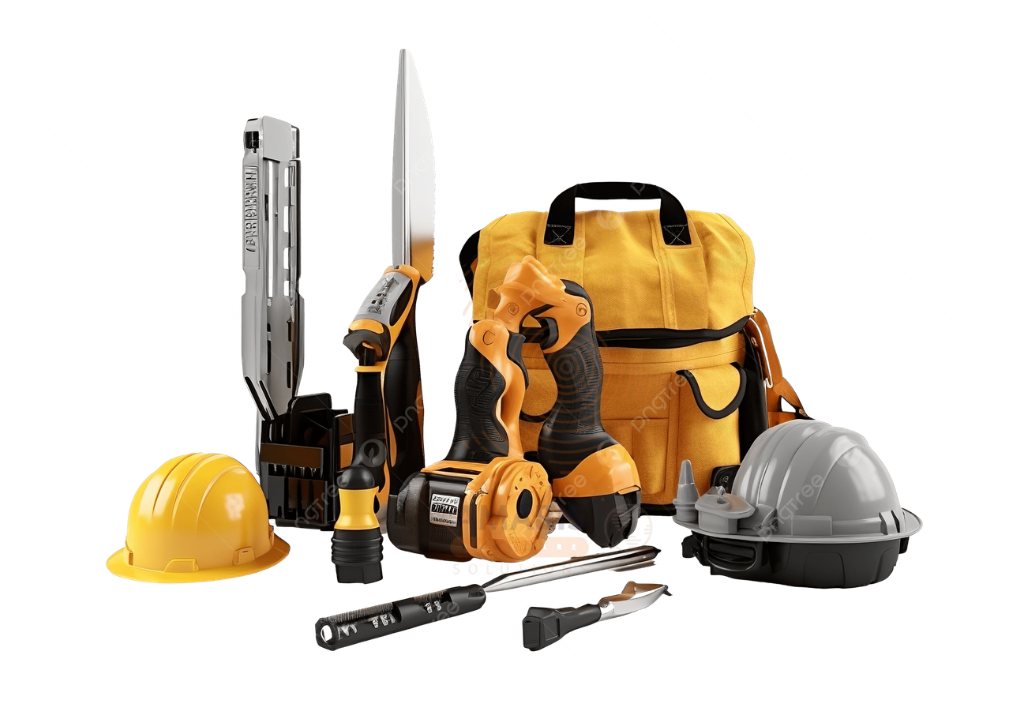
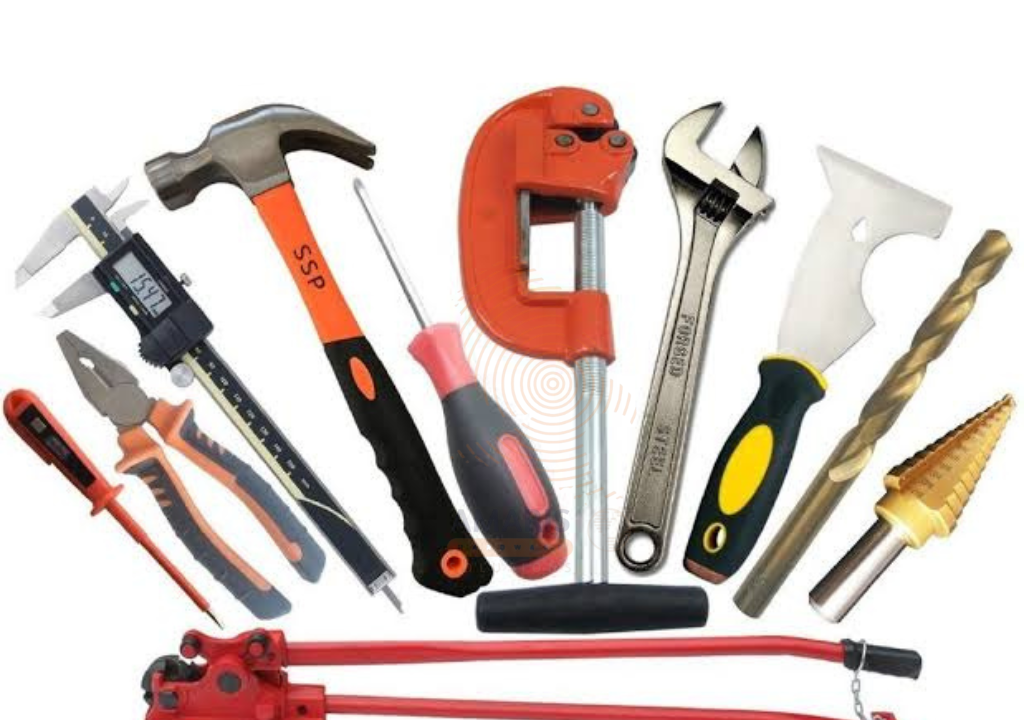
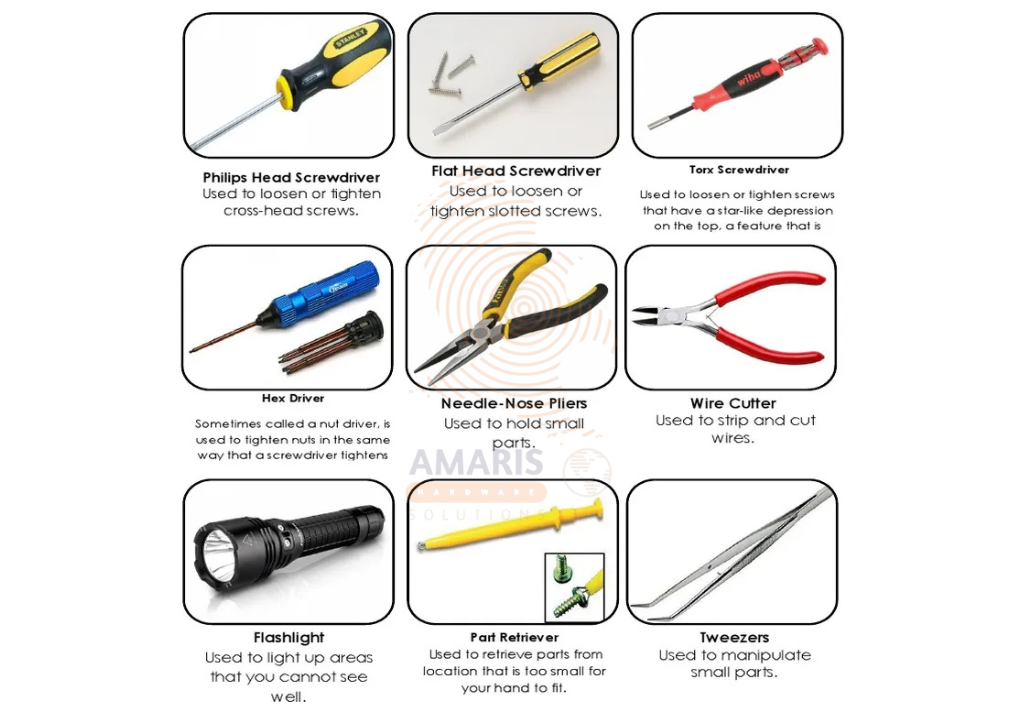
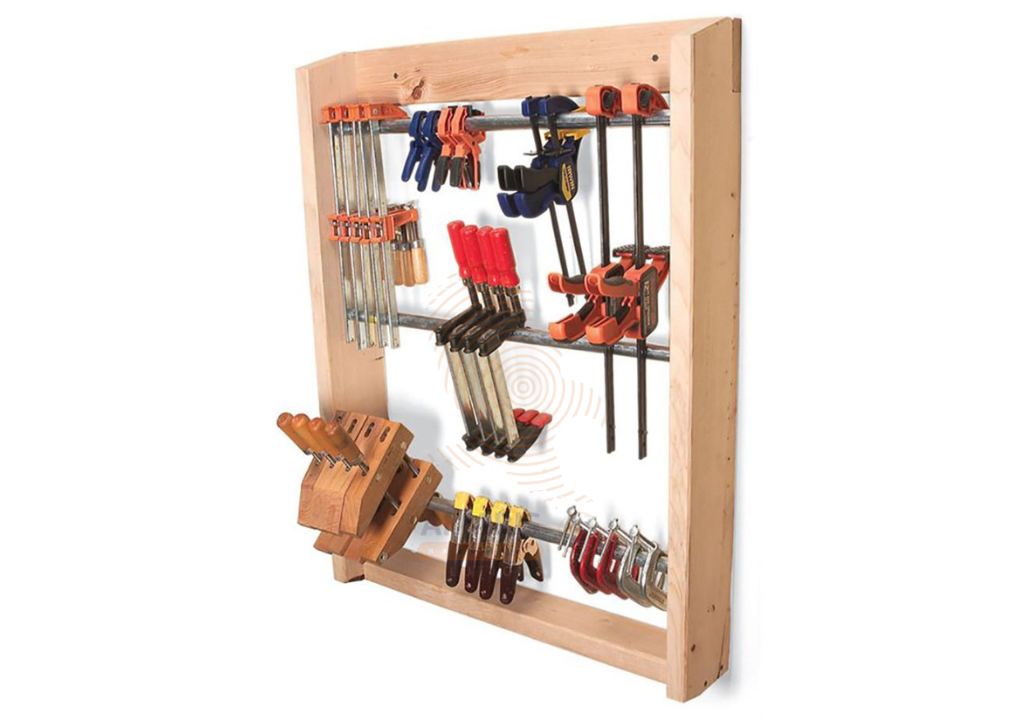
Next, focus on a small collection of reliable hand tools. A good hammer, screwdriver set, adjustable wrench, combination spanners, pliers, utility knife, and tape measure can handle an impressive number of everyday jobs. These tools are relatively affordable, don’t require electricity, and are useful regardless of what type of workshop you’re building. 🔨
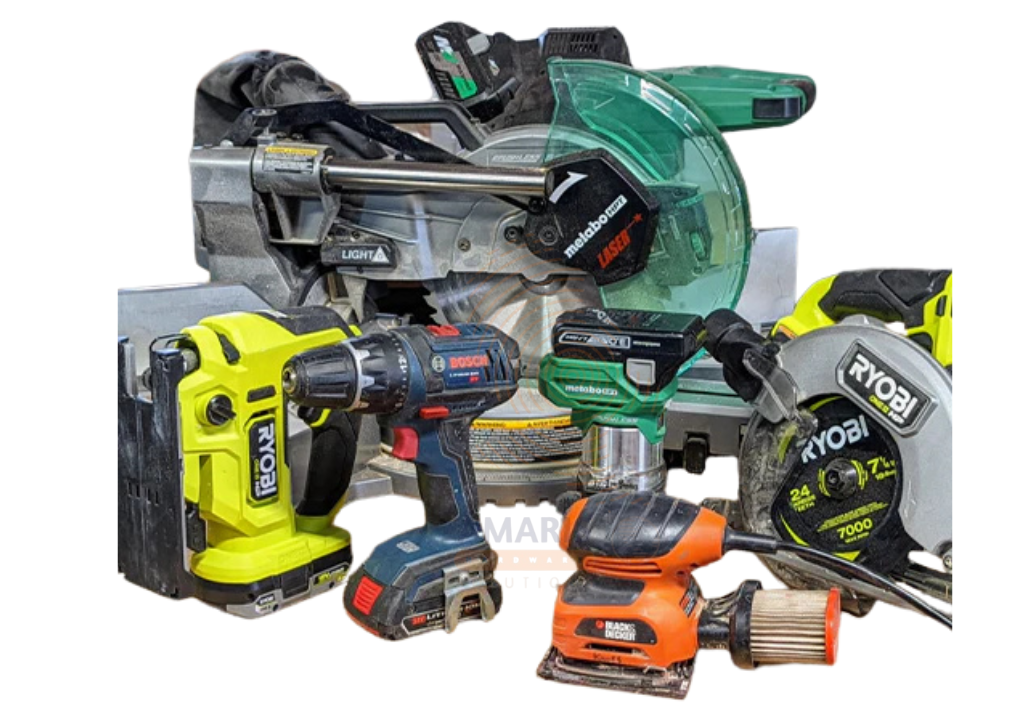
A cordless drill should also be near the top of your list. Few power tools offer as much versatility. With the appropriate drill bits and screwdriver attachments, one cordless drill can handle drilling, fastening, furniture assembly, basic woodworking, and numerous repair tasks. Instead of buying several specialized machines immediately, start with one dependable drill and expand your accessories as needed.
Think carefully about the projects you expect to undertake. If you’re primarily interested in woodworking, a quality circular saw and suitable clamps may be more useful than a collection of metalworking tools. If automotive repair is your focus, sockets, spanners, pliers, an air compressor, and suitable lifting equipment may be more valuable.
This is where buying tools according to your actual needs becomes important. Don’t purchase a tool simply because it looks impressive or because someone else recommends it. Ask yourself how often you’ll use it and whether another tool you already own can perform a similar task.
Accessories can also help you avoid unnecessary purchases. A single power tool can become much more versatile when paired with the right bits, blades, sanding discs, or attachments. Instead of purchasing a separate machine for every job, explore the accessories available for the tools you already have. ⚙️
However, don’t sacrifice quality simply to keep your tool collection small. A handful of reliable tools is generally more useful than a large collection of poorly made equipment. Quality tools tend to offer better performance, durability, comfort, and reliability, making them worthwhile investments over time.
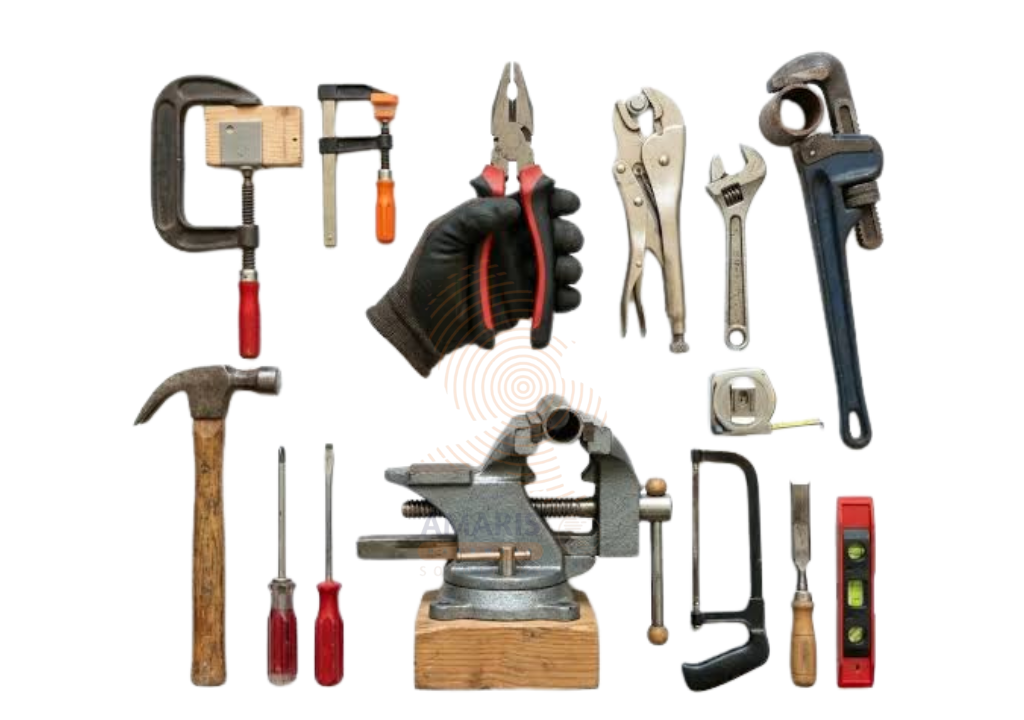
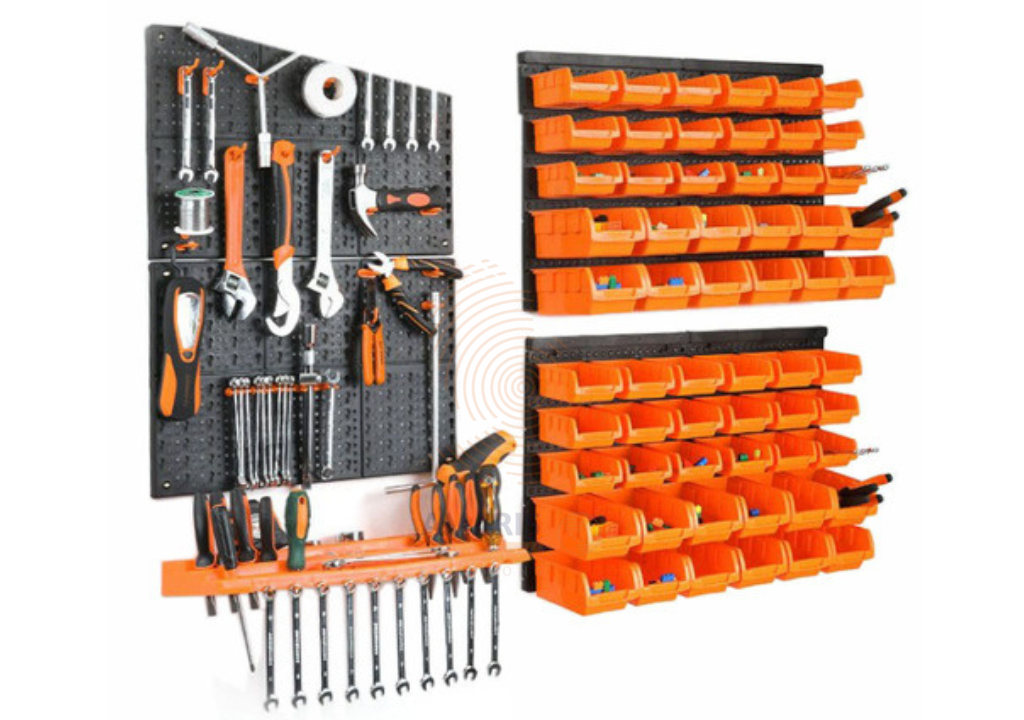
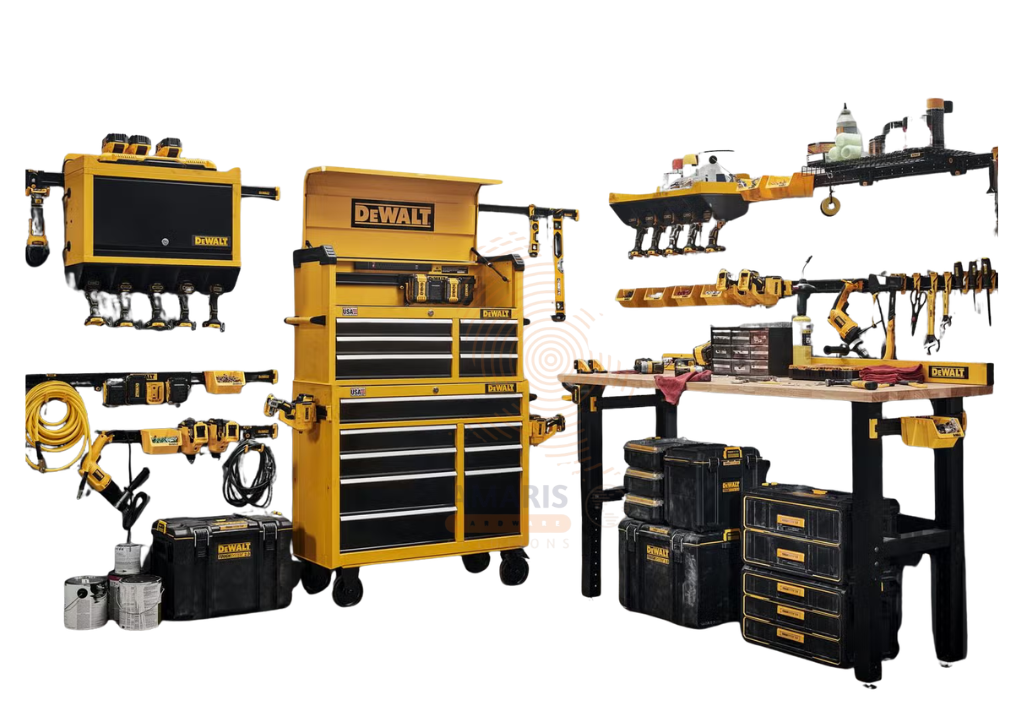
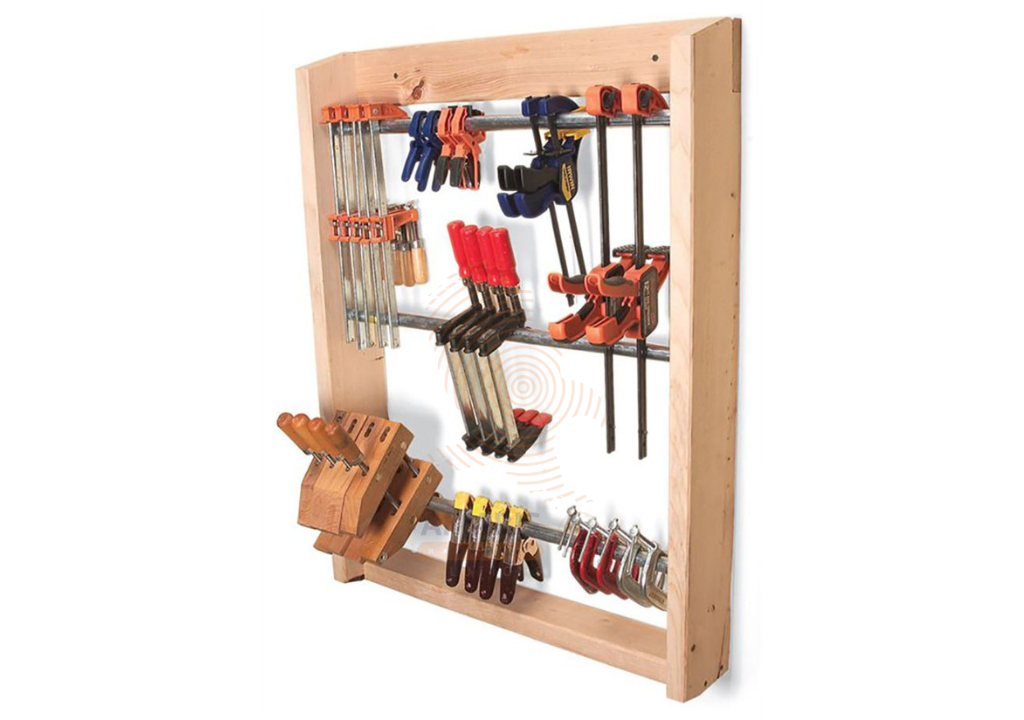
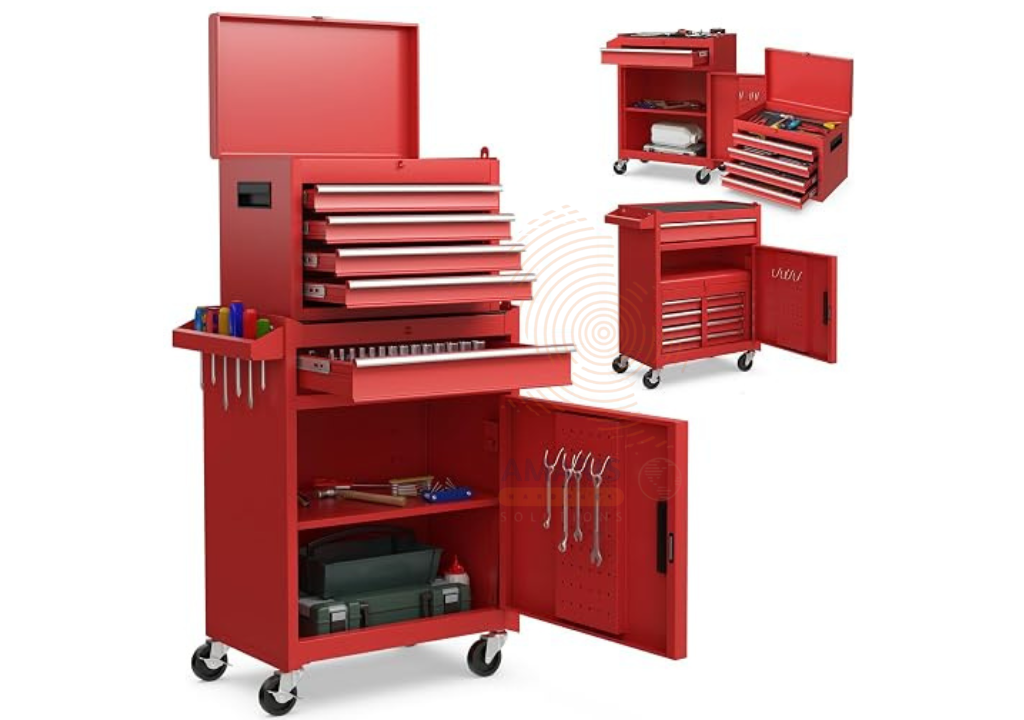
Storage should also be part of your workshop plan. A pegboard, toolbox, shelves, or storage cabinet can keep your equipment organized and easily accessible. Good organization prevents you from buying duplicate tools simply because you can’t remember where the original one is. It also makes your workspace safer and more efficient. 📦
Safety equipment should never be considered optional. Even a small workshop should have essentials such as safety goggles, protective gloves, hearing protection, and appropriate footwear. Depending on your projects, you may also need dust masks, welding protection, or other specialized PPE.
As your skills develop, you’ll naturally discover which tools you use most frequently. That’s the perfect time to expand your collection. Perhaps you start woodworking and realize you need a jigsaw. Maybe you begin metal fabrication and discover that an angle grinder would save you hours of work. These purchases make sense because they are based on actual experience rather than impulse.
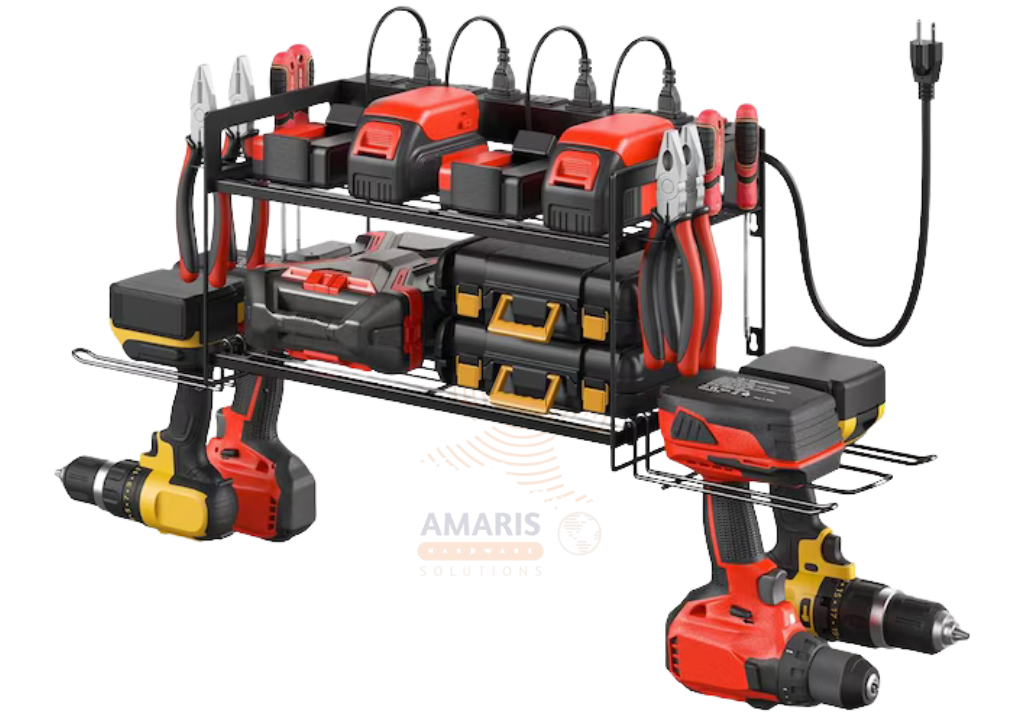
Another useful strategy is to choose tools that share compatible accessories or battery systems. For example, if you invest in a cordless tool platform where several machines use the same battery, you can gradually add compatible tools without needing a separate battery and charger for every purchase. 🔋
Building a workshop doesn’t have to happen overnight. In fact, a slowly developing workshop is often more practical because every new tool has a purpose. Start with the basics, learn how to use them properly, and expand as your projects become more ambitious.
The goal isn’t to own the biggest toolbox. It’s to have the right tools for the work you actually do.
A well-planned workshop with ten useful tools can be far more productive than a cluttered workspace containing fifty tools that rarely leave their storage boxes. Start small, buy wisely, stay organized, and let your workshop grow alongside your skills. 🏗️✨