
 Acrylic Sealants
 Construction Adhesives
 Double-Sided Tape
 Duct Tape
 Electrical Tape
 Epoxy & Resins
 Silicone Sealants
 Masking Tape
 Automotive Wrenches & Socket Sets
 Battery Chargers & Jump Starters
 Car Jacks & Stands
 Car Wash & Detailing Products
 Diagnostic Tools
 Tire Inflators
 Vehicle Lighting
 Oil & Lubricants
 Adhesives & Sealants
 Bricks & Blocks
 Cement & Concrete
 Drywall & Plaster
 Flooring (Tiles, Wood, Laminate)
 Lumber & Plywood
 Paints, Primers & Coatings
 Insulation Materials
 Roofing Materials
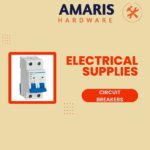 Circuit Breakers
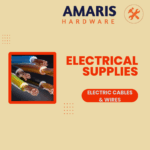 Electrical Cables & Wires
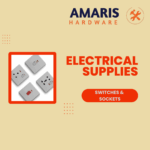 Switches & Sockets
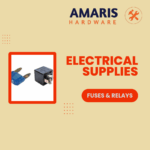 Fuses & Relays
 Connectors & Terminals
 Electrical Boxes & Panels
 Conduit & Fittings
 Lighting Fixtures & Bulbs
 Extension Cords & Power Strips
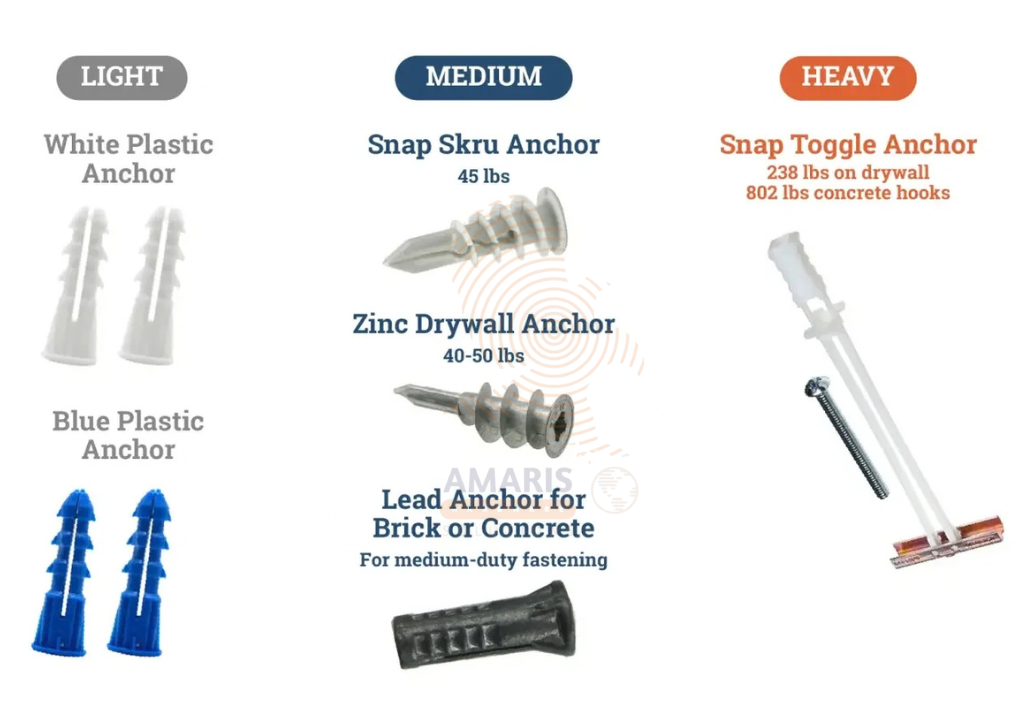
 Anchors
 Bolts
Bolts Clips & Clamps
 Screws
 Nuts
Nuts Washers
 Rivets
 Nails
Nails Threaded Rods
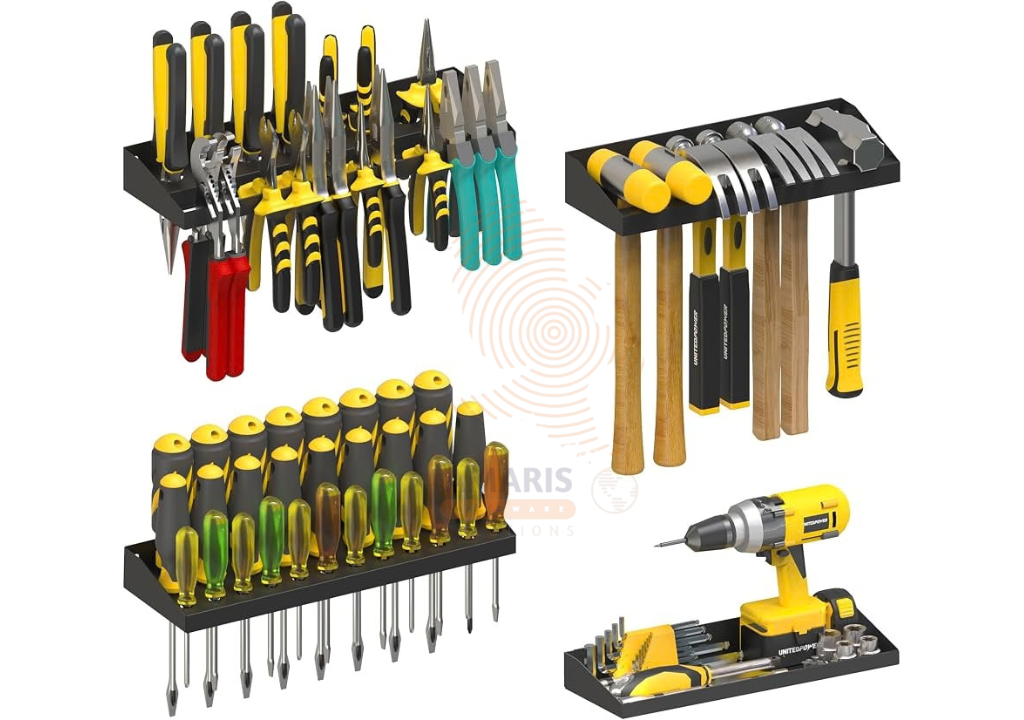
 Hammers
 Measuring Tools (Tapes, Levels, Calipers)
 Screwdrivers
 Pliers & Cutters
 Saws & Blades
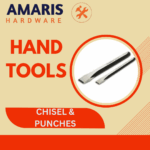 Chisels & Punches
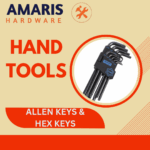 Allen Keys & Hex Keys
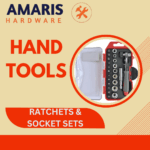 Ratchets & Socket Sets
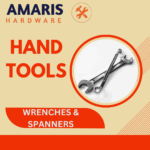 Wrenches & Spanners
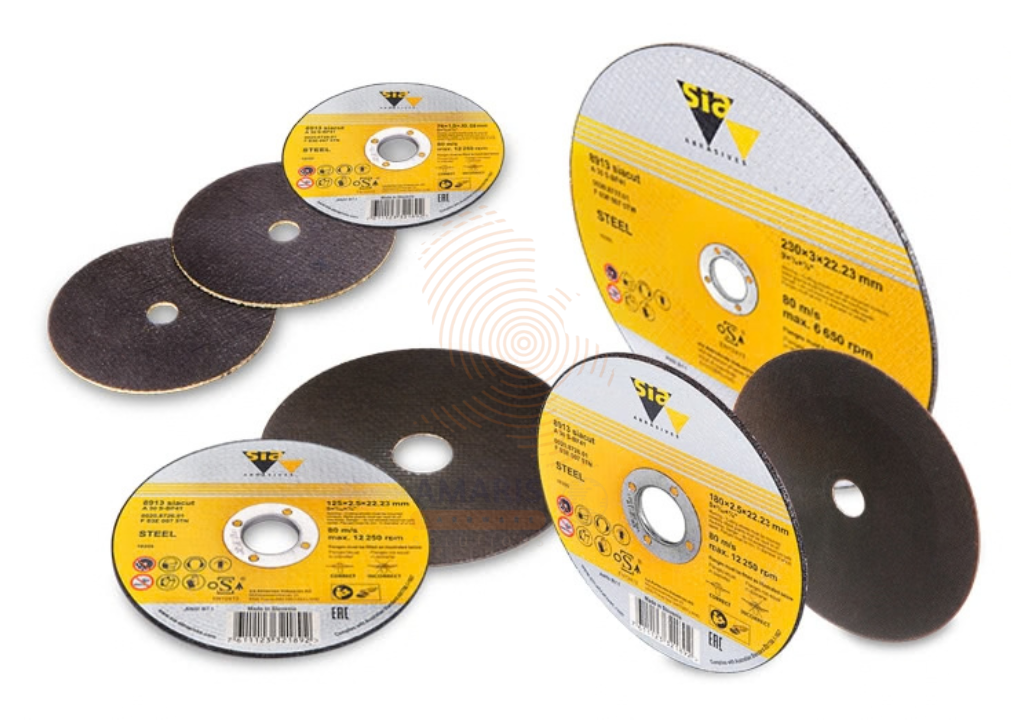
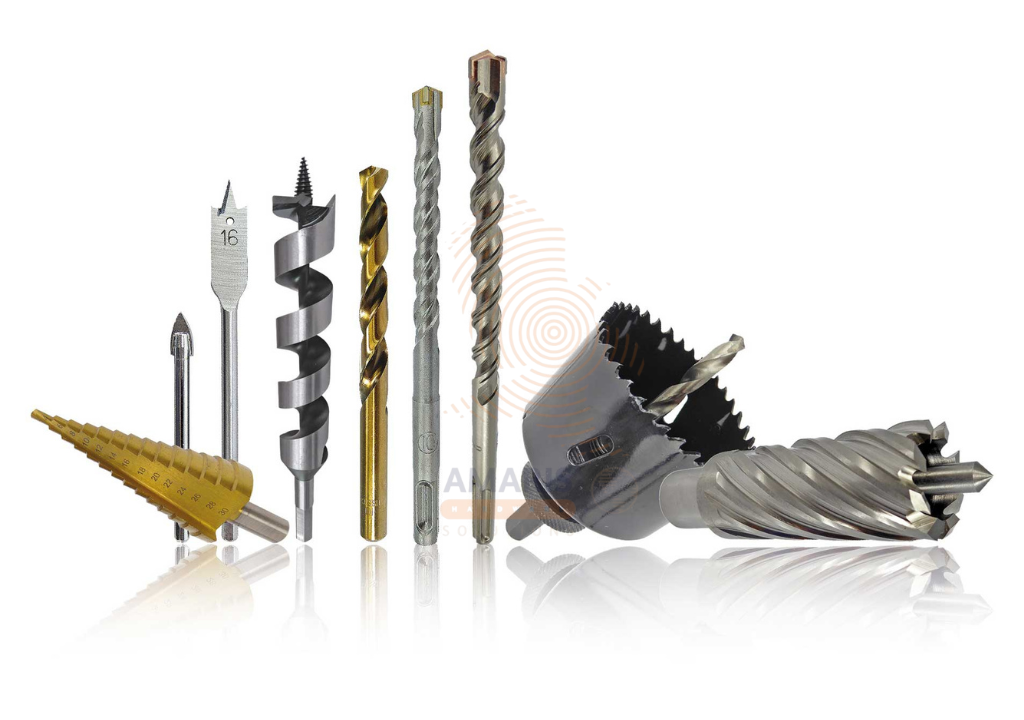
 Power Tool Accessories (Blades, Bits, Discs)
 Rotary Tools
 Saws (Circular, Jigsaw, Reciprocating)
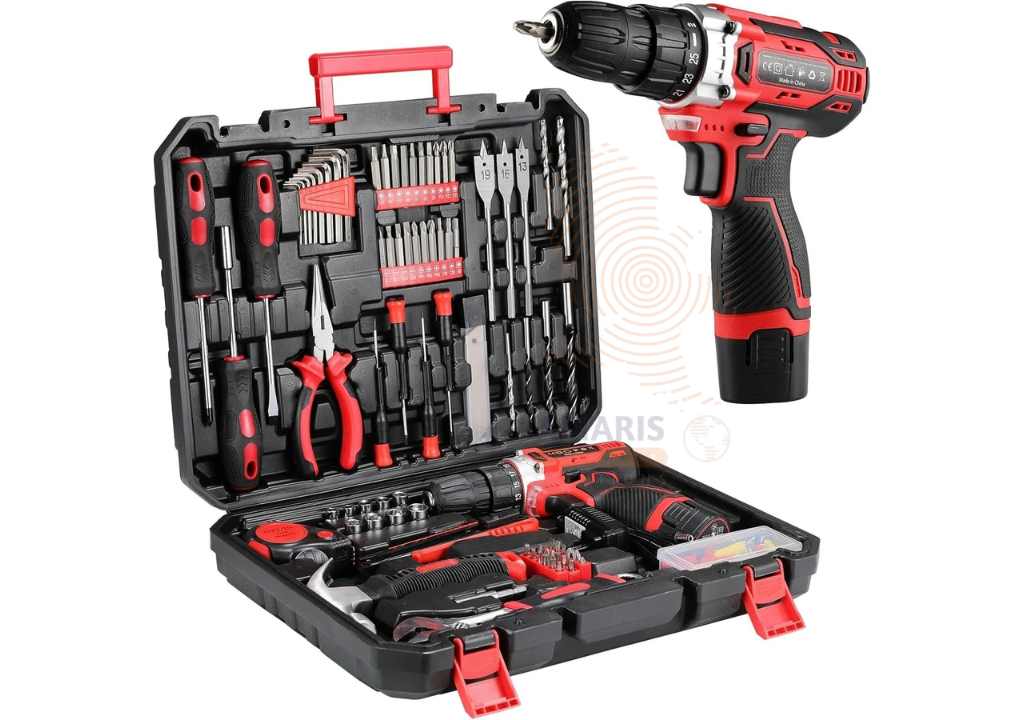
 Drills & Drivers
 Grinders & Sanders
 Heat Guns
 Nail Guns
 Impact Wrenches
 Batteries & Chargers
 Pipes & Fittings (PVC, Copper, PEX)
 Plumbing Tools
 Pumps & Motors
 Sealants & Adhesives for Plumbing
 Valves & Taps
 Water Heaters
 Drainage Systems
 Faucets & Fixtures
 Hoses & Tubing
 Hinges & Latches
 Hooks & Brackets
 Window Hardware
 Chains & Cables
 Casters & Wheels
 Shelving & Storage Systems
 Door Handles & Locks
 Drawer Slides & Cabinet Hardware
 Personal Protective Equipment (PPE)
 Respirators & Masks
 Safety Glasses
 Safes
Safes Security Cameras
 Gloves
 Helmets
 Ear Protection
 Fire Safety Equipment
 Locks & Padlocks
 Motion Sensors & Alarms
 Garden Fencing
 Garden Furniture Hardware
 Lawn Mowers
 Trimmers & Edgers
 Shovels & Spades
 Rakes & Hoes
 Pruning Shears & Loppers
 Watering Systems (Hoses, Sprinklers, Nozzles)
 Interior Paints
 Paint Brushes & Rollers
 Paint Strippers & Thinners
 Paint Trays & Accessories
 Exterior Paints
 Spray Paints
 Primers & Undercoats
 Varnishes & Stains
 Gaskets & Seals
 Hydraulic Fittings
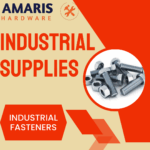 Industrial Fasteners
 Industrial Hoses
 Lubricants & Greases
 Metal Sheets & Bars
 Bearings & Bushings
 Belts & Pulleys
 HVAC Filters
 Insulation for HVAC
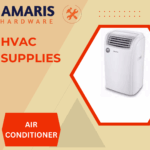 Air Conditioners
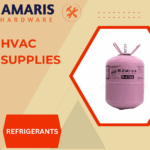 Refrigerants
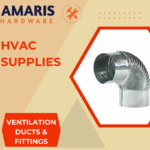 Ventilation Ducts & Fittings
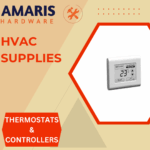 Thermostats & Controllers
 Fans & Blowers
 Pegboards & Hooks
 Shelving Units
 Storage Bins & Containers
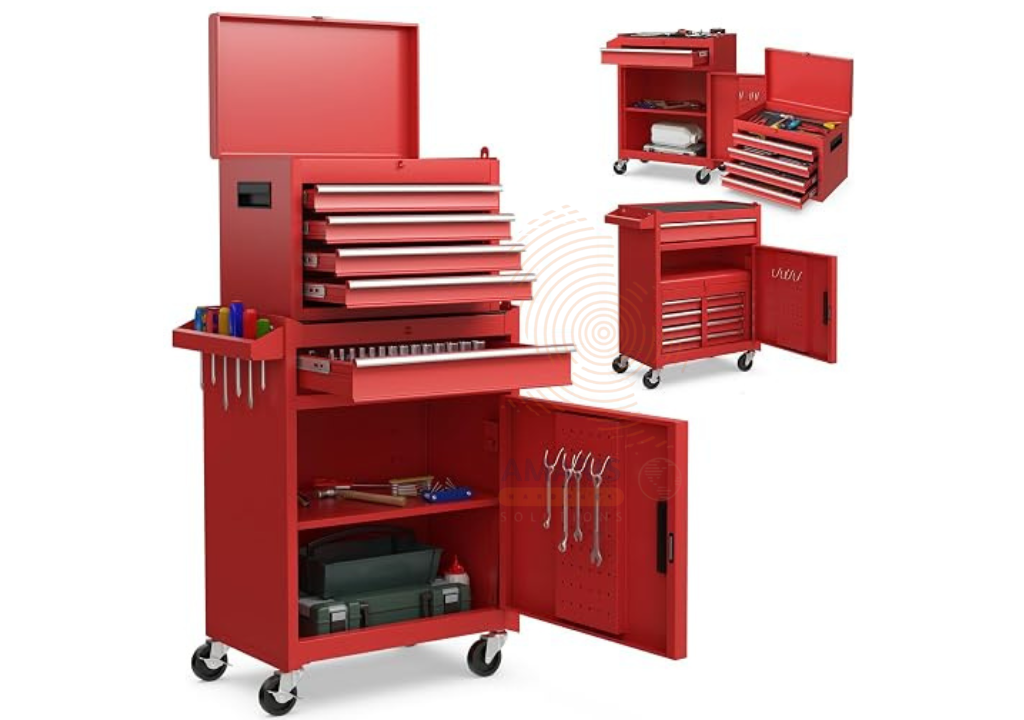
 Toolboxes & Tool Chests
 Workbenches
 Drawer Organizers
 Labeling Supplies
 Welding Accessories (Clamps, Brushes)
 Welding Electrodes & Rods
 Welding Helmets & Gloves
 Welding Machines
 Soldering Irons & Stations
 Flux & Solder Wire
 Generator Accessories
 Inverters
 Portable Generators
 Power Inverters
 Transfer Switches
 Diesel & Gasoline Generators
 Transport Equipment: Carts, Dollies, and Hand Trucks
 Storage Solutions: Pallets, Racks, and Containers
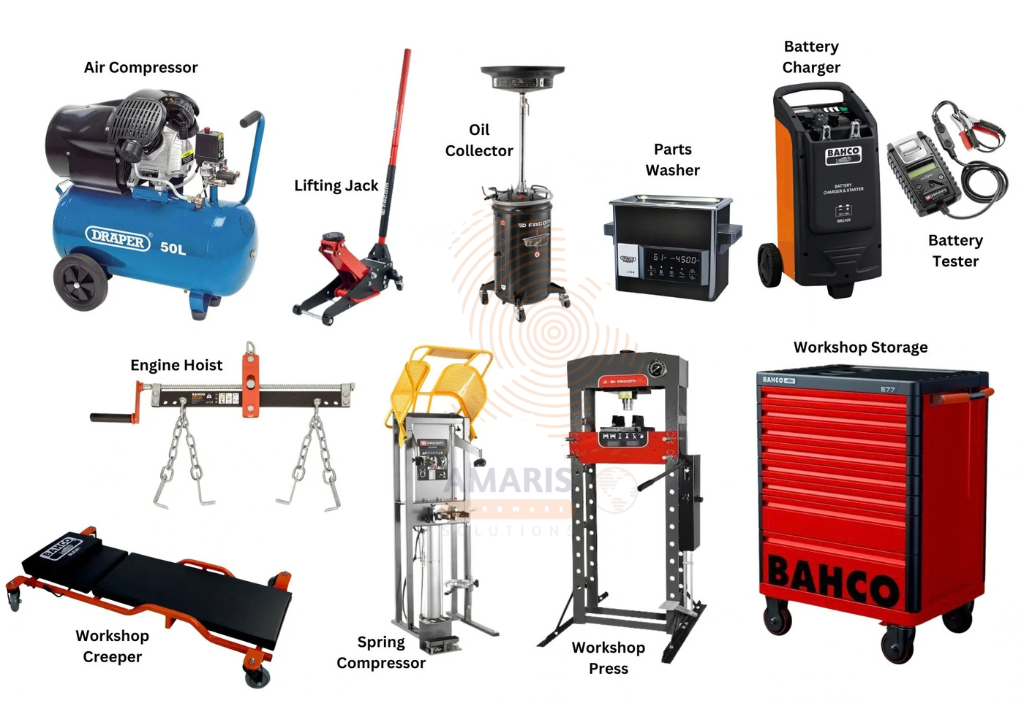
 Lifting Equipment: Hoists, Cranes, and Jacks
 Conveyors & Accessories: Belts & Rollers
 Office Chairs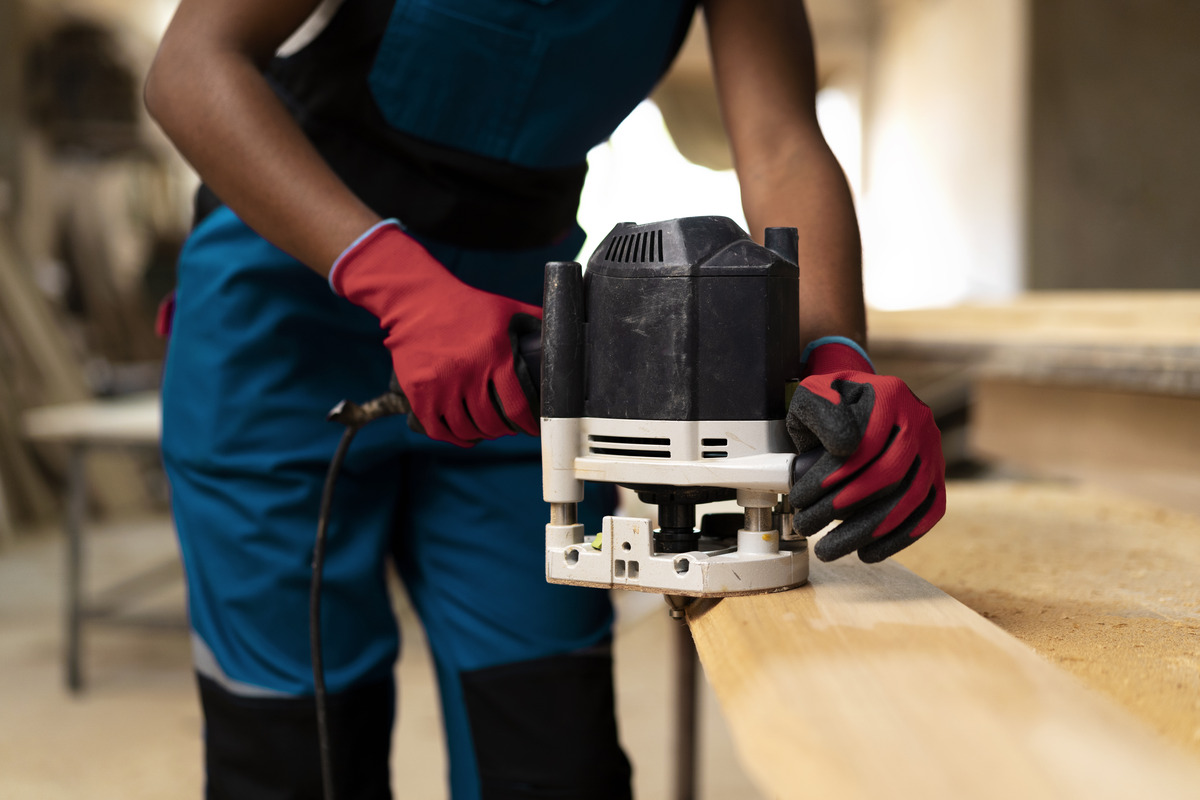
🔩 Nuts, Bolts, Washers and Screws: Why the Smallest Parts Matter Most

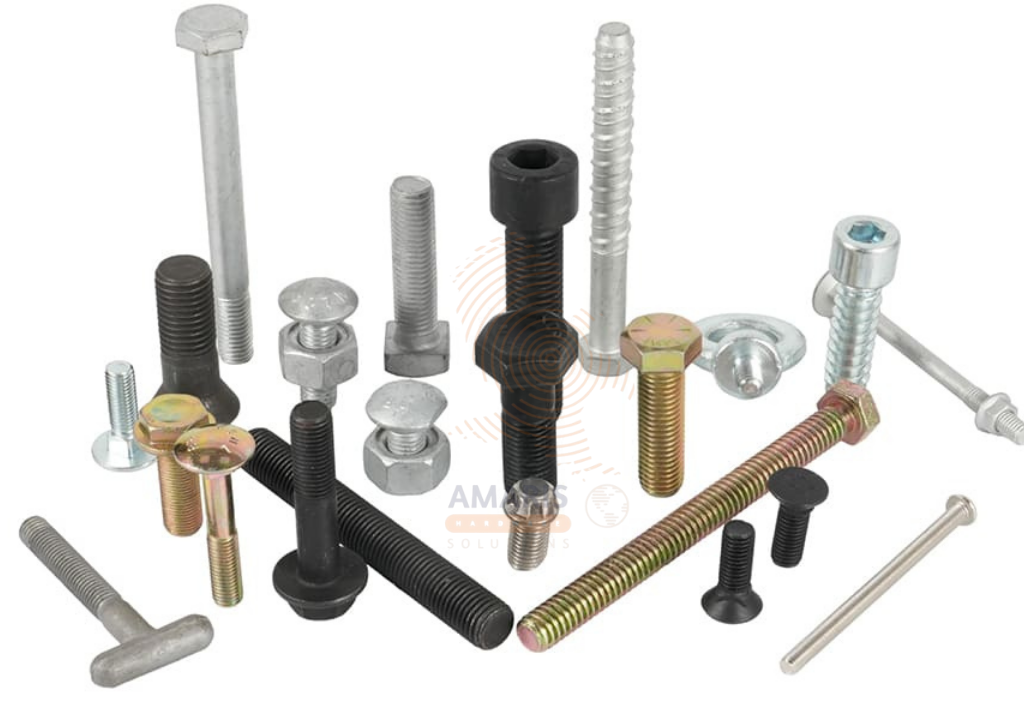
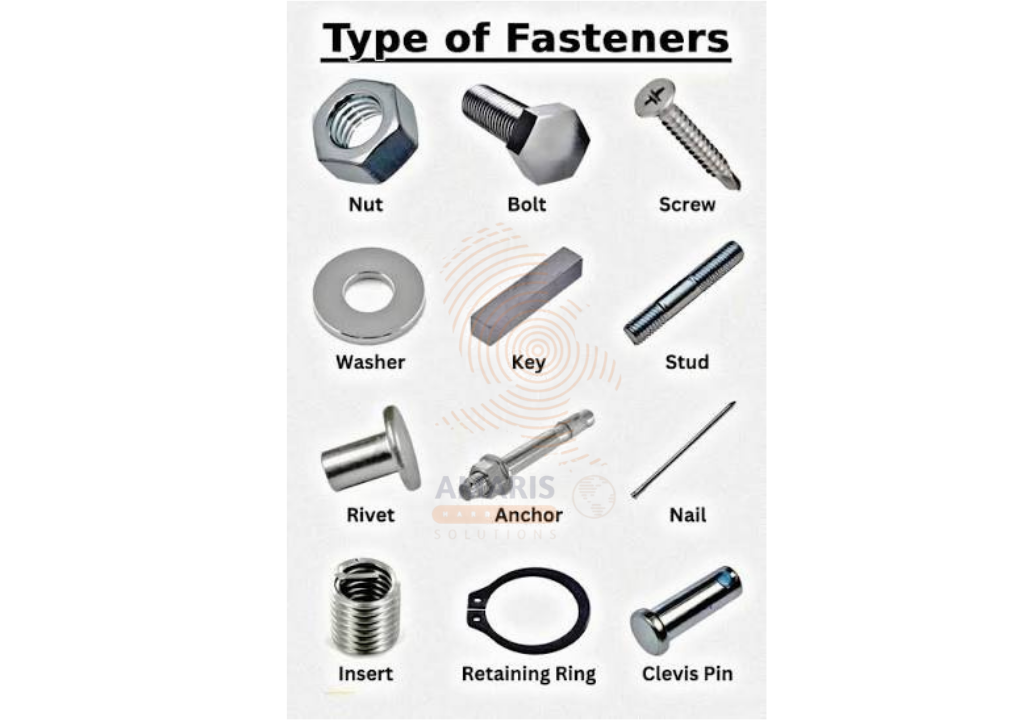
When people think about construction, furniture assembly, machinery, or repairs, they often picture the big things—the power tools, steel structures, timber, concrete, and heavy machinery. But behind many of these projects are small components that quietly hold everything together. Nuts, bolts, washers, and screws may be small, but they are some of the most important products in any hardware store. 🛠️
These simple-looking fasteners are used in homes, workshops, construction sites, vehicles, furniture, electrical installations, and industrial equipment. Without them, many of the structures and machines we depend on every day simply wouldn’t stay together.
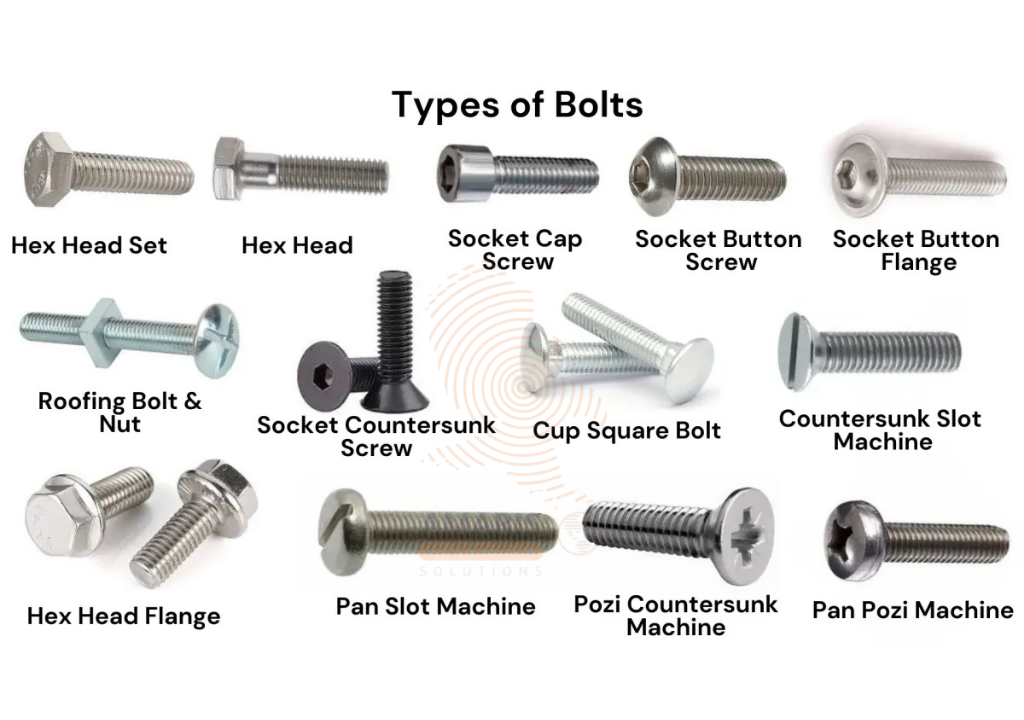
A bolt and nut work as a fastening system. The bolt passes through two or more components, while the nut is tightened onto its threaded end to hold those components firmly together. This type of connection is particularly useful when strong and secure joints are required and when the components may need to be removed later for maintenance or repairs.
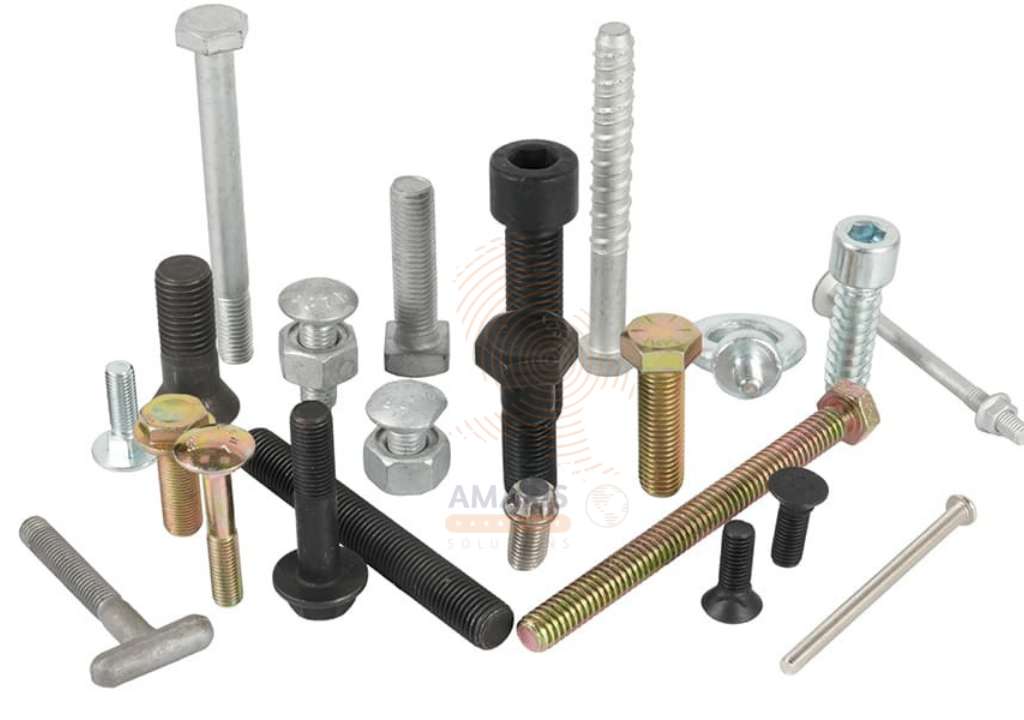
Bolts come in many sizes, lengths, materials, and designs. Choosing the right one depends on factors such as the load involved, the materials being joined, environmental conditions, and the type of application. Using a bolt that is too short, too thin, or unsuitable for the job can compromise the entire connection.
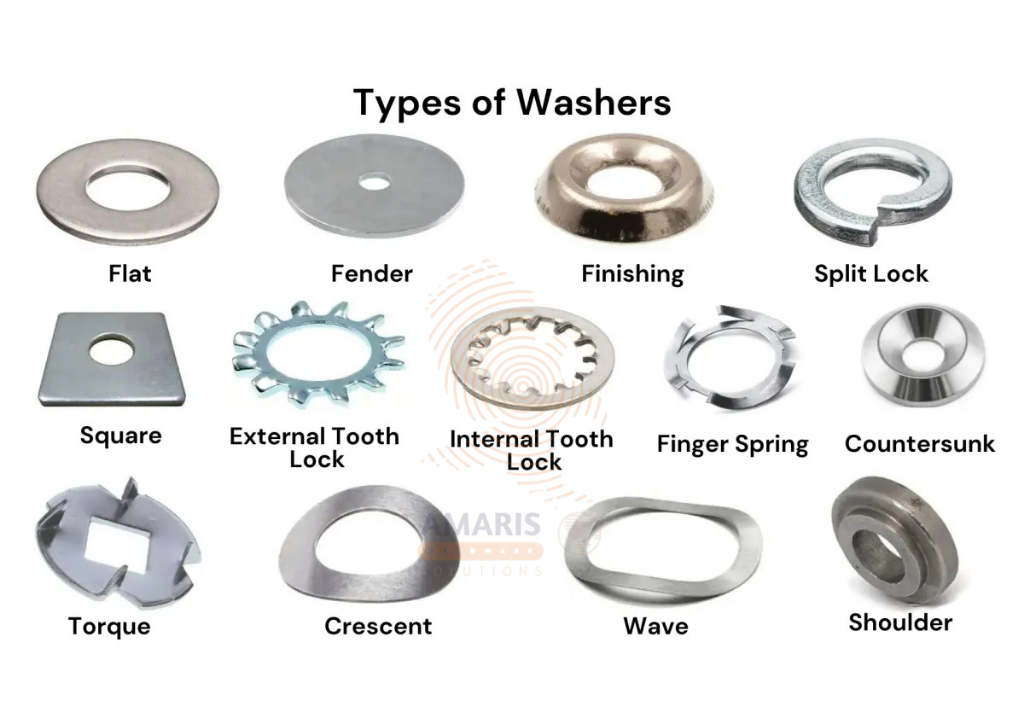
Then there are washers, which may appear almost insignificant compared with bolts and nuts. However, these small metal discs serve several important purposes. A standard washer helps distribute the pressure created when a nut or bolt is tightened. Instead of concentrating the force on a small area, the washer spreads it across a larger surface. This can help protect the material being fastened and reduce the risk of damage. 🔧
Some washers are designed for specific applications. Lock washers, for example, are used to help resist loosening caused by vibration. This can be particularly useful in machinery, automotive applications, and other environments where constant movement could gradually loosen a fastener.
Screws, meanwhile, are among the most commonly used fasteners in everyday life. Unlike many bolt-and-nut assemblies, screws are often driven directly into the material being fastened. They are widely used in woodworking, construction, roofing, furniture assembly, electrical installations, and general household repairs.
The design of a screw can vary considerably depending on its purpose. Wood screws are designed to grip timber, while self-drilling screws can create their own opening in certain materials. Roofing screws may feature specialized heads and sealing components to provide secure fastening while helping protect against water penetration. Choosing the correct screw can make installation easier and produce a stronger, more reliable result. 🏠
One important factor that all fasteners have in common is thread design. Threads determine how components engage with each other and how force is transferred through the connection. Fine and coarse threads can behave differently depending on the application and material involved.
Material selection is equally important. Fasteners may be manufactured from materials such as carbon steel, stainless steel, or other specialized alloys. Stainless steel fasteners, for example, are often chosen for environments where corrosion resistance is important. In construction and outdoor applications, selecting fasteners that can withstand moisture and environmental exposure can significantly improve the lifespan of the finished project.
Another factor people sometimes overlook is fastener size. Bigger doesn’t automatically mean better. Using an oversized bolt or screw can damage the material, while an undersized fastener may not provide enough strength. The correct fastener should match the requirements of the application rather than simply being the largest available option.
Proper installation matters just as much as choosing the right product. Over-tightening a fastener can damage threads, deform components, or weaken the connection. Under-tightening can leave the joint loose and vulnerable to movement. For critical applications, following the appropriate installation specifications and using suitable tools can make a major difference. ⚙️
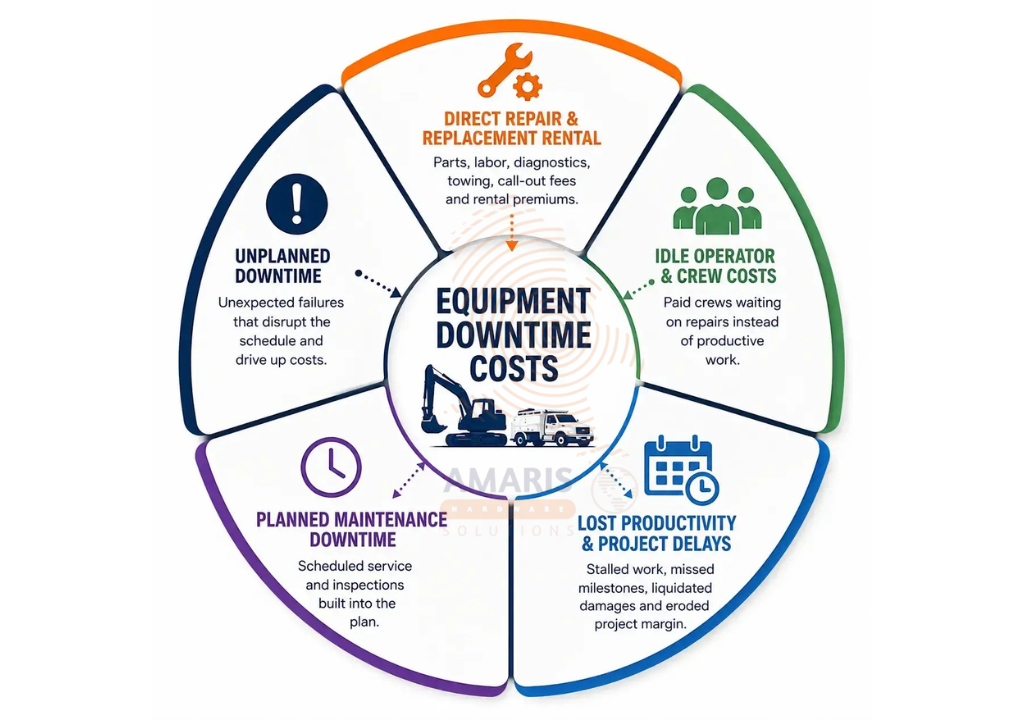
Fasteners also play a major role in maintenance and repair. Machines, vehicles, furniture, gates, roofing systems, and countless other products eventually require servicing. Having the correct nuts, bolts, washers, and screws available can make repairs much quicker and prevent unnecessary downtime.
For hardware businesses and construction professionals, keeping a well-organized fastener selection is therefore extremely valuable. Small components are easy to overlook, but running out of the right screw, bolt, or washer in the middle of a project can bring work to a frustrating stop.
Perhaps the most interesting thing about fasteners is that they rarely receive attention when everything is working properly. You don’t notice the dozens or hundreds of screws holding a piece of furniture together, or the bolts securing machinery components—until one becomes loose or fails.
That’s what makes these small components so important. They may not have the size or appearance of heavy machinery, but they provide the connections that allow larger systems to function.
So, the next time you walk through a hardware store and see rows of tiny nuts, bolts, washers, and screws, don’t underestimate them. Big construction projects often depend on very small parts. By selecting the correct fastener, using it properly, and choosing quality products, you can create stronger, safer, and more durable connections. 🔩✨