
 Acrylic Sealants
 Construction Adhesives
 Double-Sided Tape
 Duct Tape
 Electrical Tape
 Epoxy & Resins
 Silicone Sealants
 Masking Tape
 Automotive Wrenches & Socket Sets
 Battery Chargers & Jump Starters
 Car Jacks & Stands
 Car Wash & Detailing Products
 Diagnostic Tools
 Tire Inflators
 Vehicle Lighting
 Oil & Lubricants
 Adhesives & Sealants
 Bricks & Blocks
 Cement & Concrete
 Drywall & Plaster
 Flooring (Tiles, Wood, Laminate)
 Lumber & Plywood
 Paints, Primers & Coatings
 Insulation Materials
 Roofing Materials
 Circuit Breakers
 Electrical Cables & Wires
 Switches & Sockets
 Fuses & Relays
 Connectors & Terminals
 Electrical Boxes & Panels
 Conduit & Fittings
 Lighting Fixtures & Bulbs
 Extension Cords & Power Strips
 Anchors
 Bolts
Bolts Clips & Clamps
 Screws
 Nuts
Nuts Washers
 Rivets
 Nails
Nails Threaded Rods
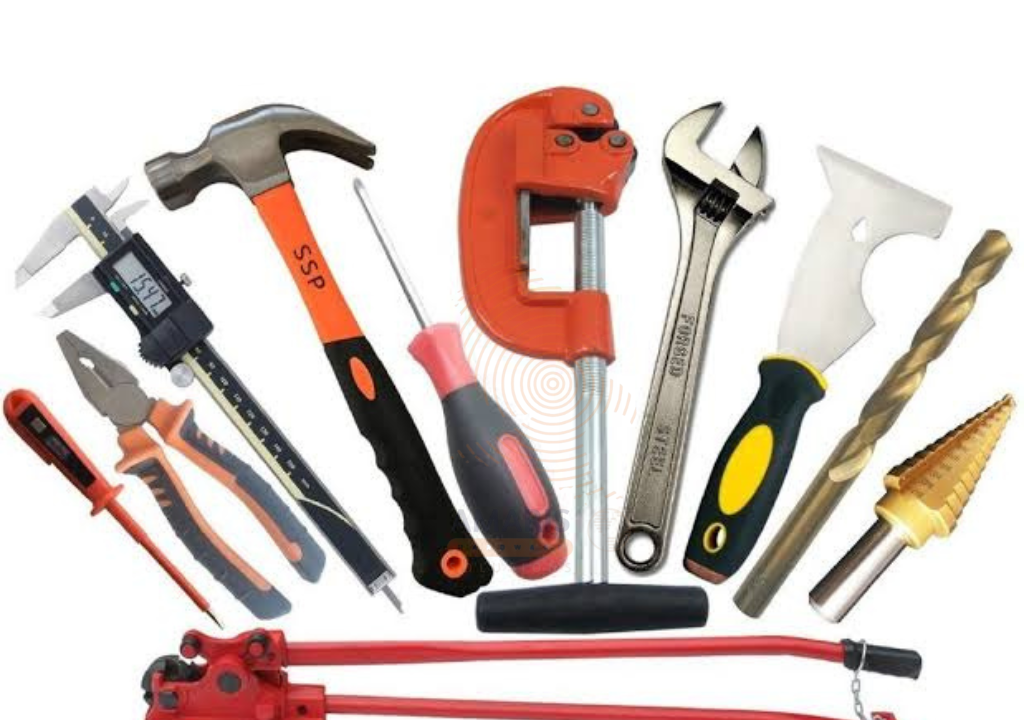
 Hammers
 Measuring Tools (Tapes, Levels, Calipers)
 Screwdrivers
 Pliers & Cutters
 Saws & Blades
 Chisels & Punches
 Allen Keys & Hex Keys
 Ratchets & Socket Sets
 Wrenches & Spanners
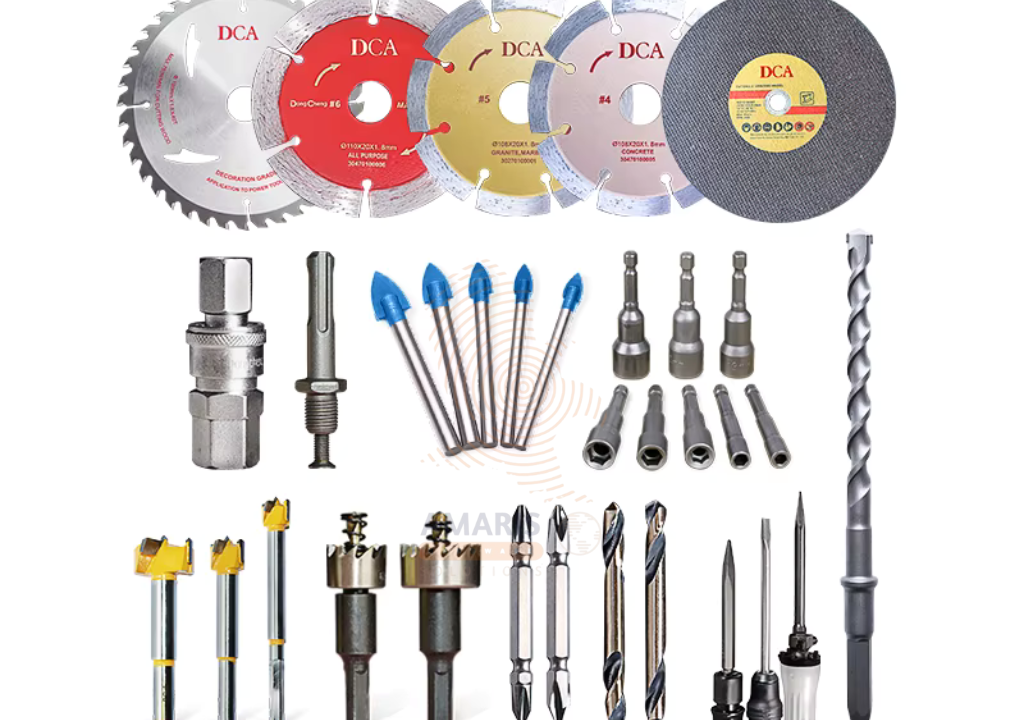
 Power Tool Accessories (Blades, Bits, Discs)
 Rotary Tools
 Saws (Circular, Jigsaw, Reciprocating)
 Drills & Drivers
 Grinders & Sanders
 Heat Guns
 Nail Guns
 Impact Wrenches
 Batteries & Chargers
 Pipes & Fittings (PVC, Copper, PEX)
 Plumbing Tools
 Pumps & Motors
 Sealants & Adhesives for Plumbing
 Valves & Taps
 Water Heaters
 Drainage Systems
 Faucets & Fixtures
 Hoses & Tubing
 Hinges & Latches
 Hooks & Brackets
 Window Hardware
 Chains & Cables
 Casters & Wheels
 Shelving & Storage Systems
 Door Handles & Locks
 Drawer Slides & Cabinet Hardware
 Personal Protective Equipment (PPE)
 Respirators & Masks
 Safety Glasses
 Safes
Safes Security Cameras
 Gloves
 Helmets
 Ear Protection
 Fire Safety Equipment
 Locks & Padlocks
 Motion Sensors & Alarms
 Garden Fencing
 Garden Furniture Hardware
 Lawn Mowers
 Trimmers & Edgers
 Shovels & Spades
 Rakes & Hoes
 Pruning Shears & Loppers
 Watering Systems (Hoses, Sprinklers, Nozzles)
 Interior Paints
 Paint Brushes & Rollers
 Paint Strippers & Thinners
 Paint Trays & Accessories
 Exterior Paints
 Spray Paints
 Primers & Undercoats
 Varnishes & Stains
 Gaskets & Seals
 Hydraulic Fittings
 Industrial Fasteners
 Industrial Hoses
 Lubricants & Greases
 Metal Sheets & Bars
 Bearings & Bushings
 Belts & Pulleys
 HVAC Filters
 Insulation for HVAC
 Air Conditioners
 Refrigerants
 Ventilation Ducts & Fittings
 Thermostats & Controllers
 Fans & Blowers
 Pegboards & Hooks
 Shelving Units
 Storage Bins & Containers
 Toolboxes & Tool Chests
 Workbenches
 Drawer Organizers
 Labeling Supplies
 Welding Accessories (Clamps, Brushes)
 Welding Electrodes & Rods
 Welding Helmets & Gloves
 Welding Machines
 Soldering Irons & Stations
 Flux & Solder Wire
 Generator Accessories
 Inverters
 Portable Generators
 Power Inverters
 Transfer Switches
 Diesel & Gasoline Generators
 Transport Equipment: Carts, Dollies, and Hand Trucks
 Storage Solutions: Pallets, Racks, and Containers
 Lifting Equipment: Hoists, Cranes, and Jacks
 Conveyors & Accessories: Belts & Rollers
 Office Chairs
🕰️🔧 The Toolbox Time Machine: How Construction Tools Have Changed Over the Years

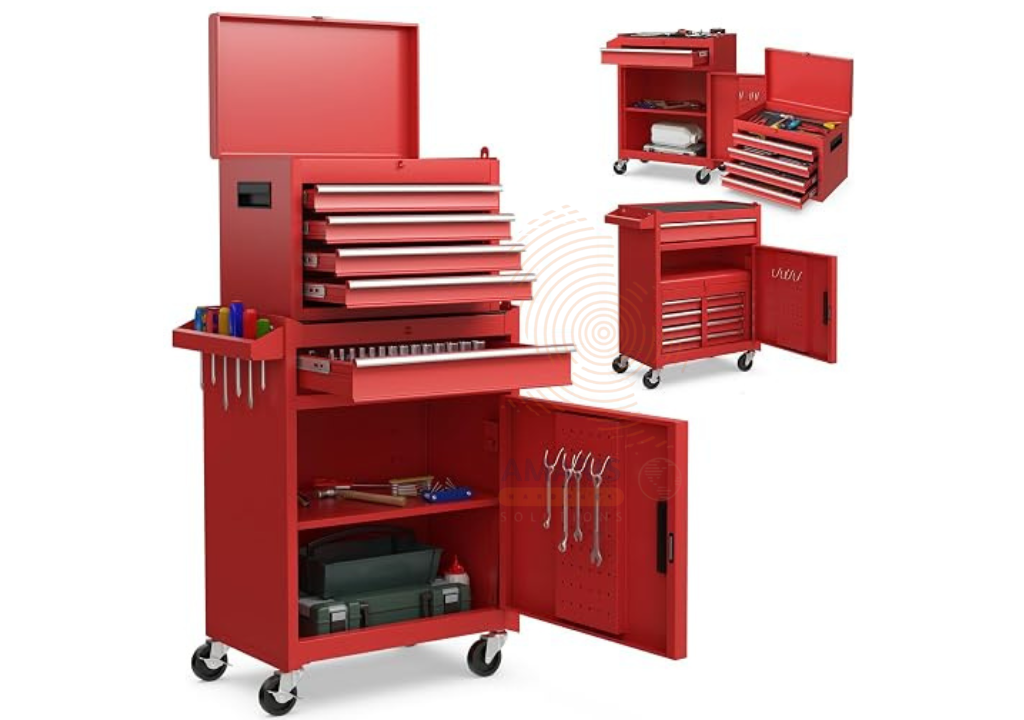
Imagine stepping onto a construction site 100 years ago. You would recognize some familiar tools—hammers, saws, chisels, and wrenches—but the way workers used them would look very different from what we see today. There were no cordless drills, laser levels, brushless motors, or battery-powered saws. Much of the work depended on physical strength, experience, and simple hand tools.
The evolution of construction tools is really a story about making work faster, safer, more accurate, and less physically demanding. 🏗️ From basic hand tools to today’s advanced power equipment, every generation has introduced new ways to solve old construction challenges.
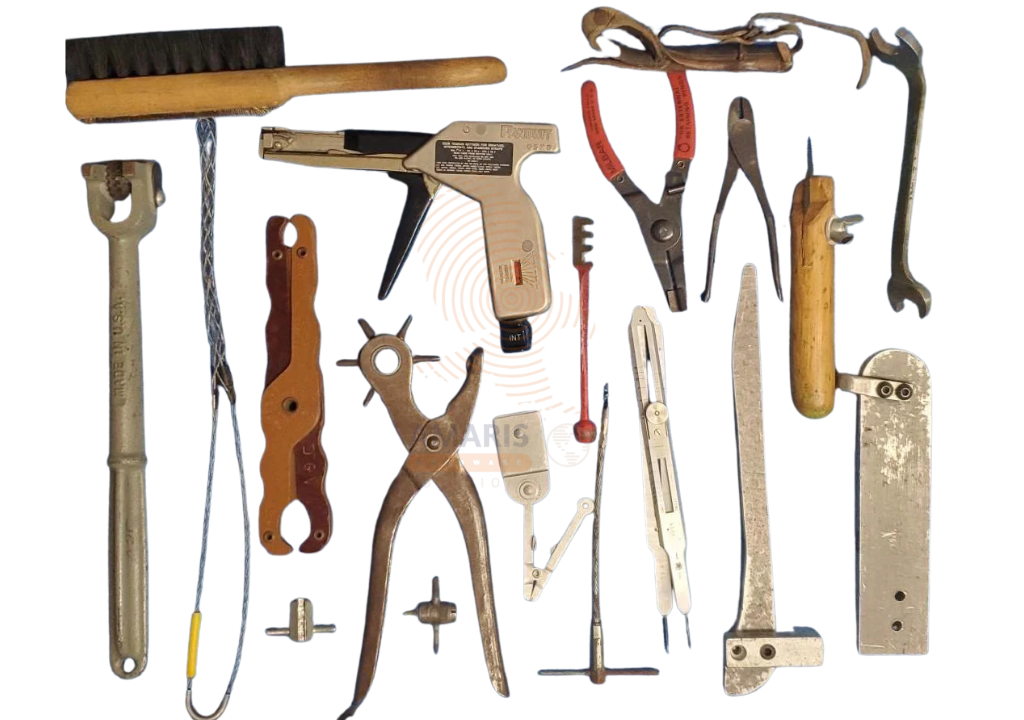
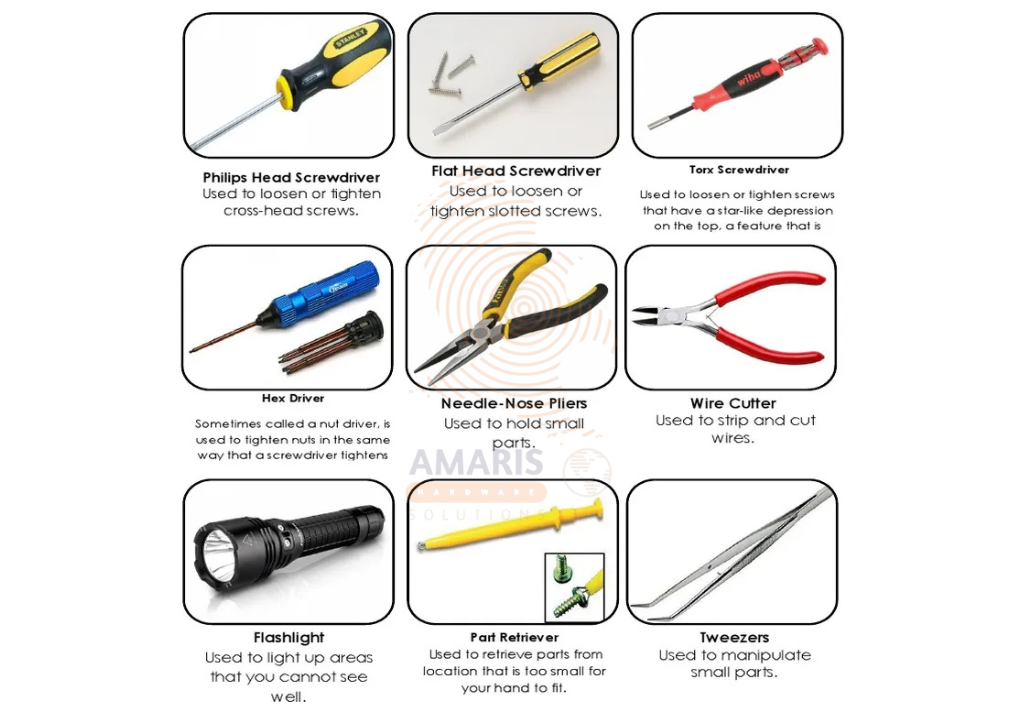
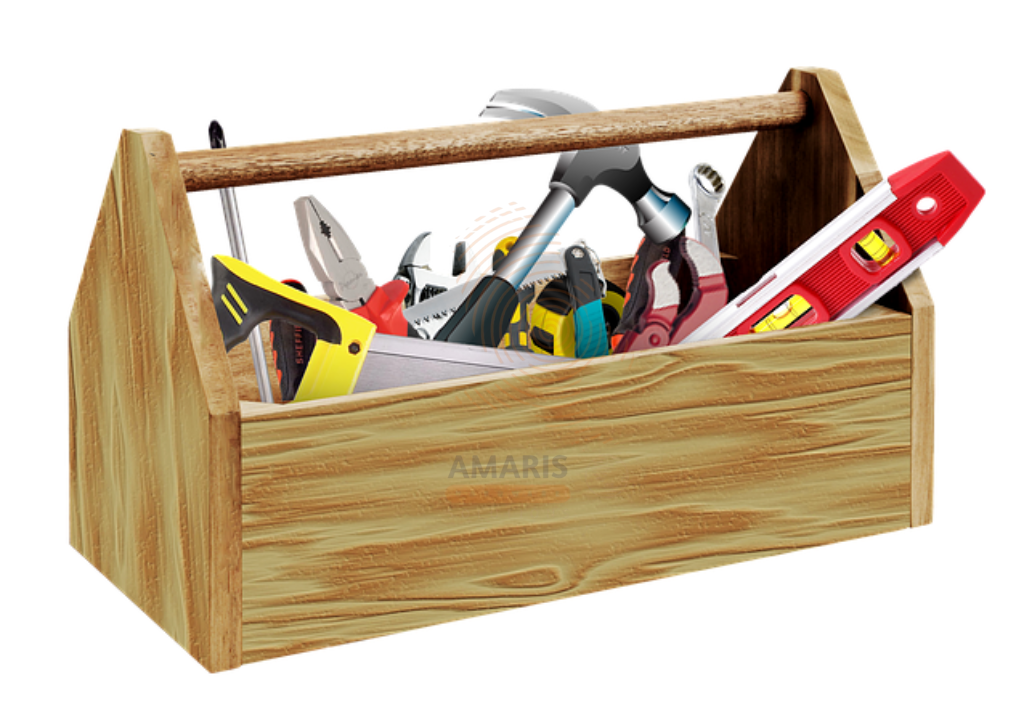
Early construction relied heavily on manual tools. Hammers were used to drive nails, chisels shaped wood and stone, and hand saws were used to cut timber. These tools were simple but extremely important. Skilled craftsmen could produce impressive results using equipment that, by today’s standards, appears basic.
The biggest advantage of these traditional tools was their simplicity. 🔨 They didn’t require electricity, batteries, or complicated maintenance. However, they also required considerable physical effort and could make large projects take much longer.
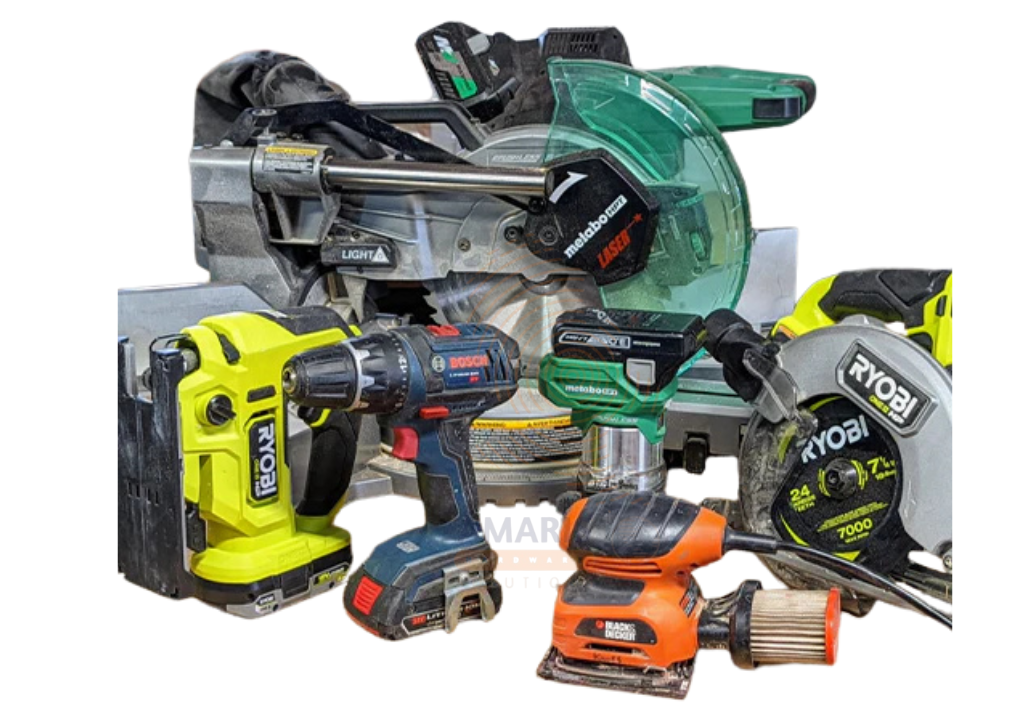
The arrival of power tools changed the construction industry dramatically. Electric drills, circular saws, grinders, and other machines allowed workers to complete tasks in a fraction of the time. Instead of manually drilling every hole or cutting every piece of timber, workers could use powered equipment to increase productivity and consistency. ⚡
The development of the electric drill is a great example. What once required hand-operated drilling tools eventually became a task that could be completed quickly with an electric motor. Modern drills have also become more versatile, with adjustable speeds, torque settings, hammer functions, and interchangeable accessories.
Then came the cordless revolution. 🔋 Early power tools were often limited by electrical cables, meaning workers needed access to power outlets or extension cords. Modern lithium-ion battery technology changed that. Cordless drills, impact drivers, grinders, saws, and other tools can now be carried around construction sites without being connected directly to a power source.
Cordless technology has brought another major benefit: convenience. Workers can move between floors, rooftops, outdoor areas, and remote sections of a project without constantly managing long cables. Battery-powered equipment has become especially useful for contractors who need mobility and flexibility.
Another major transformation has been precision. Traditional builders relied heavily on rulers, plumb lines, spirit levels, chalk lines, and experience to achieve accurate results. These tools are still essential, but modern technology has added laser levels and digital measuring devices to the toolbox. 📏
A laser level can project highly visible reference lines across a room, helping workers align walls, ceilings, tiles, cabinets, and other components. Digital measuring tools can also provide fast and accurate measurements, reducing some of the guesswork involved in traditional methods.
Construction tools have also become increasingly ergonomic. Older tools could be heavy, uncomfortable, and difficult to control during extended use. Modern manufacturers pay much more attention to handle design, weight distribution, vibration reduction, and user comfort.
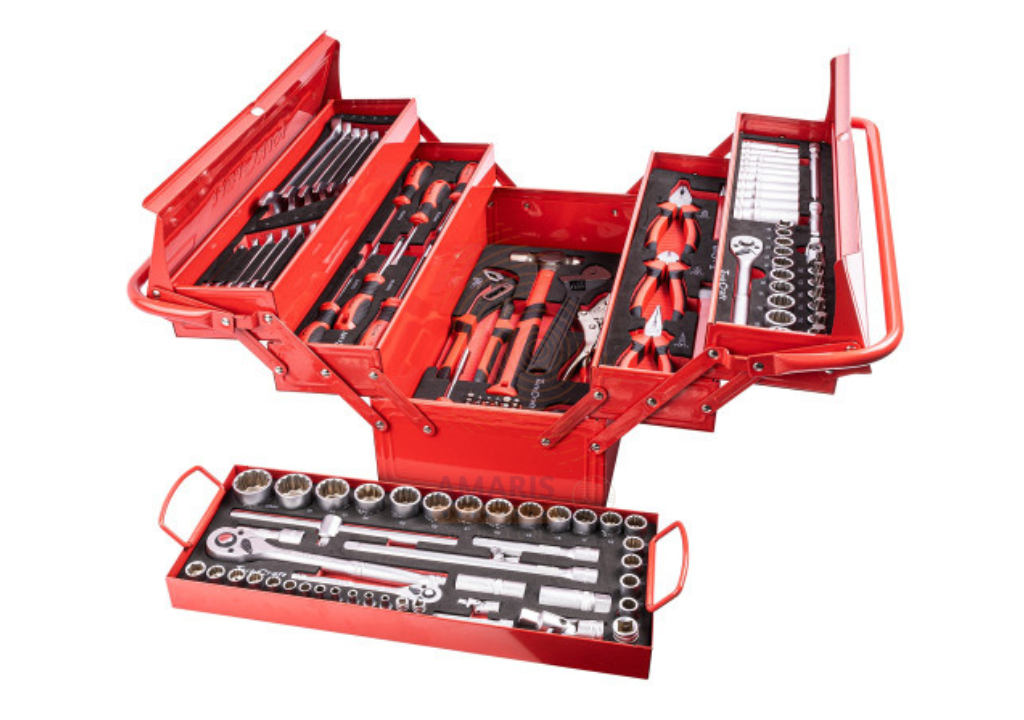
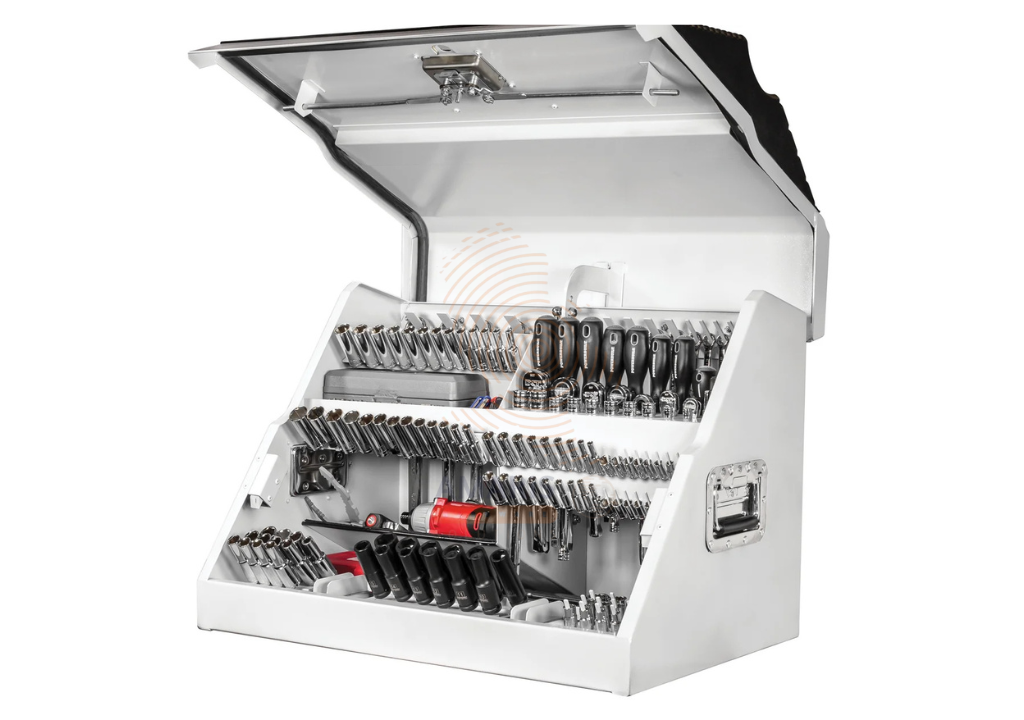
This matters because construction work can involve hours of repetitive movements. A tool that is easier to grip and control can reduce fatigue while helping workers maintain accuracy throughout the day. 🦺
Safety technology has evolved as well. Modern power tools may include features such as safety guards, electronic brakes, overload protection, soft-start systems, anti-restart functions, and improved insulation. These features help reduce risks while allowing users to take advantage of greater power and speed.
Perhaps one of the most exciting developments is the brushless motor. Unlike traditional brushed motors, brushless motors use electronic controls rather than physical brushes to transfer power. This can improve efficiency, reduce wear, and provide longer operating life. Today, brushless technology is found in many professional cordless tools.
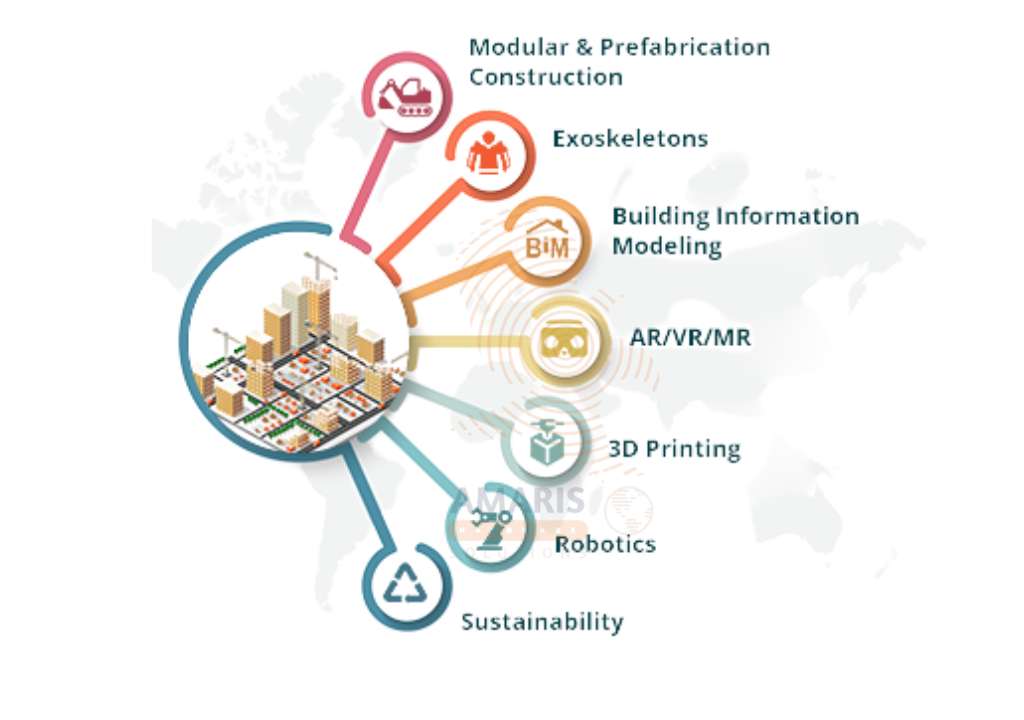
Construction equipment is also becoming smarter. Some modern tools can monitor battery performance, communicate with mobile applications, provide digital settings, or offer improved control over speed and torque. Technology that once seemed futuristic is increasingly becoming part of everyday construction work. 📱⚙️
But does modern technology make traditional tools obsolete? Not necessarily. A simple hammer, screwdriver, chisel, or hand saw can still be the perfect choice for many jobs. Experienced professionals understand that having advanced equipment doesn’t mean abandoning basic tools. The best toolbox combines traditional reliability with modern efficiency.
Looking ahead, construction tools will likely continue becoming lighter, smarter, more efficient, and more connected. Battery technology will continue improving, while automation and digital technology may make equipment even easier to control.
From the humble hammer to today’s high-performance cordless tools, the evolution of construction equipment shows how innovation can transform everyday work. 🛠️✨ The tools may have changed dramatically, but their purpose remains the same: helping skilled people turn plans, materials, and ideas into something real.
The next time you pick up a modern drill or power tool, remember—you aren’t just holding a machine. You’re holding the result of decades of engineering, experimentation, and innovation designed to make construction better.