
 Acrylic Sealants
 Construction Adhesives
 Double-Sided Tape
 Duct Tape
 Electrical Tape
 Epoxy & Resins
 Silicone Sealants
 Masking Tape
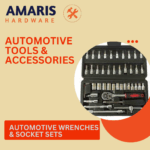 Automotive Wrenches & Socket Sets
 Battery Chargers & Jump Starters
 Car Jacks & Stands
 Car Wash & Detailing Products
 Diagnostic Tools
 Tire Inflators
 Vehicle Lighting
 Oil & Lubricants
 Adhesives & Sealants
 Bricks & Blocks
 Cement & Concrete
 Drywall & Plaster
 Flooring (Tiles, Wood, Laminate)
 Lumber & Plywood
 Paints, Primers & Coatings
 Insulation Materials
 Roofing Materials
 Circuit Breakers
 Electrical Cables & Wires
 Switches & Sockets
 Fuses & Relays
 Connectors & Terminals
 Electrical Boxes & Panels
 Conduit & Fittings
 Lighting Fixtures & Bulbs
 Extension Cords & Power Strips
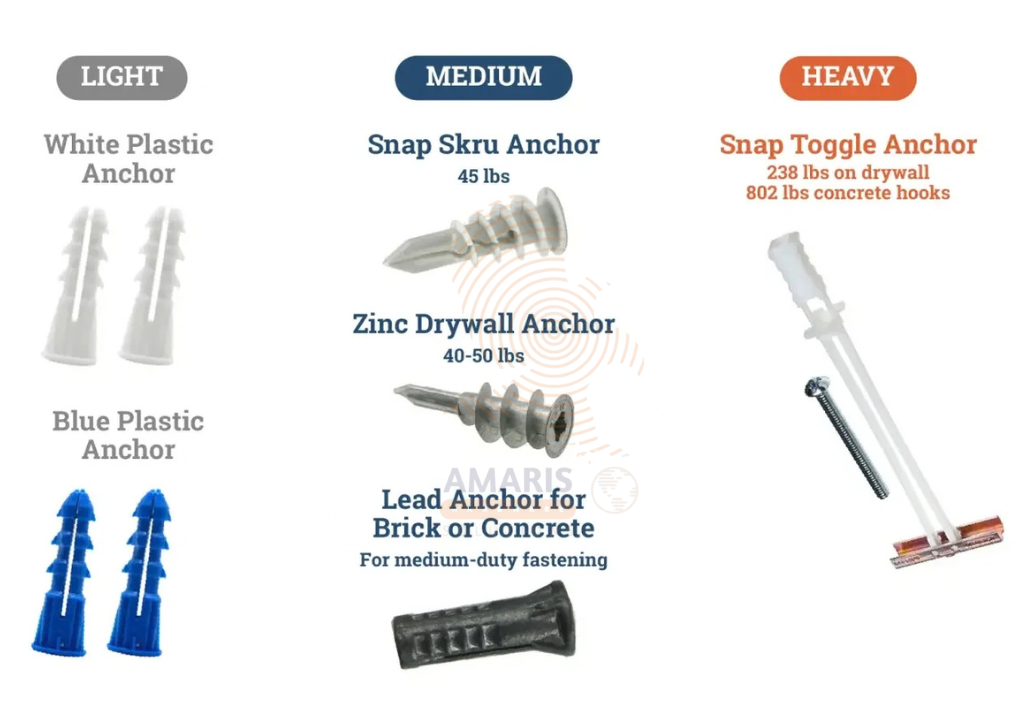
 Anchors
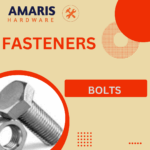 Bolts
Bolts Clips & Clamps
 Screws
 Nuts
Nuts Washers
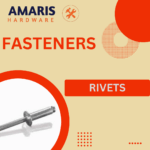 Rivets
 Nails
Nails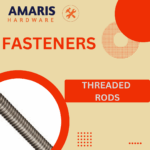 Threaded Rods
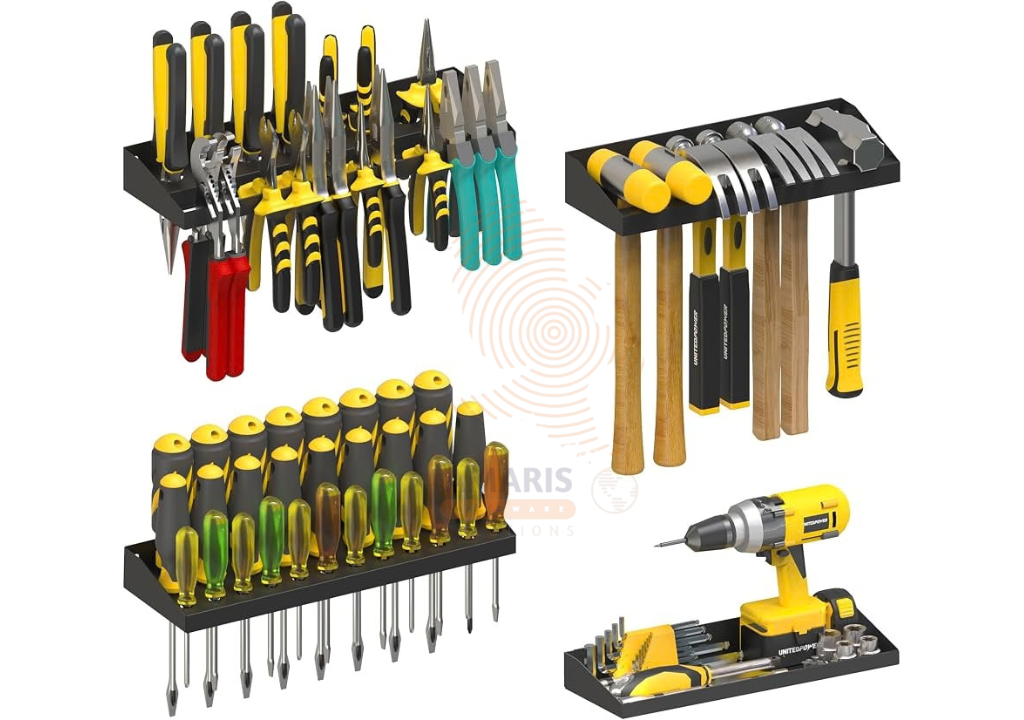
 Hammers
 Measuring Tools (Tapes, Levels, Calipers)
 Screwdrivers
 Pliers & Cutters
 Saws & Blades
 Chisels & Punches
 Allen Keys & Hex Keys
 Ratchets & Socket Sets
 Wrenches & Spanners
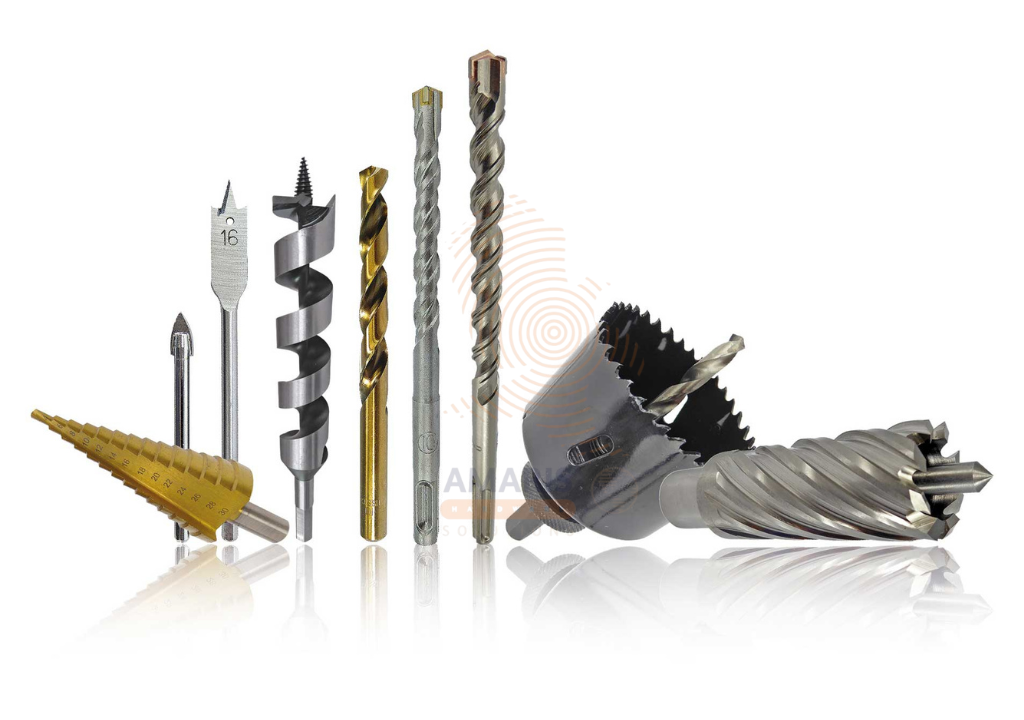
 Power Tool Accessories (Blades, Bits, Discs)
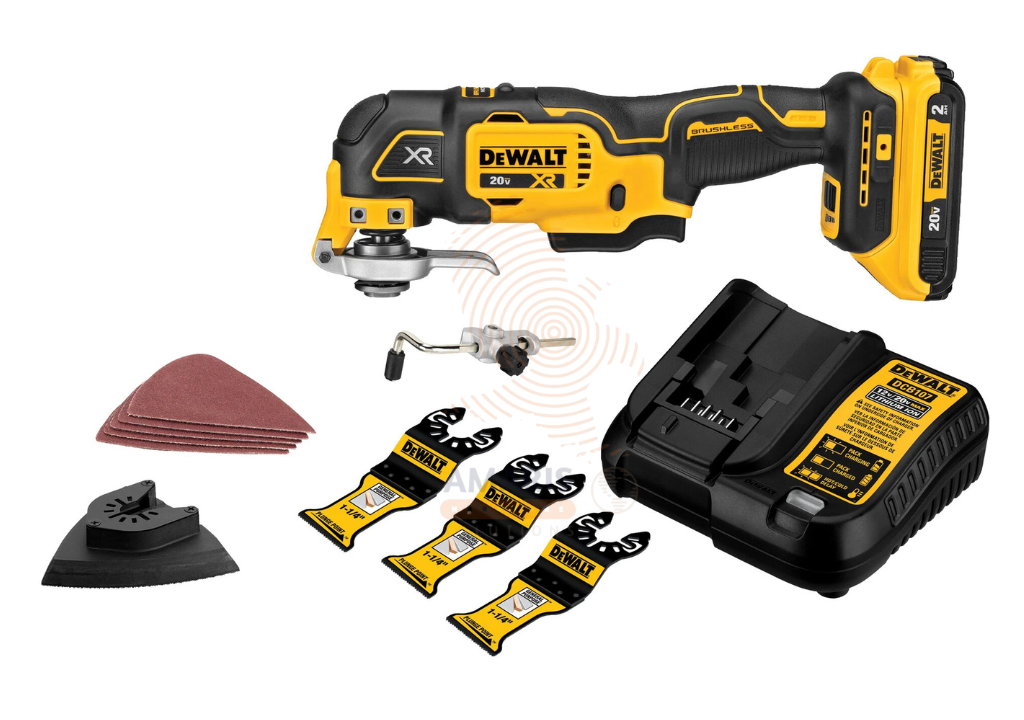
 Rotary Tools
 Saws (Circular, Jigsaw, Reciprocating)
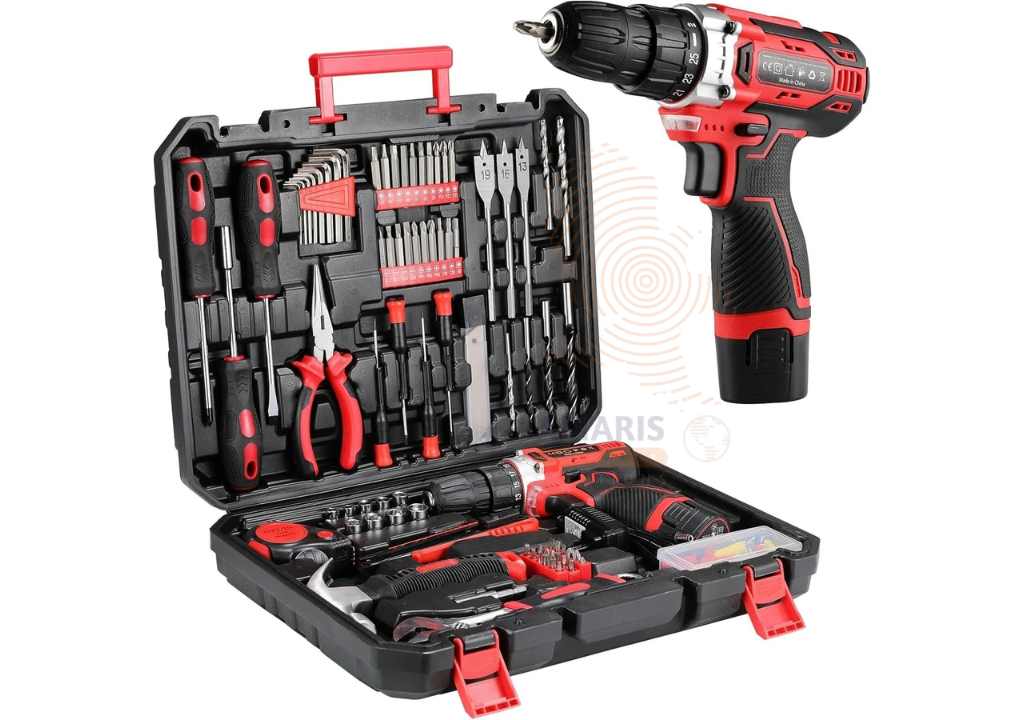
 Drills & Drivers
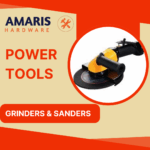 Grinders & Sanders
 Heat Guns
 Nail Guns
 Impact Wrenches
 Batteries & Chargers
 Pipes & Fittings (PVC, Copper, PEX)
 Plumbing Tools
 Pumps & Motors
 Sealants & Adhesives for Plumbing
 Valves & Taps
 Water Heaters
 Drainage Systems
 Faucets & Fixtures
 Hoses & Tubing
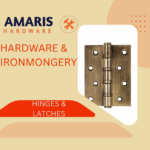 Hinges & Latches
 Hooks & Brackets
 Window Hardware
 Chains & Cables
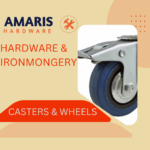 Casters & Wheels
 Shelving & Storage Systems
 Door Handles & Locks
 Drawer Slides & Cabinet Hardware
 Personal Protective Equipment (PPE)
 Respirators & Masks
 Safety Glasses
 Safes
Safes Security Cameras
 Gloves
 Helmets
 Ear Protection
 Fire Safety Equipment
 Locks & Padlocks
 Motion Sensors & Alarms
 Garden Fencing
 Garden Furniture Hardware
 Lawn Mowers
 Trimmers & Edgers
 Shovels & Spades
 Rakes & Hoes
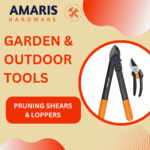 Pruning Shears & Loppers
 Watering Systems (Hoses, Sprinklers, Nozzles)
 Interior Paints
 Paint Brushes & Rollers
 Paint Strippers & Thinners
 Paint Trays & Accessories
 Exterior Paints
 Spray Paints
 Primers & Undercoats
 Varnishes & Stains
 Gaskets & Seals
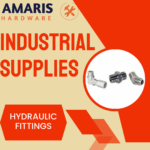 Hydraulic Fittings
 Industrial Fasteners
 Industrial Hoses
 Lubricants & Greases
 Metal Sheets & Bars
 Bearings & Bushings
 Belts & Pulleys
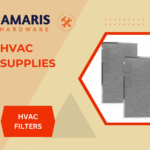 HVAC Filters
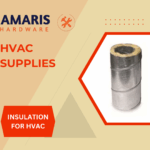 Insulation for HVAC
 Air Conditioners
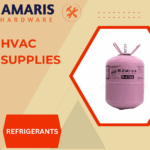 Refrigerants
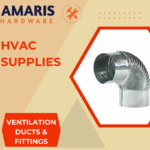 Ventilation Ducts & Fittings
 Thermostats & Controllers
 Fans & Blowers
 Pegboards & Hooks
 Shelving Units
 Storage Bins & Containers
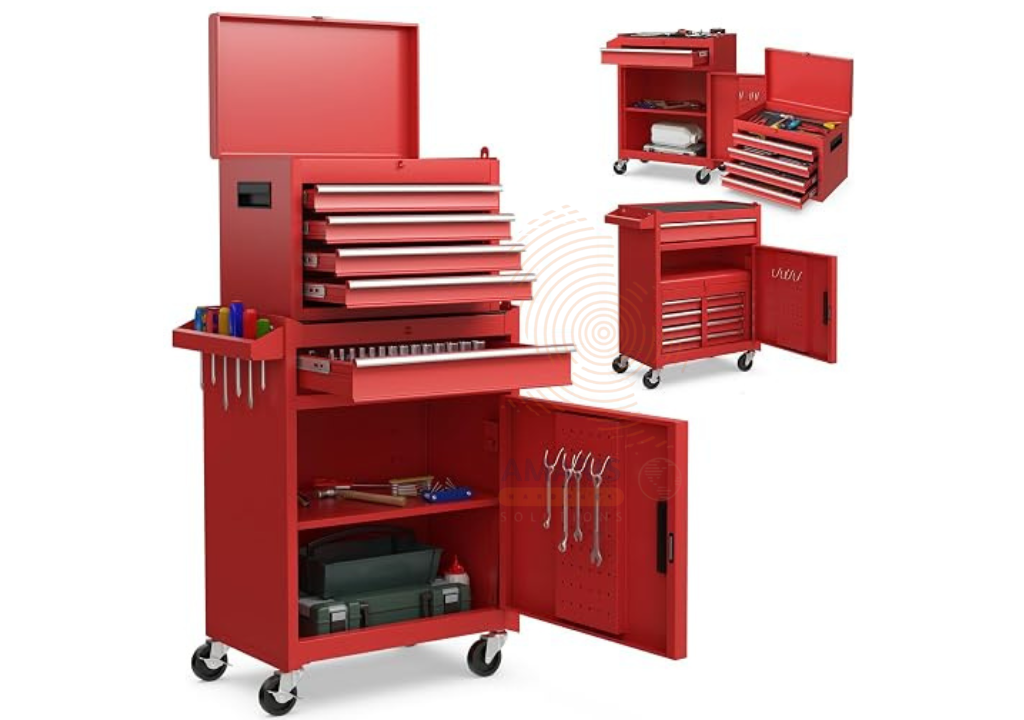
 Toolboxes & Tool Chests
 Workbenches
 Drawer Organizers
 Labeling Supplies
 Welding Accessories (Clamps, Brushes)
 Welding Electrodes & Rods
 Welding Helmets & Gloves
 Welding Machines
 Soldering Irons & Stations
 Flux & Solder Wire
 Generator Accessories
 Inverters
 Portable Generators
 Power Inverters
 Transfer Switches
 Diesel & Gasoline Generators
 Transport Equipment: Carts, Dollies, and Hand Trucks
 Storage Solutions: Pallets, Racks, and Containers
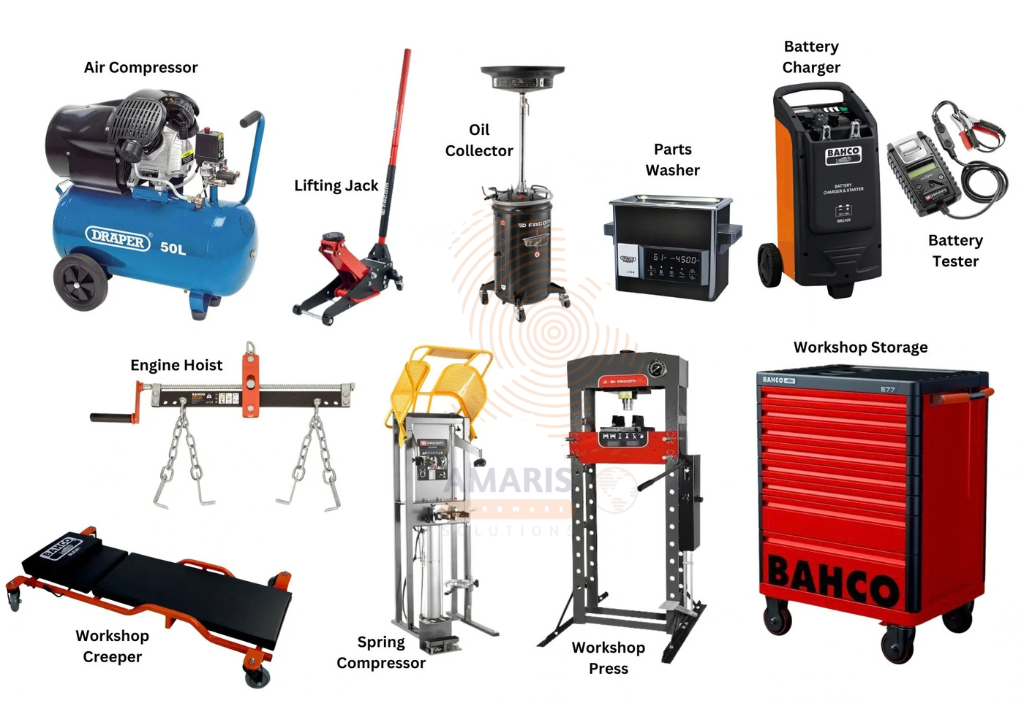
 Lifting Equipment: Hoists, Cranes, and Jacks
 Conveyors & Accessories: Belts & Rollers
 Office Chairs
⚙️🔧 How to Choose the Right Angle Grinder for Your Projects

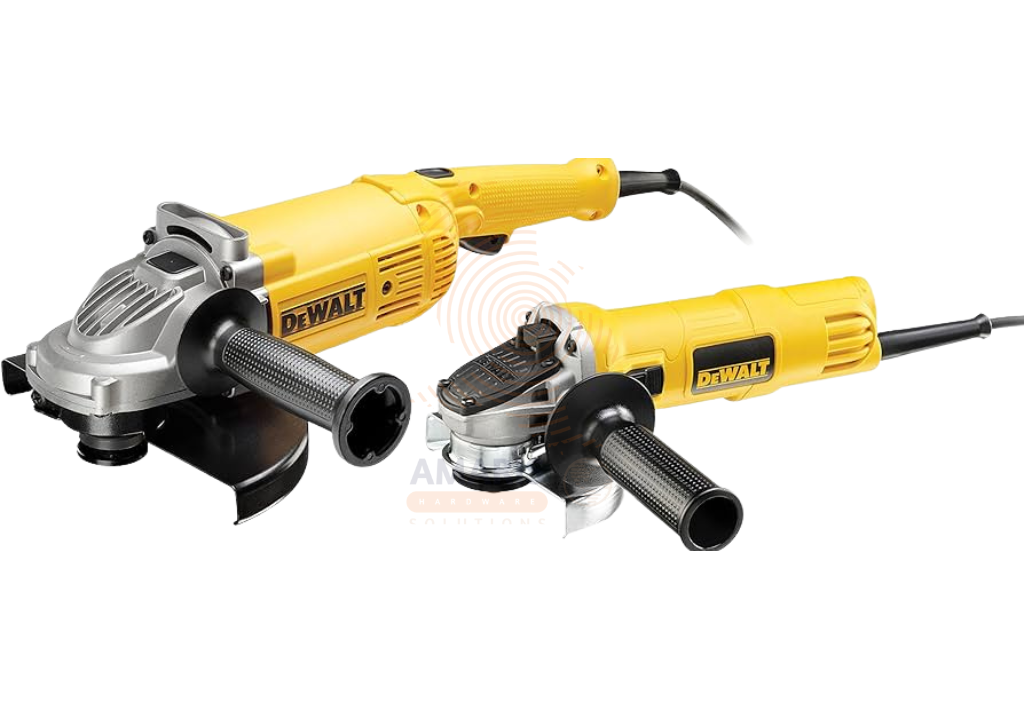
An angle grinder is one of the most versatile power tools you can own. Whether you’re cutting metal, grinding welds, polishing surfaces, removing rust, or even cutting tiles, the right angle grinder can make your work faster, easier, and more professional. 🛠️
However, with so many models available on the market, choosing the right one can feel overwhelming. Different projects require different levels of power, disc sizes, and features. Buying the wrong grinder can lead to poor performance, unnecessary expenses, or even safety risks.
If you’re planning to invest in an angle grinder, here are the key factors to consider before making your choice.
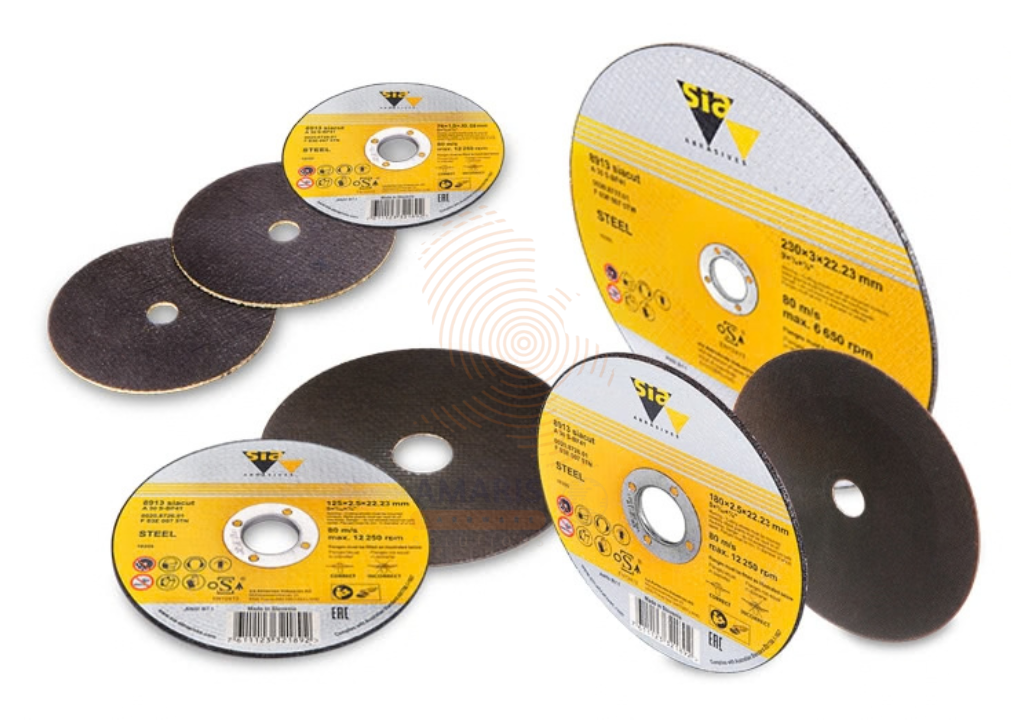
📏 Consider the Disc Size First
One of the first things you’ll notice when shopping for an angle grinder is the disc size.
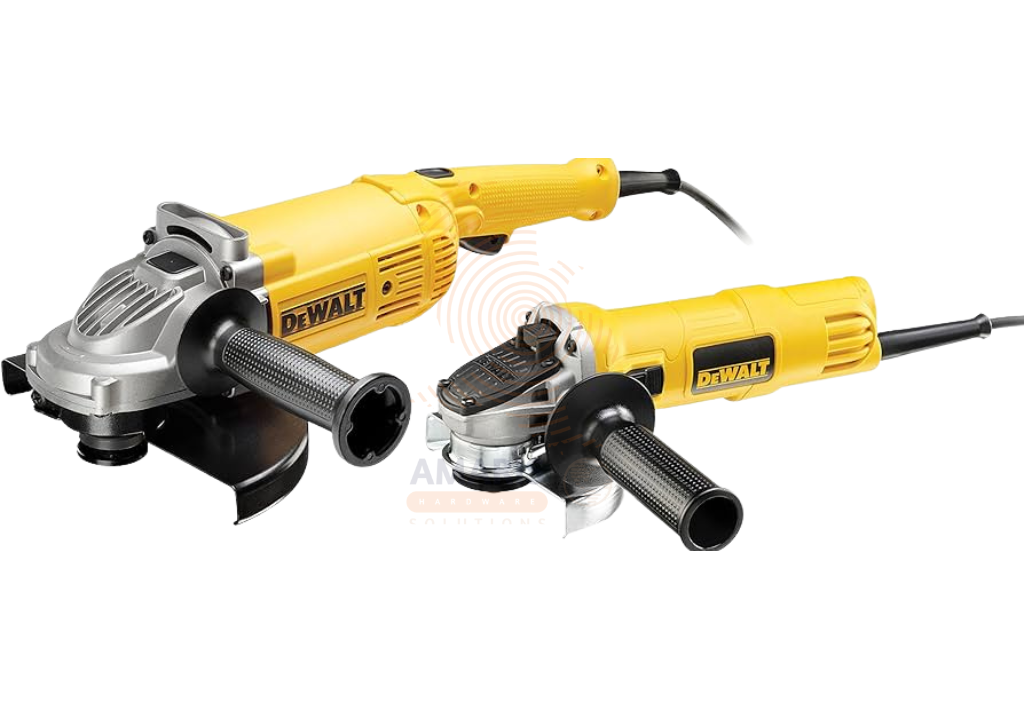
Common sizes include:
- 4-inch (100mm)
- 4.5-inch (115mm)
- 5-inch (125mm)
- 7-inch (180mm)
- 9-inch (230mm)
Smaller grinders are ideal for precision work, light cutting, and DIY projects. They are lightweight, easier to control, and perfect for working in tight spaces.
Larger grinders are designed for heavy-duty construction and industrial applications where deeper cuts and faster material removal are required.
For most homeowners, fabricators, and workshop users, a 4.5-inch or 5-inch grinder offers the best balance of power and versatility. ⚙️
⚡ Choose the Right Power Rating
The power of an angle grinder directly affects its performance.
Higher wattage grinders generally provide:
- Faster cutting
- Better grinding performance
- Greater durability under heavy loads
For light household tasks, a lower-powered grinder may be sufficient. However, if you’re regularly cutting steel, concrete, or thick materials, investing in a higher-powered model will improve efficiency and reduce strain on the tool.
Remember, more power often means better performance for demanding projects.
🔋 Corded vs Cordless
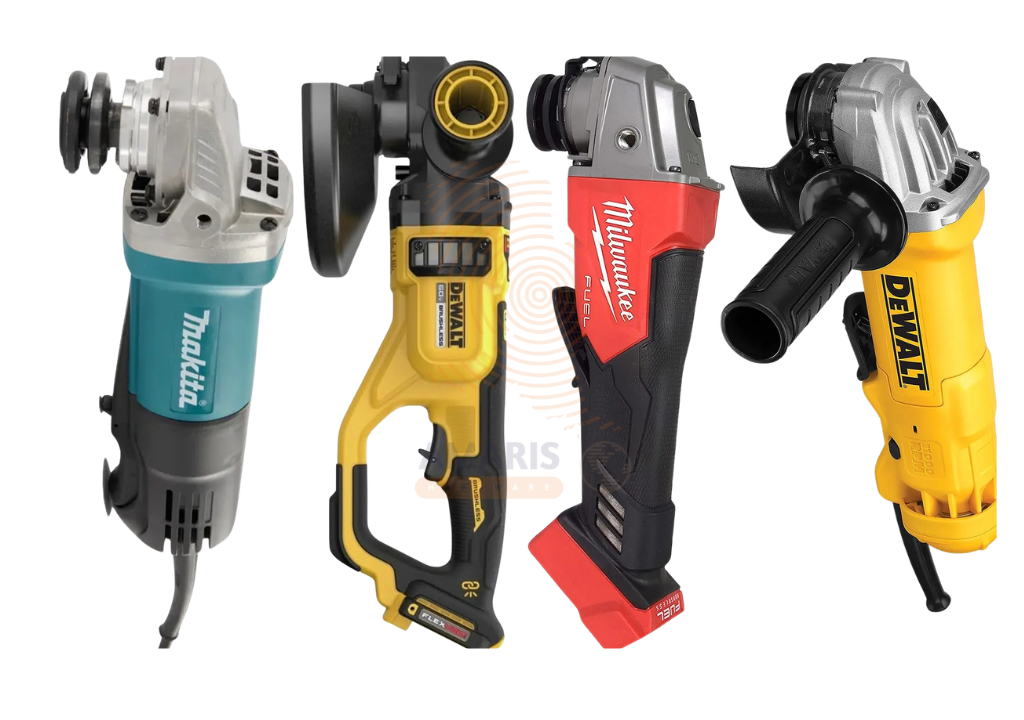
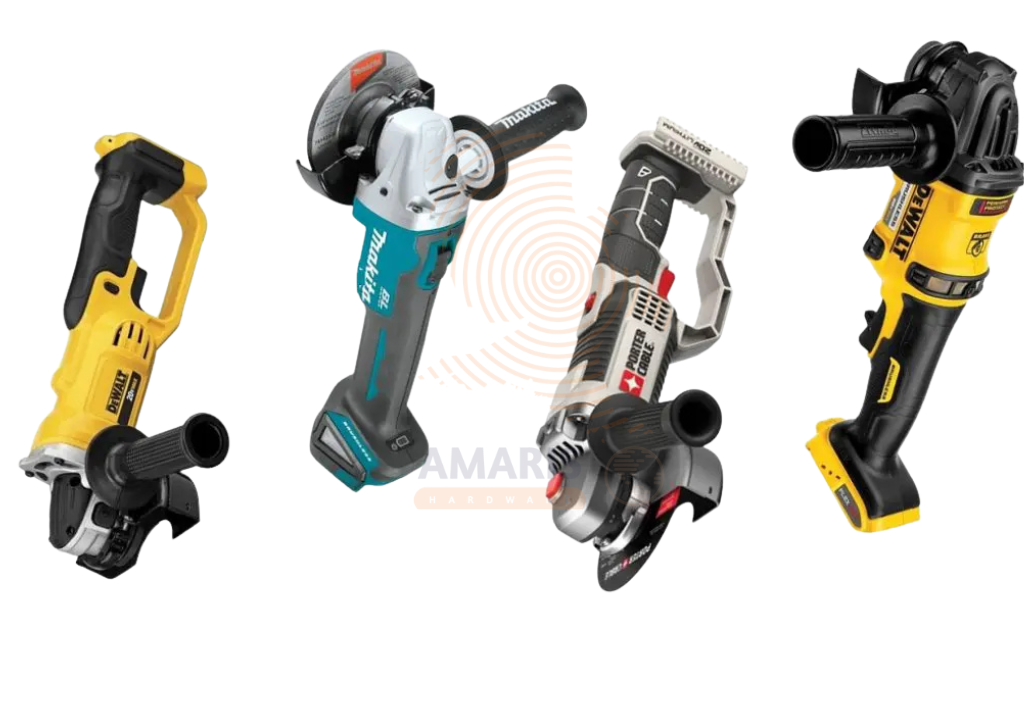
Modern angle grinders come in both corded and cordless versions.
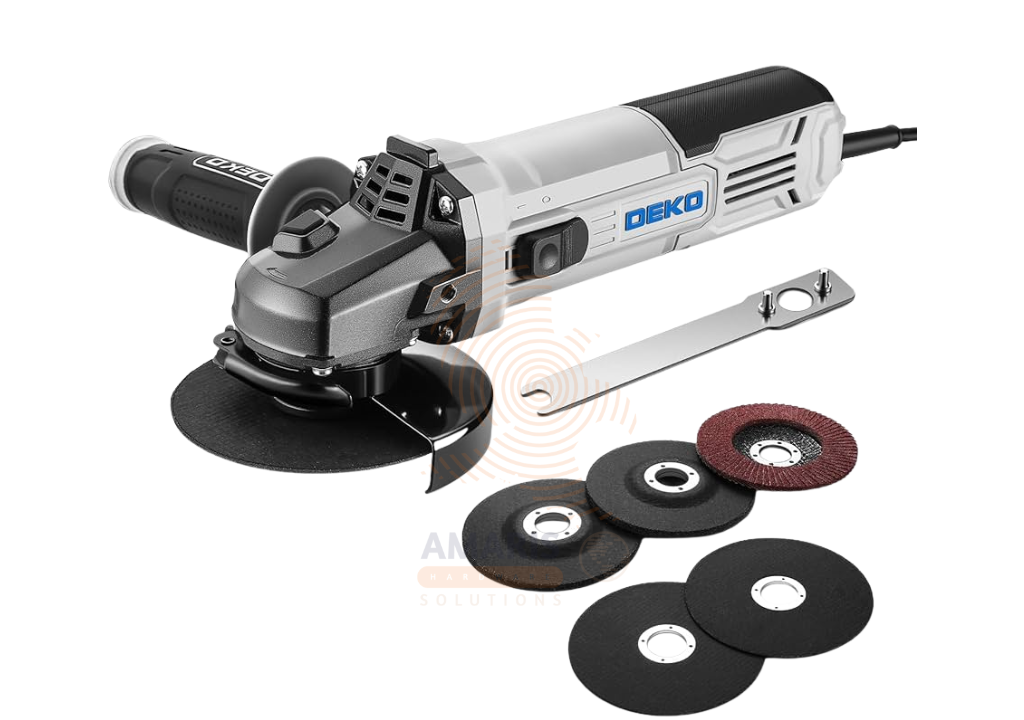
Corded Angle Grinders
These provide continuous power and are ideal for:
- Workshops
- Fabrication shops
- Construction sites with reliable electricity
They are generally more affordable and suitable for long periods of use.
Cordless Angle Grinders
Cordless models offer greater mobility and convenience.
They are perfect for:
- Outdoor projects
- Remote job sites
- Quick repair tasks
With improvements in battery technology, cordless grinders are becoming increasingly popular among professionals and DIY users alike. 🔋
🛡️ Prioritize Safety Features
Safety should never be overlooked when choosing any power tool.
Look for features such as:
- Adjustable safety guards
- Anti-restart protection
- Soft start technology
- Side handles for better control
- Overload protection
These features help reduce accidents and improve user confidence during operation.
A safer tool is often a better long-term investment.
🔧 Think About Your Intended Use
Different projects require different capabilities.
Ask yourself:
- Will you mainly cut metal?
- Do you need it for polishing?
- Will you grind welds regularly?
- Are you cutting masonry or concrete?
If your work varies, choose a versatile grinder that supports multiple discs and attachments. This allows one tool to perform several functions, saving both money and storage space.
🏗️ Build Quality Matters
A quality angle grinder should feel sturdy and well-balanced in your hands.
Look for:
- Durable housing
- Comfortable grip
- Reliable motor
- Good ventilation system
While cheaper options may seem attractive, investing in a durable grinder often saves money in the long run by reducing breakdowns and replacement costs.
Professionals know that dependable tools pay for themselves over time.
💡 Don’t Forget the Accessories
The grinder itself is only part of the equation.
You’ll also need the right accessories for your application, including:
- Cutting discs
- Grinding discs
- Flap discs
- Wire brushes
- Polishing pads
Choosing high-quality accessories improves performance and extends the life of your tool.
🚀 Final Thoughts
An angle grinder is one of the hardest-working tools in any workshop, construction site, or home toolbox. Choosing the right one depends on your projects, working environment, and performance needs.
By considering disc size, power rating, safety features, build quality, and intended use, you can find a grinder that delivers reliable performance for years to come.
Whether you’re a professional contractor, metal fabricator, mechanic, or DIY enthusiast, the right angle grinder can help you work faster, safer, and with greater precision on every project. ⚙️🔧