
 Acrylic Sealants
 Construction Adhesives
 Double-Sided Tape
 Duct Tape
 Electrical Tape
 Epoxy & Resins
 Silicone Sealants
 Masking Tape
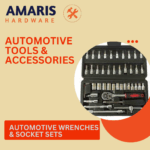 Automotive Wrenches & Socket Sets
 Battery Chargers & Jump Starters
 Car Jacks & Stands
 Car Wash & Detailing Products
 Diagnostic Tools
 Tire Inflators
 Vehicle Lighting
 Oil & Lubricants
 Adhesives & Sealants
 Bricks & Blocks
 Cement & Concrete
 Drywall & Plaster
 Flooring (Tiles, Wood, Laminate)
 Lumber & Plywood
 Paints, Primers & Coatings
 Insulation Materials
 Roofing Materials
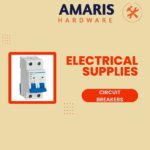 Circuit Breakers
 Electrical Cables & Wires
 Switches & Sockets
 Fuses & Relays
 Connectors & Terminals
 Electrical Boxes & Panels
 Conduit & Fittings
 Lighting Fixtures & Bulbs
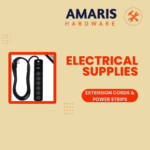 Extension Cords & Power Strips
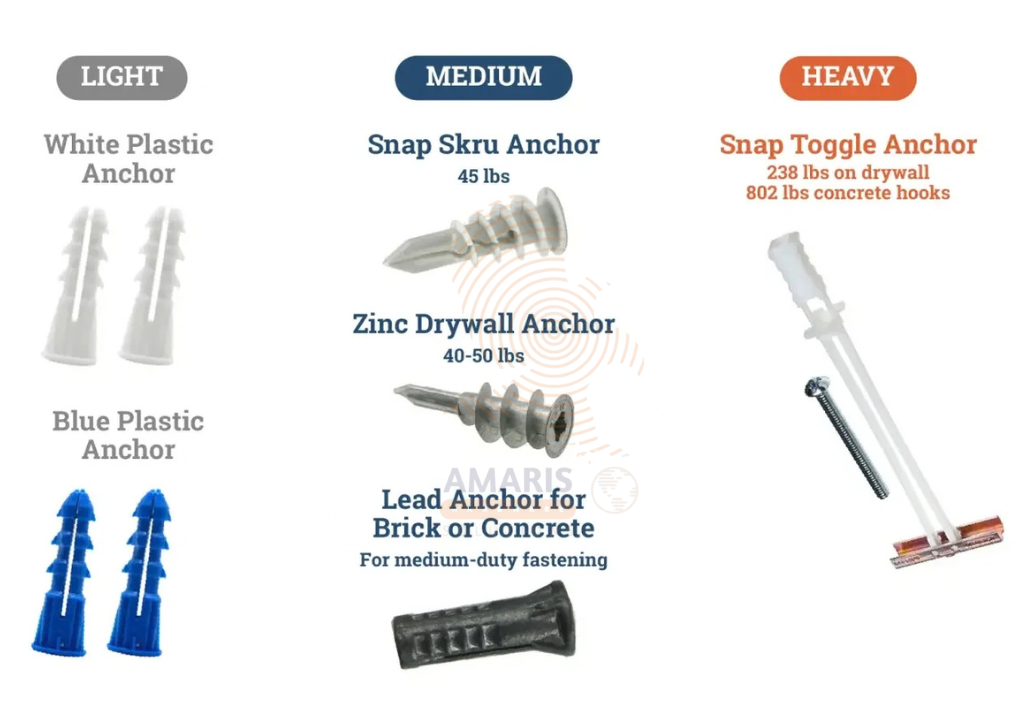
 Anchors
 Bolts
Bolts Clips & Clamps
 Screws
 Nuts
Nuts Washers
 Rivets
 Nails
Nails Threaded Rods
 Hammers
 Measuring Tools (Tapes, Levels, Calipers)
 Screwdrivers
 Pliers & Cutters
 Saws & Blades
 Chisels & Punches
 Allen Keys & Hex Keys
 Ratchets & Socket Sets
 Wrenches & Spanners
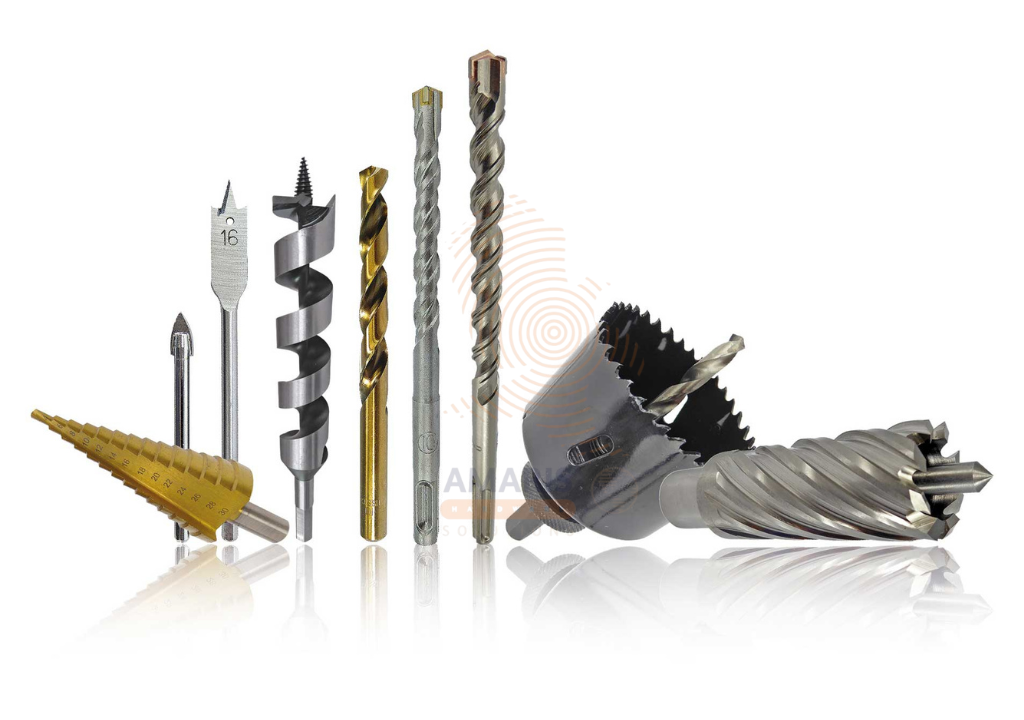
 Power Tool Accessories (Blades, Bits, Discs)
 Rotary Tools
 Saws (Circular, Jigsaw, Reciprocating)
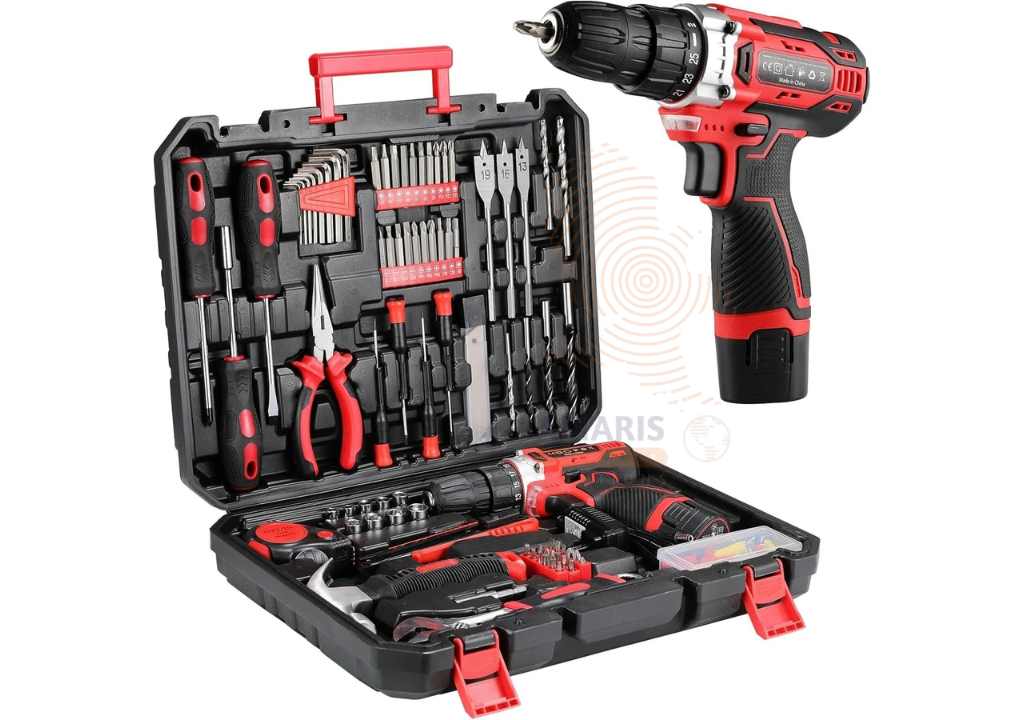
 Drills & Drivers
 Grinders & Sanders
 Heat Guns
 Nail Guns
 Impact Wrenches
 Batteries & Chargers
 Pipes & Fittings (PVC, Copper, PEX)
 Plumbing Tools
 Pumps & Motors
 Sealants & Adhesives for Plumbing
 Valves & Taps
 Water Heaters
 Drainage Systems
 Faucets & Fixtures
 Hoses & Tubing
 Hinges & Latches
 Hooks & Brackets
 Window Hardware
 Chains & Cables
 Casters & Wheels
 Shelving & Storage Systems
 Door Handles & Locks
 Drawer Slides & Cabinet Hardware
 Personal Protective Equipment (PPE)
 Respirators & Masks
 Safety Glasses
 Safes
Safes Security Cameras
 Gloves
 Helmets
 Ear Protection
 Fire Safety Equipment
 Locks & Padlocks
 Motion Sensors & Alarms
 Garden Fencing
 Garden Furniture Hardware
 Lawn Mowers
 Trimmers & Edgers
 Shovels & Spades
 Rakes & Hoes
 Pruning Shears & Loppers
 Watering Systems (Hoses, Sprinklers, Nozzles)
 Interior Paints
 Paint Brushes & Rollers
 Paint Strippers & Thinners
 Paint Trays & Accessories
 Exterior Paints
 Spray Paints
 Primers & Undercoats
 Varnishes & Stains
 Gaskets & Seals
 Hydraulic Fittings
 Industrial Fasteners
 Industrial Hoses
 Lubricants & Greases
 Metal Sheets & Bars
 Bearings & Bushings
 Belts & Pulleys
 HVAC Filters
 Insulation for HVAC
 Air Conditioners
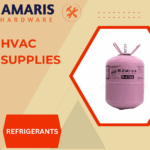 Refrigerants
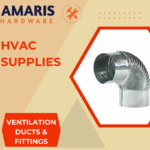 Ventilation Ducts & Fittings
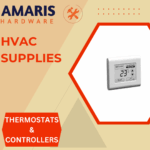 Thermostats & Controllers
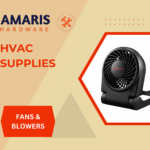 Fans & Blowers
 Pegboards & Hooks
 Shelving Units
 Storage Bins & Containers
 Toolboxes & Tool Chests
 Workbenches
 Drawer Organizers
 Labeling Supplies
 Welding Accessories (Clamps, Brushes)
 Welding Electrodes & Rods
 Welding Helmets & Gloves
 Welding Machines
 Soldering Irons & Stations
 Flux & Solder Wire
 Generator Accessories
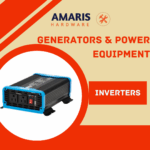 Inverters
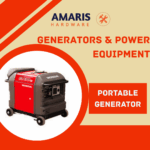 Portable Generators
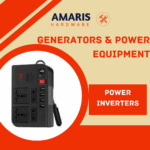 Power Inverters
 Transfer Switches
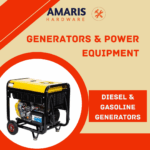 Diesel & Gasoline Generators
 Transport Equipment: Carts, Dollies, and Hand Trucks
 Storage Solutions: Pallets, Racks, and Containers
 Lifting Equipment: Hoists, Cranes, and Jacks
 Conveyors & Accessories: Belts & Rollers
 Office Chairs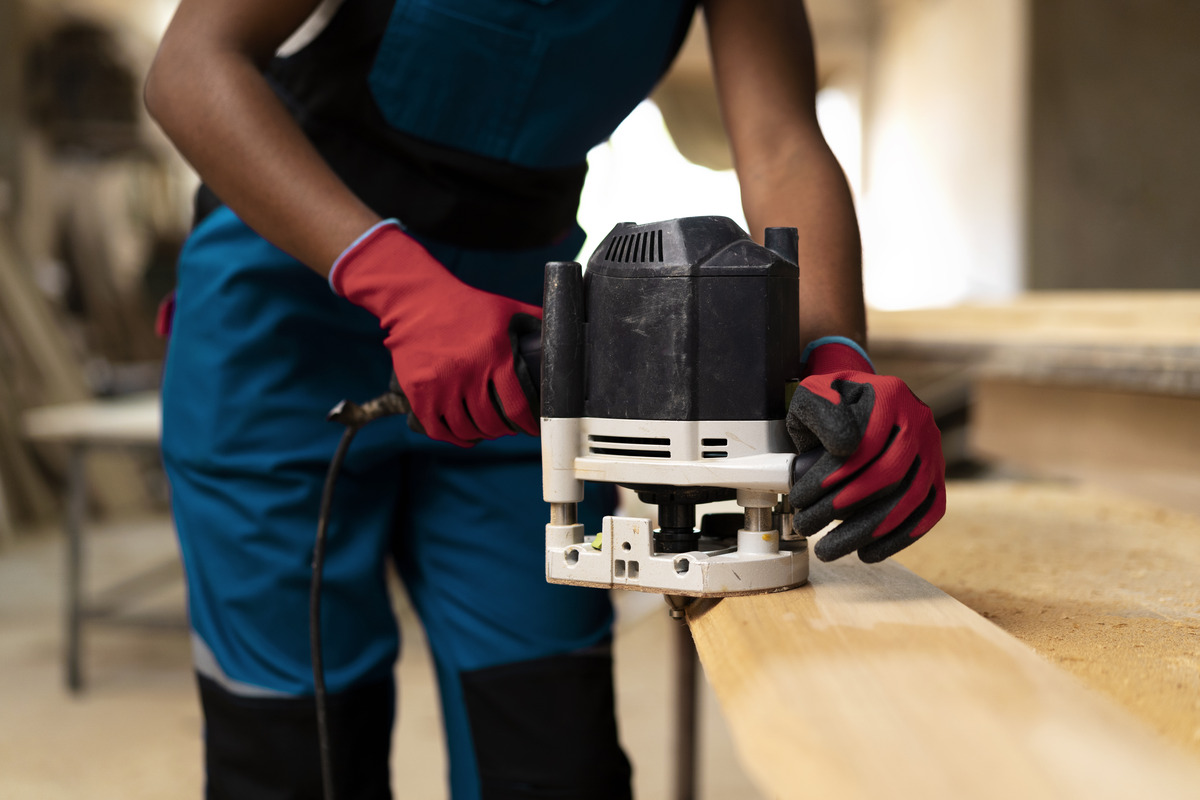
⚠️🔧 Common Mistakes People Make When Buying Power Tools

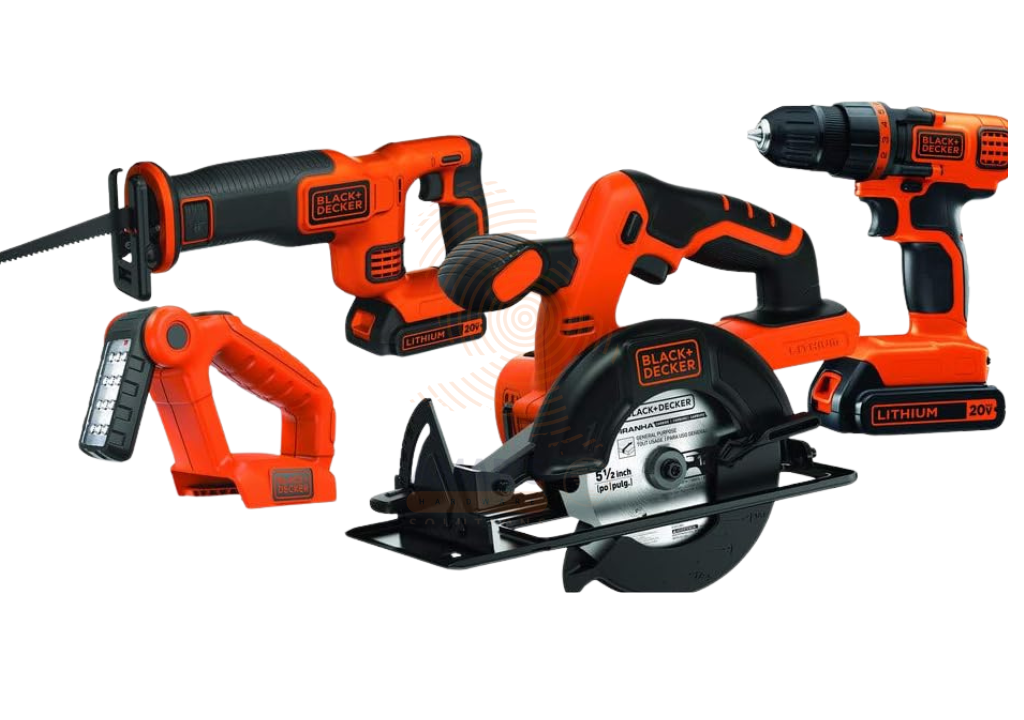
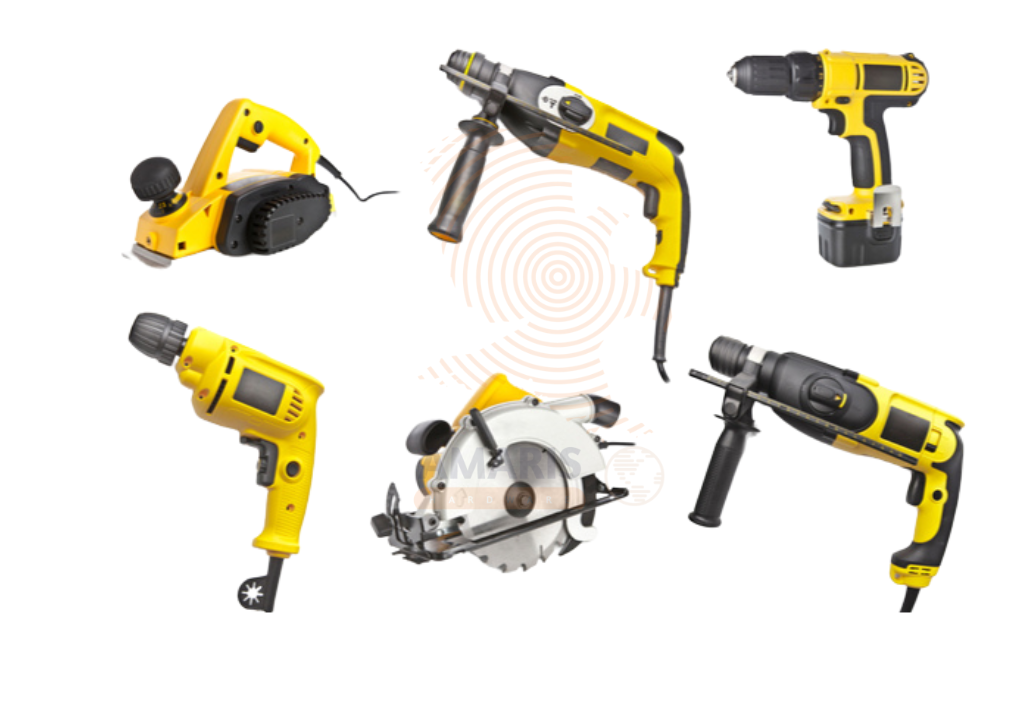
Power tools are among the most valuable investments for contractors, technicians, workshop owners, and DIY enthusiasts. Whether you’re purchasing a drill, angle grinder, circular saw, impact wrench, or pressure washer, the right tool can improve efficiency, save time, and deliver professional-quality results. 💪
However, many buyers focus only on price or appearance and end up choosing tools that don’t suit their needs. This often leads to poor performance, frequent replacements, unnecessary expenses, and frustration on the job.
Before making your next purchase, here are some of the most common mistakes people make when buying power tools—and how you can avoid them.
💰 1. Choosing Based on Price Alone
One of the biggest mistakes buyers make is purchasing the cheapest tool available.
While saving money is important, extremely cheap tools often come with:
- Lower durability
- Reduced performance
- Shorter lifespan
- Limited safety features
A low-priced tool may seem like a bargain initially, but repeated repairs or replacements can cost far more in the long run. Instead, focus on value, reliability, and performance.
🛠️ 2. Buying the Wrong Tool for the Job
Not every power tool is designed for every task.
For example:
- A lightweight drill may struggle with concrete drilling.
- A small angle grinder may not be suitable for heavy-duty cutting.
- A homeowner-grade tool may not withstand daily professional use.
Before purchasing, consider exactly how and where you’ll use the tool. Matching the tool to the job ensures better performance and longer service life.
⚡ 3. Ignoring Power Ratings
Many buyers overlook motor power and performance specifications.
Higher-powered tools are generally better suited for demanding applications, while lower-powered models may be ideal for occasional use.
Choosing a tool with insufficient power can lead to:
- Slow performance
- Motor strain
- Increased wear and tear
Always check the power rating and ensure it matches your intended workload.
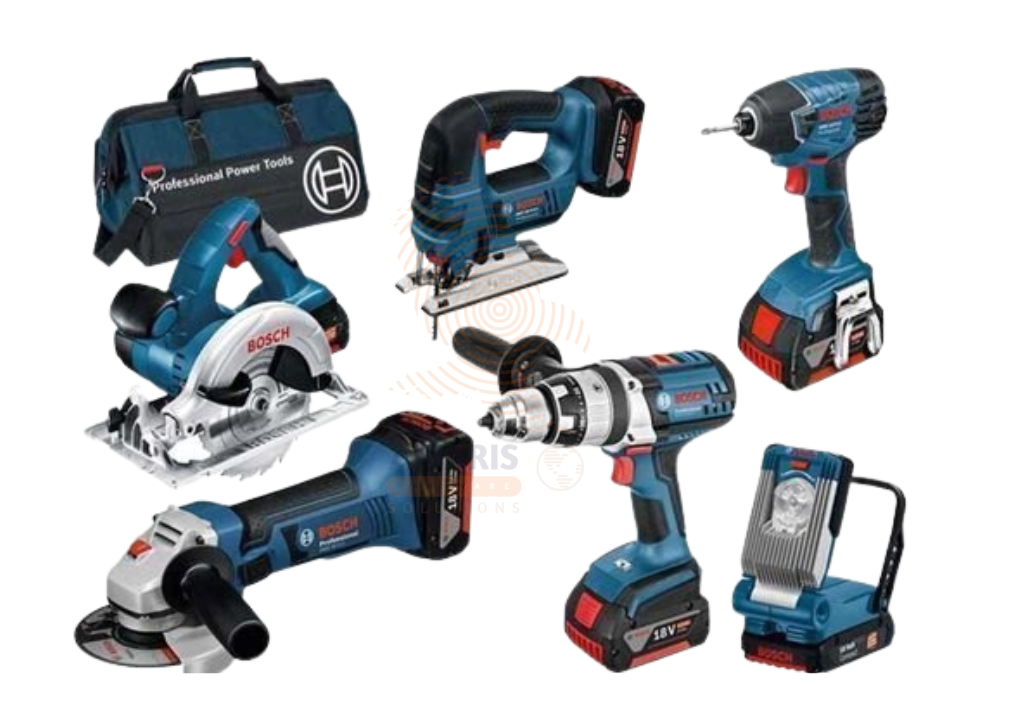
🔋 4. Overlooking Battery Performance
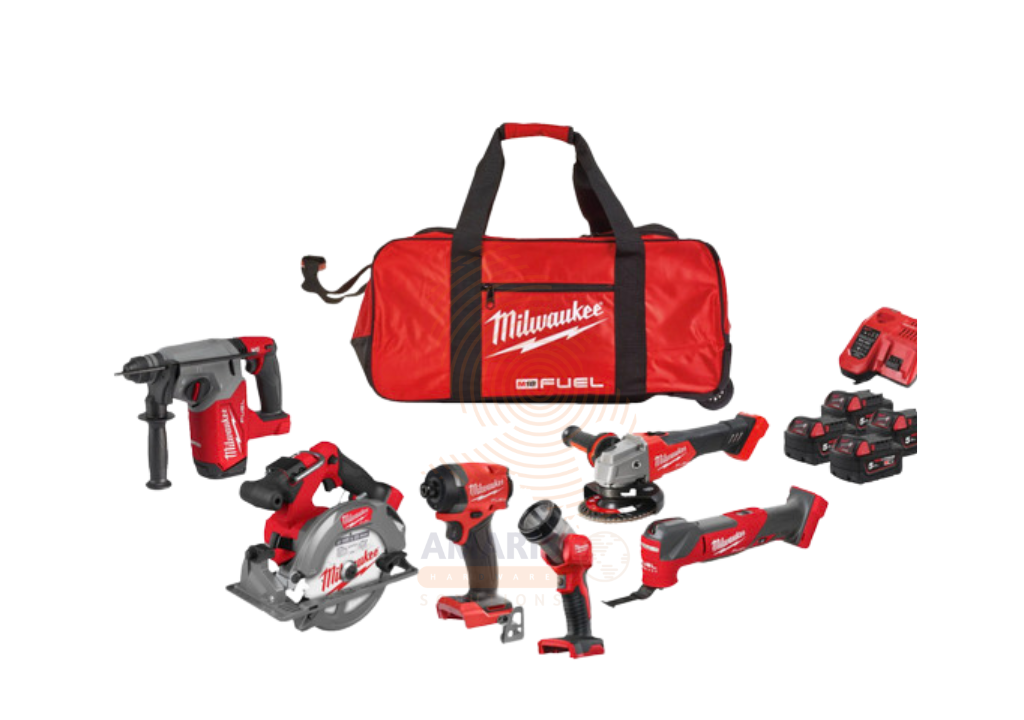
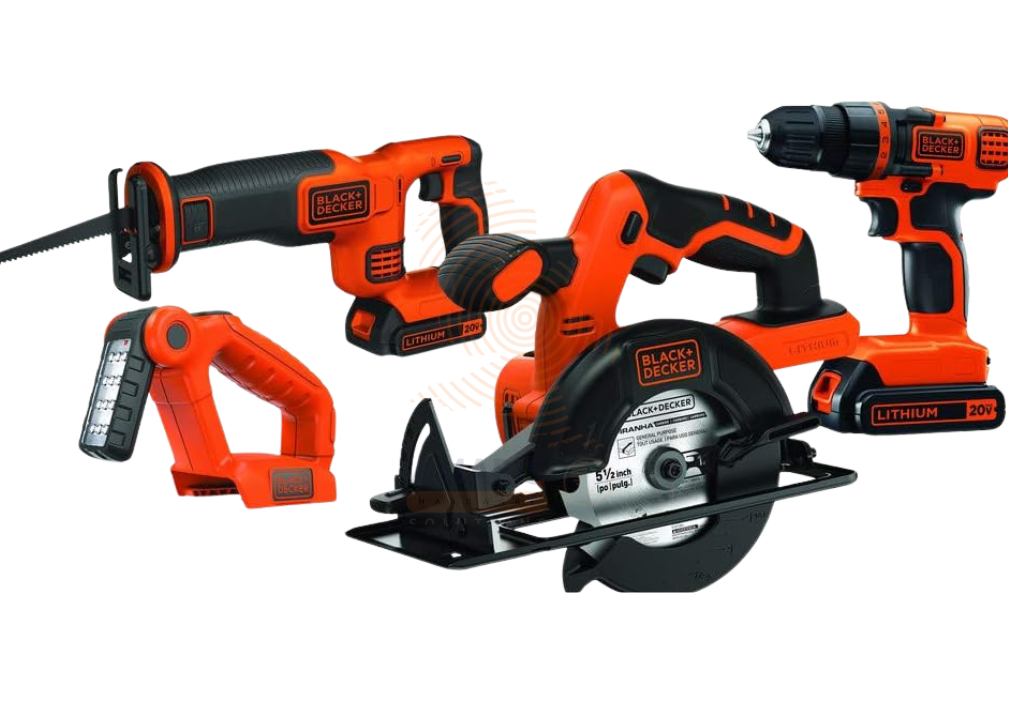
For cordless tools, battery quality is just as important as the tool itself.
Some buyers focus only on the tool and forget to consider:
- Battery capacity
- Charging time
- Runtime
- Availability of spare batteries
A powerful cordless tool is only useful if the battery can keep up with the demands of the job.
🛡️ 5. Ignoring Safety Features
Safety should always be a top priority when buying power tools.
Modern tools often include:
- Safety guards
- Soft-start technology
- Anti-restart protection
- Overload protection
- Anti-vibration systems
Skipping these features to save money can increase the risk of accidents and injuries.
🏗️ 6. Not Considering Future Needs
Many people buy tools based only on their current project.
While this may seem practical, it can lead to additional expenses later when new tasks arise.
A versatile, high-quality tool often provides greater long-term value because it can handle a wider variety of applications.
Think beyond today’s project and consider future uses as well.
🔩 7. Ignoring Build Quality
A power tool may look impressive on the outside, but internal quality matters most.
Pay attention to:
- Construction materials
- Motor quality
- Handle comfort
- Overall durability
A well-built tool can withstand demanding work environments and deliver consistent performance for years.
🧰 8. Forgetting About Accessories
Many buyers purchase a tool without checking the availability of compatible accessories.
For example:
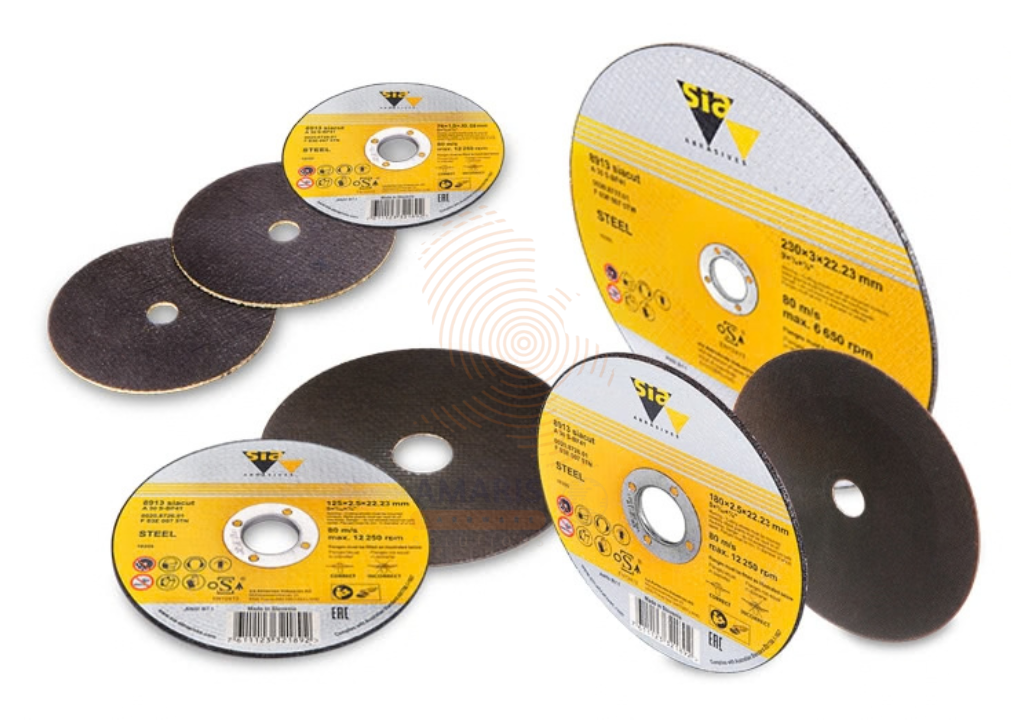
- Cutting discs
- Drill bits
- Grinding wheels
- Batteries
- Chargers
Readily available accessories make the tool more practical and easier to maintain over time.
📖 9. Skipping Product Research
In today’s market, information is easily accessible, yet many buyers make decisions without proper research.
Reading reviews, comparing specifications, and understanding product features can help you make a more informed purchase.
A few minutes of research can save you from years of disappointment.
🚀 Final Thoughts
Buying power tools is about more than choosing something that looks good on the shelf. The right tool should match your needs, provide reliable performance, and offer long-term value.
By avoiding common mistakes such as focusing only on price, ignoring safety features, overlooking power ratings, or choosing the wrong tool for the job, you can make smarter purchasing decisions and get the most out of your investment. 🔧
Whether you’re a professional contractor, workshop owner, mechanic, or DIY enthusiast, selecting the right power tools today will help you work more efficiently, safely, and confidently on every project.