
 Acrylic Sealants
 Construction Adhesives
 Double-Sided Tape
 Duct Tape
 Electrical Tape
 Epoxy & Resins
 Silicone Sealants
 Masking Tape
 Automotive Wrenches & Socket Sets
 Battery Chargers & Jump Starters
 Car Jacks & Stands
 Car Wash & Detailing Products
 Diagnostic Tools
 Tire Inflators
 Vehicle Lighting
 Oil & Lubricants
 Adhesives & Sealants
 Bricks & Blocks
 Cement & Concrete
 Drywall & Plaster
 Flooring (Tiles, Wood, Laminate)
 Lumber & Plywood
 Paints, Primers & Coatings
 Insulation Materials
 Roofing Materials
 Circuit Breakers
 Electrical Cables & Wires
 Switches & Sockets
 Fuses & Relays
 Connectors & Terminals
 Electrical Boxes & Panels
 Conduit & Fittings
 Lighting Fixtures & Bulbs
 Extension Cords & Power Strips
 Anchors
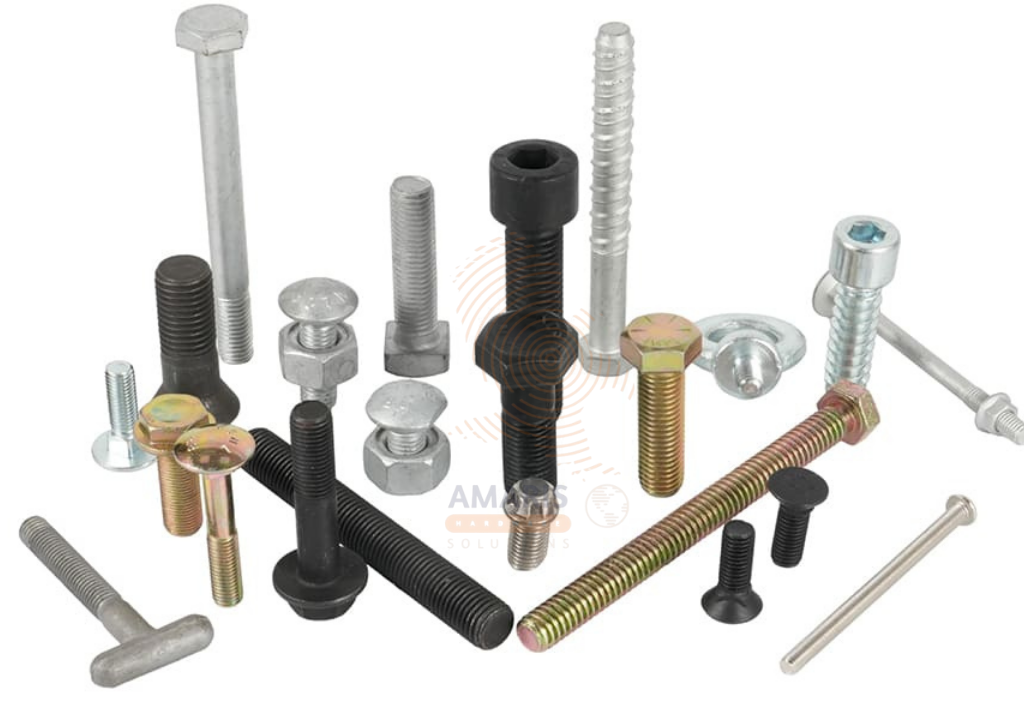
 Bolts
Bolts Clips & Clamps
 Screws
 Nuts
Nuts Washers
 Rivets
 Nails
Nails Threaded Rods
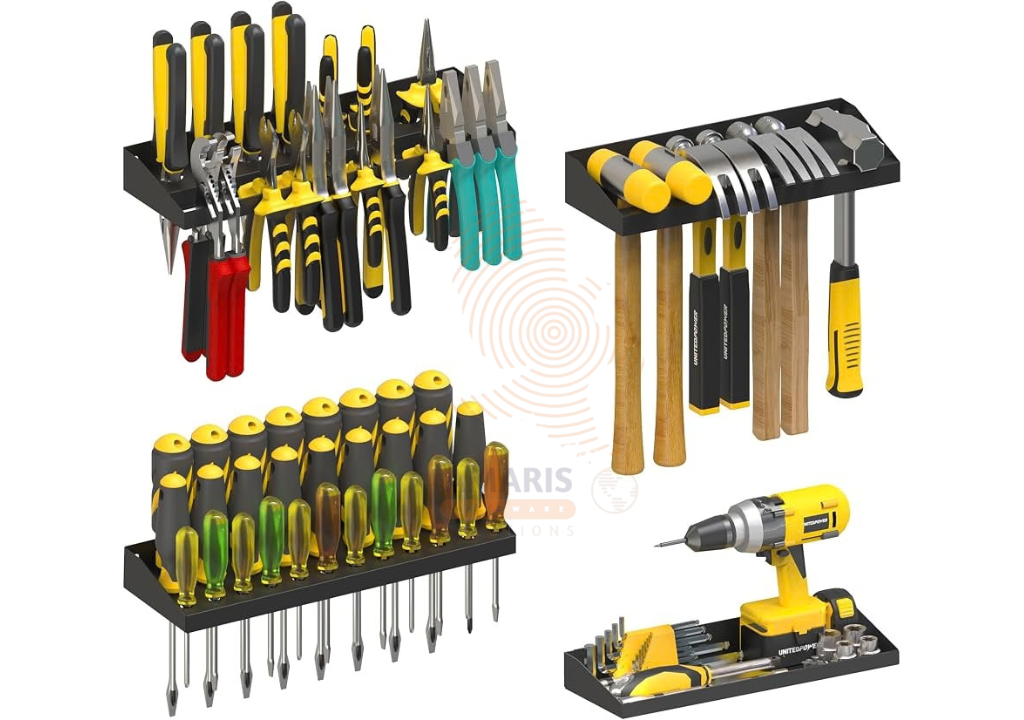
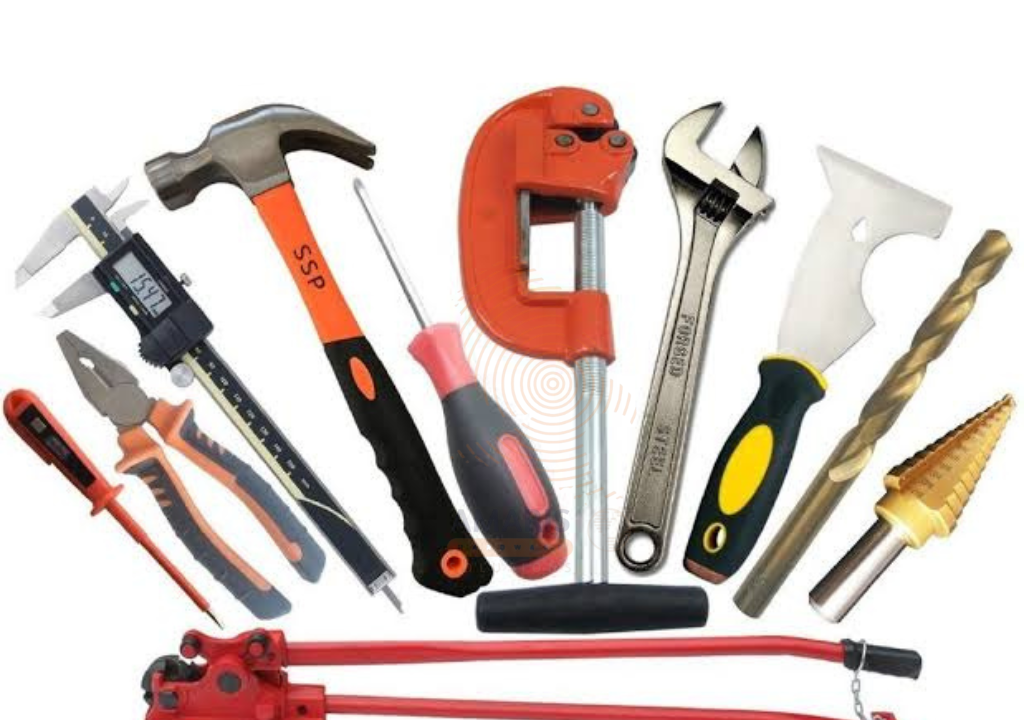
 Hammers
 Measuring Tools (Tapes, Levels, Calipers)
 Screwdrivers
 Pliers & Cutters
 Saws & Blades
 Chisels & Punches
 Allen Keys & Hex Keys
 Ratchets & Socket Sets
 Wrenches & Spanners
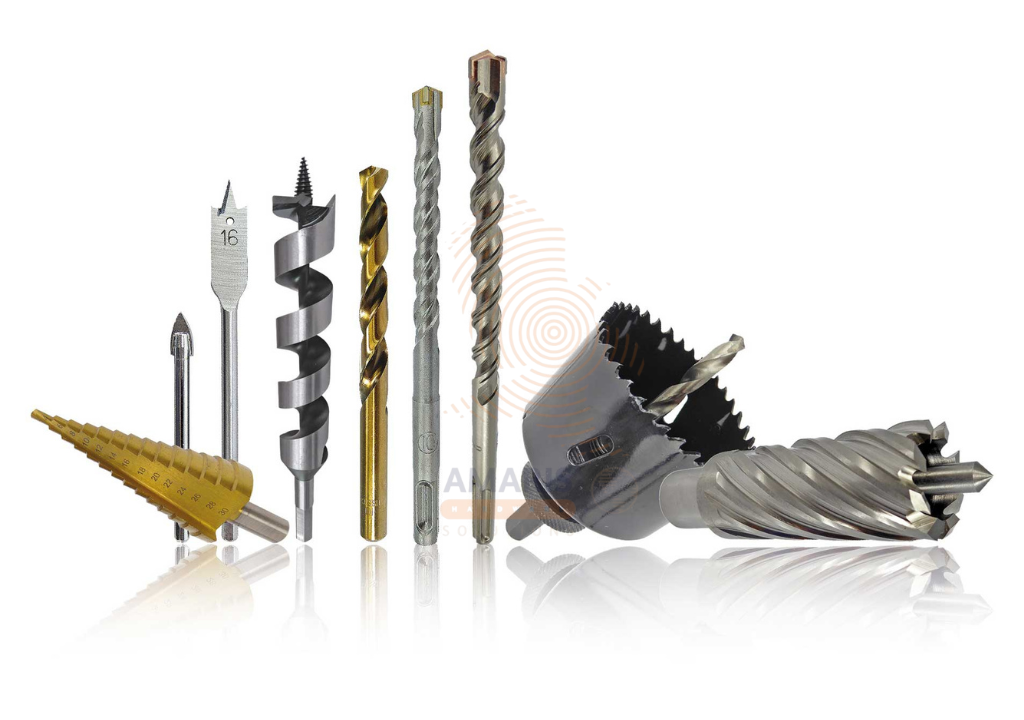
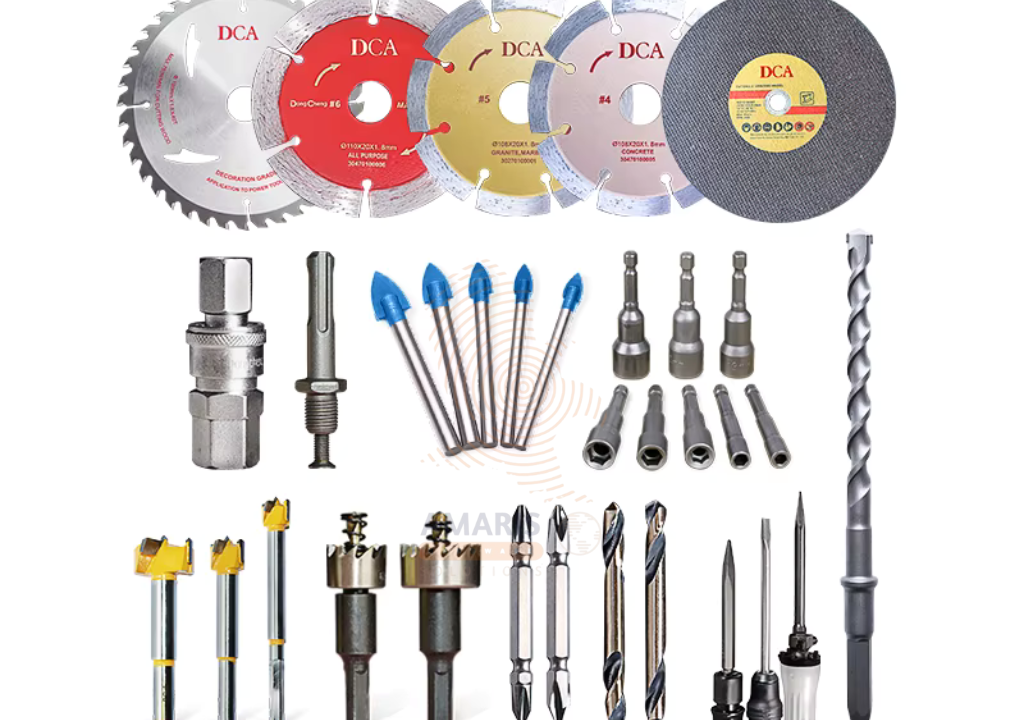
 Power Tool Accessories (Blades, Bits, Discs)
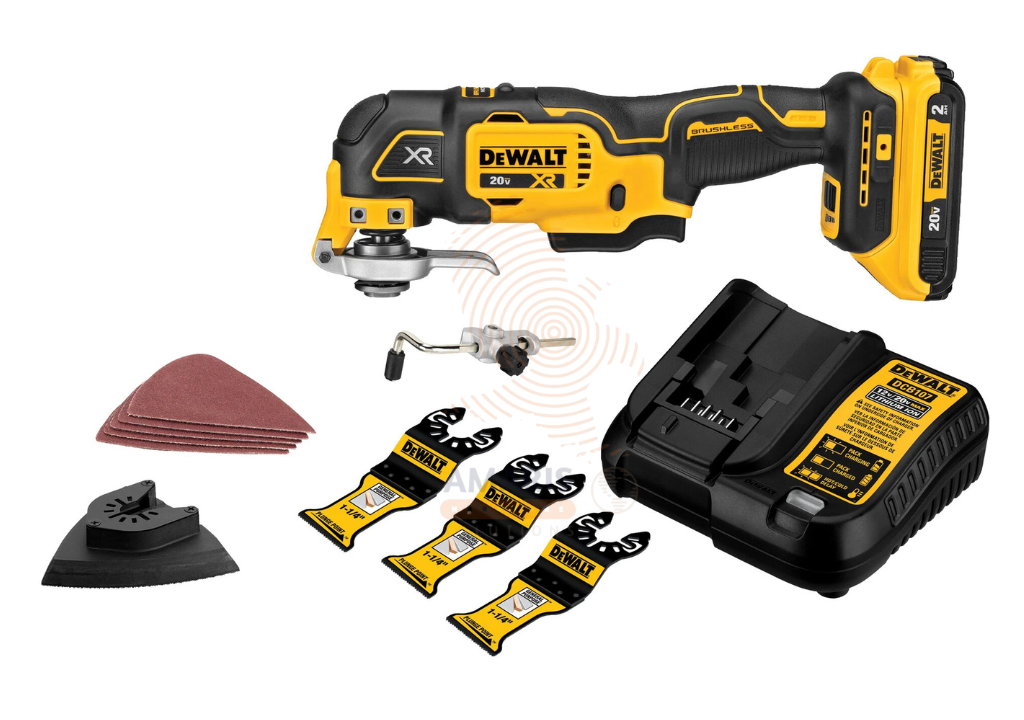
 Rotary Tools
 Saws (Circular, Jigsaw, Reciprocating)
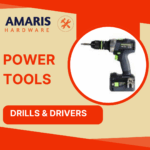 Drills & Drivers
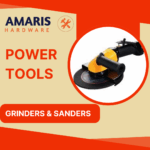 Grinders & Sanders
 Heat Guns
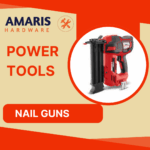 Nail Guns
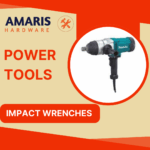 Impact Wrenches
 Batteries & Chargers
 Pipes & Fittings (PVC, Copper, PEX)
 Plumbing Tools
 Pumps & Motors
 Sealants & Adhesives for Plumbing
 Valves & Taps
 Water Heaters
 Drainage Systems
 Faucets & Fixtures
 Hoses & Tubing
 Hinges & Latches
 Hooks & Brackets
 Window Hardware
 Chains & Cables
 Casters & Wheels
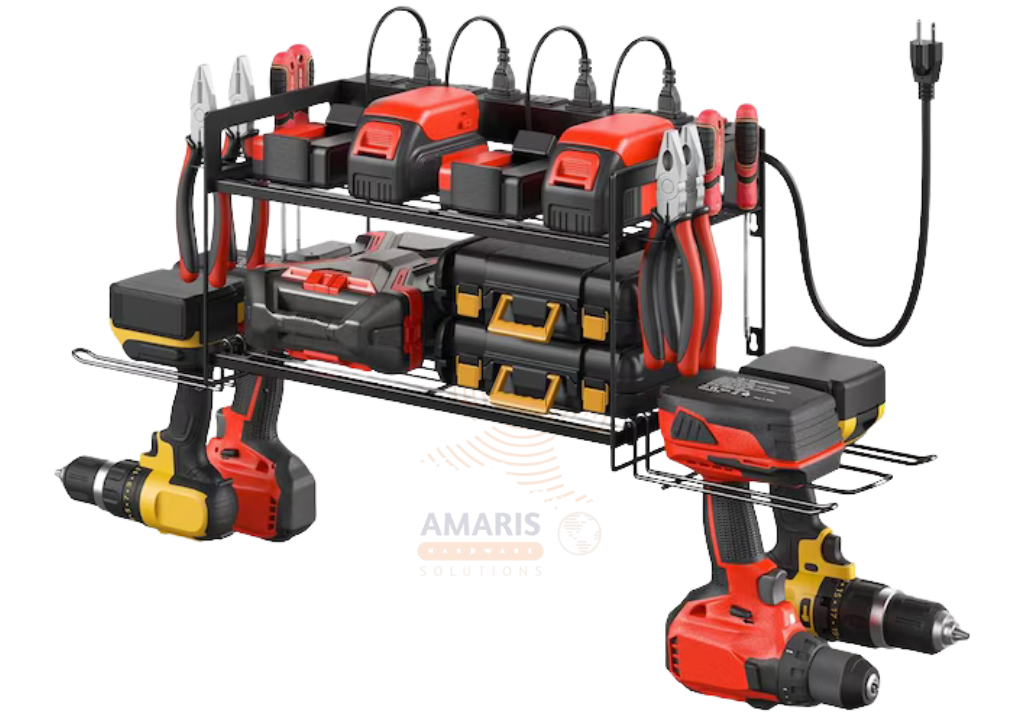
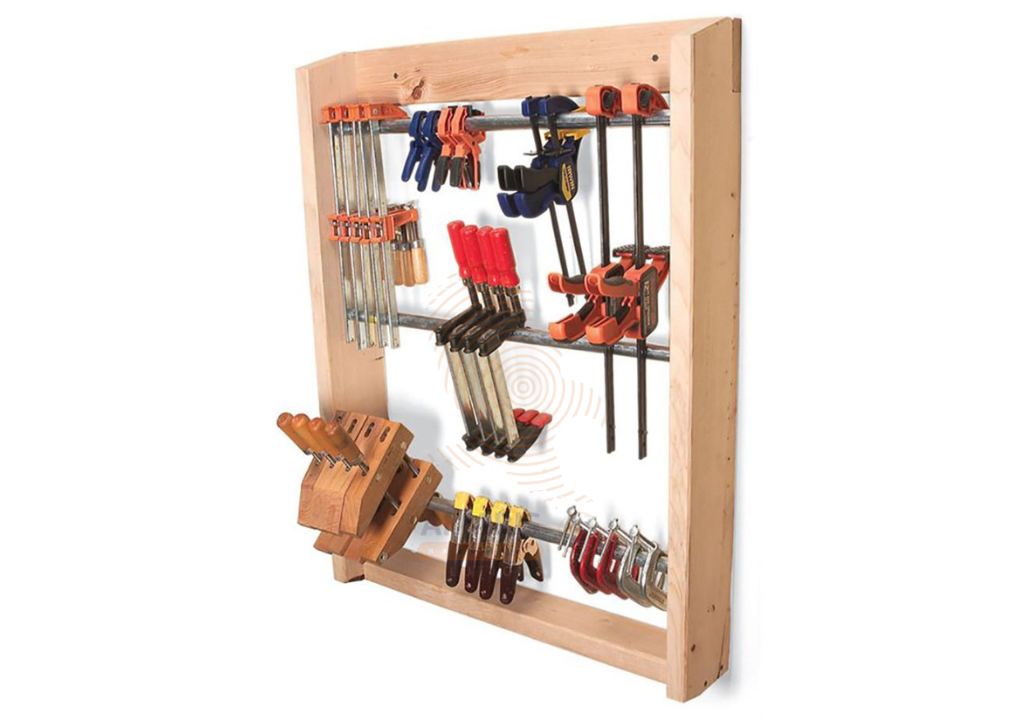
 Shelving & Storage Systems
 Door Handles & Locks
 Drawer Slides & Cabinet Hardware
 Personal Protective Equipment (PPE)
 Respirators & Masks
 Safety Glasses
 Safes
Safes Security Cameras
 Gloves
 Helmets
 Ear Protection
 Fire Safety Equipment
 Locks & Padlocks
 Motion Sensors & Alarms
 Garden Fencing
 Garden Furniture Hardware
 Lawn Mowers
 Trimmers & Edgers
 Shovels & Spades
 Rakes & Hoes
 Pruning Shears & Loppers
 Watering Systems (Hoses, Sprinklers, Nozzles)
 Interior Paints
 Paint Brushes & Rollers
 Paint Strippers & Thinners
 Paint Trays & Accessories
 Exterior Paints
 Spray Paints
 Primers & Undercoats
 Varnishes & Stains
 Gaskets & Seals
 Hydraulic Fittings
 Industrial Fasteners
 Industrial Hoses
 Lubricants & Greases
 Metal Sheets & Bars
 Bearings & Bushings
 Belts & Pulleys
 HVAC Filters
 Insulation for HVAC
 Air Conditioners
 Refrigerants
 Ventilation Ducts & Fittings
 Thermostats & Controllers
 Fans & Blowers
 Pegboards & Hooks
 Shelving Units
 Storage Bins & Containers
 Toolboxes & Tool Chests
 Workbenches
 Drawer Organizers
 Labeling Supplies
 Welding Accessories (Clamps, Brushes)
 Welding Electrodes & Rods
 Welding Helmets & Gloves
 Welding Machines
 Soldering Irons & Stations
 Flux & Solder Wire
 Generator Accessories
 Inverters
 Portable Generators
 Power Inverters
 Transfer Switches
 Diesel & Gasoline Generators
 Transport Equipment: Carts, Dollies, and Hand Trucks
 Storage Solutions: Pallets, Racks, and Containers
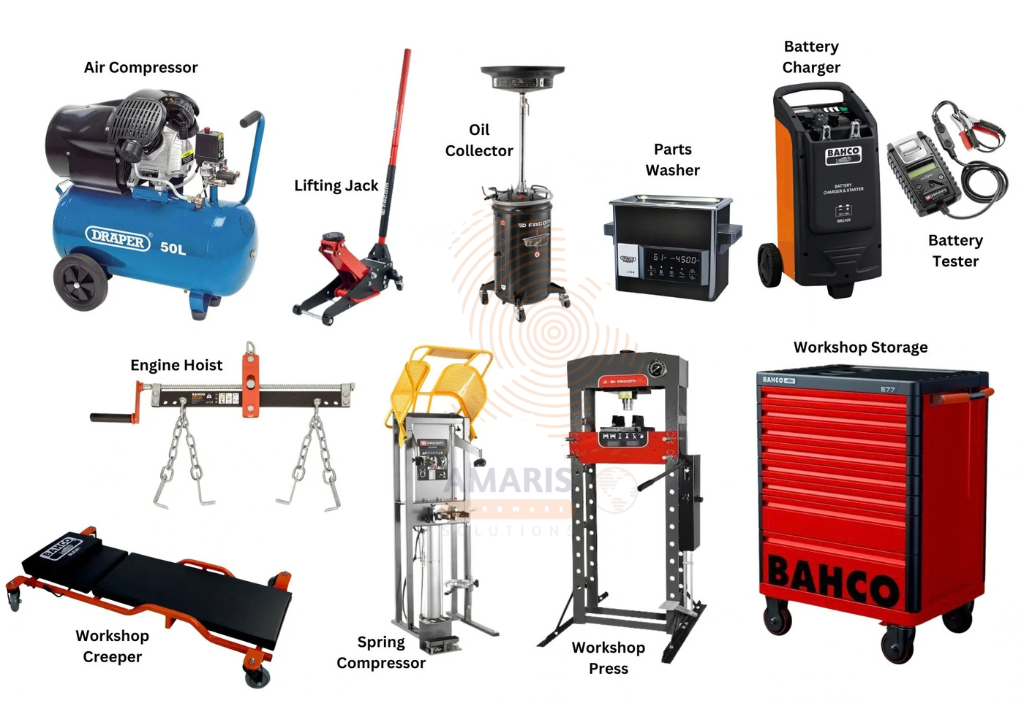
 Lifting Equipment: Hoists, Cranes, and Jacks
 Conveyors & Accessories: Belts & Rollers
 Office Chairs
🔧 2-Jaw Gear Puller 8″: Precision Removal Made Easy ⚙️

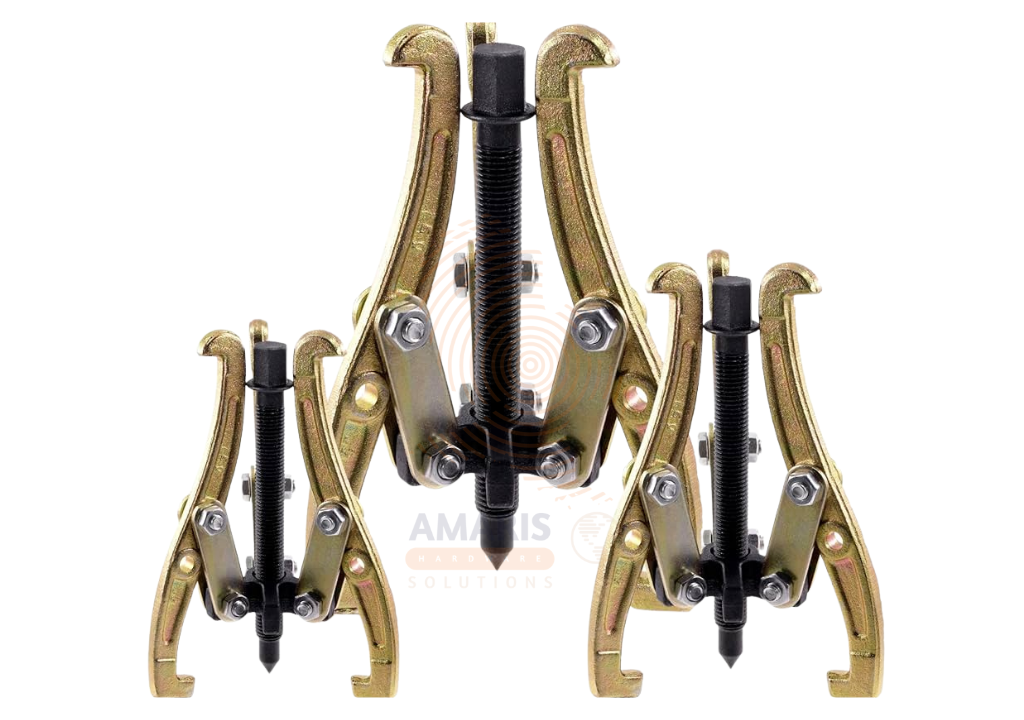
When it comes to removing tightly fitted components like gears, bearings, pulleys, or bushings, brute force is never the answer. That’s where the 2-Jaw Gear Puller 8“ comes in — a reliable, precision tool designed to safely and efficiently extract parts without causing damage.
Whether you’re a mechanic, technician, or DIY enthusiast, this tool is essential for handling stubborn components in automotive repairs, machinery maintenance, and workshop projects. Built for strength and control, the 2-jaw gear puller makes difficult removal tasks simple and safe.
What Is a 2-Jaw Gear Puller 8“? ⚙️
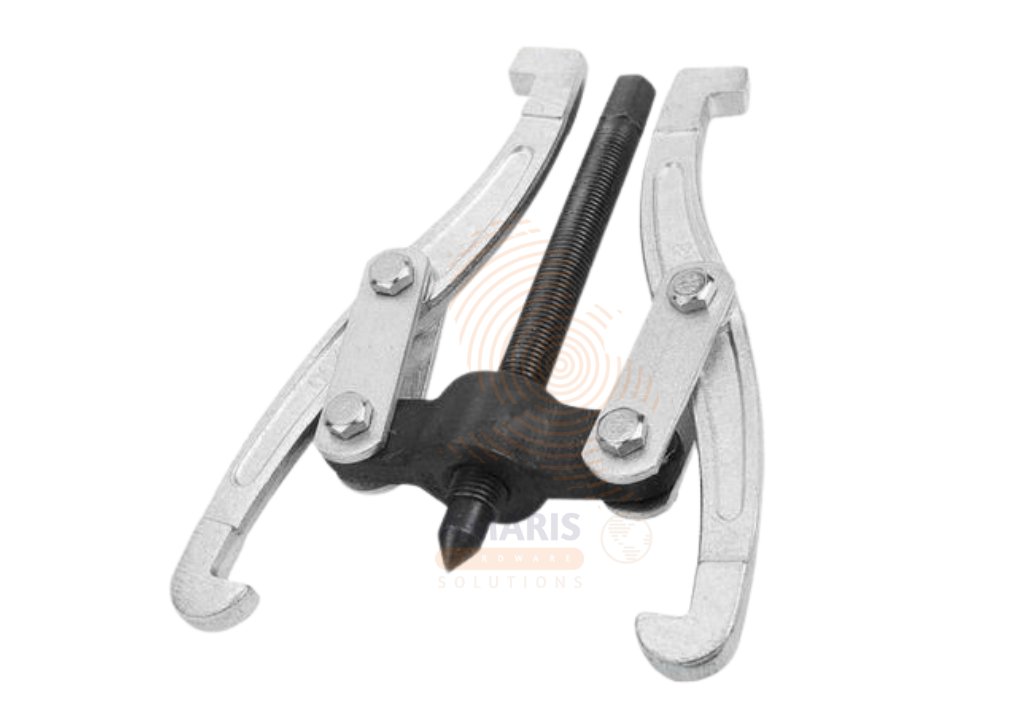
A 2-jaw gear puller is a mechanical tool used to remove press-fitted parts from shafts or housings. The “8-inch” refers to its working capacity, making it suitable for medium-sized components.
It typically consists of:
- Two adjustable jaws that grip the component
- A central forcing screw that applies pressure
- A strong steel frame for durability
As the screw is tightened, it pushes against the shaft while the jaws pull the attached component outward. This controlled force allows for smooth and damage-free removal.
Why Choose a 2-Jaw Gear Puller? 🔩
1. Efficient Component Removal
Removing gears or bearings without the right tool can damage both the part and the surrounding equipment. A gear puller applies even, controlled force, ensuring safe and precise removal.
This is especially important in automotive and mechanical repairs where parts must be reused or replaced without damage.
2. Compact and Versatile Design
The 2-jaw design allows the tool to fit into tighter spaces where a 3-jaw puller may not be suitable. This makes it ideal for working in confined areas such as engine compartments or machinery assemblies.
Despite its compact size, it delivers powerful pulling force for a wide range of applications.
3. Strong and Durable Construction
Most 2-jaw gear pullers are made from hardened or forged steel, ensuring they can withstand high pressure and repeated use. This durability makes them reliable for both professional and heavy-duty applications.
Common Applications 🚗
The 2-jaw gear puller is widely used in:
- Automotive repair – Removing gears, bearings, and pulleys from engines and transmissions
- Mechanical workshops – Extracting machine components during maintenance
- Industrial equipment servicing – Disassembling parts for repair or replacement
- DIY projects – Handling small to medium mechanical repairs at home
It is particularly useful when dealing with tightly fitted or rusted components that cannot be removed manually.
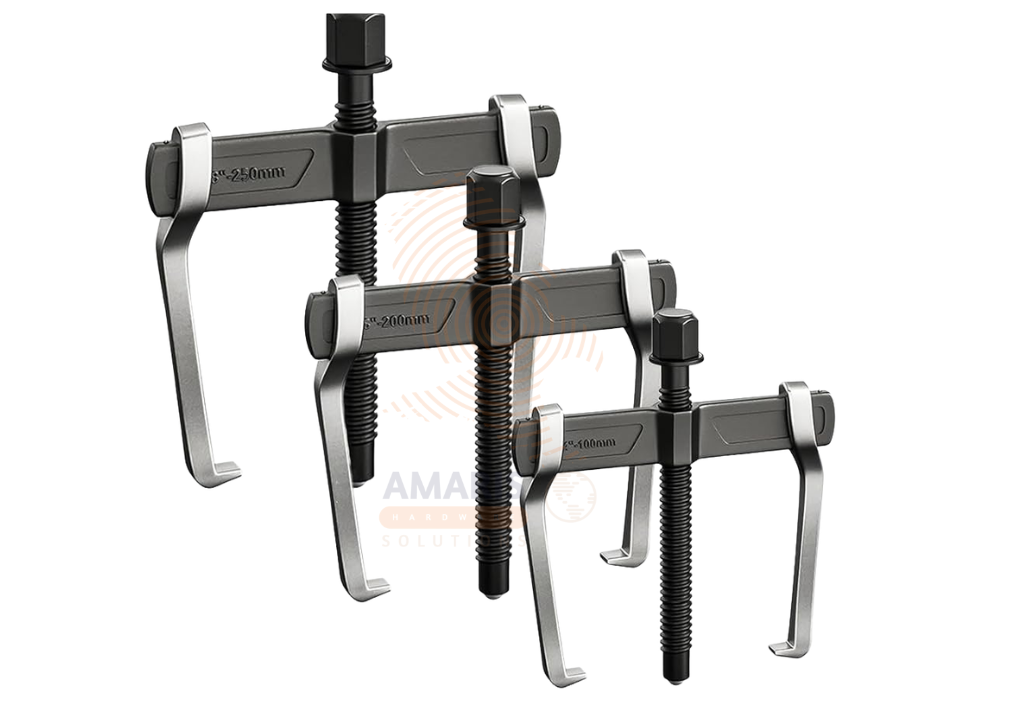
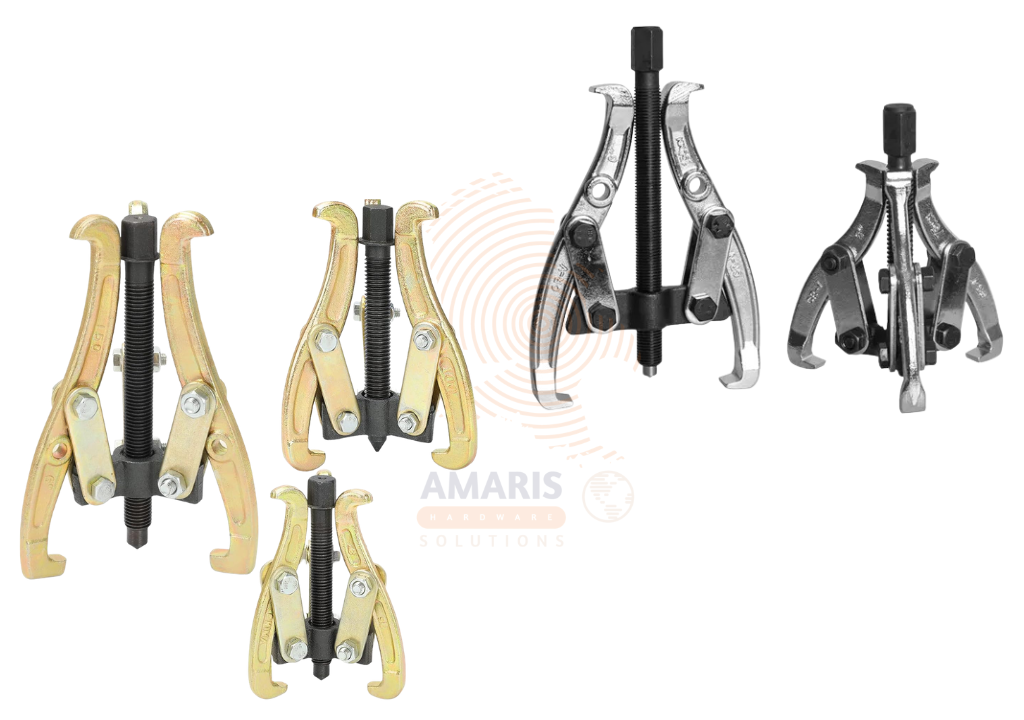
Key Features to Look For 🛠️
When selecting a 2-jaw gear puller, consider the following:
- Adjustable jaws for flexibility
- Hardened steel construction for strength
- Smooth-threaded forcing screw for controlled pressure
- Anti-slip jaw design for secure grip
- Corrosion-resistant finish for durability
A quality puller ensures better performance and longer service life.
Tips for Safe and Effective Use ⚠️
To get the best results and maintain safety:
- Ensure the jaws are firmly positioned on the component
- Align the forcing screw properly with the shaft
- Apply pressure gradually — avoid sudden force
- Lubricate the screw thread for smoother operation
- Wear protective gloves and safety glasses
Proper use prevents damage to both the tool and the component being removed.
Why Every Workshop Needs One 🔧
The 2-Jaw Gear Puller 8“ is a must-have for any workshop dealing with mechanical systems. It simplifies complex removal tasks, reduces the risk of damage, and improves overall efficiency.
For mechanics, technicians, and engineers, this tool saves time and effort while delivering precise results. For DIY users, it provides a professional solution for challenging repair jobs.
Final Thoughts
The 2-jaw gear puller may look simple, but its impact in mechanical work is significant. It offers controlled power, precision, and reliability when removing tightly fitted components.
If you’re working with engines, machinery, or rotating parts, this tool is an essential addition to your toolkit — ensuring every removal job is done safely and effectively.