
 Acrylic Sealants
 Construction Adhesives
 Double-Sided Tape
 Duct Tape
 Electrical Tape
 Epoxy & Resins
 Silicone Sealants
 Masking Tape
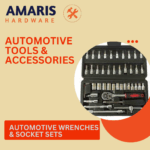 Automotive Wrenches & Socket Sets
 Battery Chargers & Jump Starters
 Car Jacks & Stands
 Car Wash & Detailing Products
 Diagnostic Tools
 Tire Inflators
 Vehicle Lighting
 Oil & Lubricants
 Adhesives & Sealants
 Bricks & Blocks
 Cement & Concrete
 Drywall & Plaster
 Flooring (Tiles, Wood, Laminate)
 Lumber & Plywood
 Paints, Primers & Coatings
 Insulation Materials
 Roofing Materials
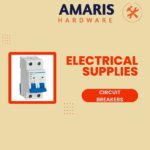 Circuit Breakers
 Electrical Cables & Wires
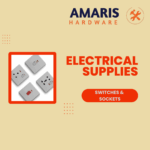 Switches & Sockets
 Fuses & Relays
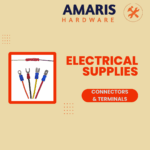 Connectors & Terminals
 Electrical Boxes & Panels
 Conduit & Fittings
 Lighting Fixtures & Bulbs
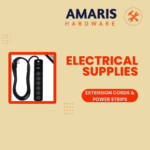 Extension Cords & Power Strips
 Anchors
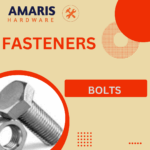 Bolts
Bolts Clips & Clamps
 Screws
 Nuts
Nuts Washers
 Rivets
 Nails
Nails Threaded Rods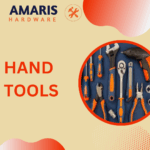
 Hammers
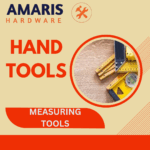 Measuring Tools (Tapes, Levels, Calipers)
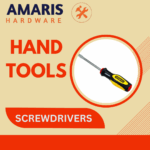 Screwdrivers
 Pliers & Cutters
 Saws & Blades
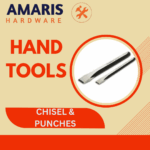 Chisels & Punches
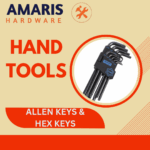 Allen Keys & Hex Keys
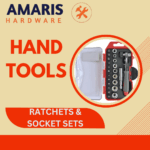 Ratchets & Socket Sets
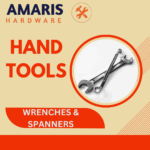 Wrenches & Spanners
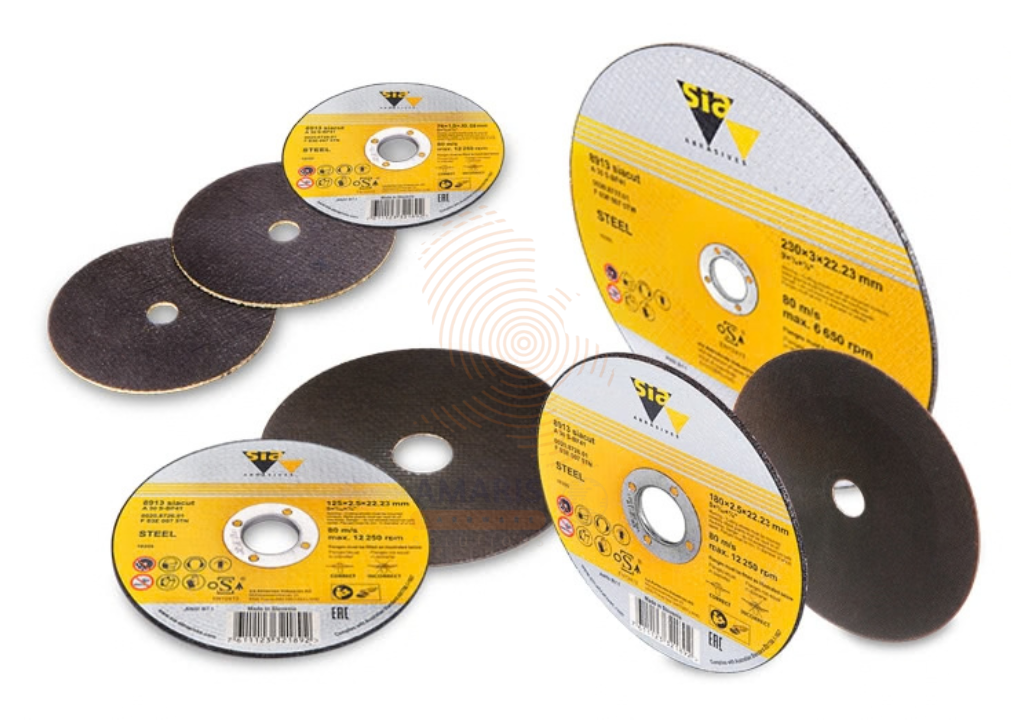
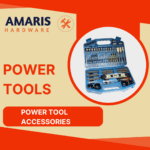 Power Tool Accessories (Blades, Bits, Discs)
 Rotary Tools
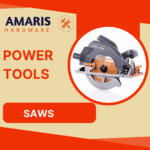 Saws (Circular, Jigsaw, Reciprocating)
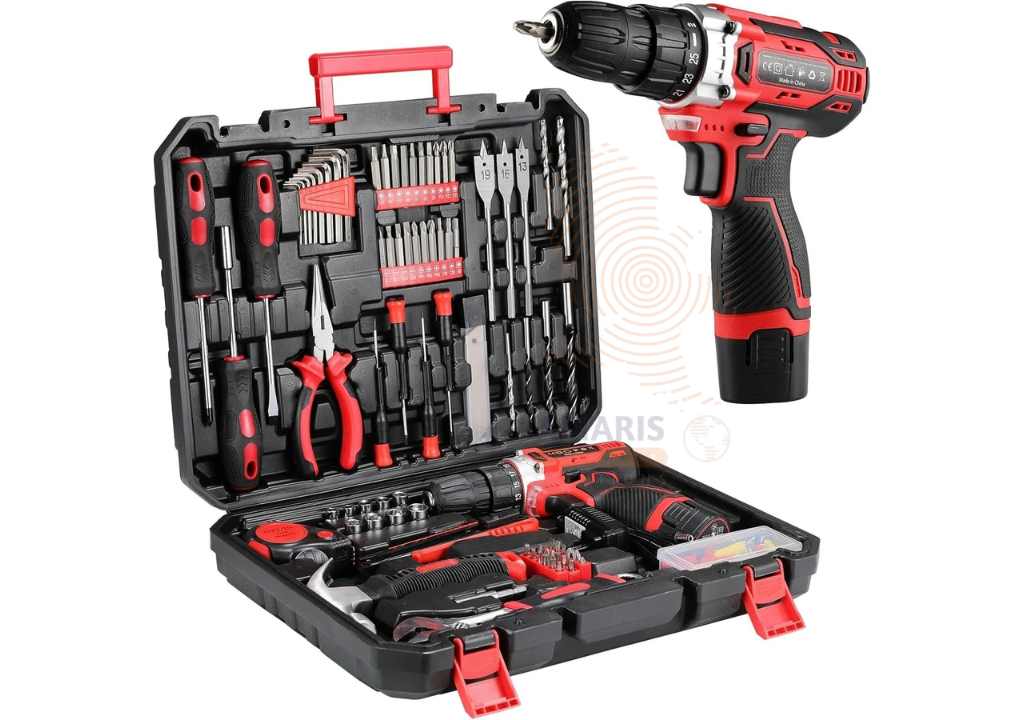
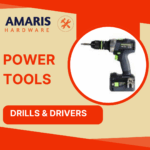 Drills & Drivers
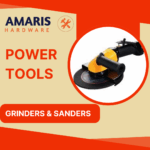 Grinders & Sanders
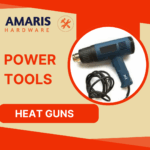 Heat Guns
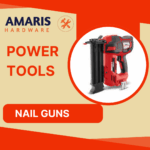 Nail Guns
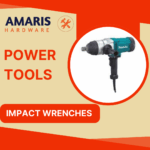 Impact Wrenches
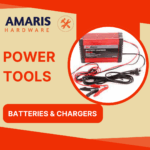 Batteries & Chargers
 Pipes & Fittings (PVC, Copper, PEX)
 Plumbing Tools
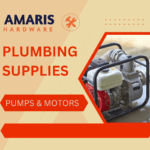 Pumps & Motors
 Sealants & Adhesives for Plumbing
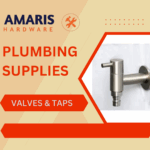 Valves & Taps
 Water Heaters
 Drainage Systems
 Faucets & Fixtures
 Hoses & Tubing
 Hinges & Latches
 Hooks & Brackets
 Window Hardware
 Chains & Cables
 Casters & Wheels
 Shelving & Storage Systems
 Door Handles & Locks
 Drawer Slides & Cabinet Hardware
 Personal Protective Equipment (PPE)
 Respirators & Masks
 Safety Glasses
 Safes
Safes Security Cameras
 Gloves
 Helmets
 Ear Protection
 Fire Safety Equipment
 Locks & Padlocks
 Motion Sensors & Alarms
 Garden Fencing
 Garden Furniture Hardware
 Lawn Mowers
 Trimmers & Edgers
 Shovels & Spades
 Rakes & Hoes
 Pruning Shears & Loppers
 Watering Systems (Hoses, Sprinklers, Nozzles)
 Interior Paints
 Paint Brushes & Rollers
 Paint Strippers & Thinners
 Paint Trays & Accessories
 Exterior Paints
 Spray Paints
 Primers & Undercoats
 Varnishes & Stains
 Gaskets & Seals
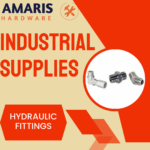 Hydraulic Fittings
 Industrial Fasteners
 Industrial Hoses
 Lubricants & Greases
 Metal Sheets & Bars
 Bearings & Bushings
 Belts & Pulleys
 HVAC Filters
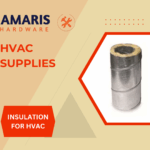 Insulation for HVAC
 Air Conditioners
 Refrigerants
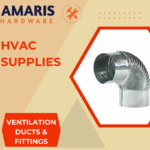 Ventilation Ducts & Fittings
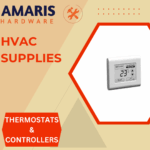 Thermostats & Controllers
 Fans & Blowers
 Pegboards & Hooks
 Shelving Units
 Storage Bins & Containers
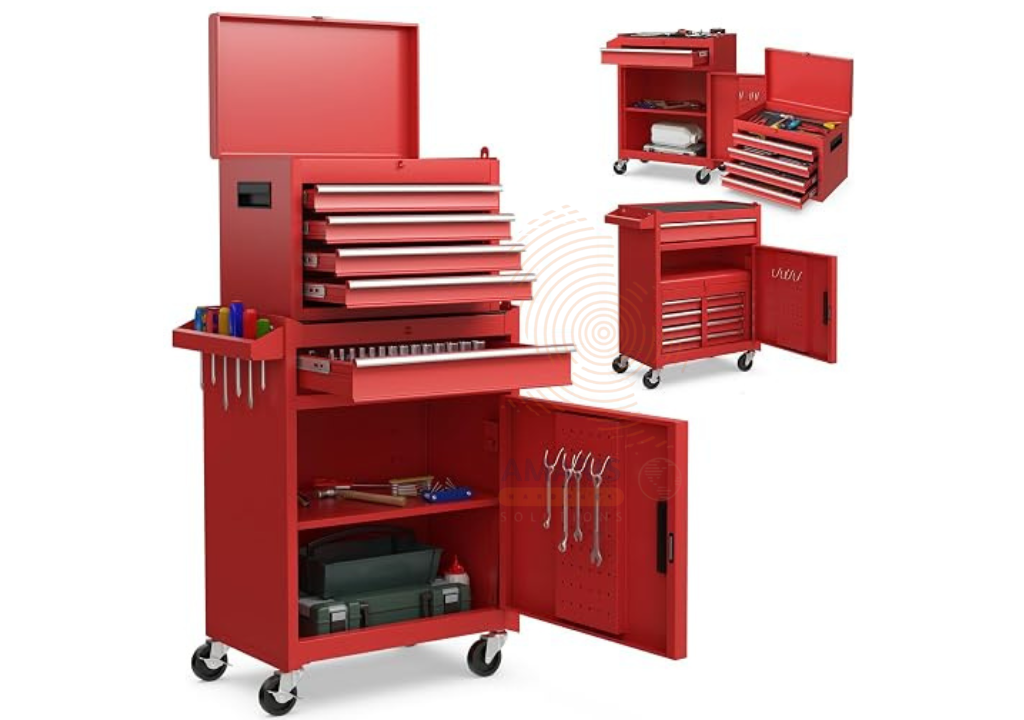
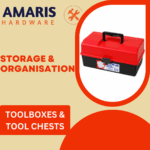 Toolboxes & Tool Chests
 Workbenches
 Drawer Organizers
 Labeling Supplies
 Welding Accessories (Clamps, Brushes)
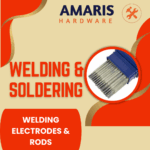 Welding Electrodes & Rods
 Welding Helmets & Gloves
 Welding Machines
 Soldering Irons & Stations
 Flux & Solder Wire
 Generator Accessories
 Inverters
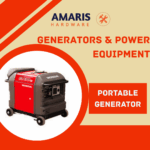 Portable Generators
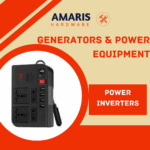 Power Inverters
 Transfer Switches
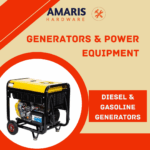 Diesel & Gasoline Generators
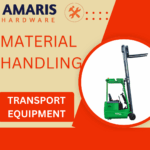 Transport Equipment: Carts, Dollies, and Hand Trucks
 Storage Solutions: Pallets, Racks, and Containers
 Lifting Equipment: Hoists, Cranes, and Jacks
 Conveyors & Accessories: Belts & Rollers
 Office Chairs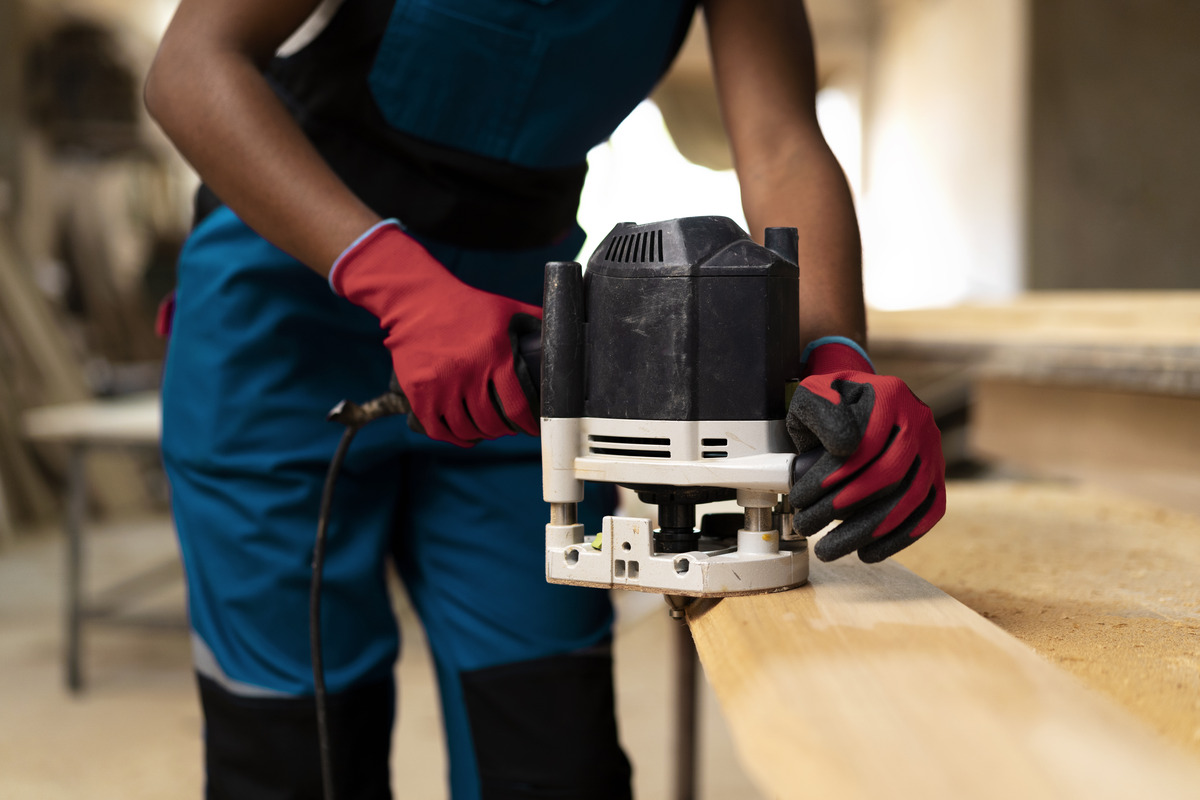
🔋⚡ Cordless vs Electric Power Tools: Which Is Better?

Walk into any hardware store today and you’ll quickly notice one of the biggest debates in the tool industry: cordless versus electric power tools. As technology continues to advance in 2026, both options have become more powerful and efficient than ever before, leaving many homeowners, contractors, and DIY enthusiasts wondering which one is the better investment. The truth is that both types of tools have their strengths, and choosing the right one depends largely on how and where you plan to use them.
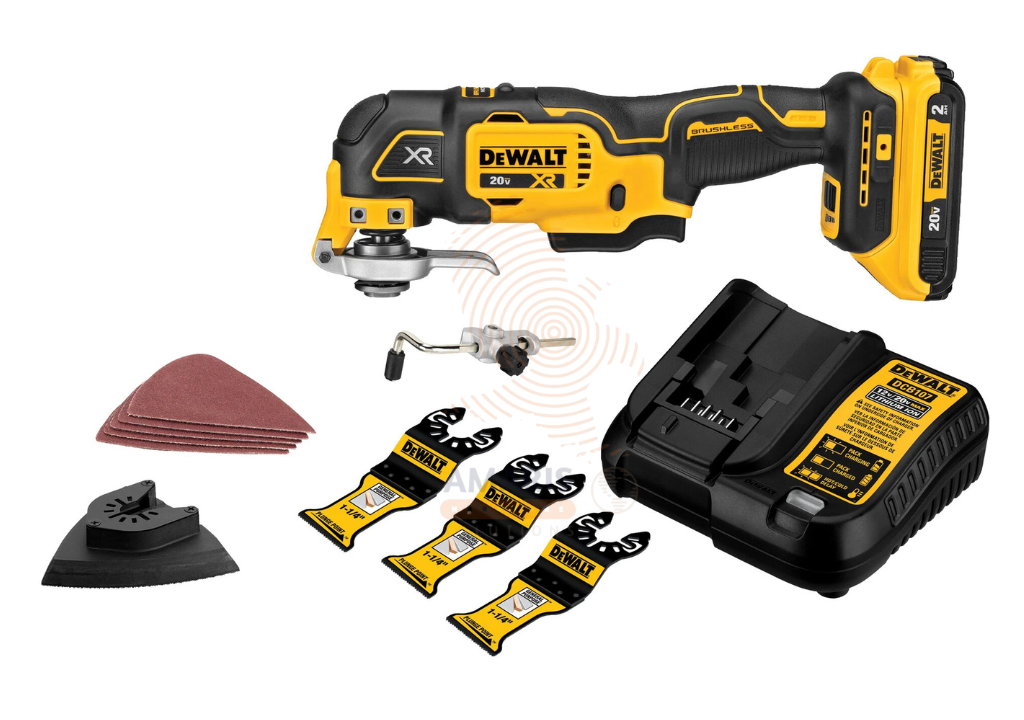
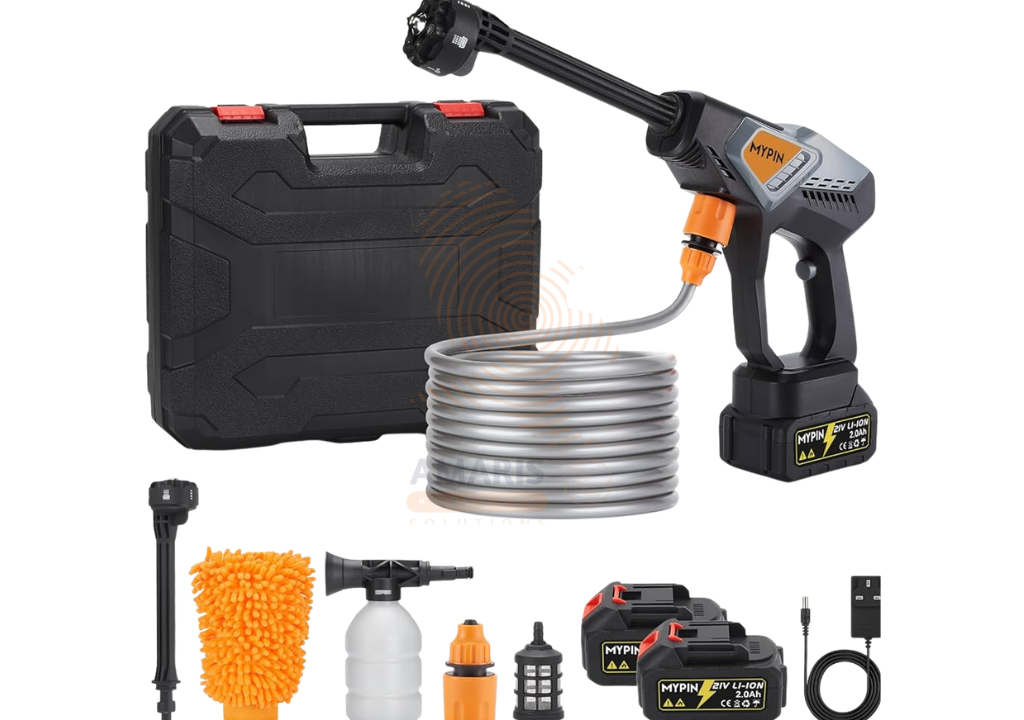
Cordless power tools have experienced tremendous growth over the past few years thanks to major improvements in battery technology. Modern lithium-ion batteries provide longer run times, faster charging, and more consistent performance than older battery systems. This has made cordless drills, angle grinders, impact drivers, and saws increasingly popular among professionals and homeowners alike. The biggest advantage of cordless tools is mobility. Without the restriction of a power cord, users can move freely around construction sites, rooftops, gardens, workshops, and remote locations without searching for a nearby power outlet. 🔋
For contractors who work across multiple locations during the day, this flexibility can significantly improve productivity. Homeowners also appreciate the convenience of grabbing a cordless tool and getting straight to work without dealing with extension cables. In addition, cordless tools help reduce tripping hazards and create a cleaner, safer work environment.
However, electric power tools continue to hold an important place in workshops and construction sites. Unlike cordless models, corded tools provide a continuous supply of power as long as they are connected to electricity. This makes them particularly useful for heavy-duty tasks that require extended periods of operation. Whether you’re cutting thick metal, grinding welds, drilling concrete, or tackling demanding industrial applications, corded tools often deliver the consistent performance needed to complete the job efficiently. ⚡
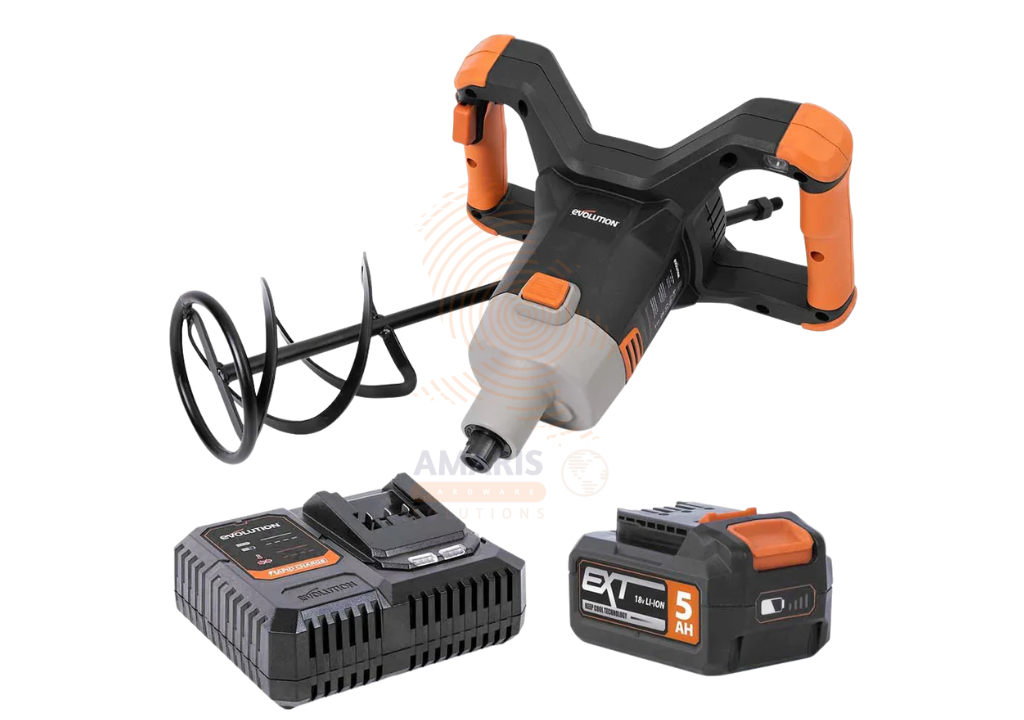
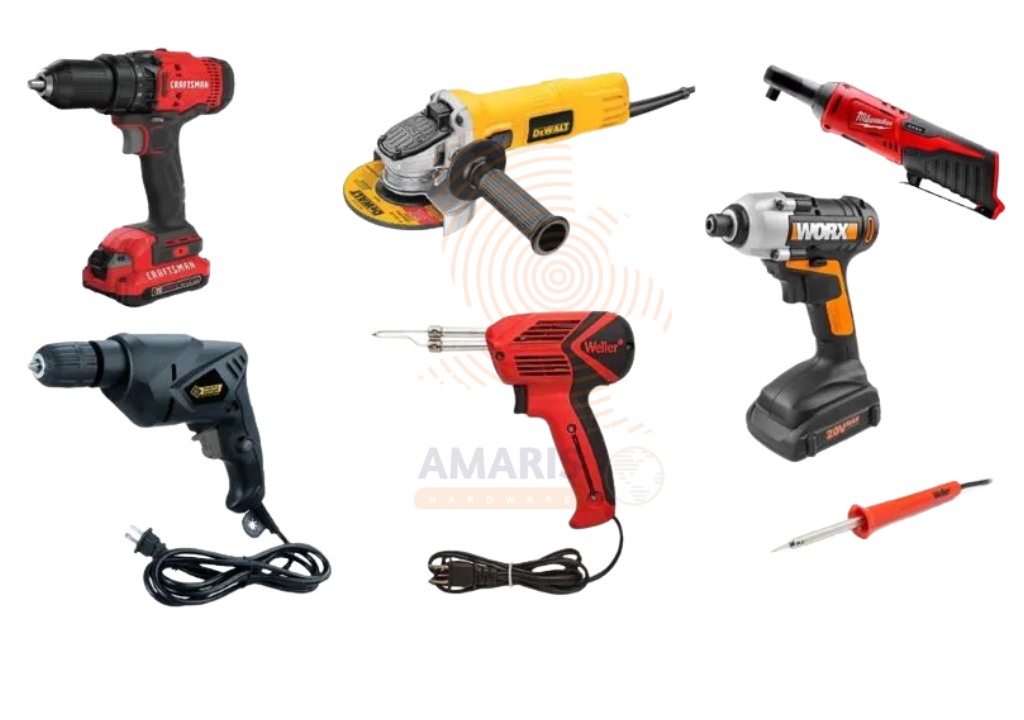
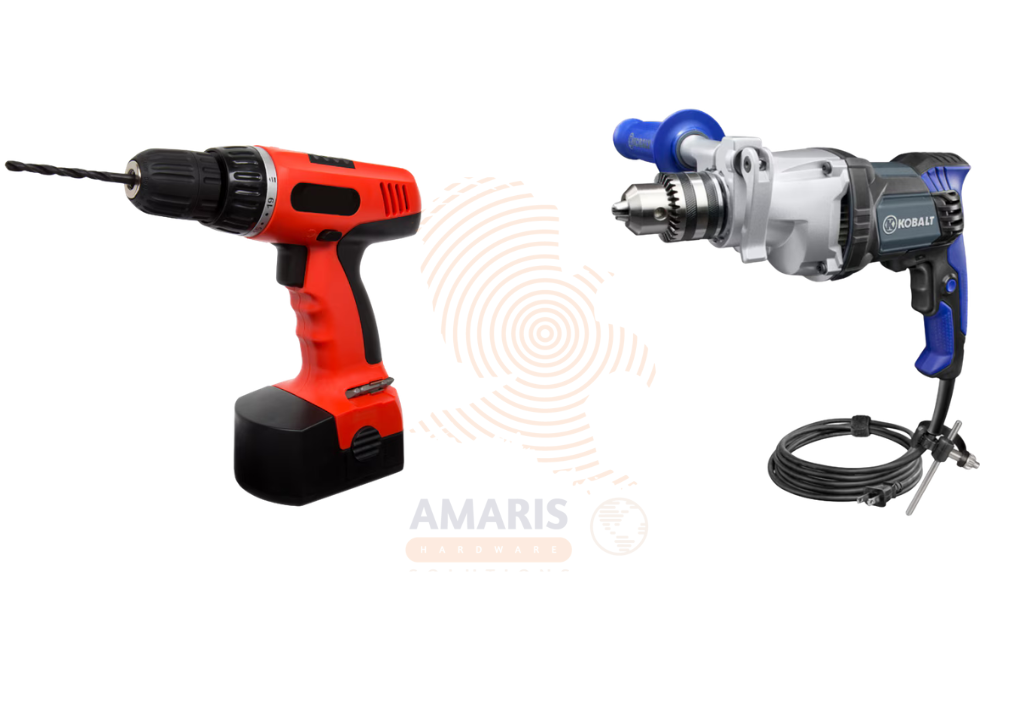
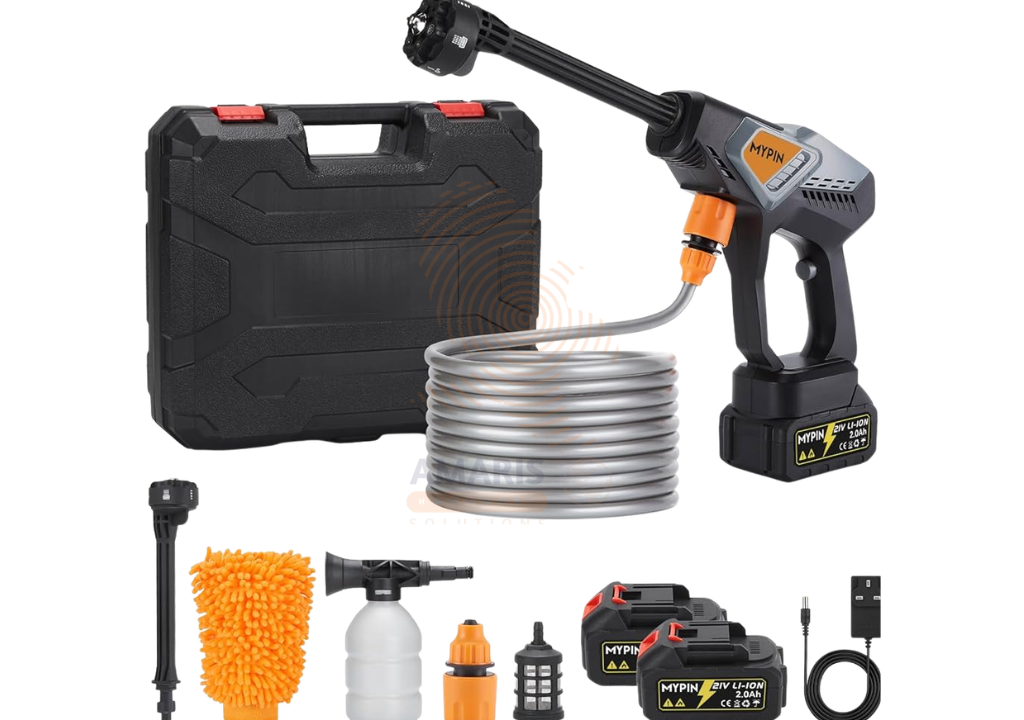
Another advantage of electric tools is that users never have to worry about battery life. There is no downtime waiting for batteries to recharge, and there is no need to invest in spare battery packs. For workshops where tools are used throughout the day, this can make a significant difference in productivity and operating costs.
Rather than choosing one over the other, many professionals are now using a combination of both cordless and electric tools. A cordless drill may be ideal for installation work around a building, while a corded angle grinder might be better suited for prolonged fabrication tasks. Having access to both options allows users to select the most appropriate tool for each specific application. 🛠️
Ultimately, the best choice comes down to your individual needs. If portability, convenience, and flexibility are your priorities, cordless tools are an excellent option. If maximum power, unlimited runtime, and heavy-duty performance are more important, electric tools may be the better investment. Either way, choosing quality tools from reputable manufacturers will help ensure better performance, greater durability, and a more enjoyable working experience.
As power tool technology continues to evolve, one thing remains clear: both cordless and electric tools will continue to play a vital role in workshops, construction sites, and homes around the world. The key is understanding your projects and selecting the tools that help you work smarter, safer, and more efficiently. 🔧✨