
 Acrylic Sealants
 Construction Adhesives
 Double-Sided Tape
 Duct Tape
 Electrical Tape
 Epoxy & Resins
 Silicone Sealants
 Masking Tape
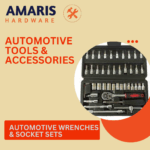 Automotive Wrenches & Socket Sets
 Battery Chargers & Jump Starters
 Car Jacks & Stands
 Car Wash & Detailing Products
 Diagnostic Tools
 Tire Inflators
 Vehicle Lighting
 Oil & Lubricants
 Adhesives & Sealants
 Bricks & Blocks
 Cement & Concrete
 Drywall & Plaster
 Flooring (Tiles, Wood, Laminate)
 Lumber & Plywood
 Paints, Primers & Coatings
 Insulation Materials
 Roofing Materials
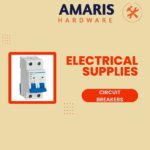 Circuit Breakers
 Electrical Cables & Wires
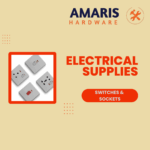 Switches & Sockets
 Fuses & Relays
 Connectors & Terminals
 Electrical Boxes & Panels
 Conduit & Fittings
 Lighting Fixtures & Bulbs
 Extension Cords & Power Strips
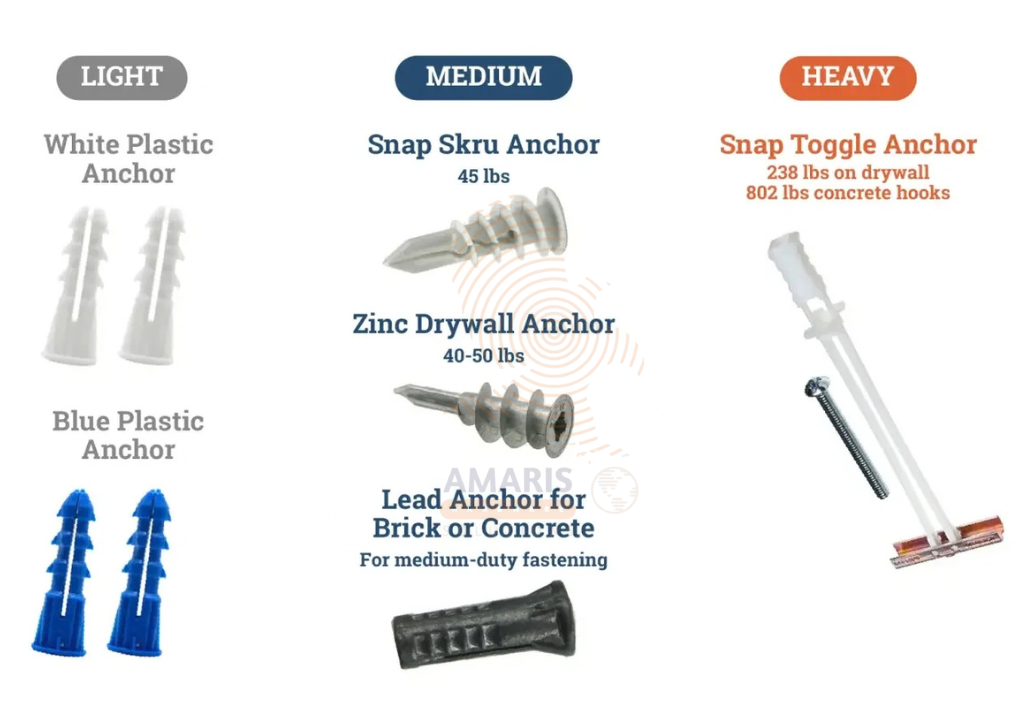
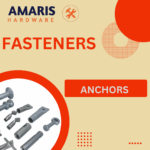 Anchors
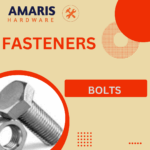 Bolts
Bolts Clips & Clamps
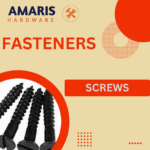 Screws
 Nuts
Nuts Washers
 Rivets
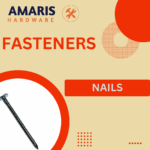 Nails
Nails Threaded Rods
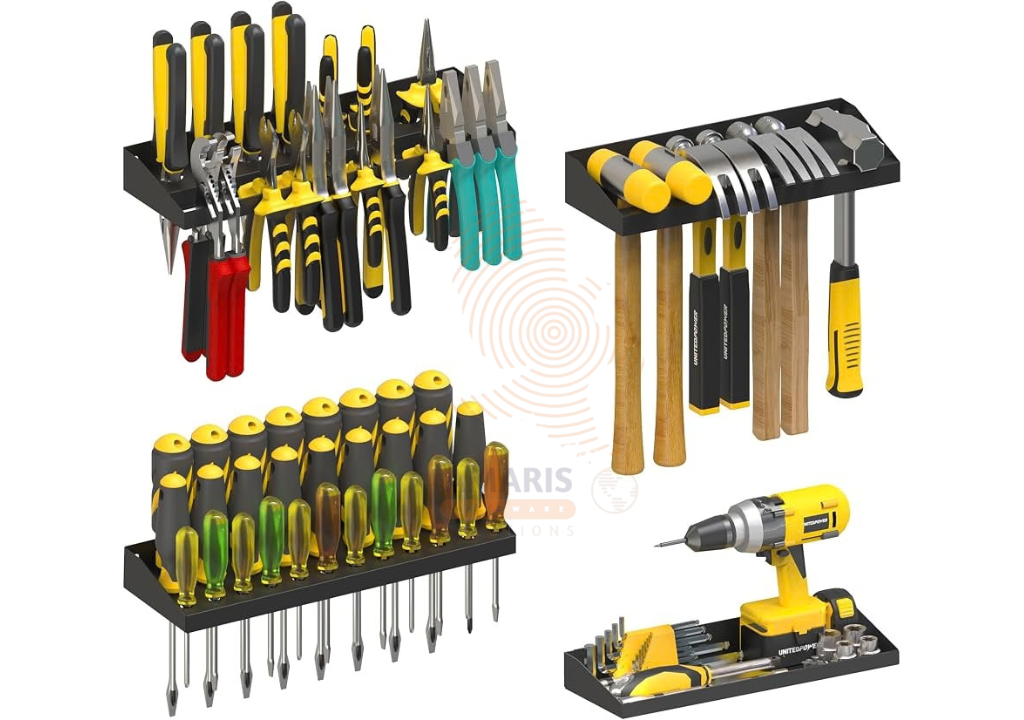
 Hammers
 Measuring Tools (Tapes, Levels, Calipers)
 Screwdrivers
 Pliers & Cutters
 Saws & Blades
 Chisels & Punches
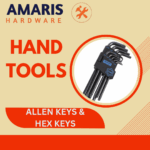 Allen Keys & Hex Keys
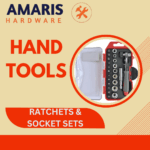 Ratchets & Socket Sets
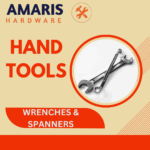 Wrenches & Spanners
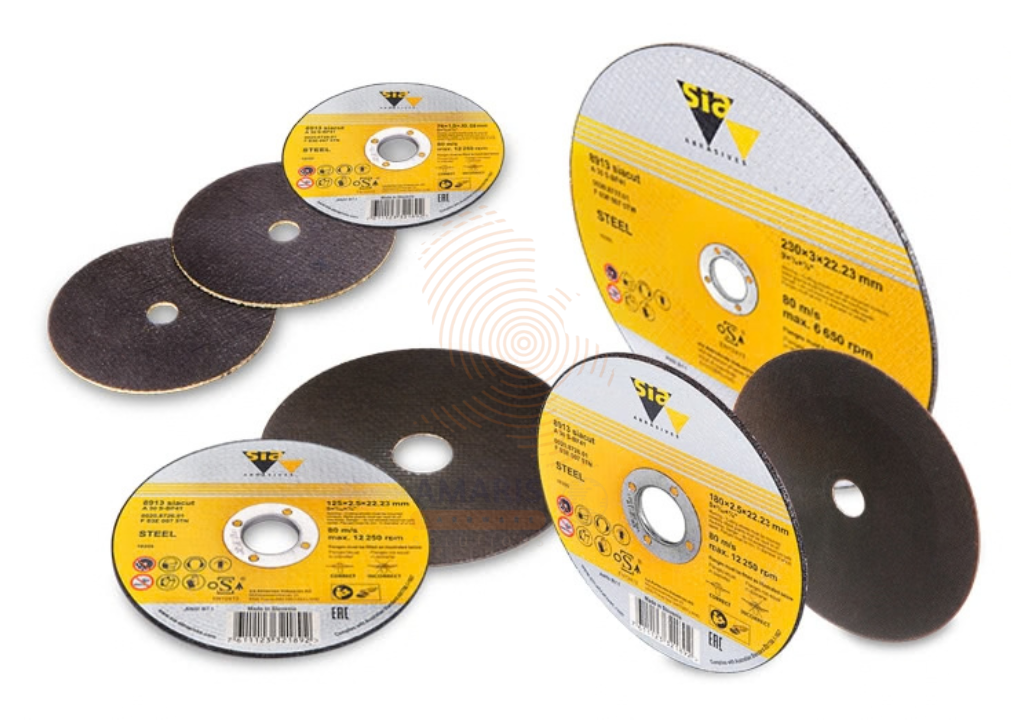
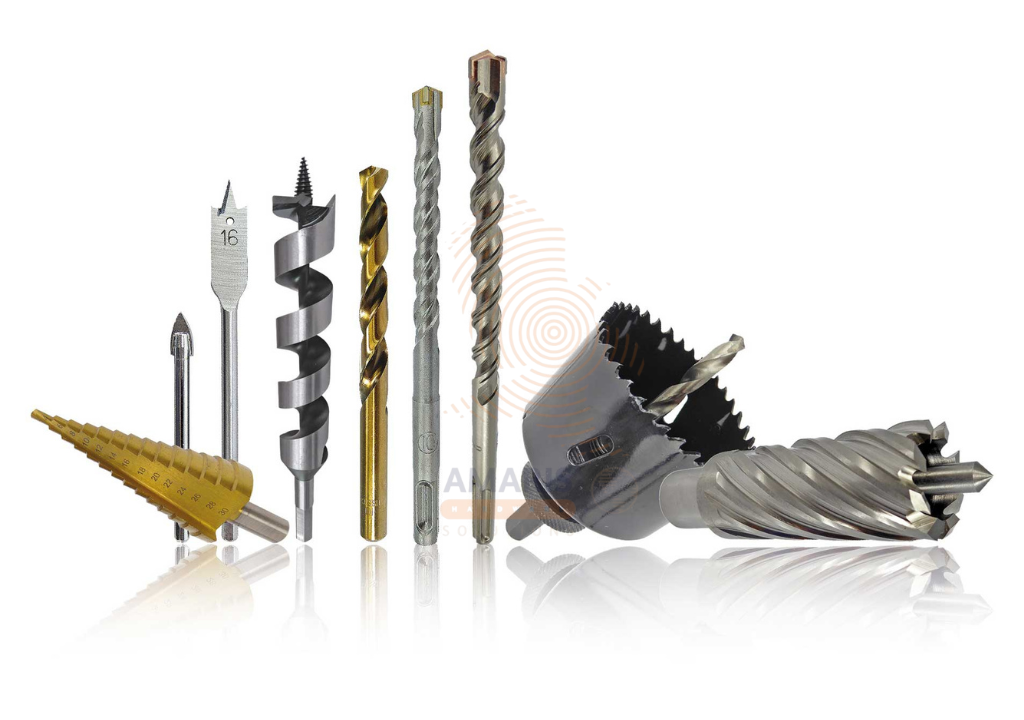
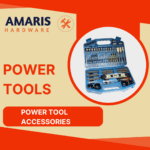 Power Tool Accessories (Blades, Bits, Discs)
 Rotary Tools
 Saws (Circular, Jigsaw, Reciprocating)
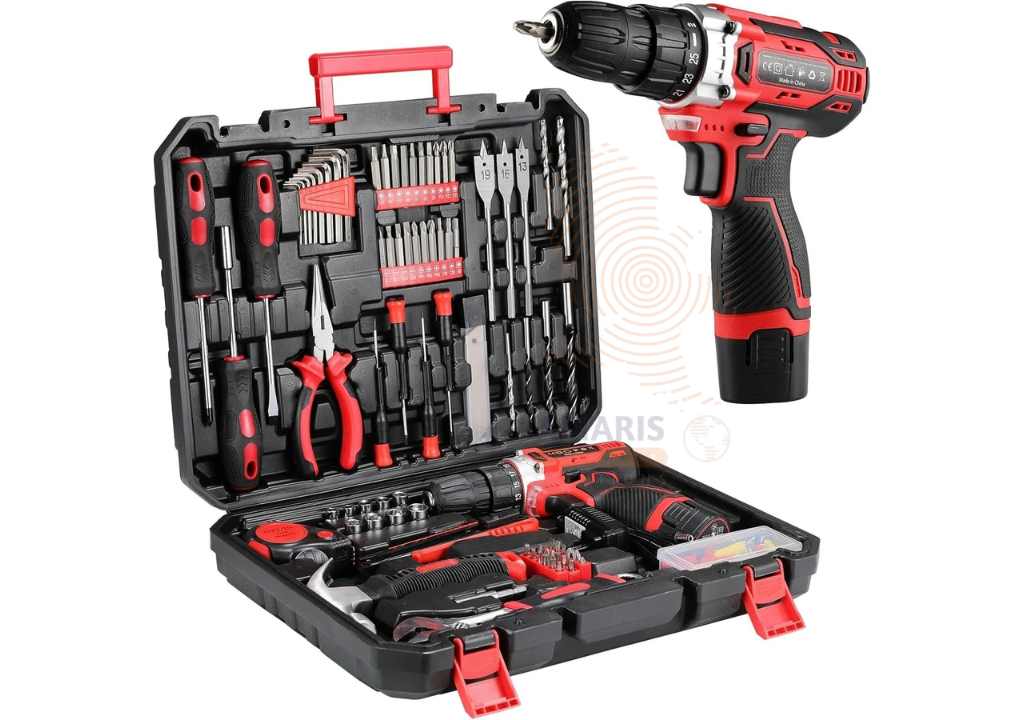
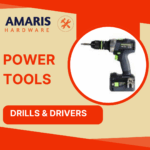 Drills & Drivers
 Grinders & Sanders
 Heat Guns
 Nail Guns
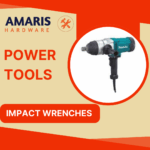 Impact Wrenches
 Batteries & Chargers
 Pipes & Fittings (PVC, Copper, PEX)
 Plumbing Tools
 Pumps & Motors
 Sealants & Adhesives for Plumbing
 Valves & Taps
 Water Heaters
 Drainage Systems
 Faucets & Fixtures
 Hoses & Tubing
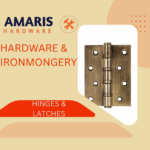 Hinges & Latches
 Hooks & Brackets
 Window Hardware
 Chains & Cables
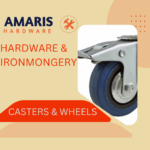 Casters & Wheels
 Shelving & Storage Systems
 Door Handles & Locks
 Drawer Slides & Cabinet Hardware
 Personal Protective Equipment (PPE)
 Respirators & Masks
 Safety Glasses
 Safes
Safes Security Cameras
 Gloves
 Helmets
 Ear Protection
 Fire Safety Equipment
 Locks & Padlocks
 Motion Sensors & Alarms
 Garden Fencing
 Garden Furniture Hardware
 Lawn Mowers
 Trimmers & Edgers
 Shovels & Spades
 Rakes & Hoes
 Pruning Shears & Loppers
 Watering Systems (Hoses, Sprinklers, Nozzles)
 Interior Paints
 Paint Brushes & Rollers
 Paint Strippers & Thinners
 Paint Trays & Accessories
 Exterior Paints
 Spray Paints
 Primers & Undercoats
 Varnishes & Stains
 Gaskets & Seals
 Hydraulic Fittings
 Industrial Fasteners
 Industrial Hoses
 Lubricants & Greases
 Metal Sheets & Bars
 Bearings & Bushings
 Belts & Pulleys
 HVAC Filters
 Insulation for HVAC
 Air Conditioners
 Refrigerants
 Ventilation Ducts & Fittings
 Thermostats & Controllers
 Fans & Blowers
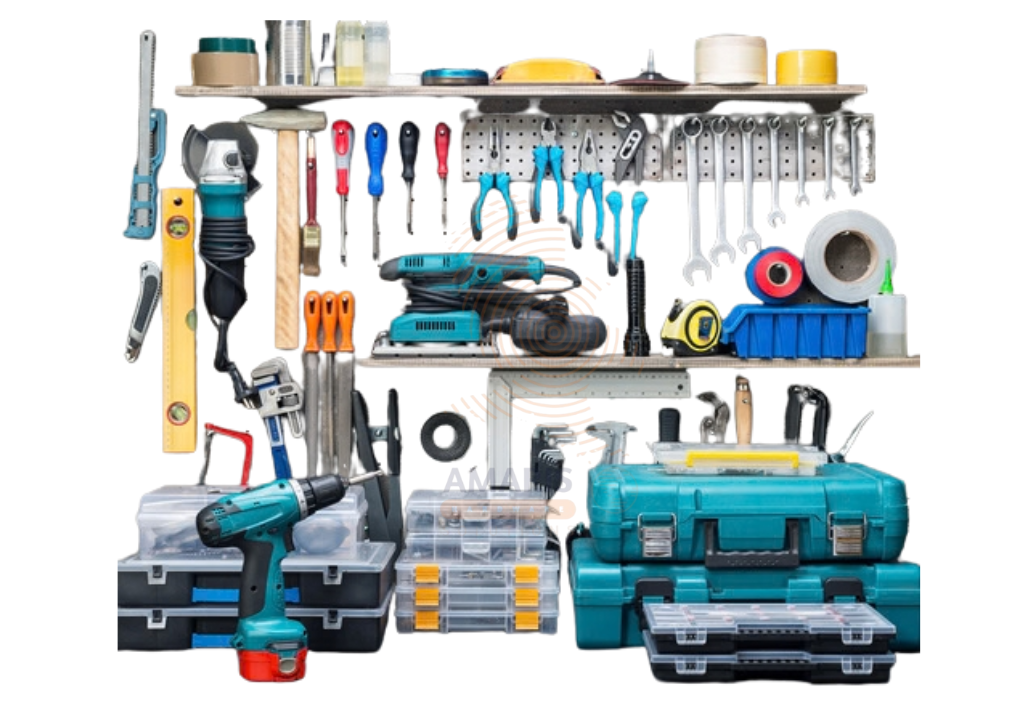
 Pegboards & Hooks
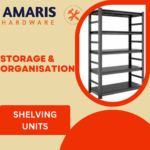 Shelving Units
 Storage Bins & Containers
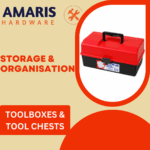 Toolboxes & Tool Chests
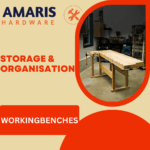 Workbenches
 Drawer Organizers
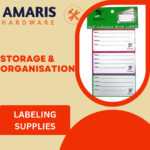 Labeling Supplies
 Welding Accessories (Clamps, Brushes)
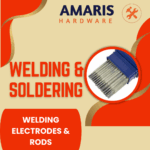 Welding Electrodes & Rods
 Welding Helmets & Gloves
 Welding Machines
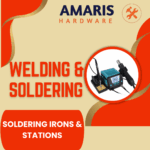 Soldering Irons & Stations
 Flux & Solder Wire
 Generator Accessories
 Inverters
 Portable Generators
 Power Inverters
 Transfer Switches
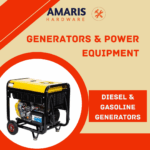 Diesel & Gasoline Generators
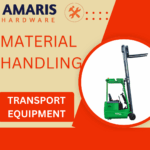 Transport Equipment: Carts, Dollies, and Hand Trucks
 Storage Solutions: Pallets, Racks, and Containers
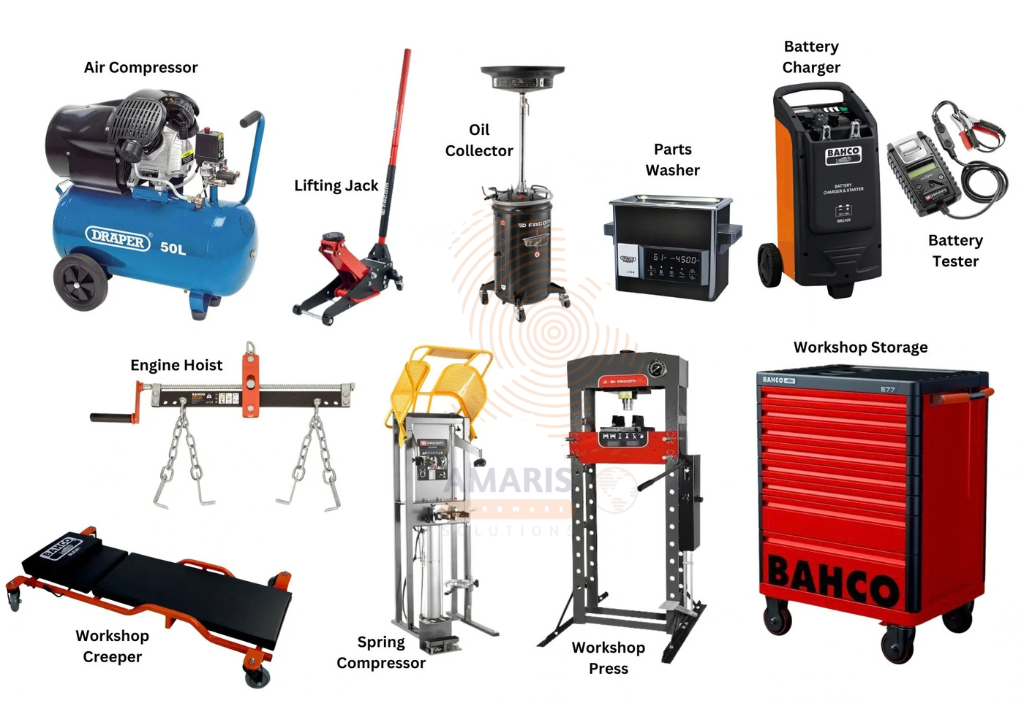
 Lifting Equipment: Hoists, Cranes, and Jacks
 Conveyors & Accessories: Belts & Rollers
 Office Chairs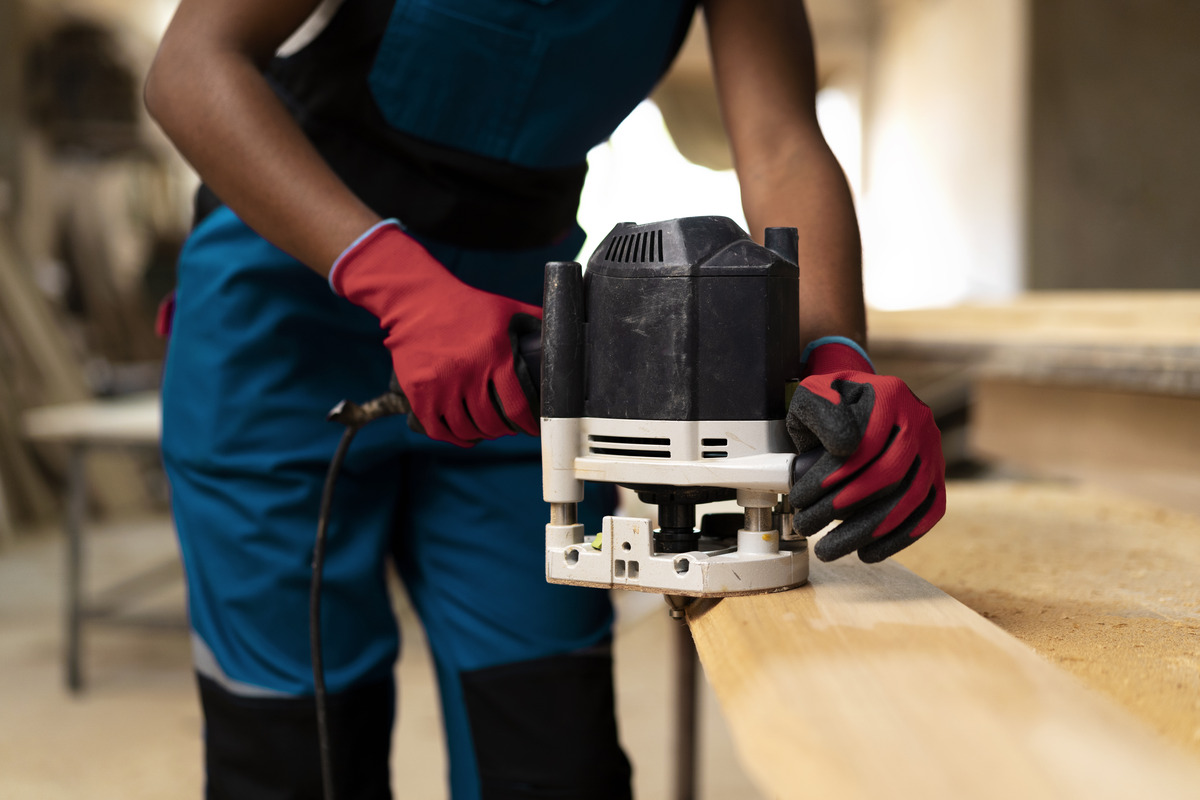
🏪🔧 The Rise of Modern Hardware Stores in Kenya

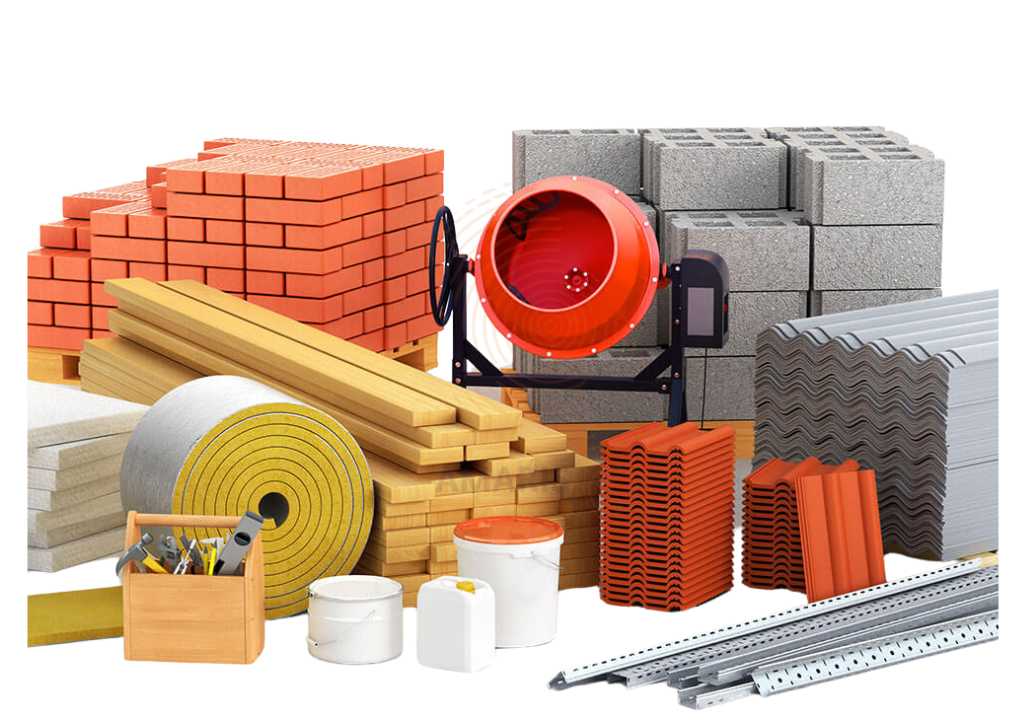
In the past, hardware stores in Kenya were mostly simple shops stocked with basic tools, cement, nails, and a few plumbing or electrical supplies. Customers would walk in, ask for what they needed, and rely heavily on the shopkeeper’s knowledge. Today, however, the hardware industry is undergoing a major transformation. In 2026, modern hardware stores in Kenya are becoming smarter, more organized, and more customer-focused than ever before. 🏗️
This shift is being driven by changing customer expectations, rapid urban development, increased access to information, and the growing demand for quality construction tools and materials. Whether in Nairobi, Mombasa, Kisumu, or expanding towns across the country, hardware businesses are evolving to meet a more informed and demanding market.
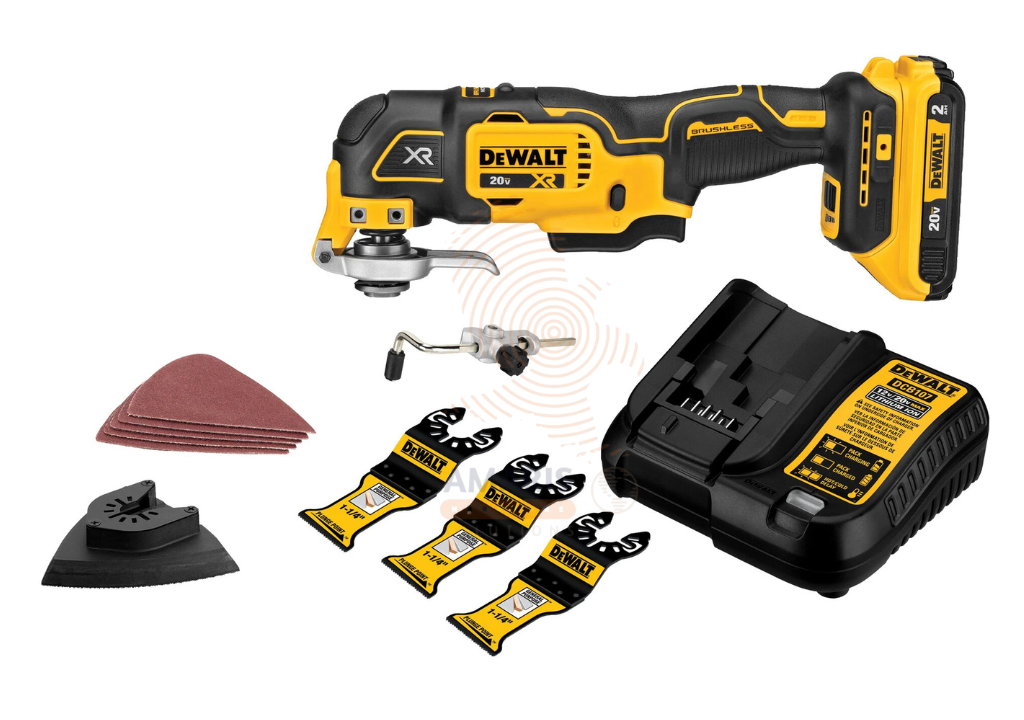
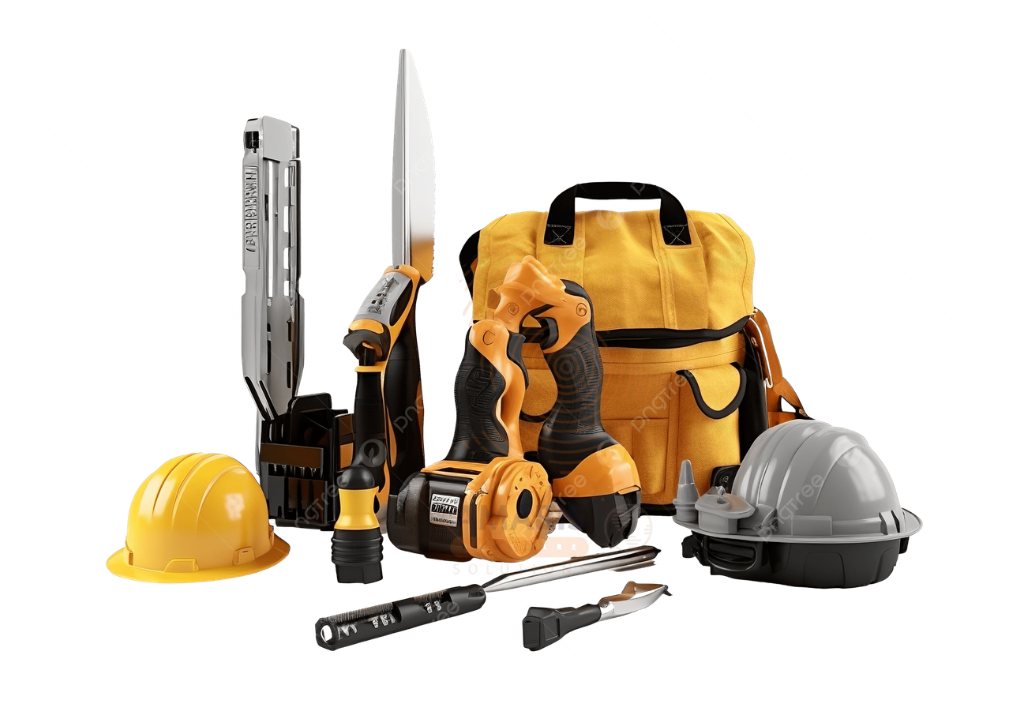
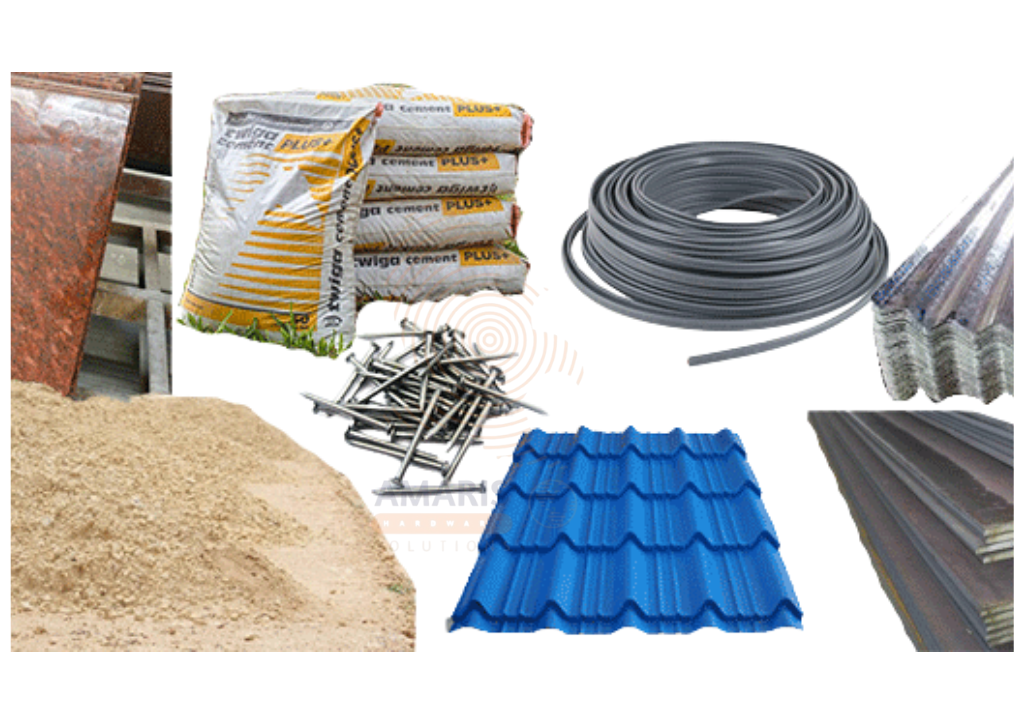
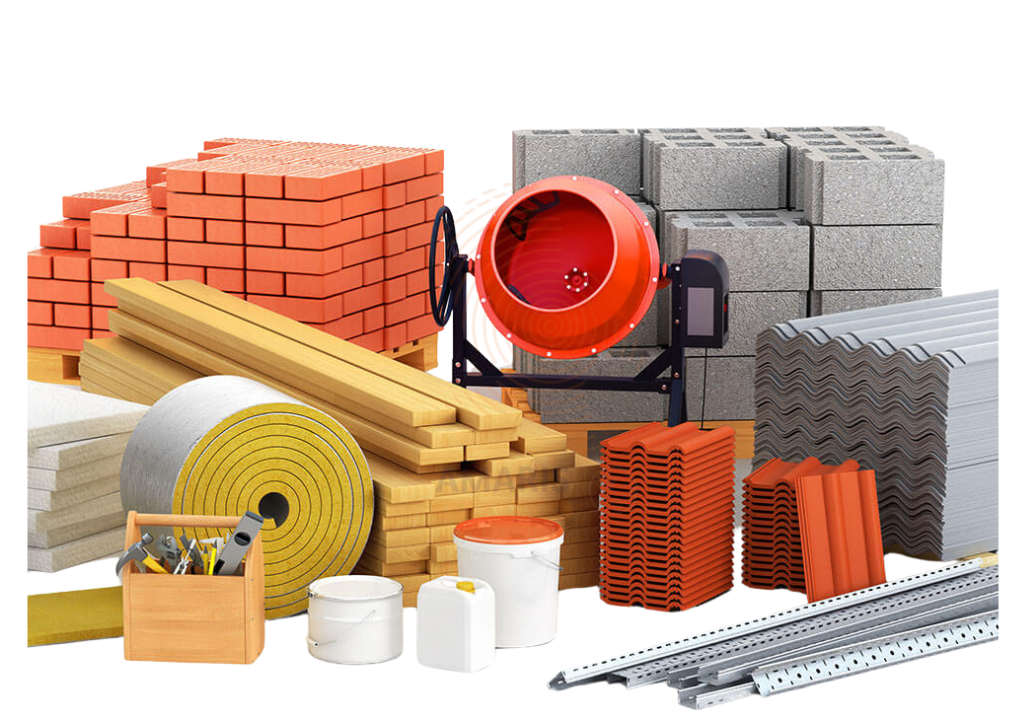
One of the biggest changes is the rise of product variety and specialization. Modern hardware stores are no longer limited to basic construction materials. Instead, they now stock a wide range of products including power tools, brushless equipment, welding gear, safety equipment, water pumps, automotive tools, and advanced construction accessories. Customers today expect to find everything they need under one roof, from heavy-duty machinery to small essential items like insulating tape and fasteners. 🔧
Another major shift is the improvement in product quality awareness. Kenyan customers are becoming more educated about tools and materials, often researching products online before visiting a store. This has pushed hardware businesses to stock more reliable, durable, and branded products rather than only focusing on low-cost options. Contractors and professionals especially prefer tools that offer better performance, longer lifespan, and improved safety features.
Technology has also played a big role in transforming hardware retail. Many modern stores now use social media platforms, websites, and online marketplaces to showcase products and reach more customers. Instead of relying only on walk-in traffic, businesses are now advertising tools, sharing product demonstrations, and even taking orders online. This digital shift has made it easier for customers to discover new products and compare options before making a purchase. 📱
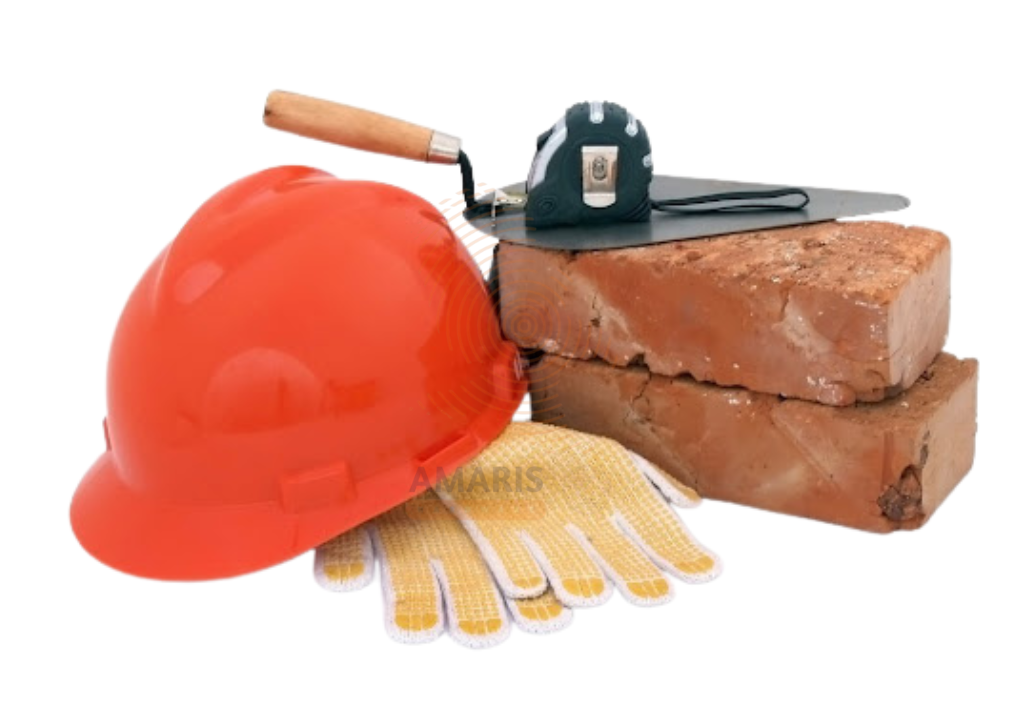
Customer service has also improved significantly. In the past, hardware stores were mainly transactional, but today many businesses are focusing on building relationships with contractors, builders, and DIY customers. Staff are becoming more knowledgeable about tools and applications, helping customers choose the right equipment for their specific needs. This shift from simple selling to consultation-based service is improving customer trust and loyalty.
The rise of construction activity across Kenya has also fueled demand for better hardware solutions. With ongoing infrastructure projects, real estate developments, and home improvement trends, the need for efficient and reliable tools has grown rapidly. Contractors are now looking for tools that can increase productivity, reduce labor time, and improve safety on-site. This has encouraged hardware stores to keep up with modern construction trends such as brushless power tools, energy-efficient pumps, and advanced safety gear. ⚡
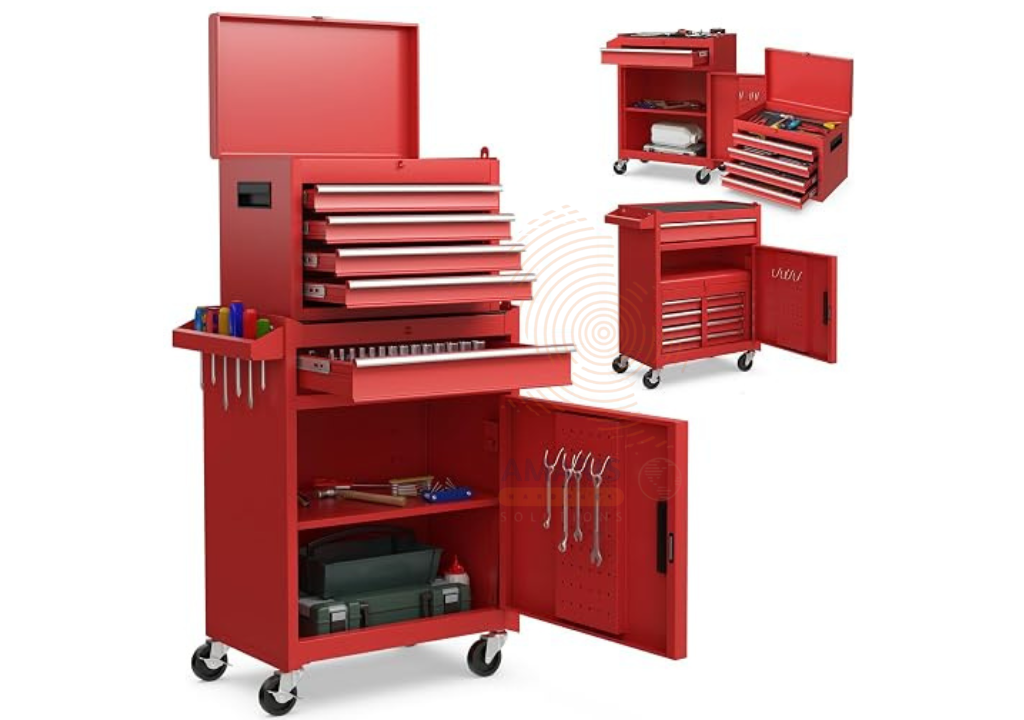
Another noticeable change is the improved store experience. Modern hardware shops are becoming more organized, with better product displays, clear labeling, and structured sections for different categories. This makes it easier for customers to find what they need quickly. Some larger stores are even adopting warehouse-style layouts and professional shelving systems to enhance efficiency and accessibility.
Delivery services and logistics have also become an important part of the hardware business. Instead of customers always transporting heavy materials themselves, many stores now offer delivery options directly to construction sites or homes. This added convenience is especially valuable for large projects where time and efficiency are critical.
Despite these advancements, competition in the hardware industry has also increased. Many businesses are now competing not only on price but also on service quality, product range, and brand reputation. This has pushed hardware stores to continuously improve their offerings and stay updated with global construction trends.
Looking ahead, the future of hardware stores in Kenya appears even more dynamic. As urbanization continues and technology becomes more integrated into retail, we can expect further growth in online hardware shopping, smarter inventory systems, and more specialized construction solutions tailored to different customer needs.
In conclusion, the rise of modern hardware stores in Kenya represents a major shift from traditional retail to a more advanced, customer-driven, and technology-supported industry. Businesses that adapt to these changes are not only surviving but thriving in an increasingly competitive market. For customers, this evolution means better access to quality tools, improved services, and a more efficient shopping experience overall. 🏪✨