
 Acrylic Sealants
 Construction Adhesives
 Double-Sided Tape
 Duct Tape
 Electrical Tape
 Epoxy & Resins
 Silicone Sealants
 Masking Tape
 Automotive Wrenches & Socket Sets
 Battery Chargers & Jump Starters
 Car Jacks & Stands
 Car Wash & Detailing Products
 Diagnostic Tools
 Tire Inflators
 Vehicle Lighting
 Oil & Lubricants
 Adhesives & Sealants
 Bricks & Blocks
 Cement & Concrete
 Drywall & Plaster
 Flooring (Tiles, Wood, Laminate)
 Lumber & Plywood
 Paints, Primers & Coatings
 Insulation Materials
 Roofing Materials
 Circuit Breakers
 Electrical Cables & Wires
 Switches & Sockets
 Fuses & Relays
 Connectors & Terminals
 Electrical Boxes & Panels
 Conduit & Fittings
 Lighting Fixtures & Bulbs
 Extension Cords & Power Strips
 Anchors
 Bolts
Bolts Clips & Clamps
 Screws
 Nuts
Nuts Washers
 Rivets
 Nails
Nails Threaded Rods
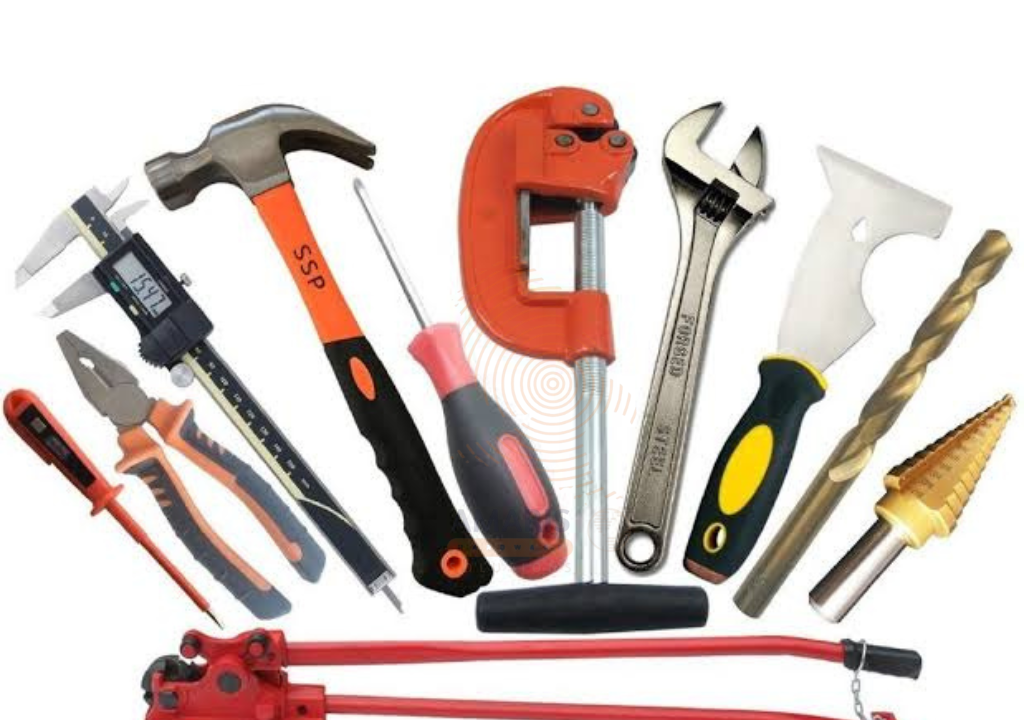
 Hammers
 Measuring Tools (Tapes, Levels, Calipers)
 Screwdrivers
 Pliers & Cutters
 Saws & Blades
 Chisels & Punches
 Allen Keys & Hex Keys
 Ratchets & Socket Sets
 Wrenches & Spanners
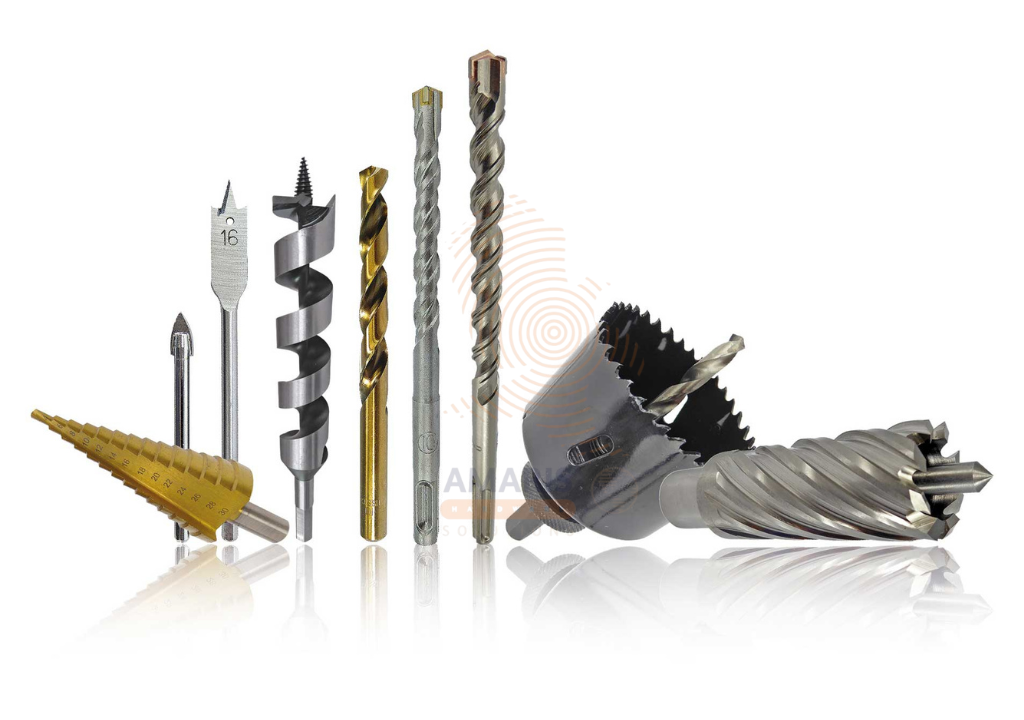
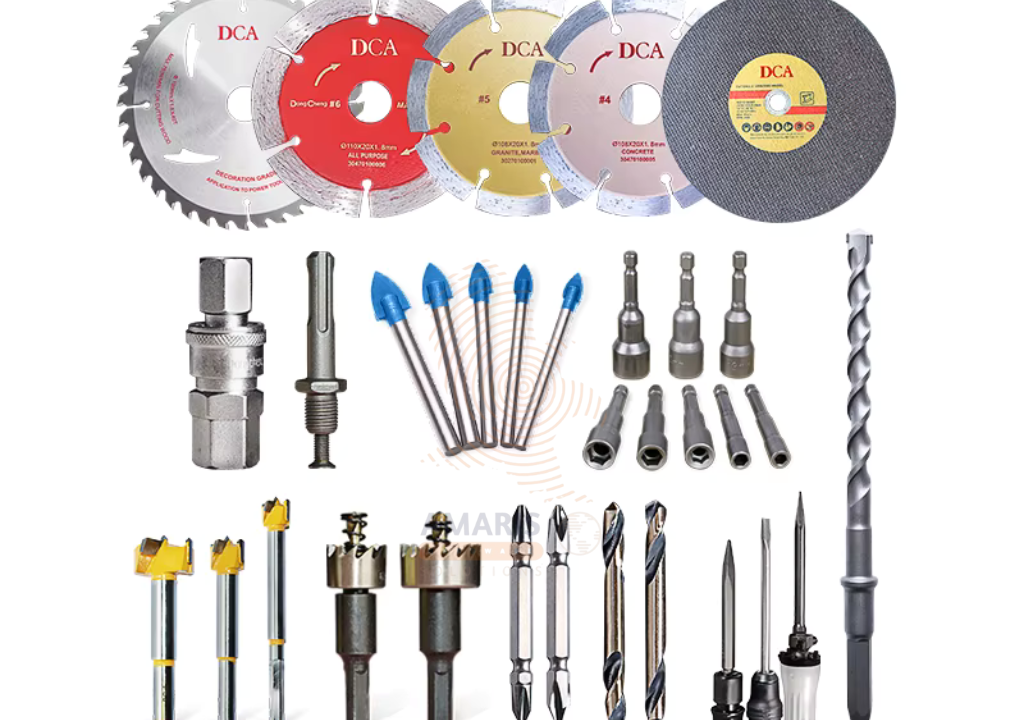
 Power Tool Accessories (Blades, Bits, Discs)
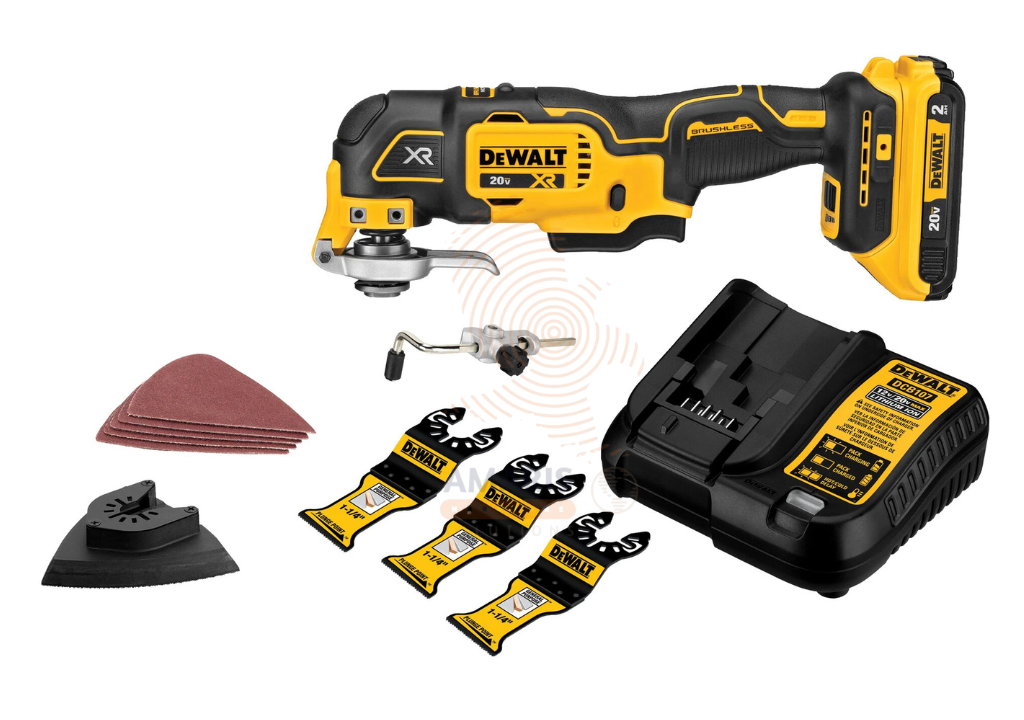
 Rotary Tools
 Saws (Circular, Jigsaw, Reciprocating)
 Drills & Drivers
 Grinders & Sanders
 Heat Guns
 Nail Guns
 Impact Wrenches
 Batteries & Chargers
 Pipes & Fittings (PVC, Copper, PEX)
 Plumbing Tools
 Pumps & Motors
 Sealants & Adhesives for Plumbing
 Valves & Taps
 Water Heaters
 Drainage Systems
 Faucets & Fixtures
 Hoses & Tubing
 Hinges & Latches
 Hooks & Brackets
 Window Hardware
 Chains & Cables
 Casters & Wheels
 Shelving & Storage Systems
 Door Handles & Locks
 Drawer Slides & Cabinet Hardware
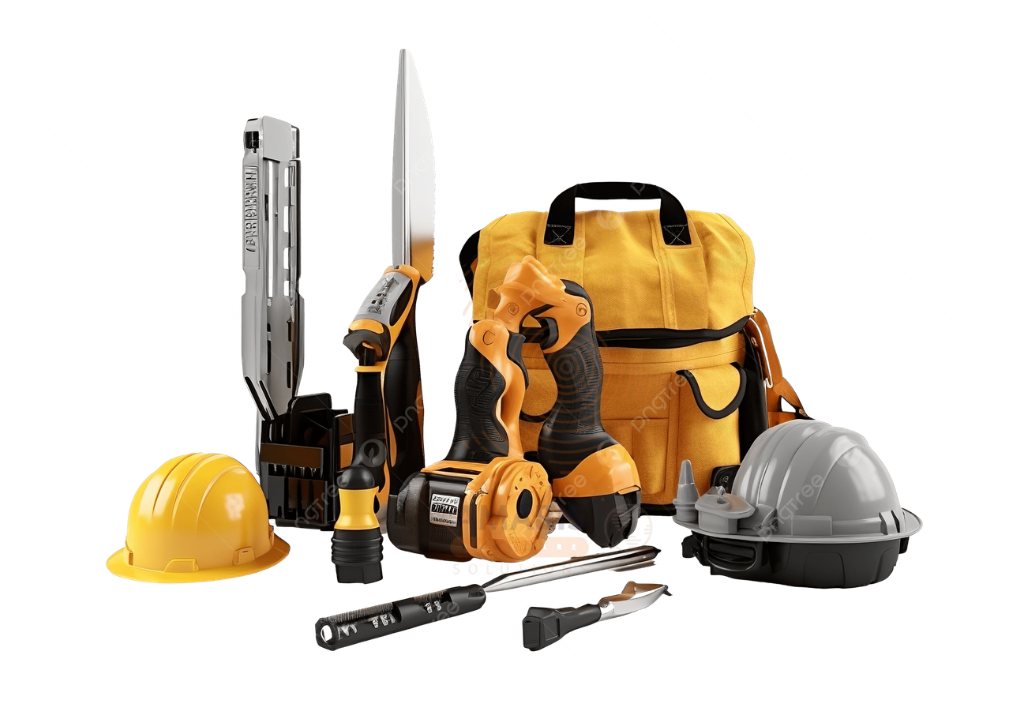
 Personal Protective Equipment (PPE)
 Respirators & Masks
 Safety Glasses
 Safes
Safes Security Cameras
 Gloves
 Helmets
 Ear Protection
 Fire Safety Equipment
 Locks & Padlocks
 Motion Sensors & Alarms
 Garden Fencing
 Garden Furniture Hardware
 Lawn Mowers
 Trimmers & Edgers
 Shovels & Spades
 Rakes & Hoes
 Pruning Shears & Loppers
 Watering Systems (Hoses, Sprinklers, Nozzles)
 Interior Paints
 Paint Brushes & Rollers
 Paint Strippers & Thinners
 Paint Trays & Accessories
 Exterior Paints
 Spray Paints
 Primers & Undercoats
 Varnishes & Stains
 Gaskets & Seals
 Hydraulic Fittings
 Industrial Fasteners
 Industrial Hoses
 Lubricants & Greases
 Metal Sheets & Bars
 Bearings & Bushings
 Belts & Pulleys
 HVAC Filters
 Insulation for HVAC
 Air Conditioners
 Refrigerants
 Ventilation Ducts & Fittings
 Thermostats & Controllers
 Fans & Blowers
 Pegboards & Hooks
 Shelving Units
 Storage Bins & Containers
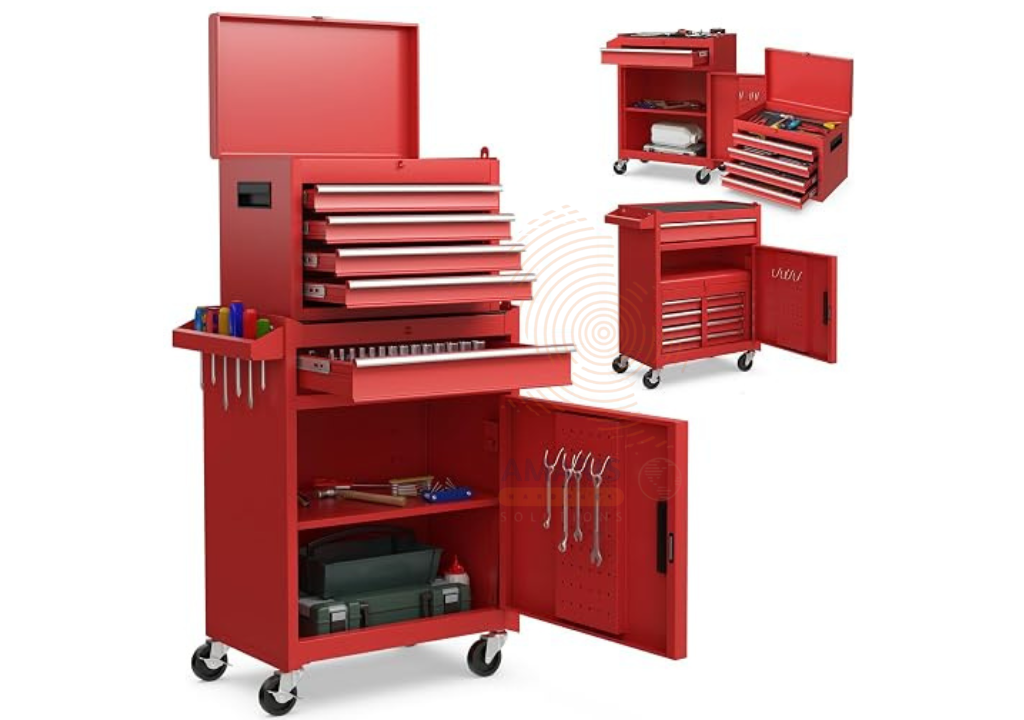
 Toolboxes & Tool Chests
 Workbenches
 Drawer Organizers
 Labeling Supplies
 Welding Accessories (Clamps, Brushes)
 Welding Electrodes & Rods
 Welding Helmets & Gloves
 Welding Machines
 Soldering Irons & Stations
 Flux & Solder Wire
 Generator Accessories
 Inverters
 Portable Generators
 Power Inverters
 Transfer Switches
 Diesel & Gasoline Generators
 Transport Equipment: Carts, Dollies, and Hand Trucks
 Storage Solutions: Pallets, Racks, and Containers
 Lifting Equipment: Hoists, Cranes, and Jacks
 Conveyors & Accessories: Belts & Rollers
 Office Chairs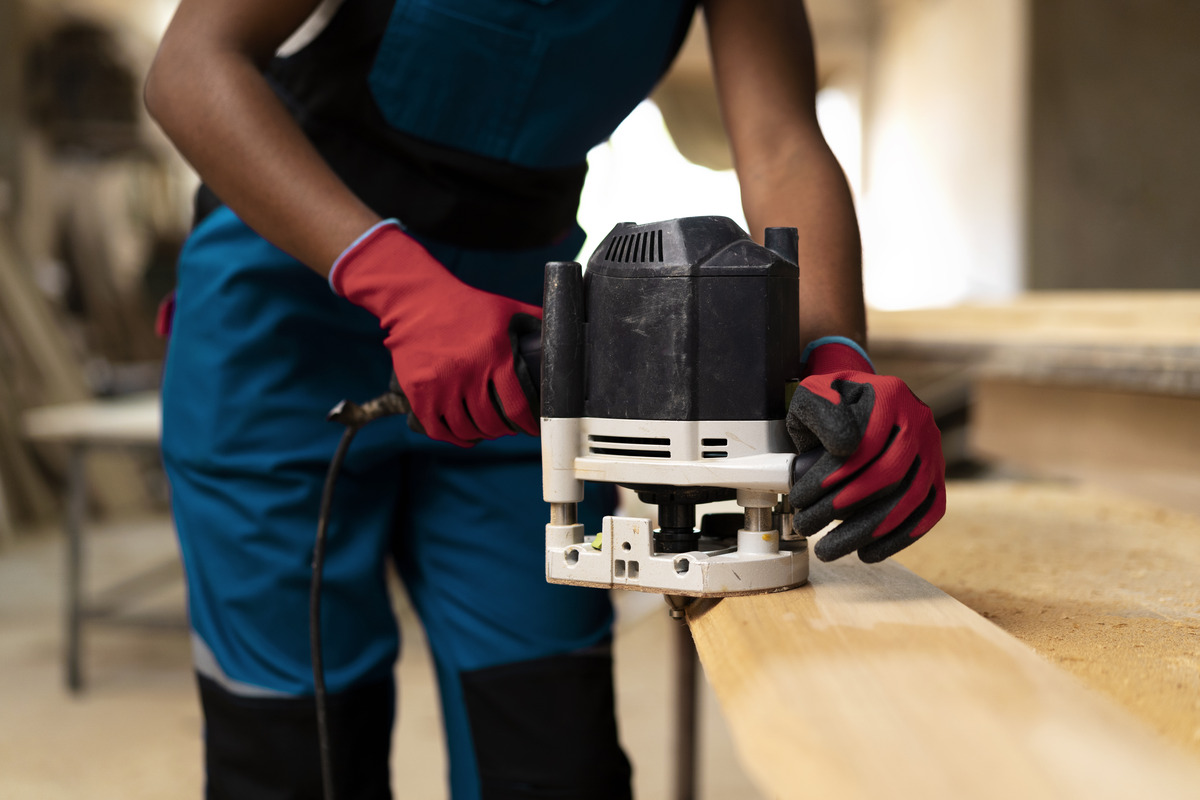
🔧📦 How to Organize a Small Workshop Like a Professional

A small workshop doesn’t have to feel cramped, messy, or difficult to work in. In fact, with the right organization, even a limited space can become an efficient and productive workspace. The secret isn’t having more space—it’s making better use of the space you already have. 🛠️
Whether you’re working in a garage, store room, shed, or compact workshop, good organization can save time, protect your tools, and make projects much more enjoyable.
Start with your workbench. Your bench should be the main working area, so keep its surface as clear as possible. Store tools that aren’t being used rather than allowing them to pile up around your project. A clean workspace gives you more room to measure, cut, assemble, and repair.
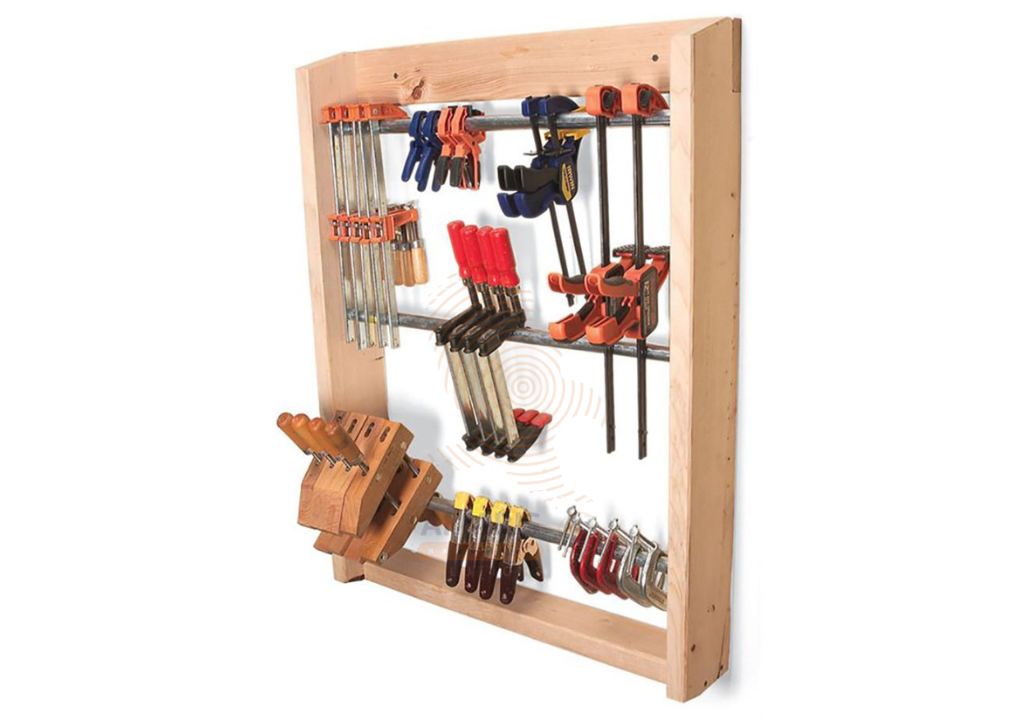
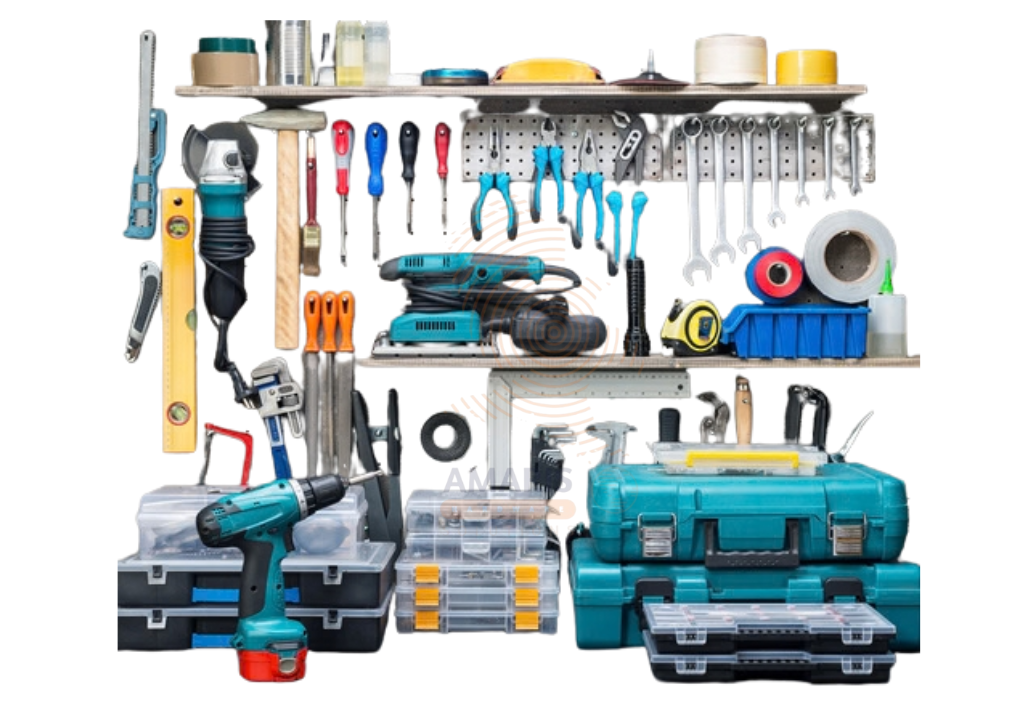
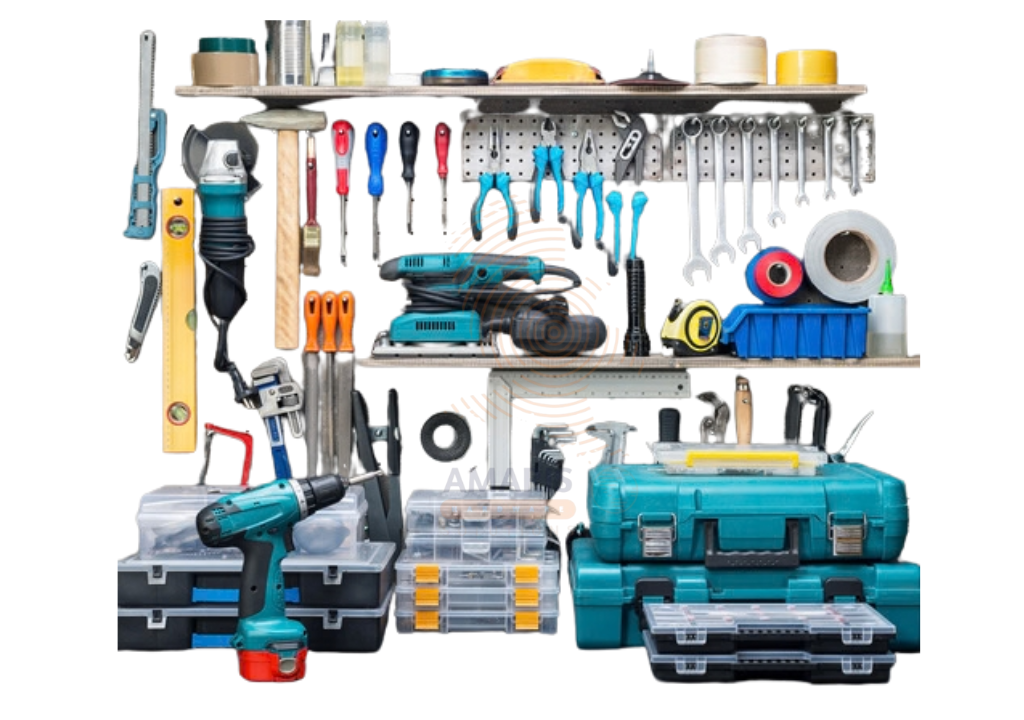
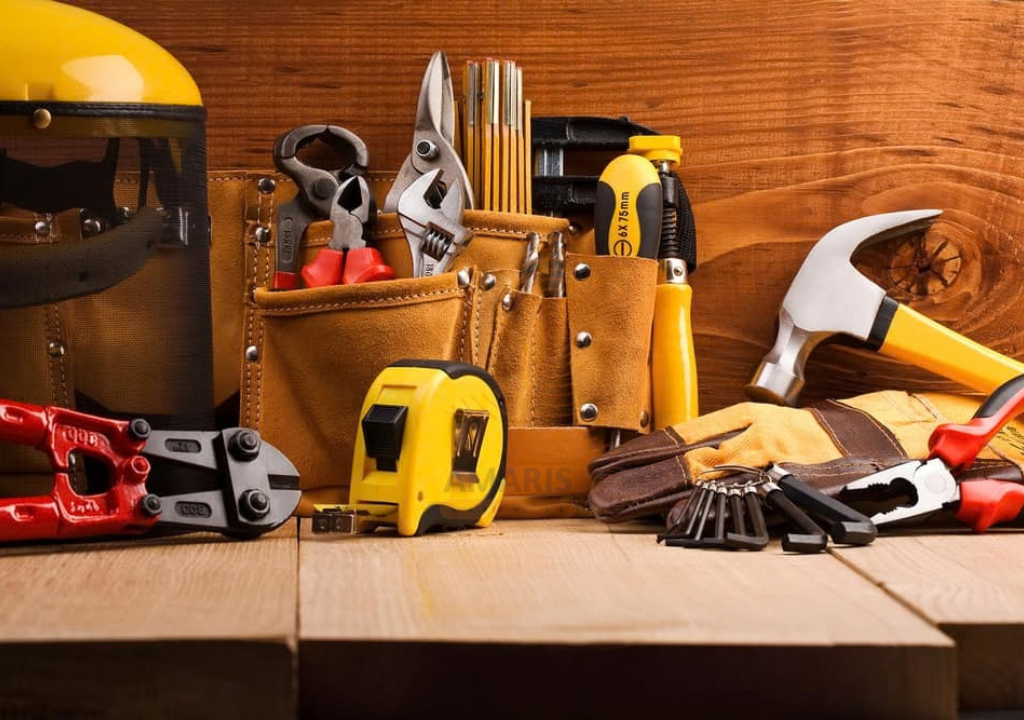
Make use of your walls. 🧰 A pegboard or wall-mounted tool organizer can turn unused vertical space into valuable storage. Frequently used tools such as hammers, pliers, screwdrivers, and spanners can be kept within easy reach instead of taking up valuable bench or floor space.
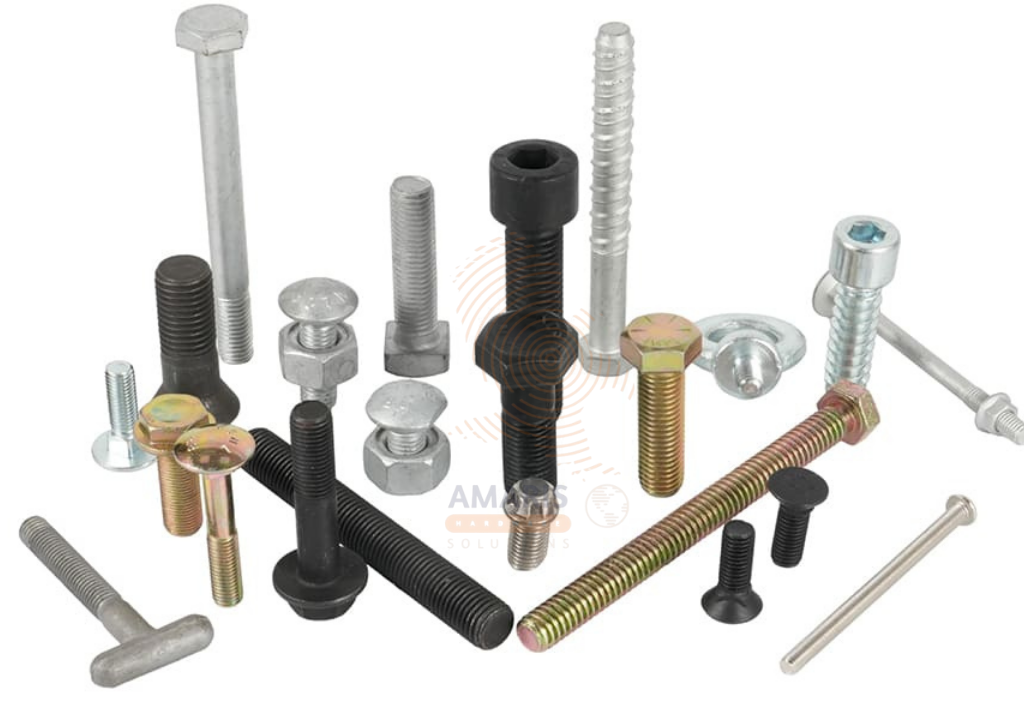
For smaller items, storage boxes and organizers are extremely useful. Screws, nuts, bolts, washers, drill bits, and other fasteners can easily become mixed together. 📦 Keeping them in separate, clearly labelled containers makes finding the right component much faster.
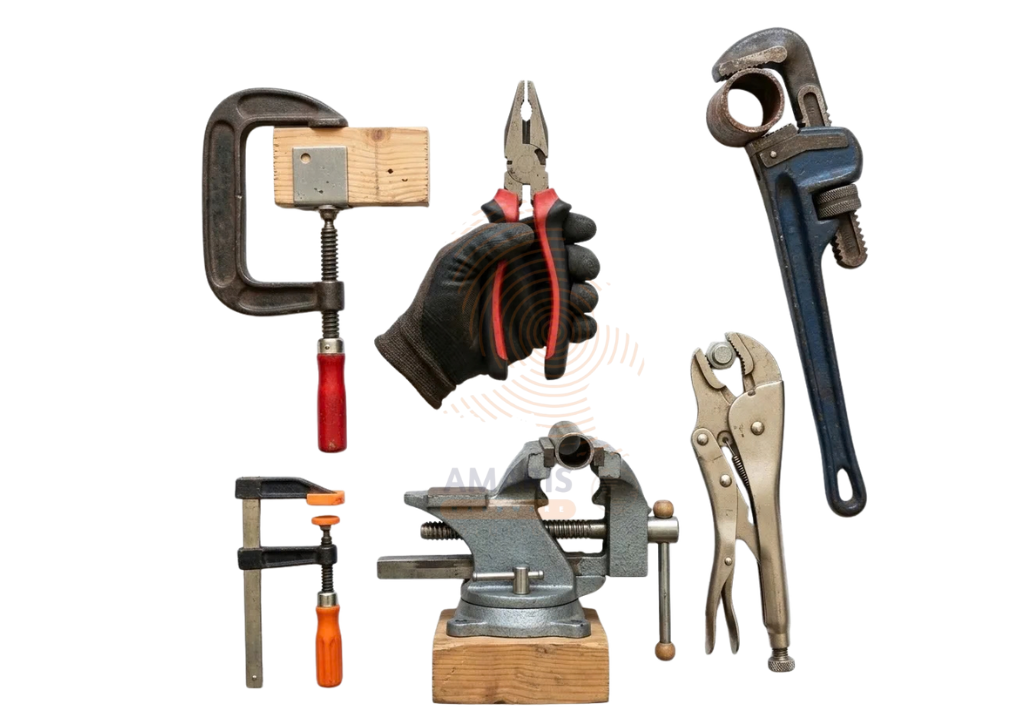
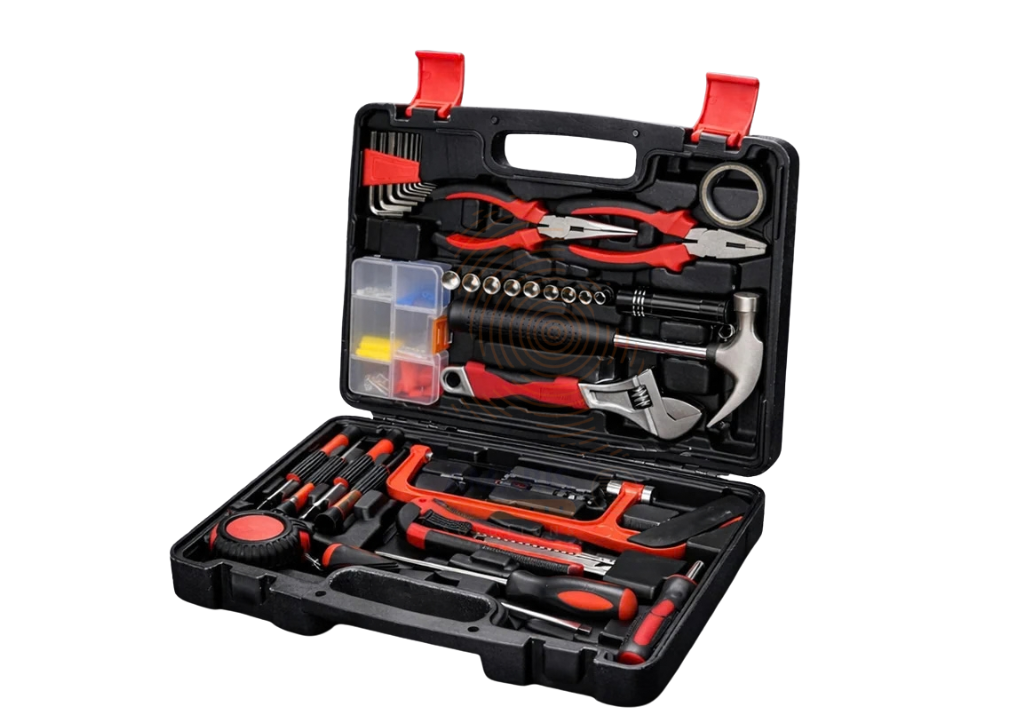
Another professional habit is to group similar tools together. Keep screwdrivers in one location, cutting tools in another, and measuring equipment somewhere else. Power tool accessories should also have their own dedicated storage area.
Think about the tools you use most frequently. The equipment you reach for every day should be positioned where you can access it quickly. Less frequently used tools can go on higher shelves or in cabinets.
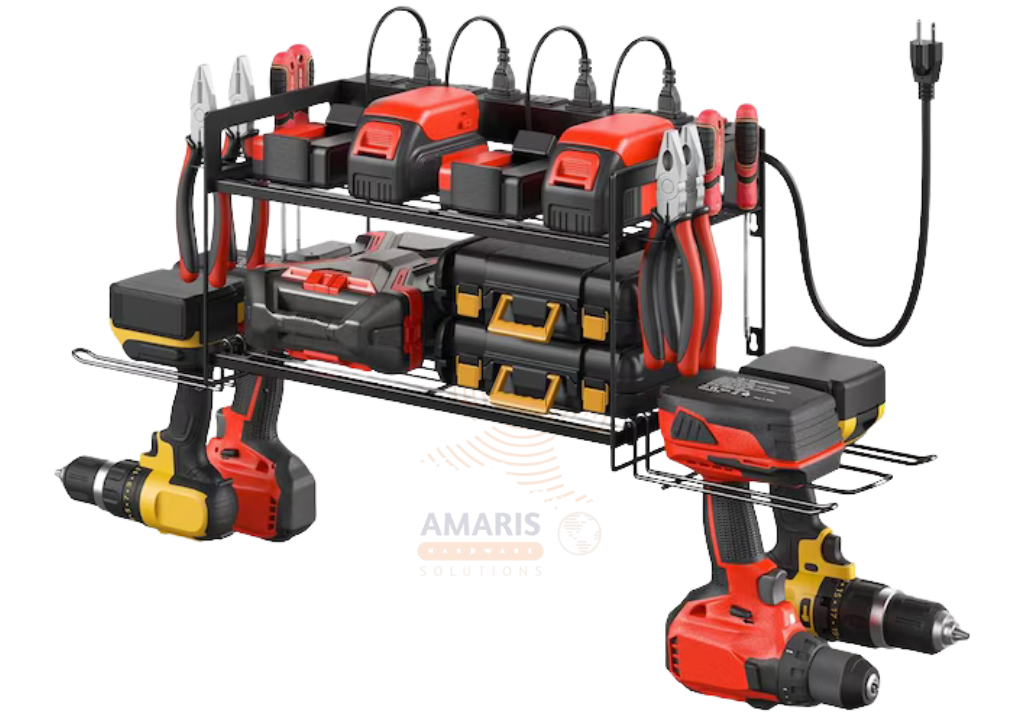
Don’t forget about power tool storage. Drills, grinders, sanders, and saws should be stored securely where they won’t fall or become damaged. 🔌 Keep batteries and chargers organized too, especially if you’re using several cordless tools.
One of the easiest ways to make a small workshop feel larger is to keep the floor clear. Use wall-mounted shelves, cabinets, hooks, and vertical storage wherever possible. Avoid stacking equipment randomly on the floor, where it can become a trip hazard.
Lighting is another important part of organization. 💡 A well-positioned work light can make detailed tasks easier and reduce eye strain. If natural lighting is limited, combine good overhead lighting with an adjustable task lamp.
Safety should always influence your layout. Sharp tools, heavy equipment, chemicals, and electrical equipment should be stored appropriately. Keep walkways clear and make sure frequently used tools can be accessed without reaching over dangerous equipment. 🦺
A useful professional trick is to clean as you work. Don’t wait until the end of the weekend to deal with the mess. Return tools to their storage locations after use and remove waste materials regularly. This keeps the workshop under control and makes the next project easier to start.
You should also review your tools occasionally. If you have equipment you haven’t used for years, consider whether it is really earning its place in your limited space. A small workshop benefits from keeping only useful and functional equipment.
Most importantly, don’t try to organize everything perfectly in one day. Start with the areas that cause the most problems and improve the layout gradually. As you use the workshop, you’ll discover which tools need to be closer and which storage systems work best for you. 🔩
A professional-looking workshop isn’t necessarily filled with expensive cabinets and sophisticated equipment. It’s a workspace where everything has a place and everything can be found when needed.
With smart storage, good lighting, clear work surfaces, and a little discipline, even the smallest workshop can become an efficient space for building, repairing, and creating. 🏗️✨